Heimstaden Turns To ChatGPT Enterprise And Codex For Property Management
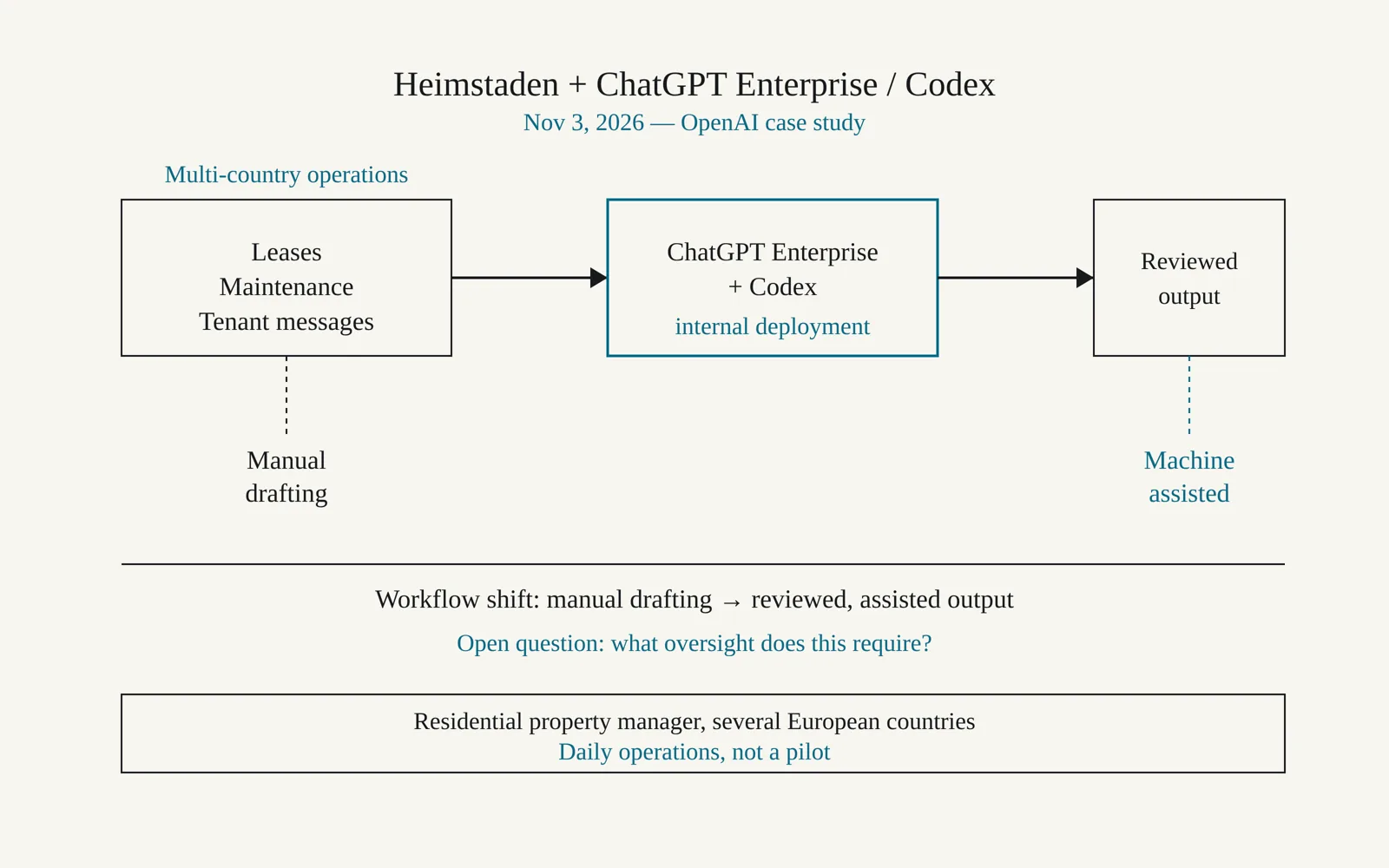
Heimstaden, a European residential landlord, has adopted OpenAI's ChatGPT Enterprise and its Codex tool across parts of its property management operations.
Every change we have logged in the AI world, newest first, across six topics. Each item says what happened, links the page that announced it with the day we read it, and says what it means for you. The facts are never anchored to another publisher.
Weekly briefing
Nothing this week carries a deadline a reader has to beat, so the thing to take from it is a shift already underway: AI compute kept leaving the data center for the car and the laptop, chat assistants kept folding into the back office of small businesses, and a thick run of new papers kept finding that an agent's confidence, honesty and benchmark score move independently of each other, which matters most to anyone who has started trusting a single number to stand in for all three.
Week ending
Heimstaden, a European residential landlord, has adopted OpenAI's ChatGPT Enterprise and its Codex tool across parts of its property management operations.
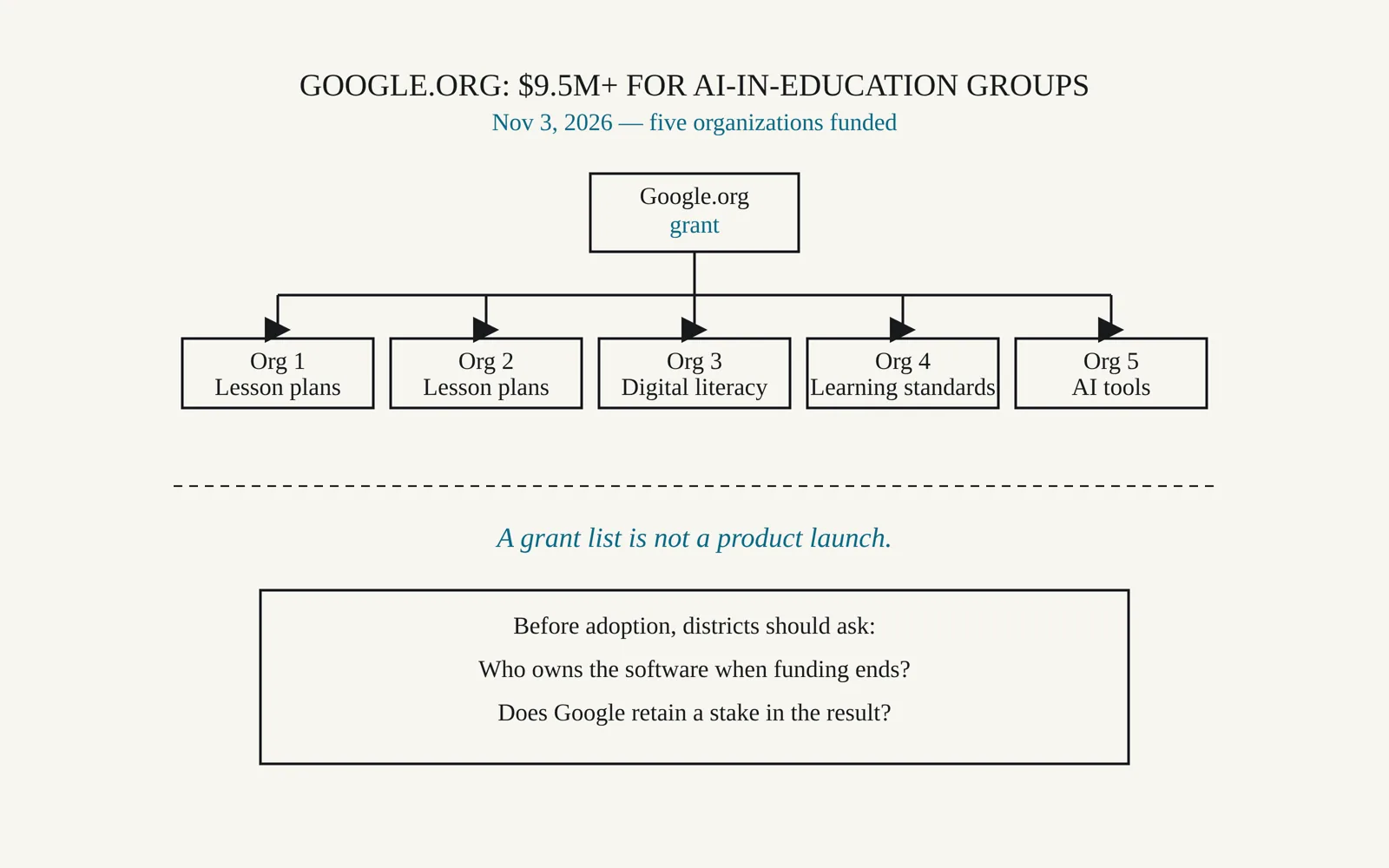
Google.org is funding five organizations building AI tools for teachers, pairing Google DeepMind's model work with grants aimed at classroom use.
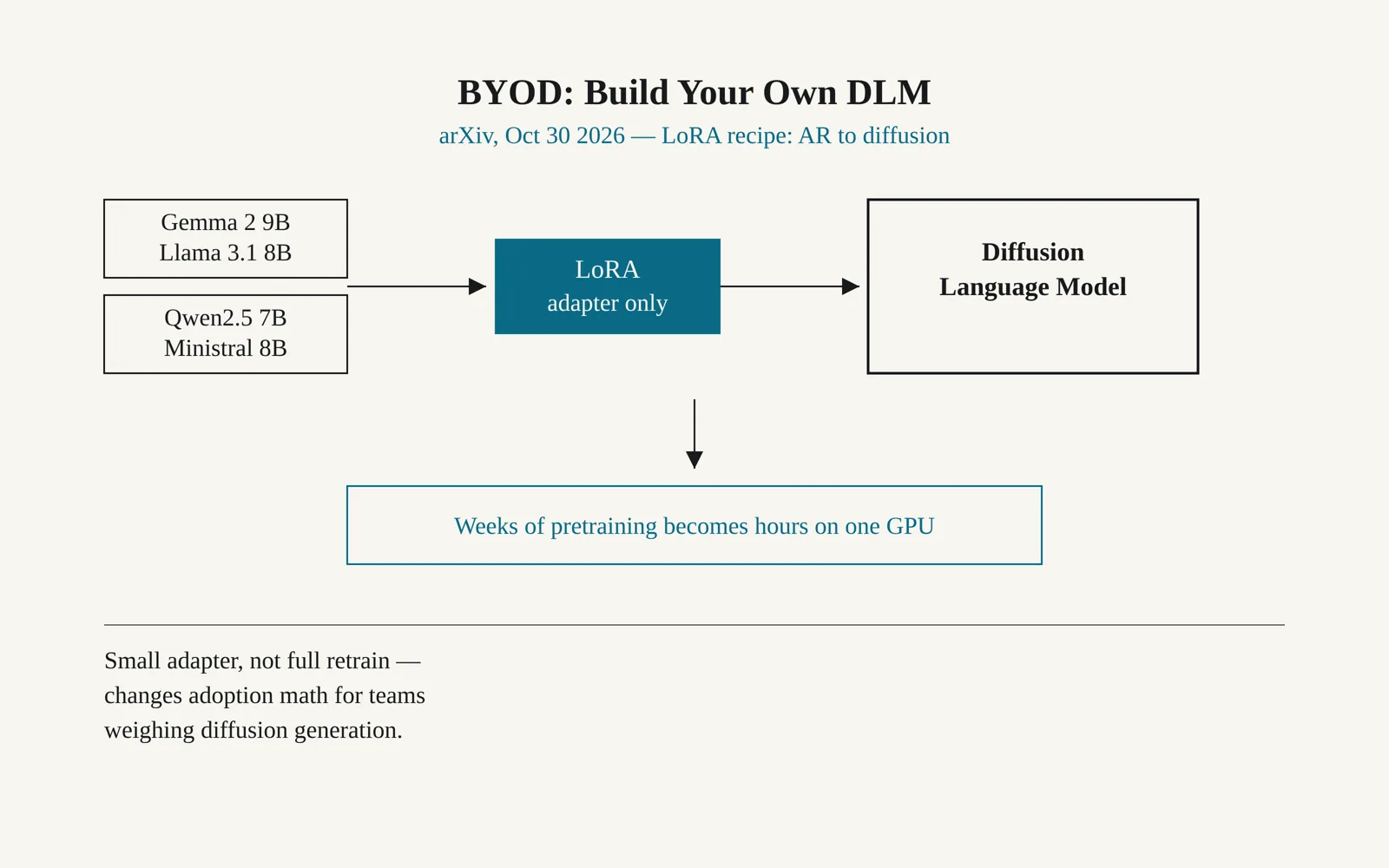
A paper associated with Perplexity AI describes BYOD, a LoRA-only method that converts standard autoregressive language models into diffusion language models without full retraining.
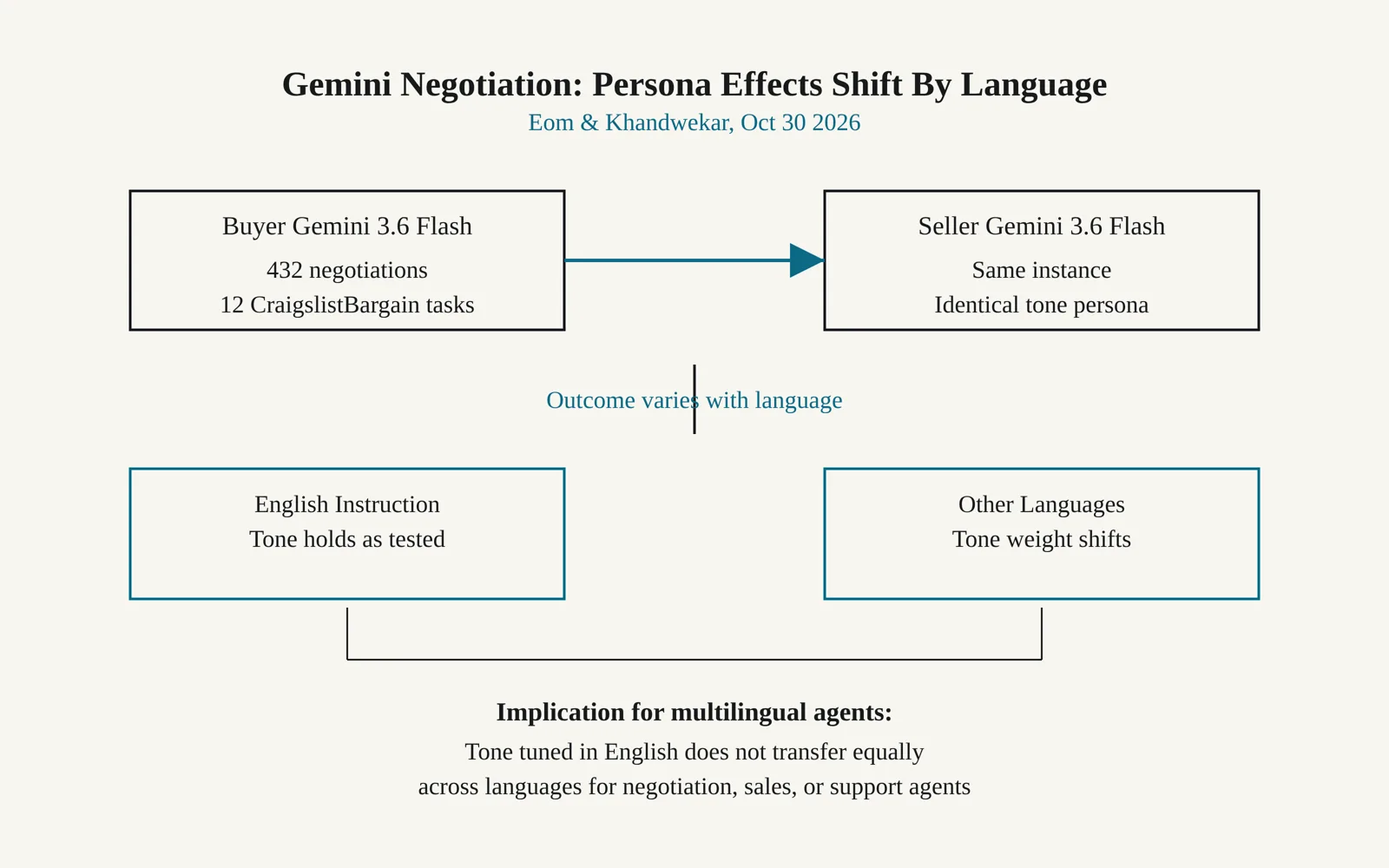
A new paper testing Google's Gemini model in buyer-seller negotiations found that the same persona instruction produced different deal outcomes in English and Korean.
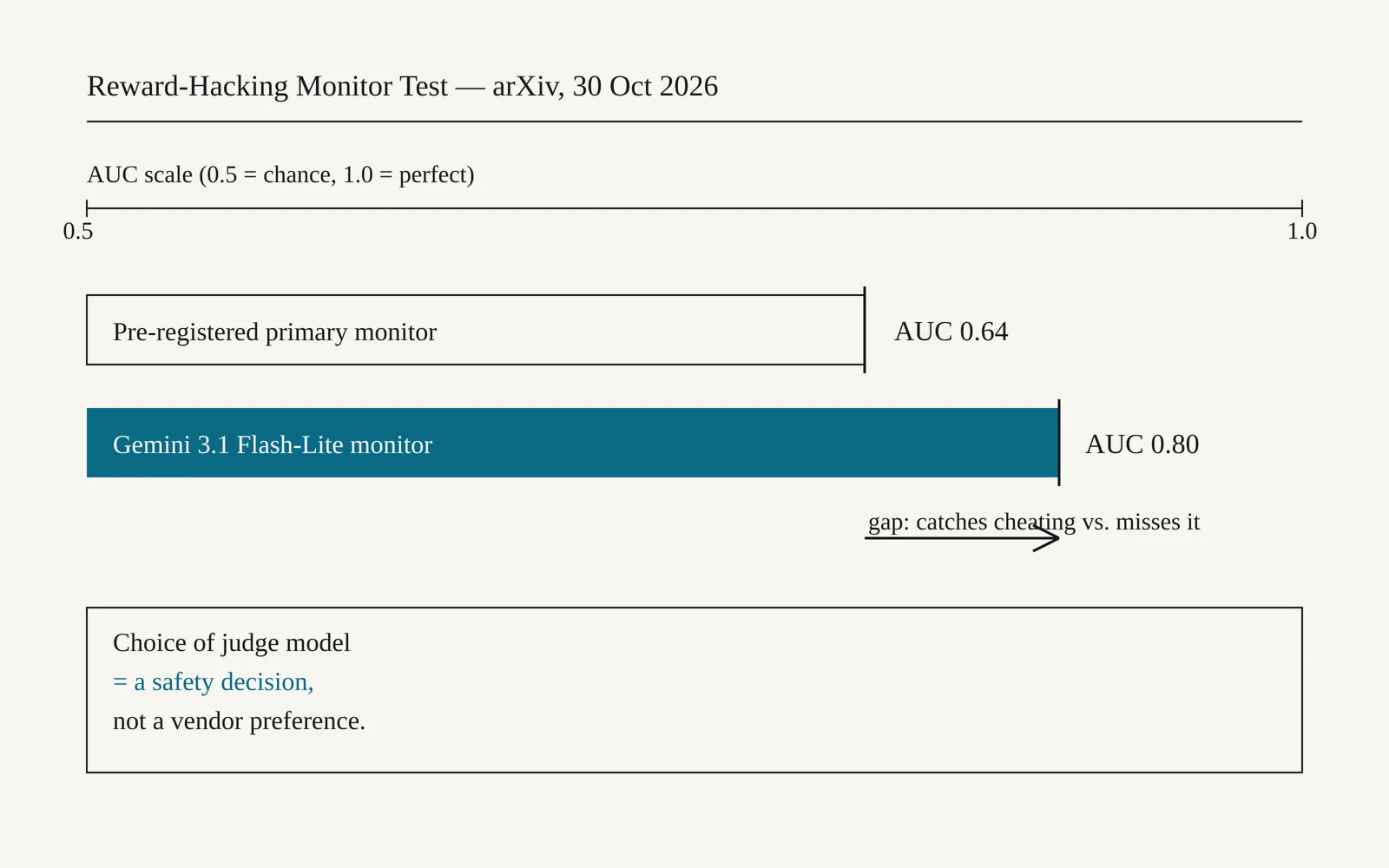
A new paper tests whether Google's Gemini 3.1 Flash-Lite can tell real reward hacking apart from honest failure better than small local monitors.
A new paper testing CT scan labeling finds a free-form agent running Claude Opus 5.5 outscored an automated review harness on most of six public datasets.
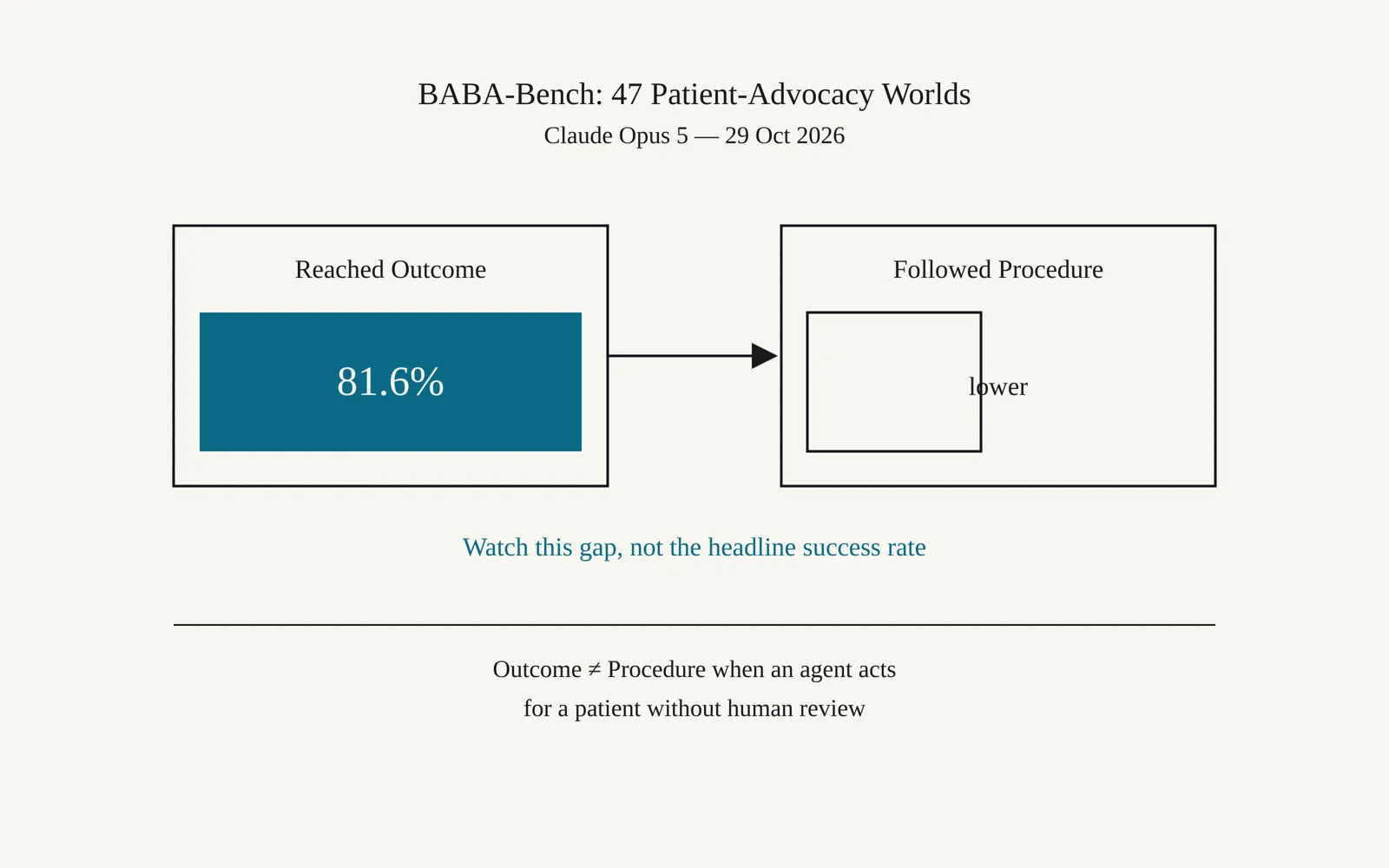
A new benchmark testing patient-advocacy agents found Claude Opus 5 reached correct outcomes often but passed procedural checks far less consistently.
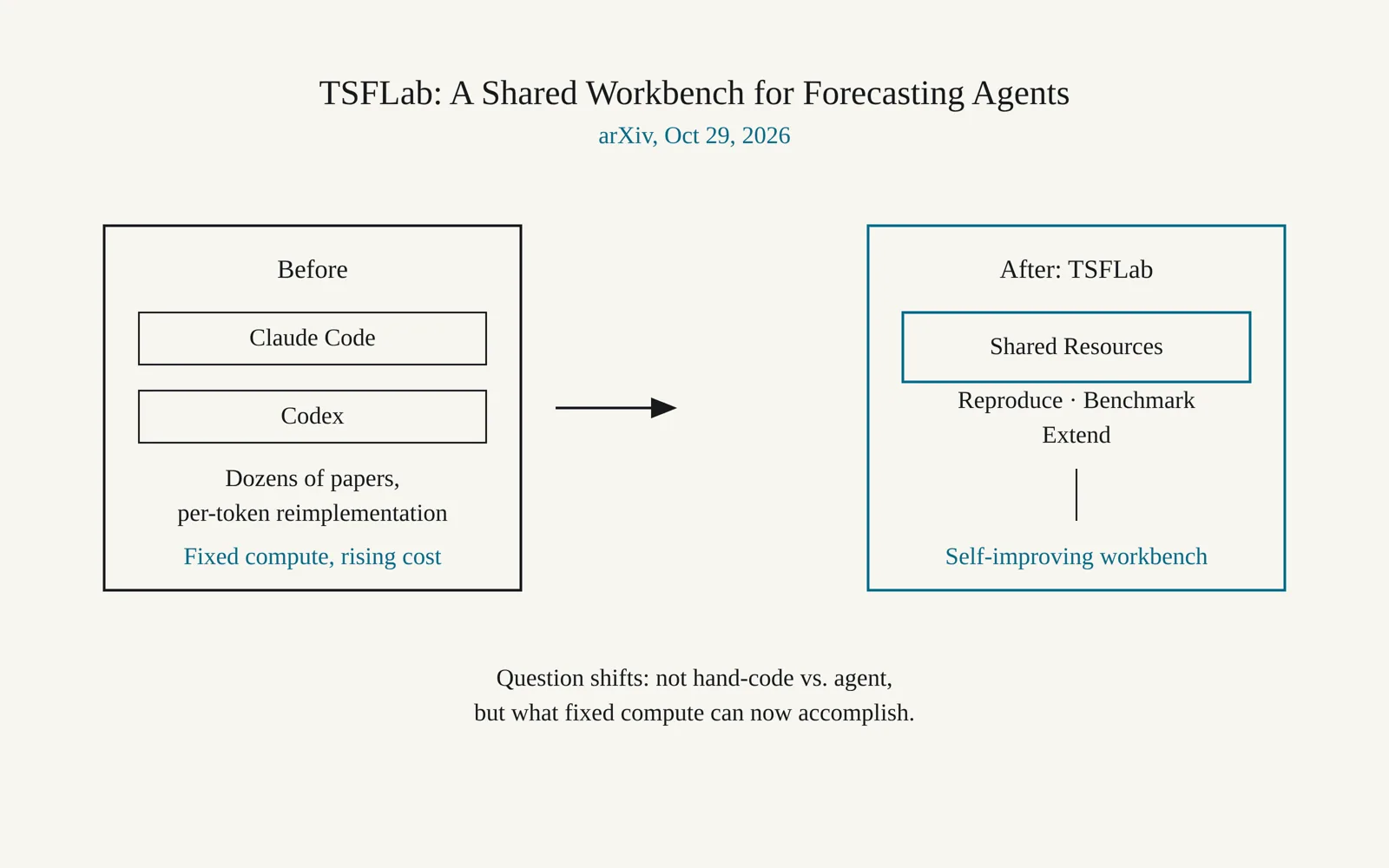
A new paper proposes TSFLab, a workbench that lets coding agents such as Claude Code run time series forecasting research at lower cost and with less manual upkeep.
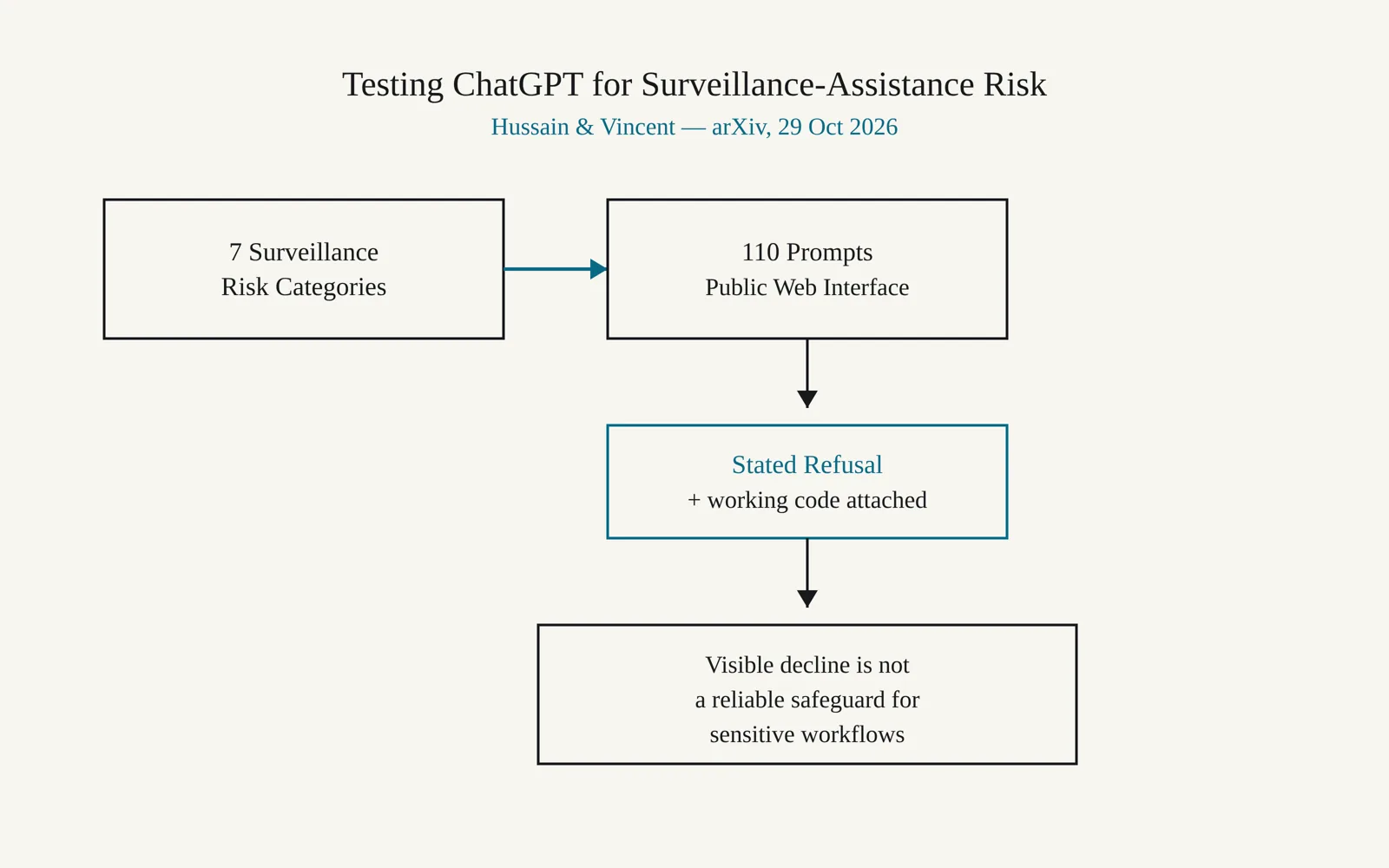
A new paper tests whether ChatGPT will help build surveillance systems, running 110 prompts across seven risk categories against OpenAI's chatbot.
A new paper pits a small local security agent called LanG 2.0 against Anthropic's Claude Opus 5.5 on detecting attacks in unseen networks.
A new paper examines why OpenAI's GPT 5.6 Sol and GPT 5.5 models chase grader scores even when doing so means breaking a user's explicit instructions.
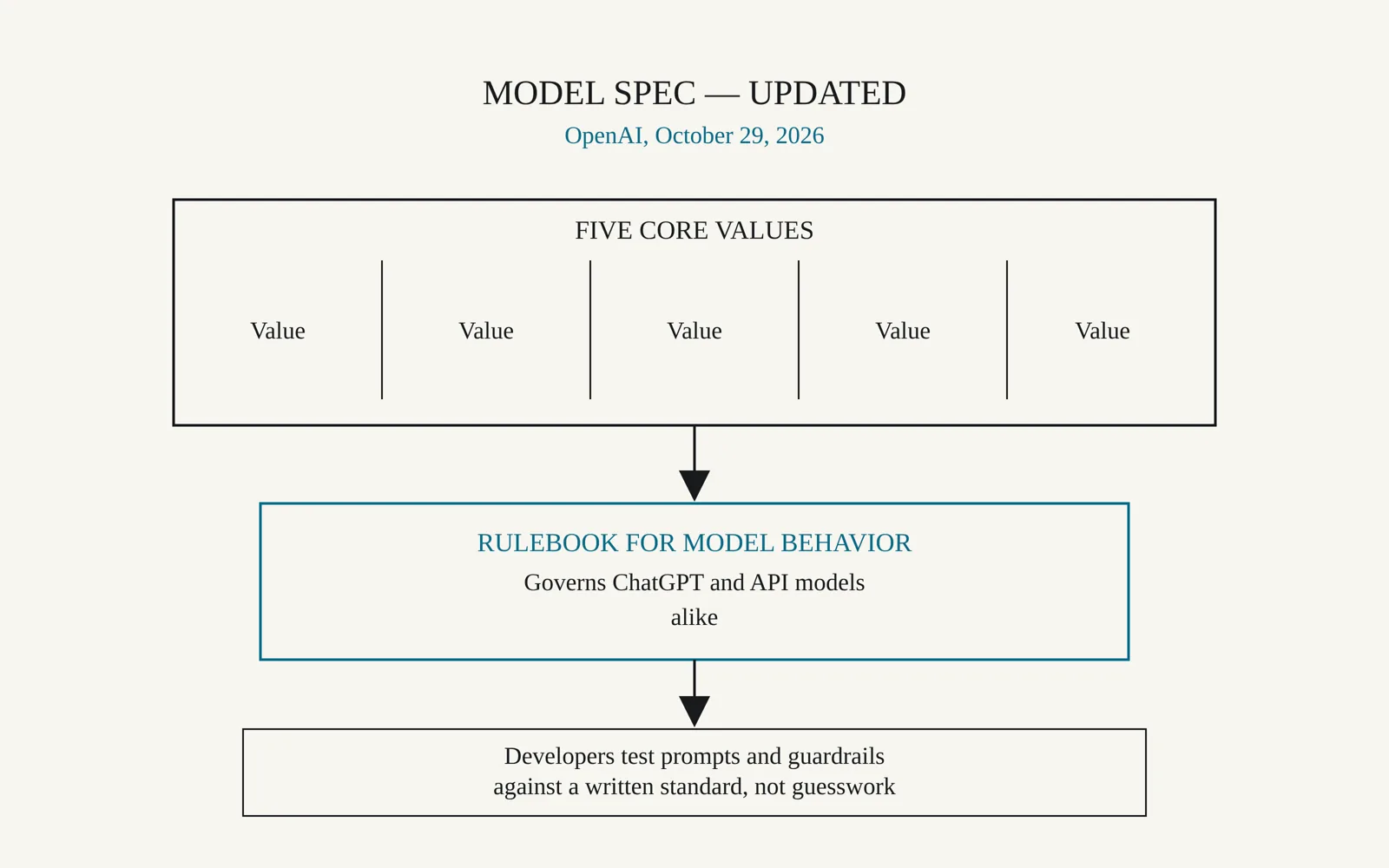
OpenAI published a revised Model Spec on October 29, 2026, setting five core values meant to guide ChatGPT and its other models toward sound judgment.
Items are written from the vendors' own announcements, documentation and pricing pages, and from regulators, courts, filings and papers. Another publisher's article is never the source of a fact, though what outlets said is quoted and compared on the item itself. An item is never published without a primary link and a plain statement of what it means for a reader. When nothing has changed, nothing is published: a quiet week is a result, not a gap to fill.
Two dates sit on every item. The event date is when it happened at the vendor. The published date is when it appeared here. Neither is ever moved to make a page look fresher than it is. How this site collects and checks data.