Paper Finds Claude Opus 5 Favors Biology Over Logic in Prose Reports
A new paper tests whether Claude Opus 5 resolves contradictory scientific reports by logic or by what it expects biology to look like.
Older changes from the same sourced stream. This is page 11 of 16; each item remains listed in the month when it was published. Every row keeps its source, event date and plain account of what changed.
A new paper tests whether Claude Opus 5 resolves contradictory scientific reports by logic or by what it expects biology to look like.
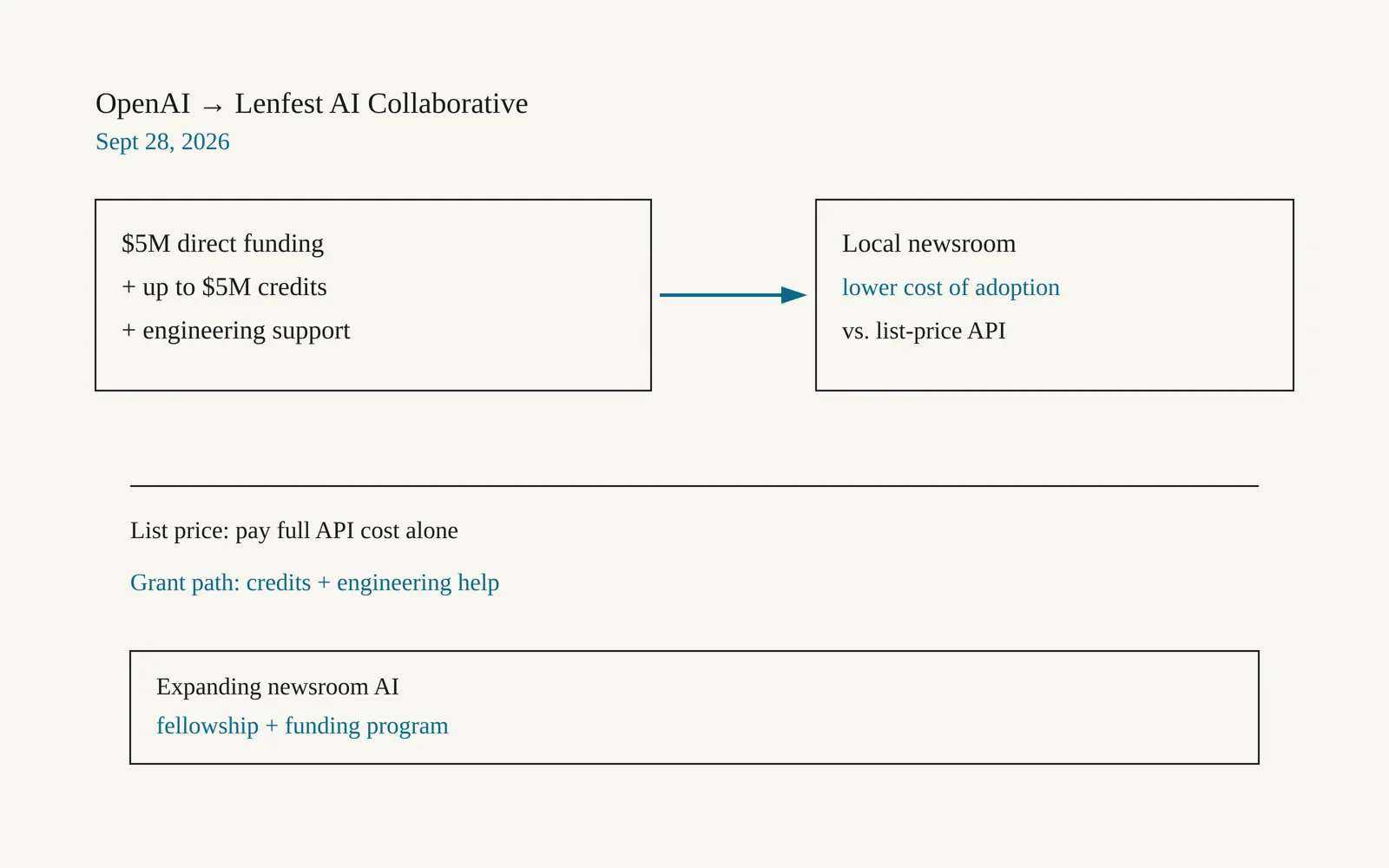
OpenAI is expanding the Lenfest AI Collaborative and Fellowship Program with new funding and software credits for local newsrooms.
A new paper studies how Mistral's language models, alongside Llama, Qwen and Gemma, build up layer by layer representations of relationships among three tokens.
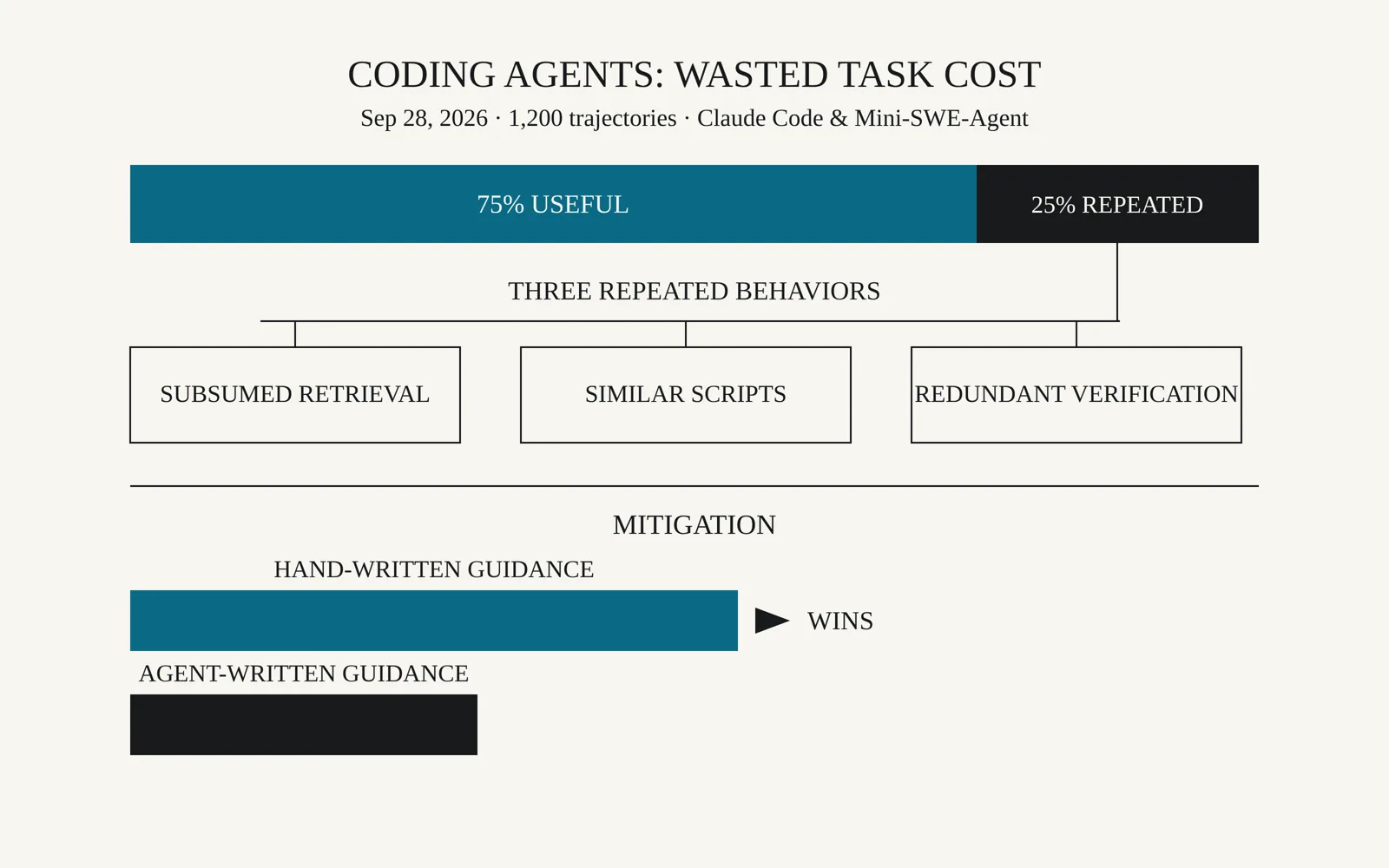
A new paper analyzing Claude Code and Mini-SWE-Agent trajectories on SWE-bench Verified finds three recurring habits that quietly inflate coding agent bills.
Anthropic released Claude Sonnet 5.5 on September 28, 2026, holding the API price of its predecessor steady while claiming faster answers and lower per-task cost for most work.
Google published a roundup of four developer projects built with Gemini 3.8 Flash, the workhorse model it priced into the API this month.
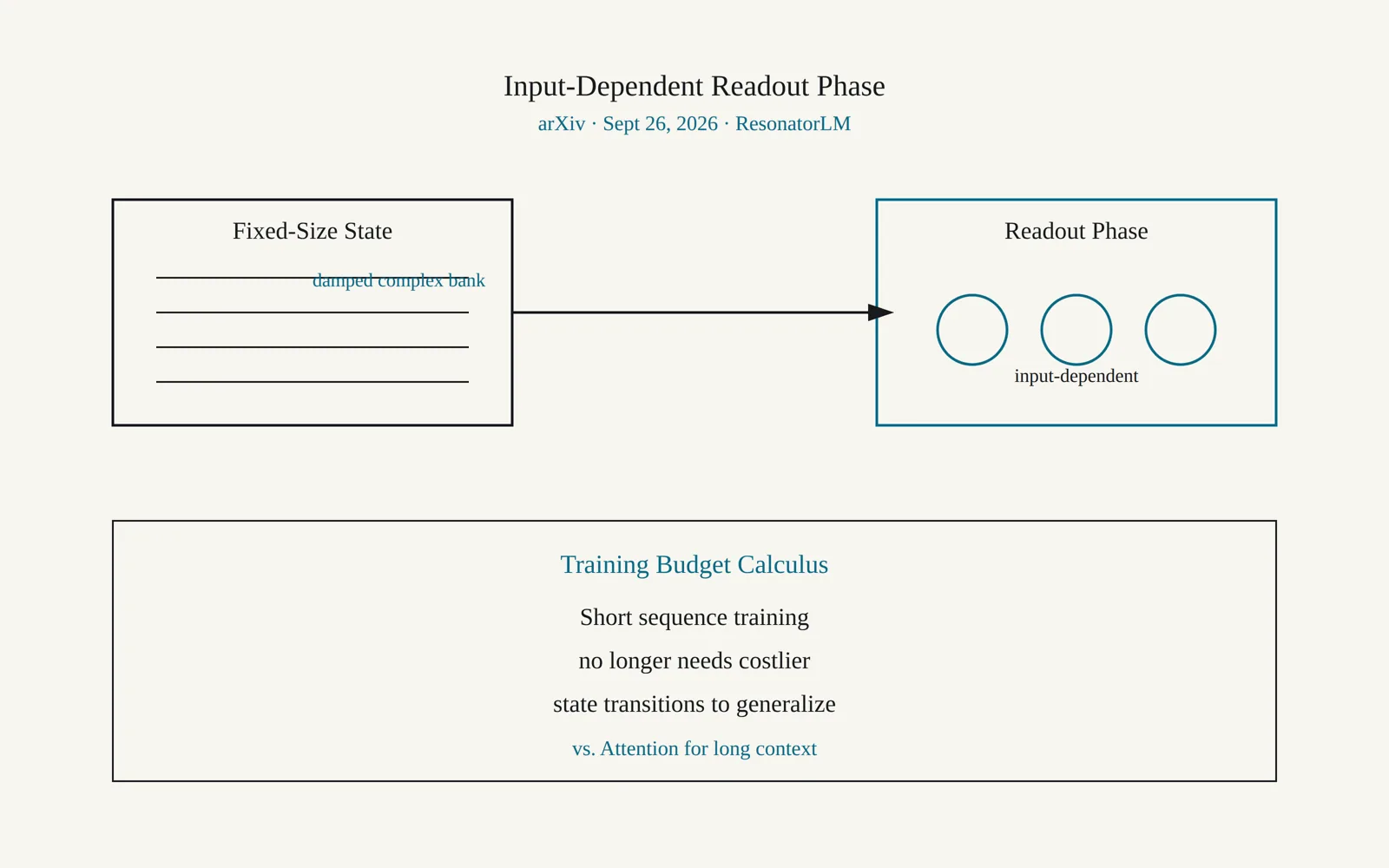
Filed here under Perplexity AI, a paper posted October 12, 2026 gives ResonatorLM style sequence models a readout phase that reads the current token instead of a fixed per-head setting.
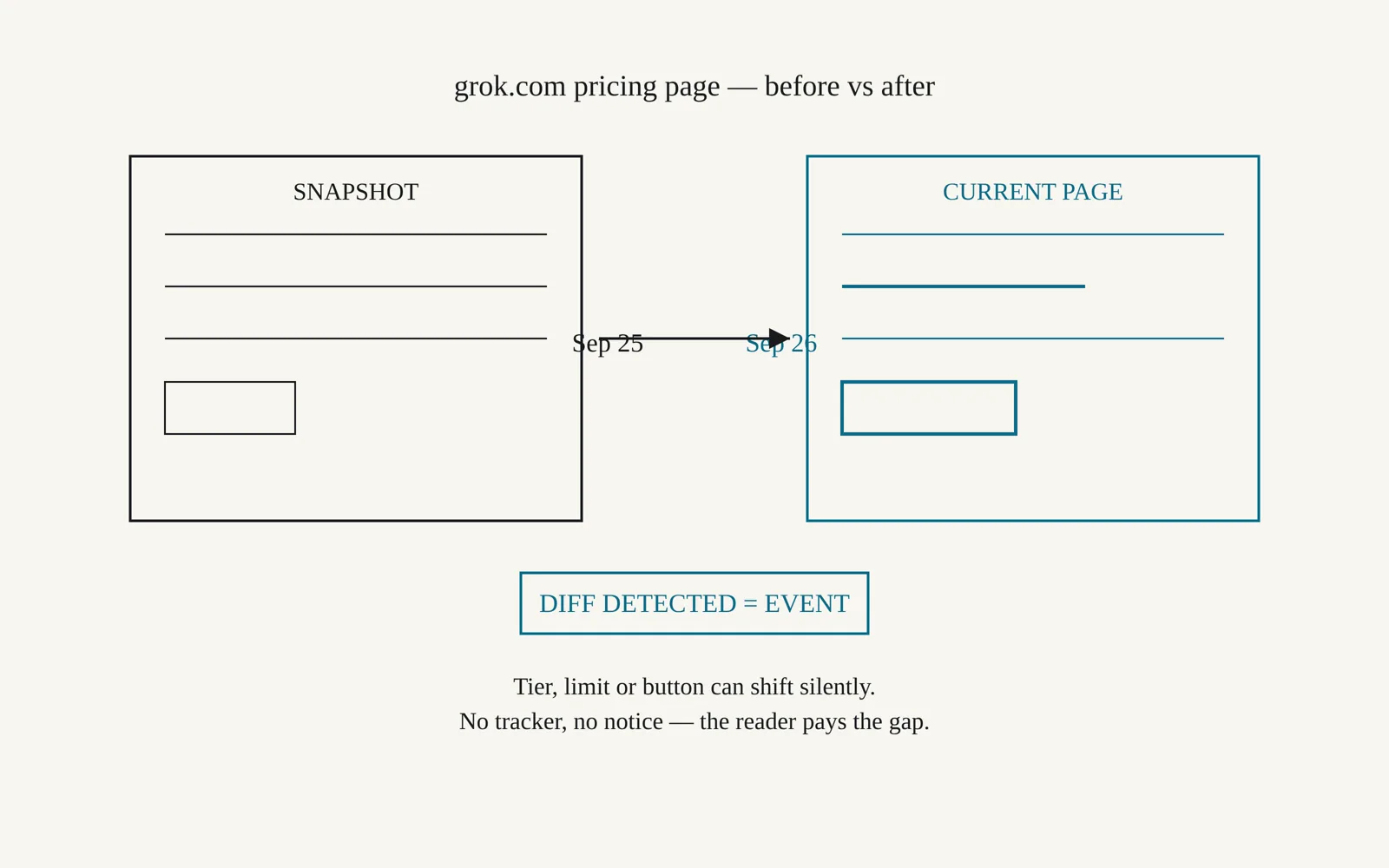
xAI's public site at grok.com now shows a pricing page that differs from the version this site last recorded, though the vendor has not detailed the change.
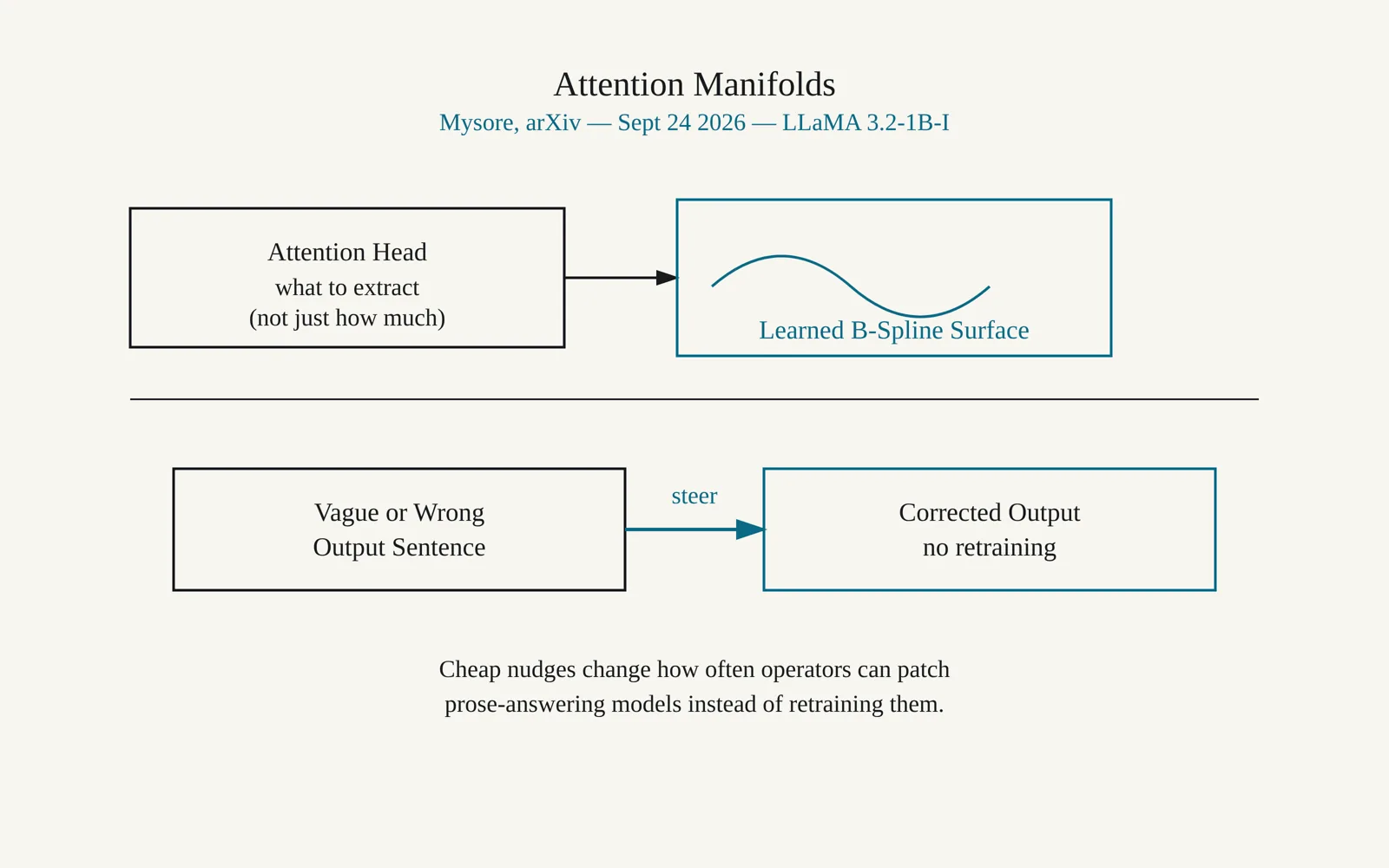
A new paper describes attention manifolds, a technique that edits how transformer models route information, with relevance for answer engines like Perplexity.
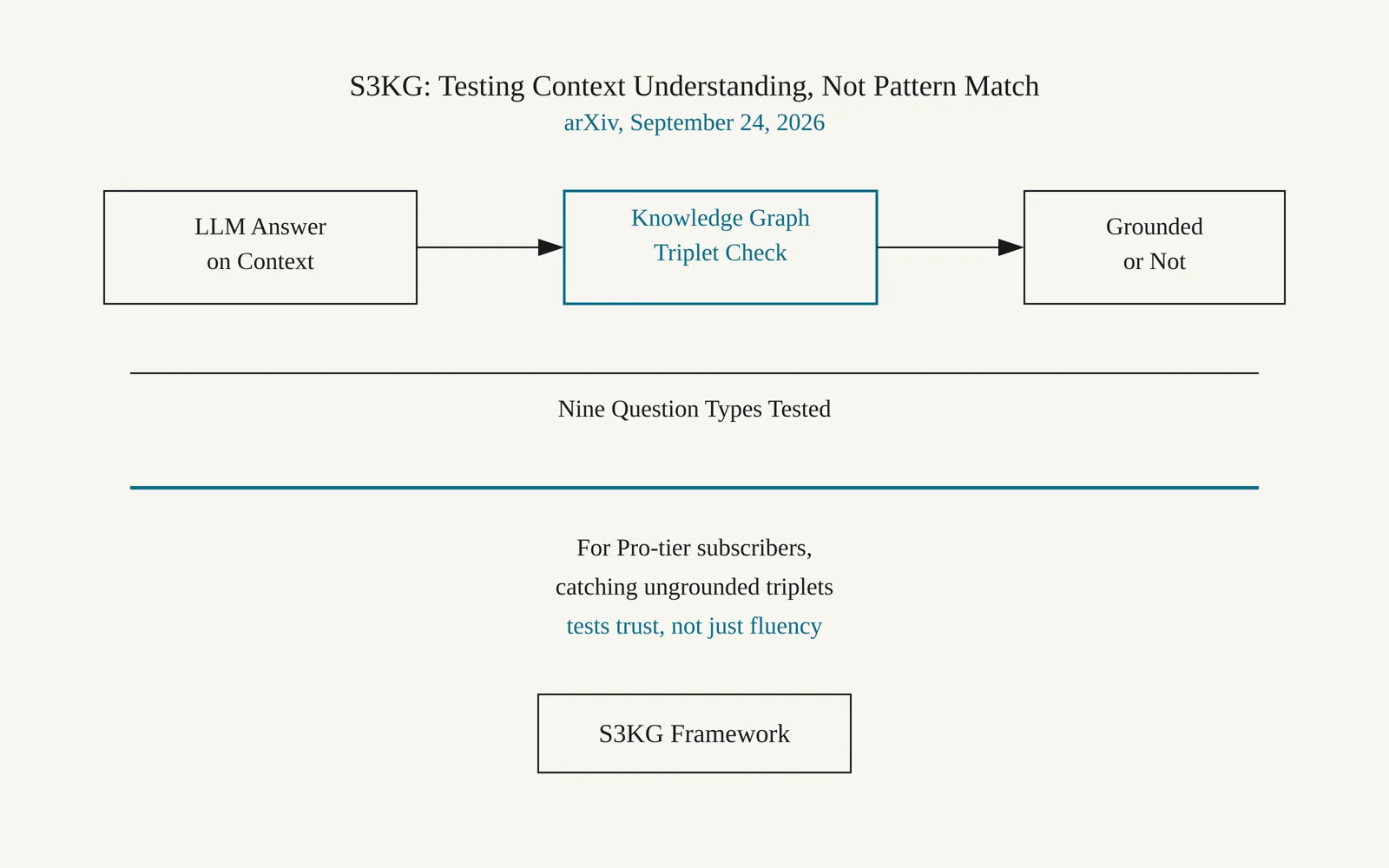
A new knowledge graph based evaluation framework tests whether large language models genuinely understand context, a question that bears directly on answer engines such as Perplexity.
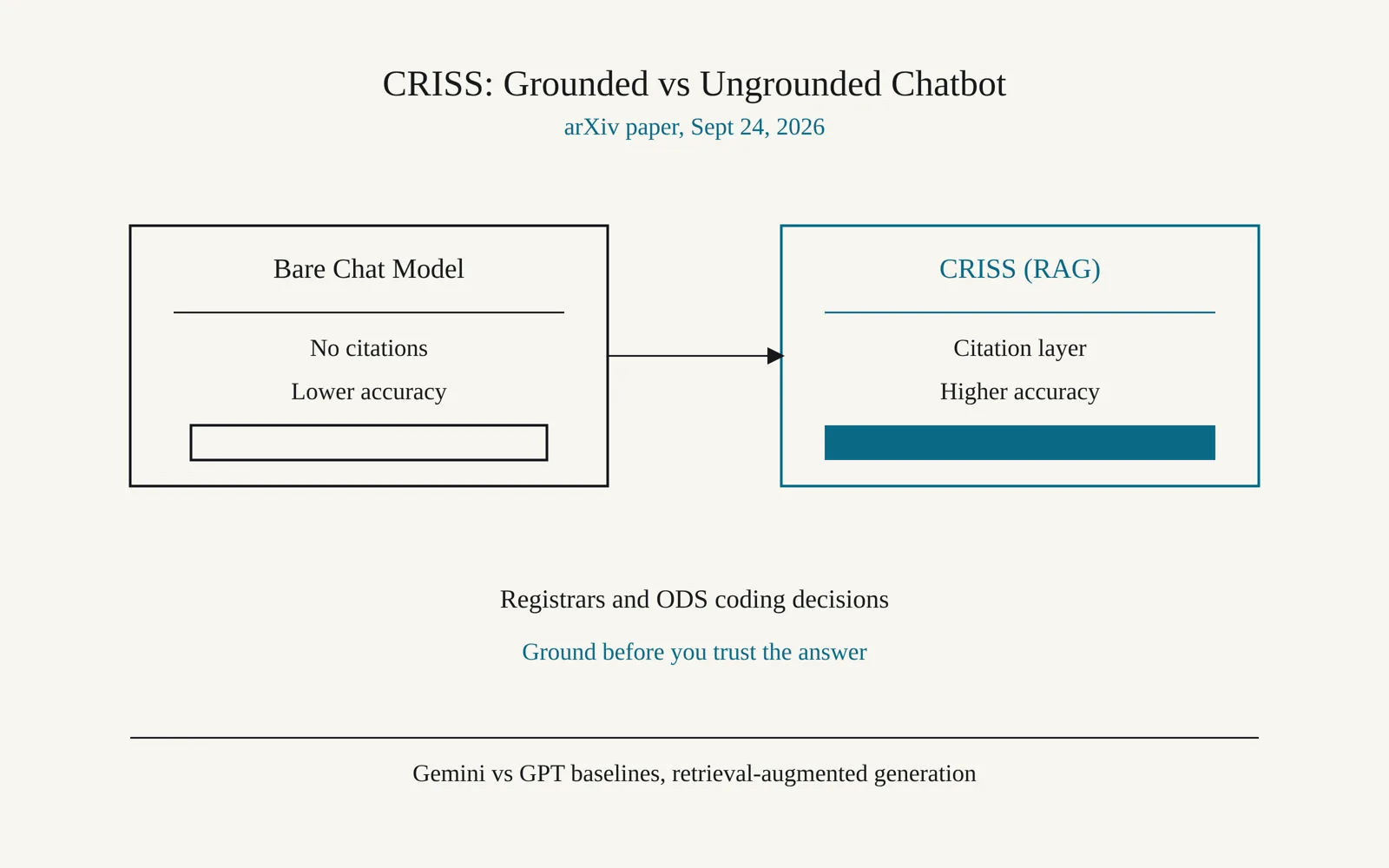
Researchers built CRISS, a retrieval-augmented chatbot for cancer registrars, and tested it using Google's Gemini models alongside GPT baselines on registry coding questions.
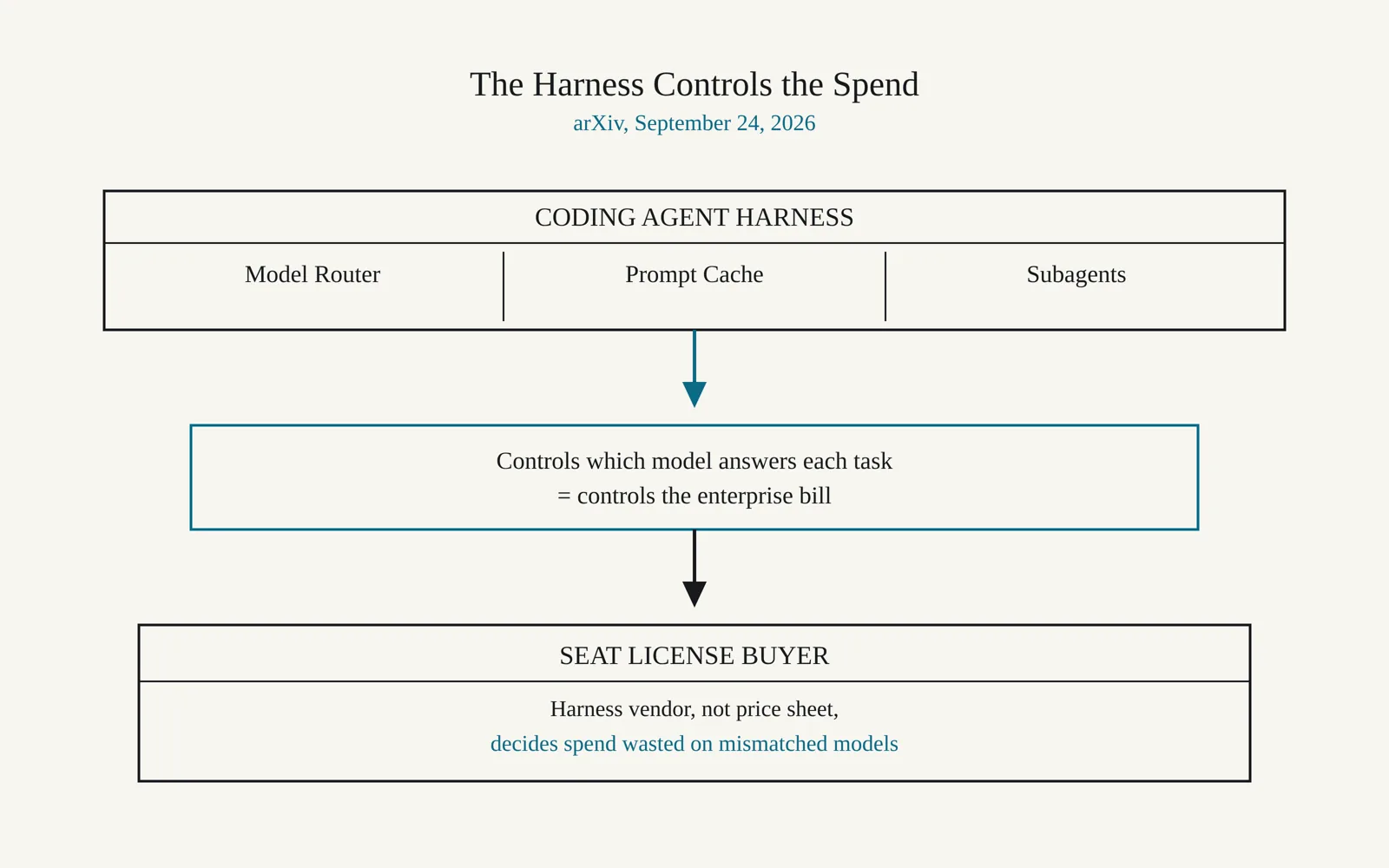
A new paper argues that the harness running a coding agent, not the model alone, sets what enterprises pay Anthropic and other vendors for tools like Claude Code.
This is a permanent listing in what changed in AI. Each item keeps its own page, source and dates. How the stream is made.