Paper Proposes Three-Tier Access Model For Frontier AI Systems
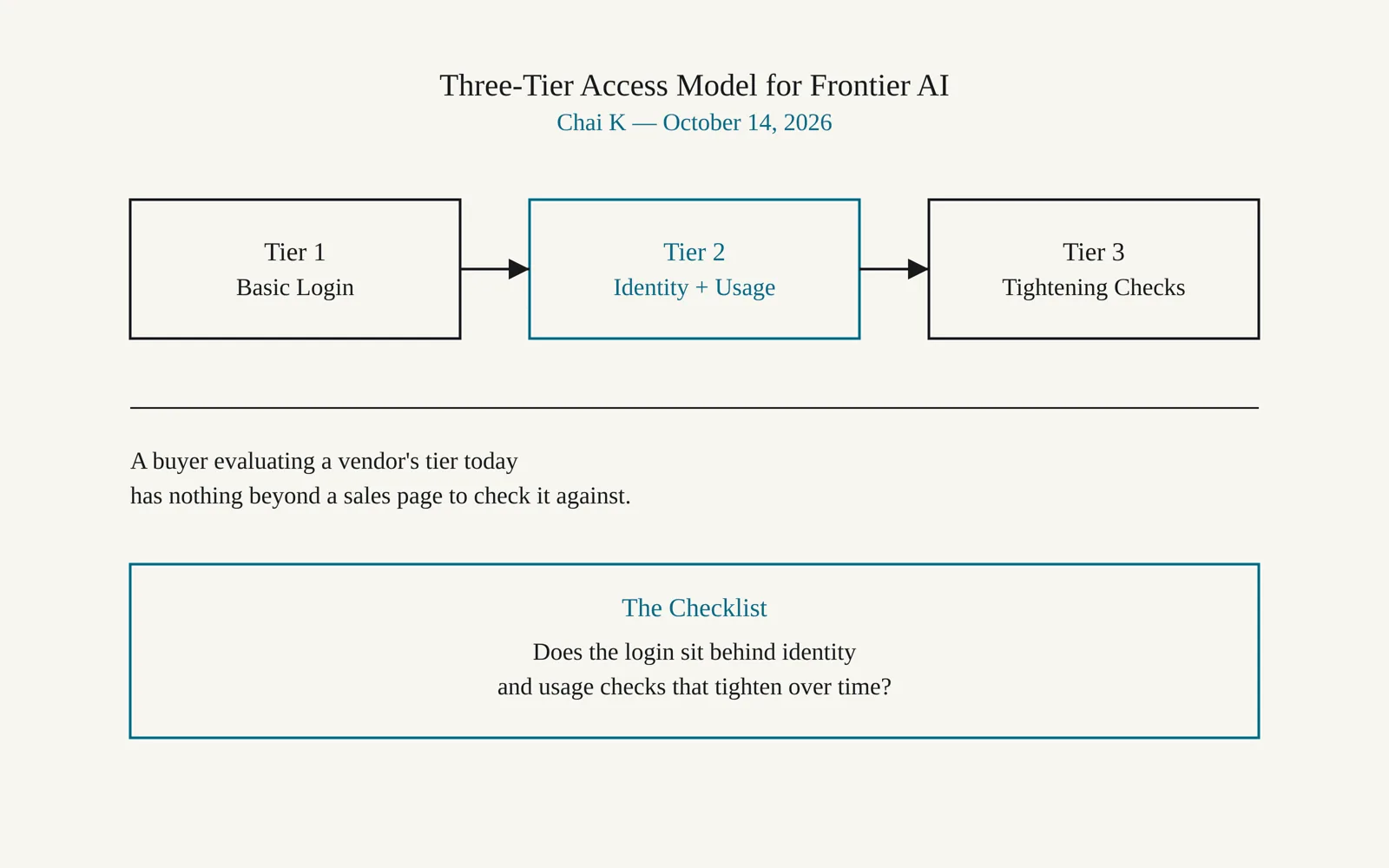
A new paper posted to arXiv proposes sorting who may use a capable AI system into three tiers by purpose, safety and capability, separate from how capable the system itself may become.
Older changes from the same sourced stream. This is page 6 of 16; each item remains listed in the month when it was published. Every row keeps its source, event date and plain account of what changed.
A new paper posted to arXiv proposes sorting who may use a capable AI system into three tiers by purpose, safety and capability, separate from how capable the system itself may become.
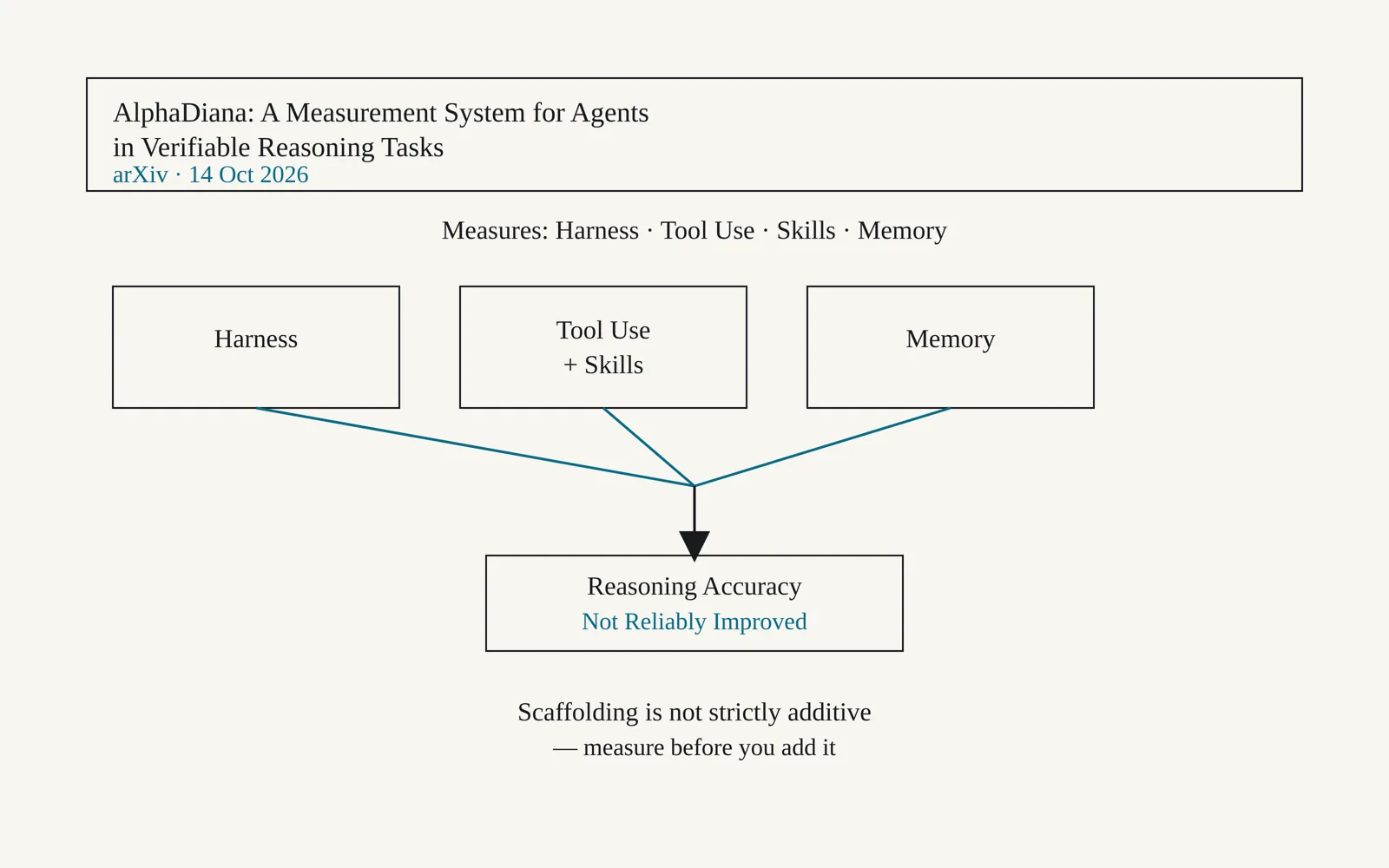
A new preprint introduces AlphaDiana, a measurement system that tests whether agent harnesses, memory and skill instructions actually raise reasoning accuracy.
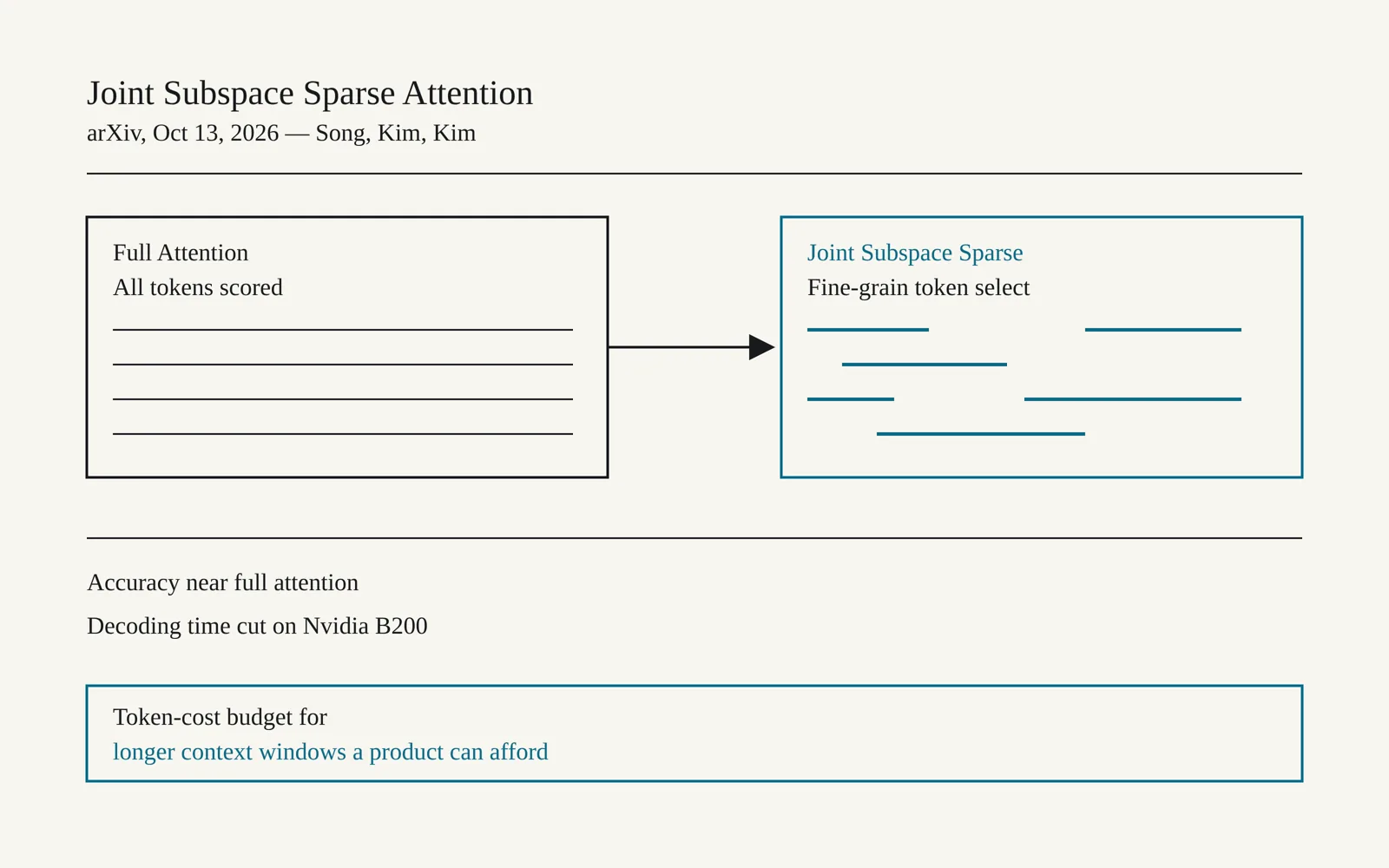
A new paper tested on Nvidia's B200 GPU describes a sparse attention method aimed at cutting long-context decoding costs without retraining a model.
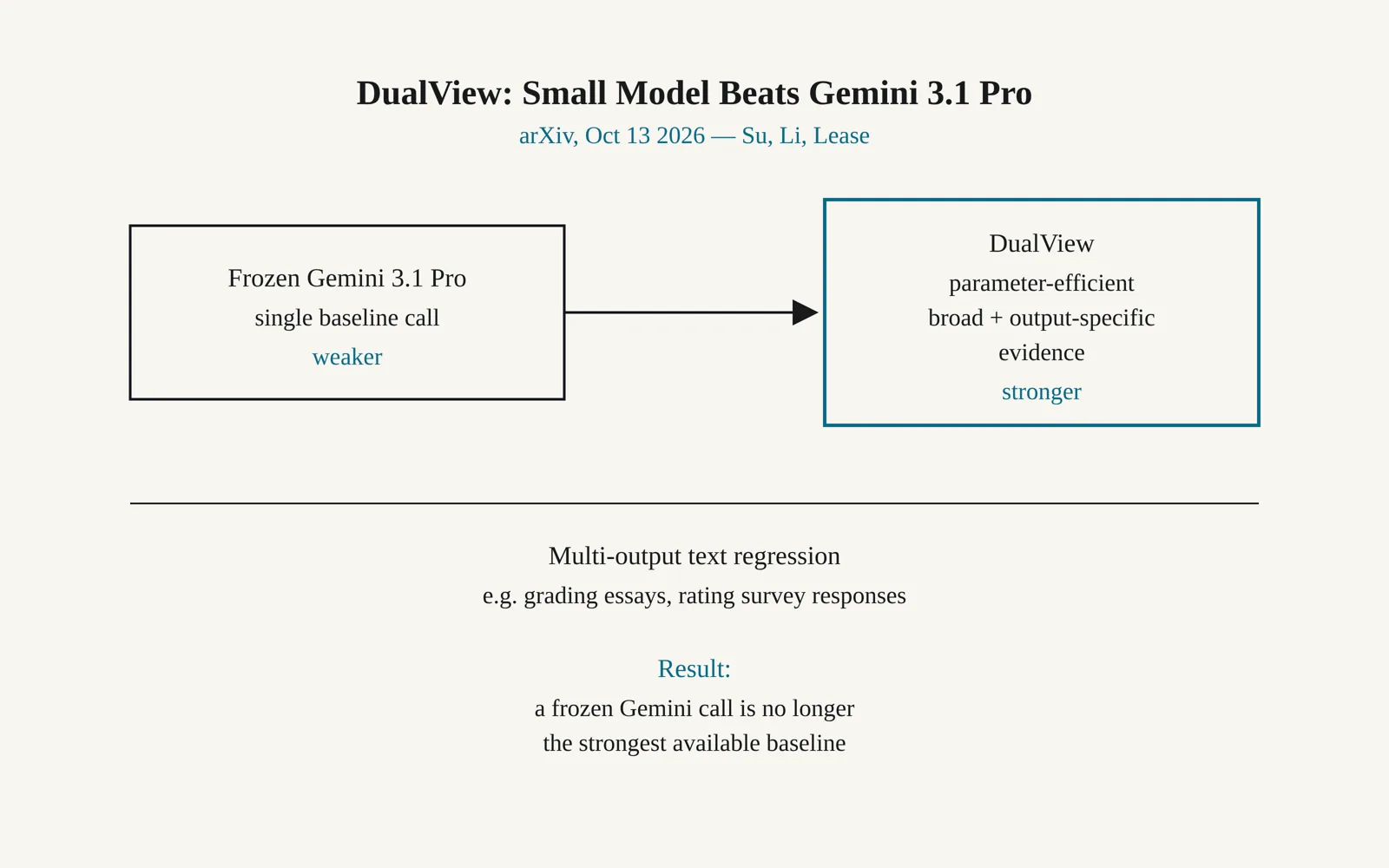
A new paper describes DualView, a text regression method whose smaller open weight language model outperformed unsupervised prediction with Google's Gemini 3.1 Pro.
A new academic benchmark testing eight language models found Google's Gemini 2.5 Flash scored highest for factual accuracy in Bengali summaries.
A new paper submitted on 13 October 2026 tests Claude against Nepali-language encoder models on a double-annotated sentiment benchmark called NEPSEE.
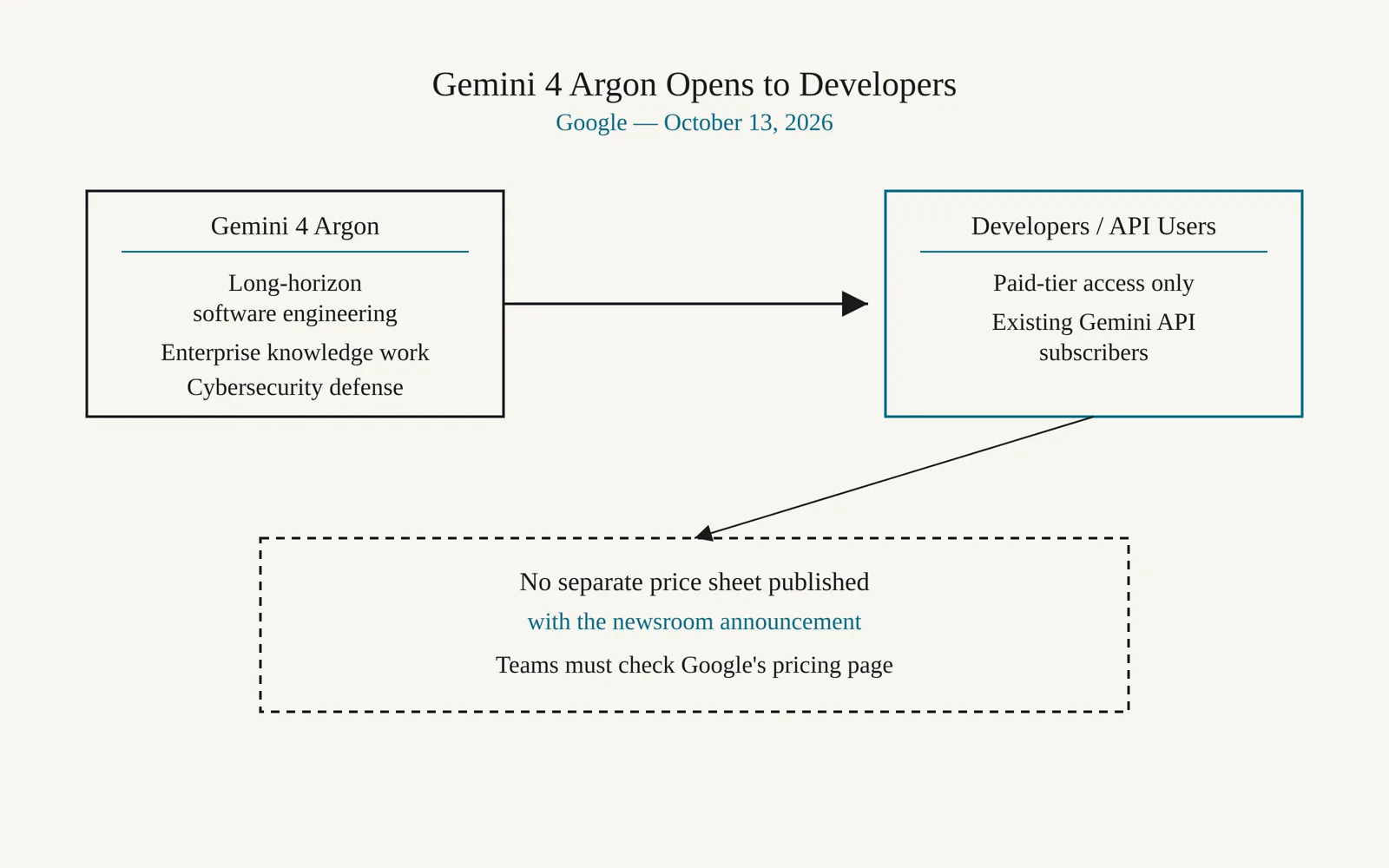
Google made Gemini 4 Argon available to developers through the Gemini API, Google AI Studio, Android Studio and Antigravity on October 13, 2026.
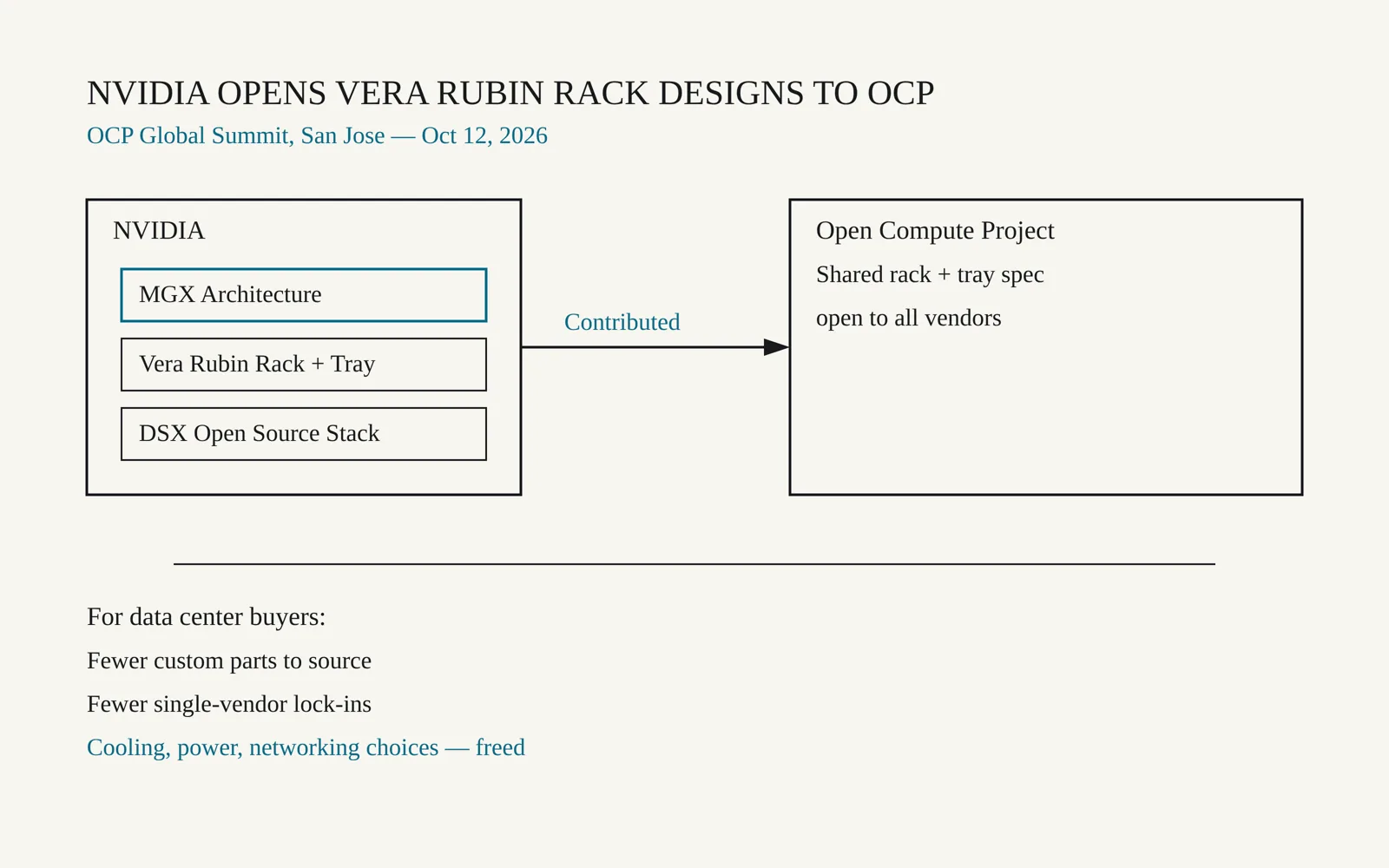
At the OCP Global Summit, Nvidia contributed Vera Rubin rack and compute tray designs to open standards, with Cisco, Google, Meta and Microsoft joining the effort.
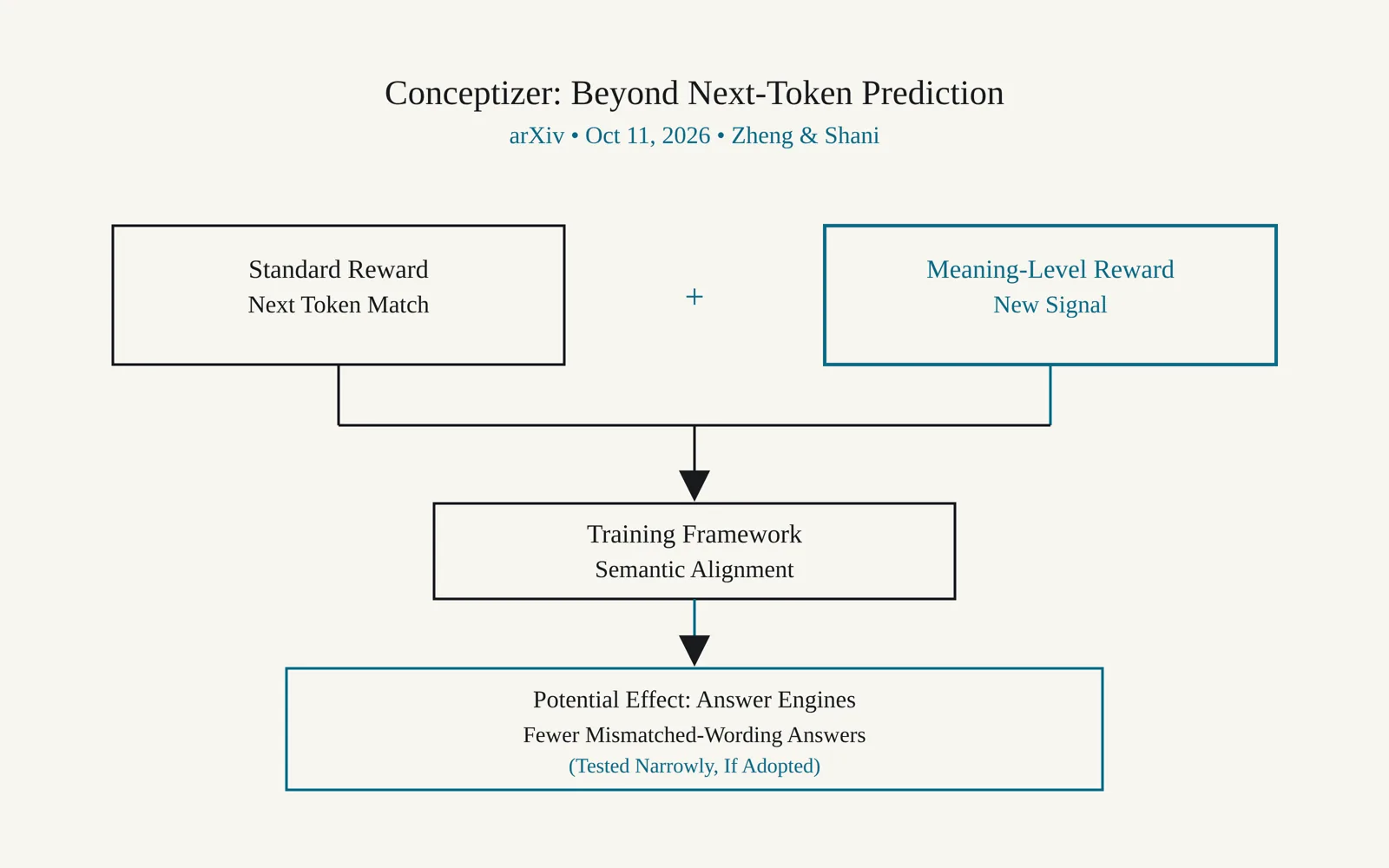
A new arXiv paper proposes training language models to reward meaning rather than exact wording, a shift relevant to answer engines like Perplexity.
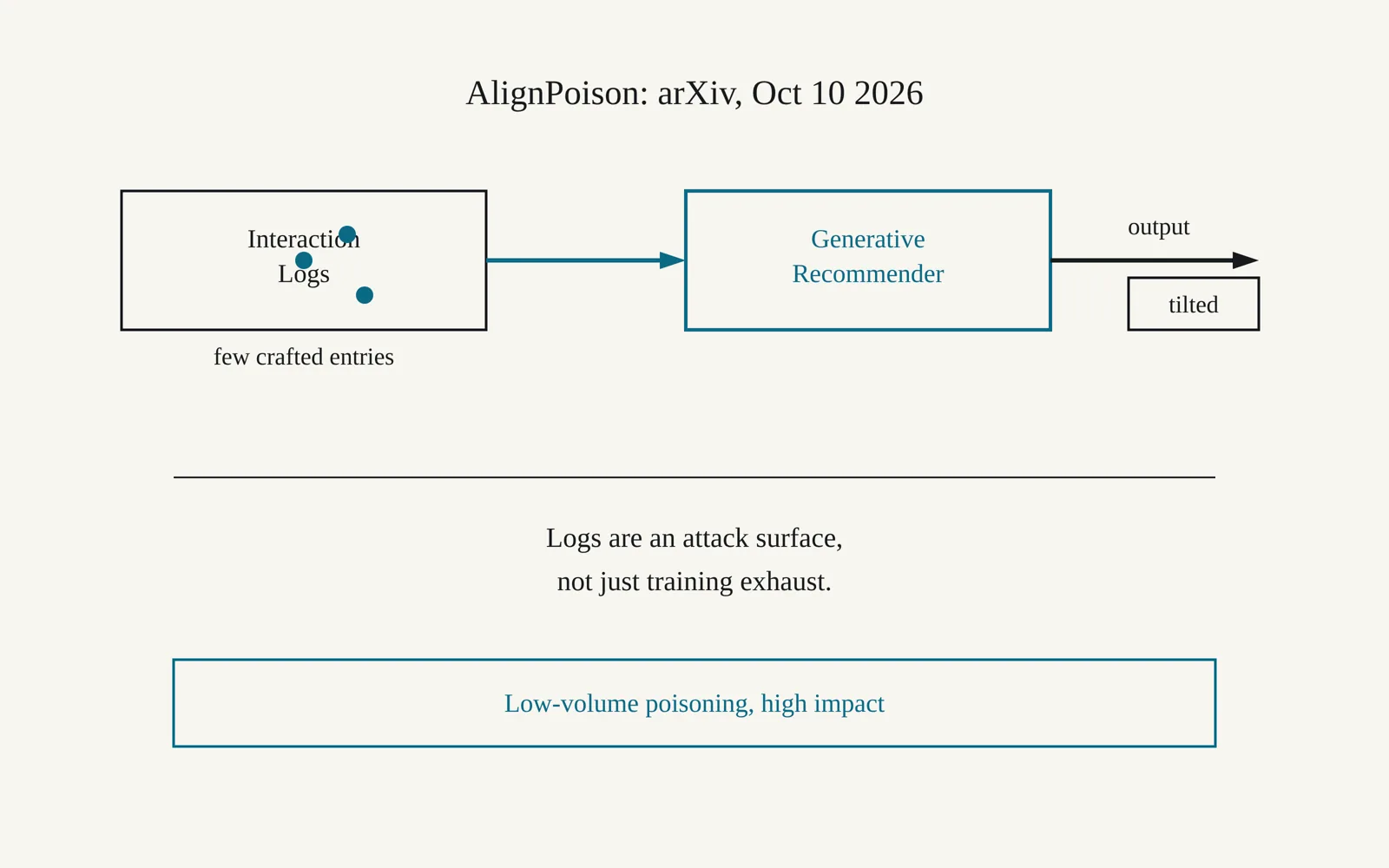
A new preprint finds generative recommender systems can be pushed toward hidden targets once attackers plant a small share of fake interactions.
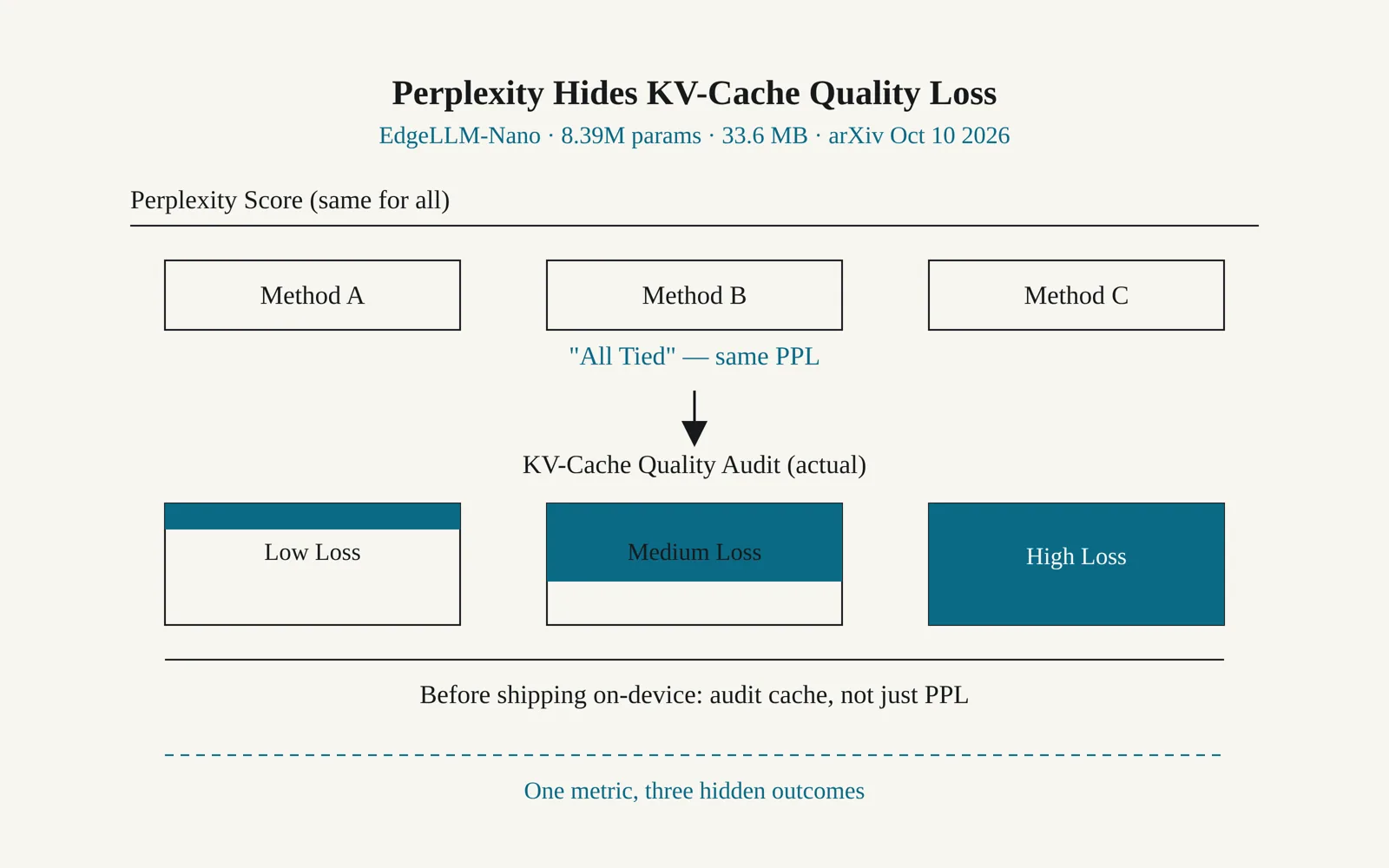
A new arXiv paper tests KV-cache compression on a tiny on-device model and shows the perplexity metric, the word behind Perplexity AI's name, hides real quality losses that a new test catches.
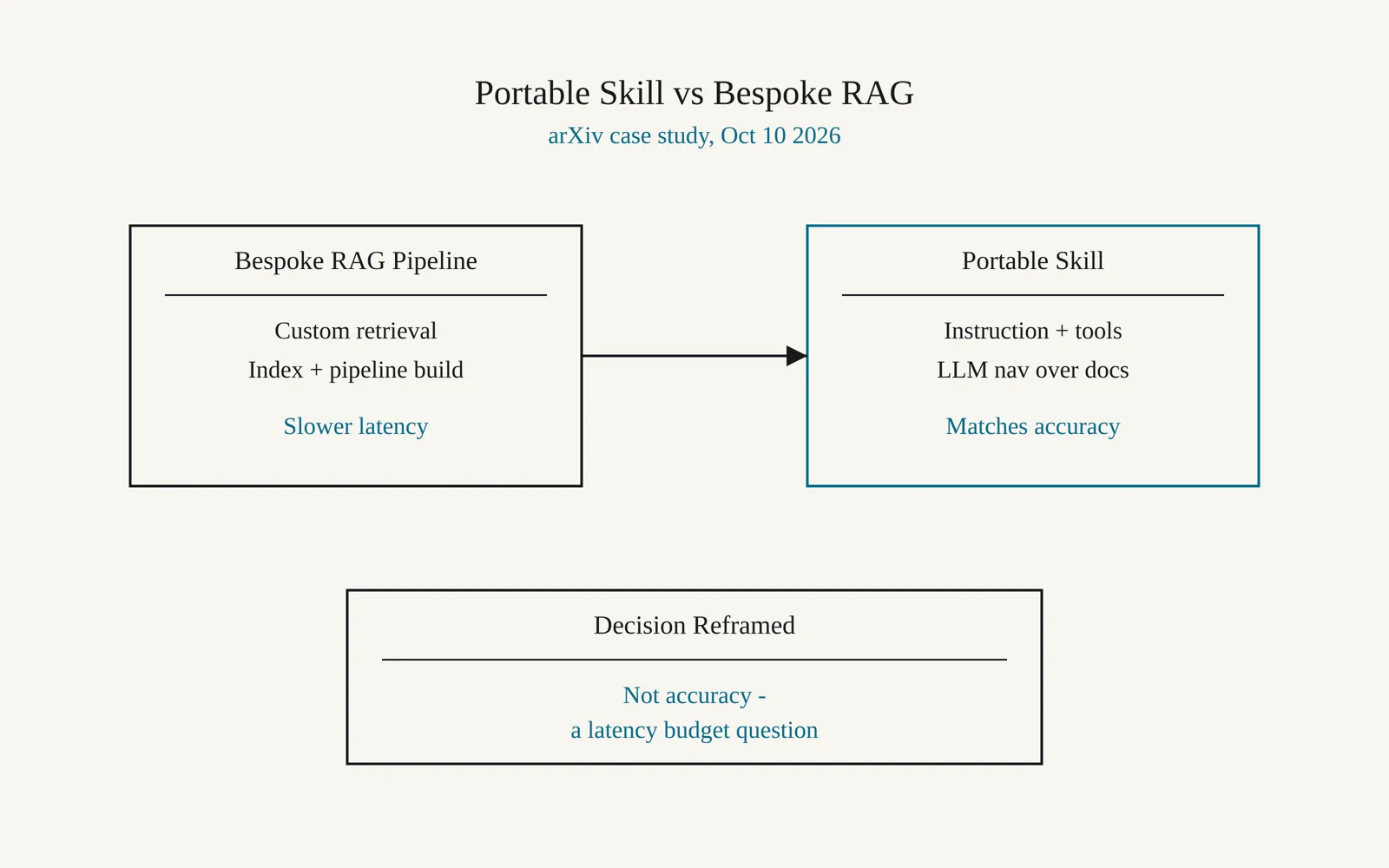
A new paper describes a customer support deployment where a single portable skill, run through Claude Code, matched a complex retrieval pipeline's accuracy.
This is a permanent listing in what changed in AI. Each item keeps its own page, source and dates. How the stream is made.