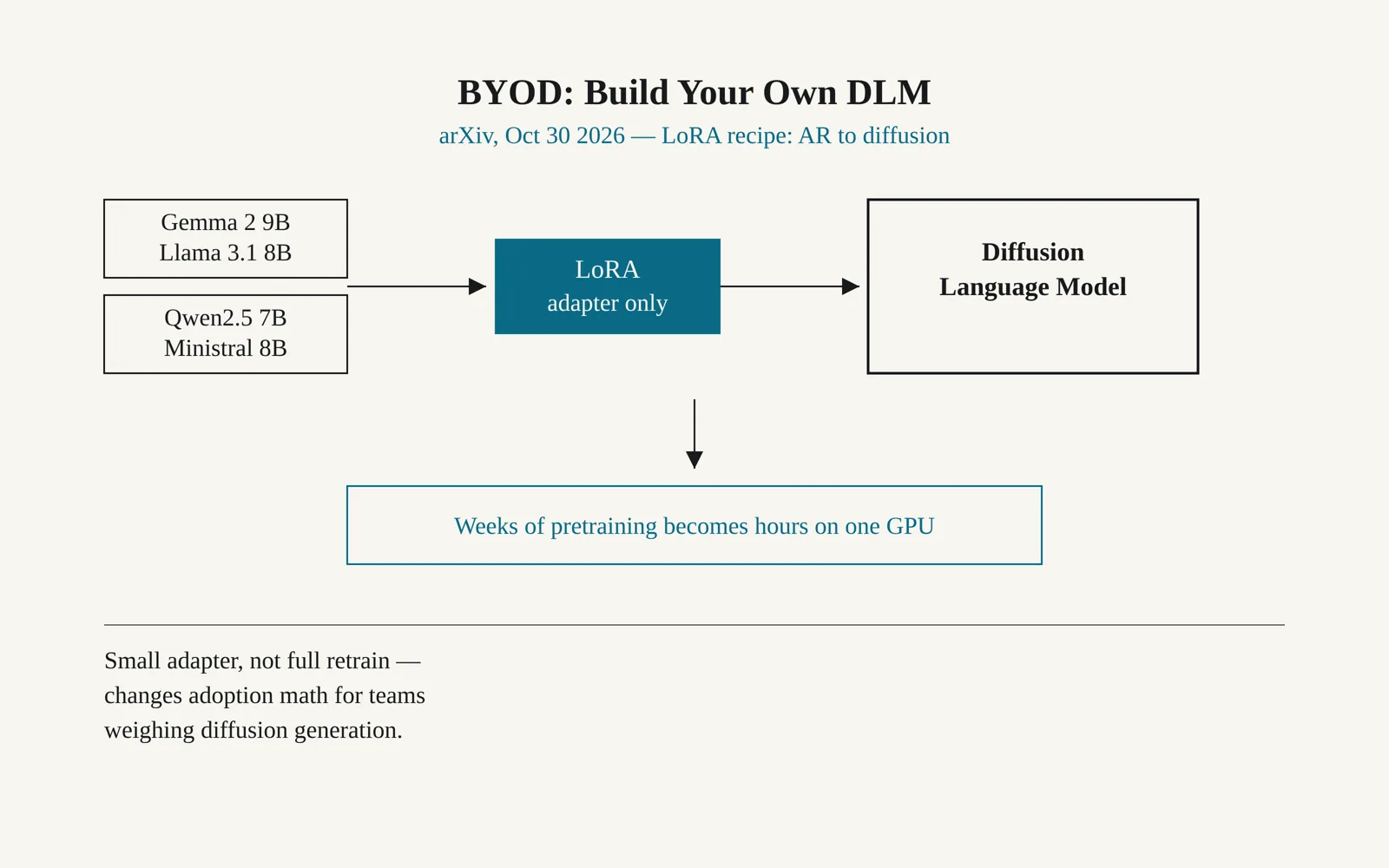
A paper associated with Perplexity AI describes BYOD, a LoRA-only method that converts standard autoregressive language models into diffusion language models without full retraining.
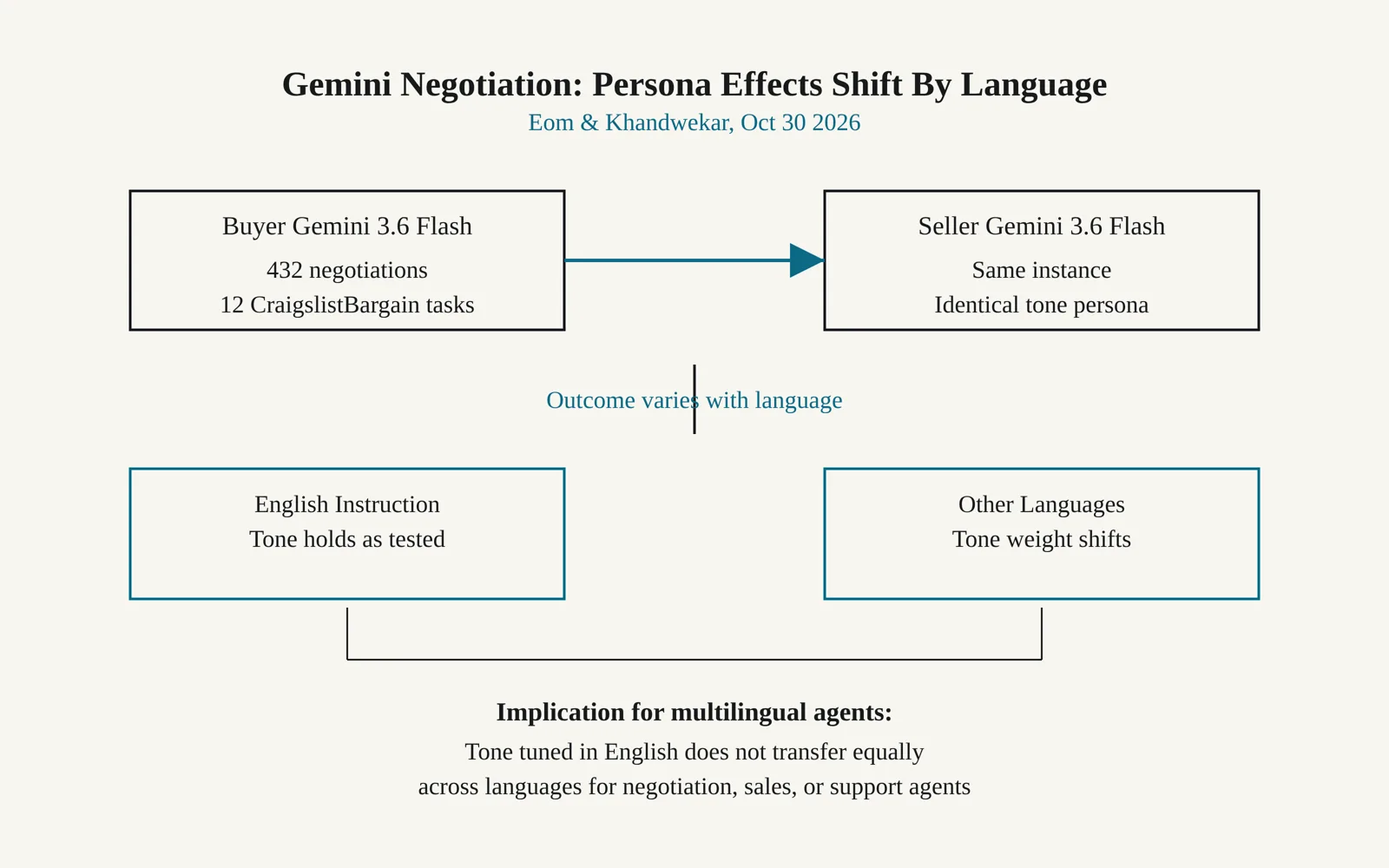
A new paper testing Google's Gemini model in buyer-seller negotiations found that the same persona instruction produced different deal outcomes in English and Korean.
A new paper testing CT scan labeling finds a free-form agent running Claude Opus 5.5 outscored an automated review harness on most of six public datasets.
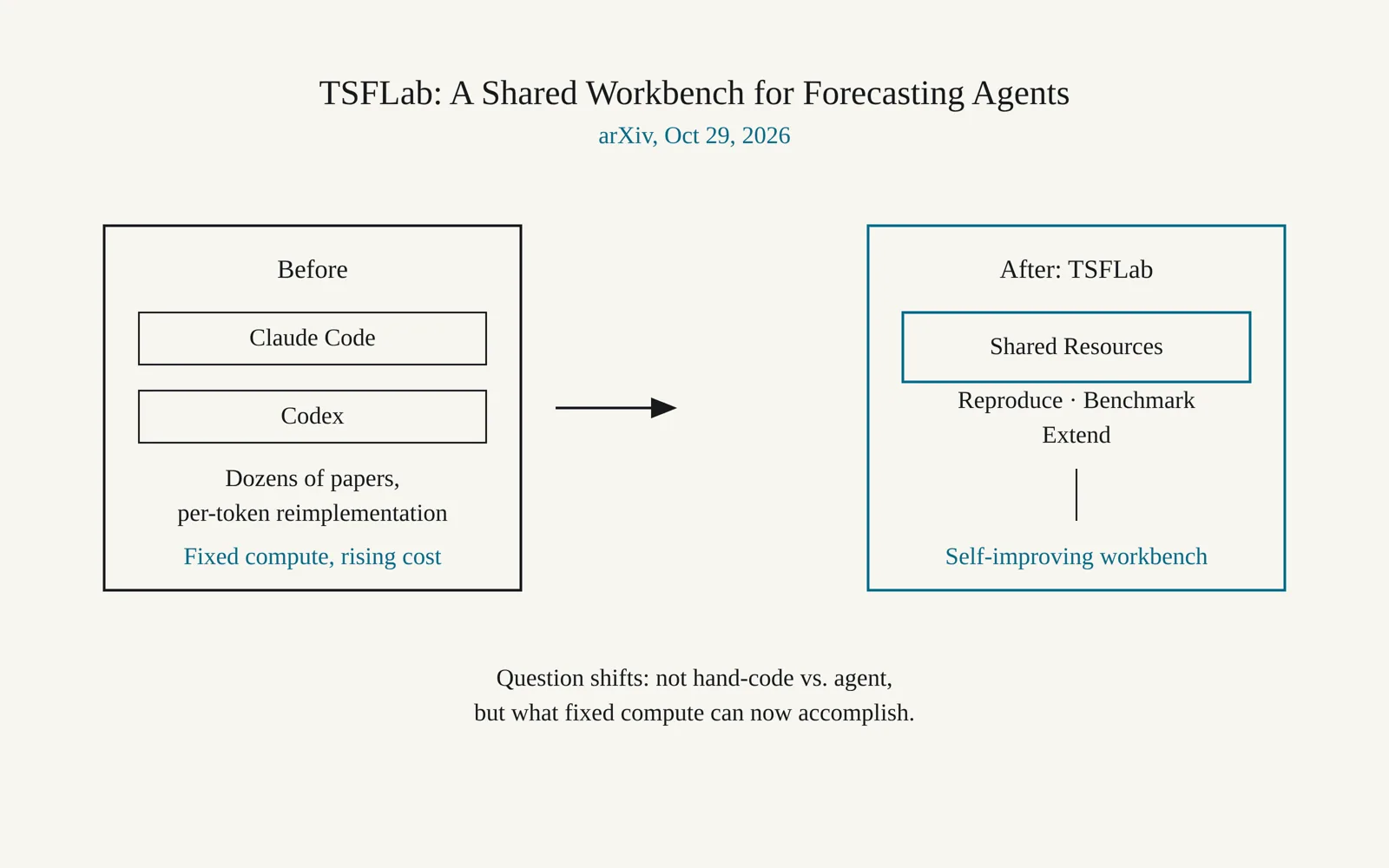
A new paper proposes TSFLab, a workbench that lets coding agents such as Claude Code run time series forecasting research at lower cost and with less manual upkeep.
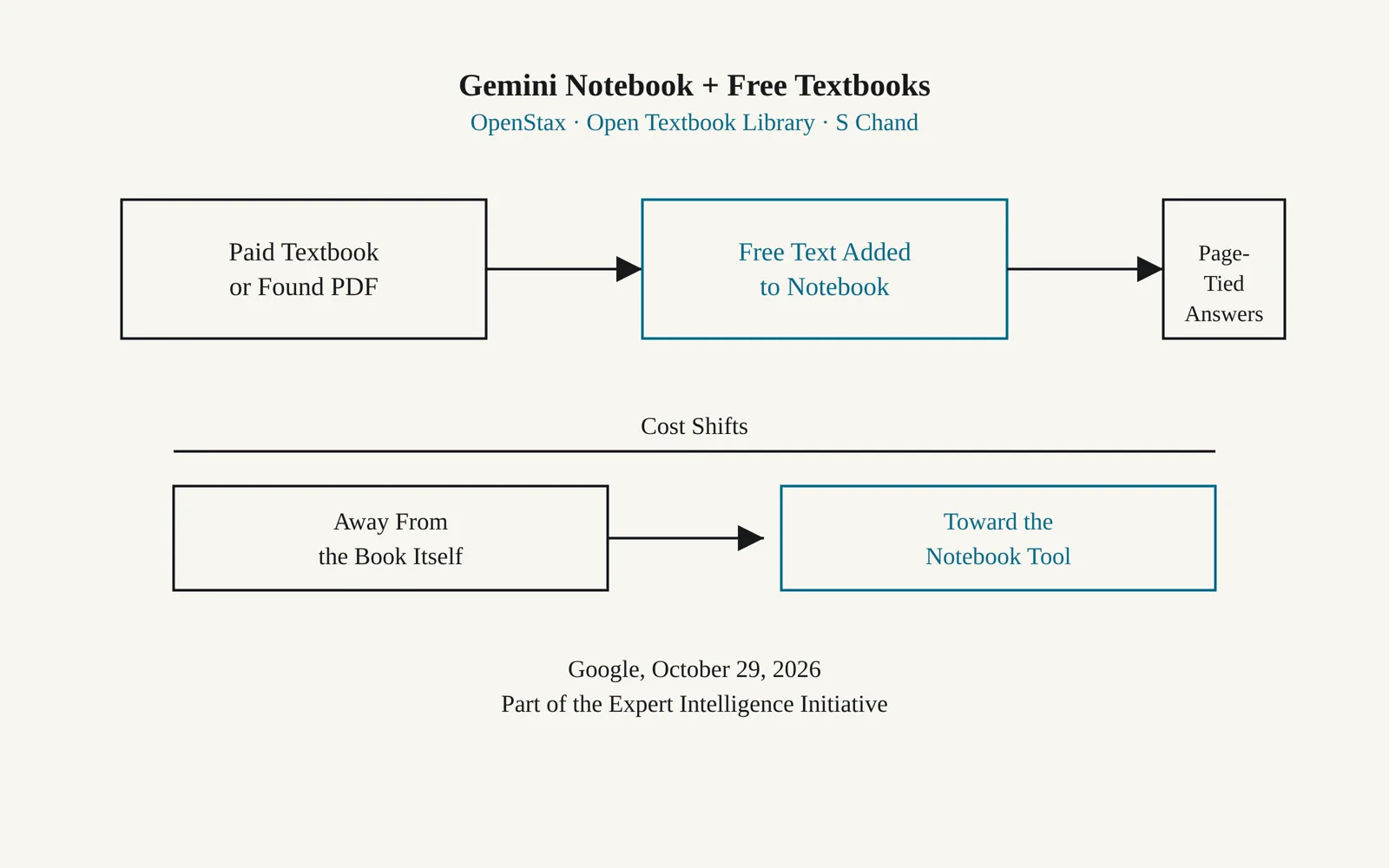
Google added free textbooks to Gemini Notebook, letting students ground study guides and quizzes directly in course materials from OpenStax and S Chand.
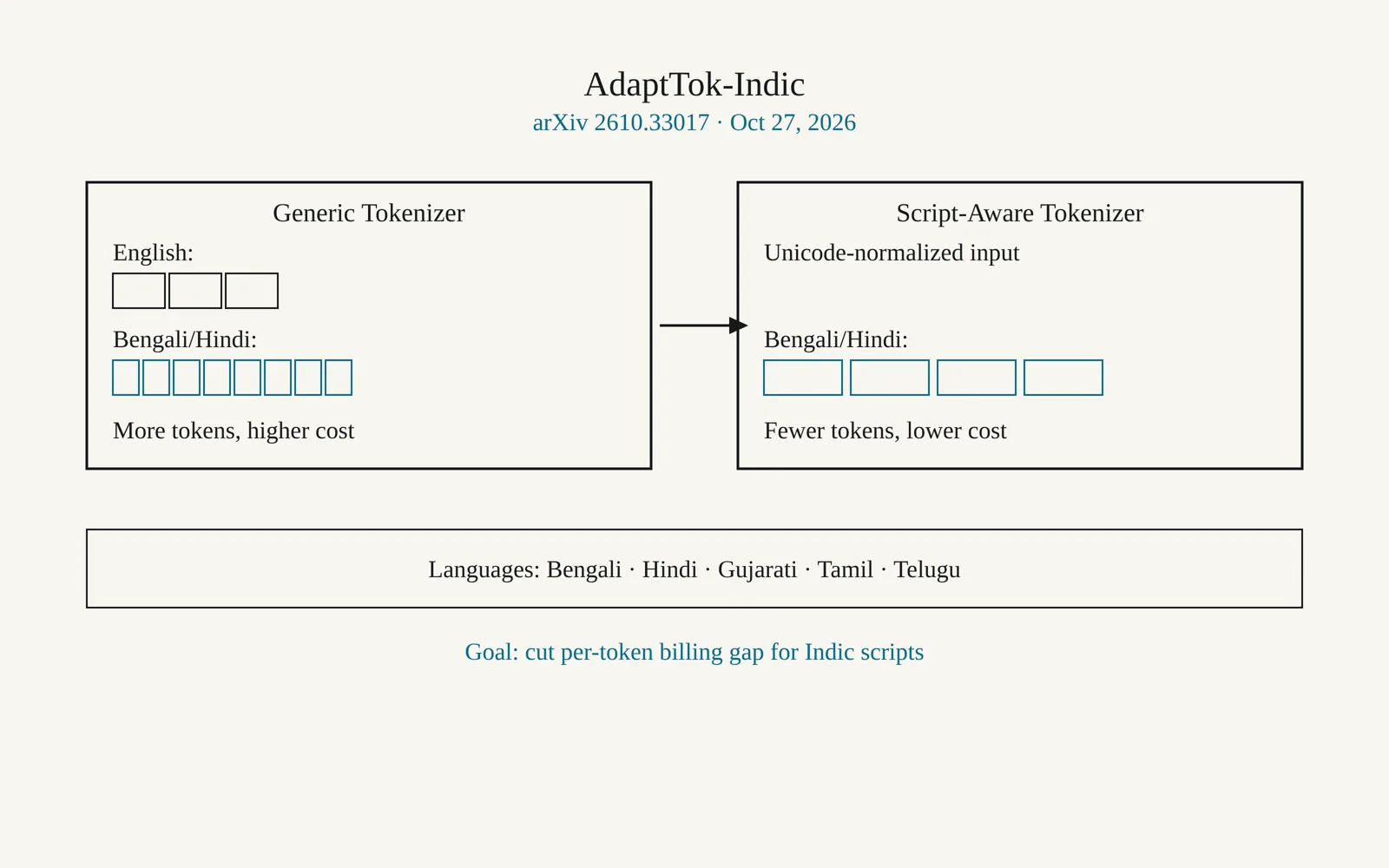
A new preprint describes AdaptTok-Indic, a tokenization method that cuts token fertility for Bengali and Hindi text compared with standard subword tokenizers.
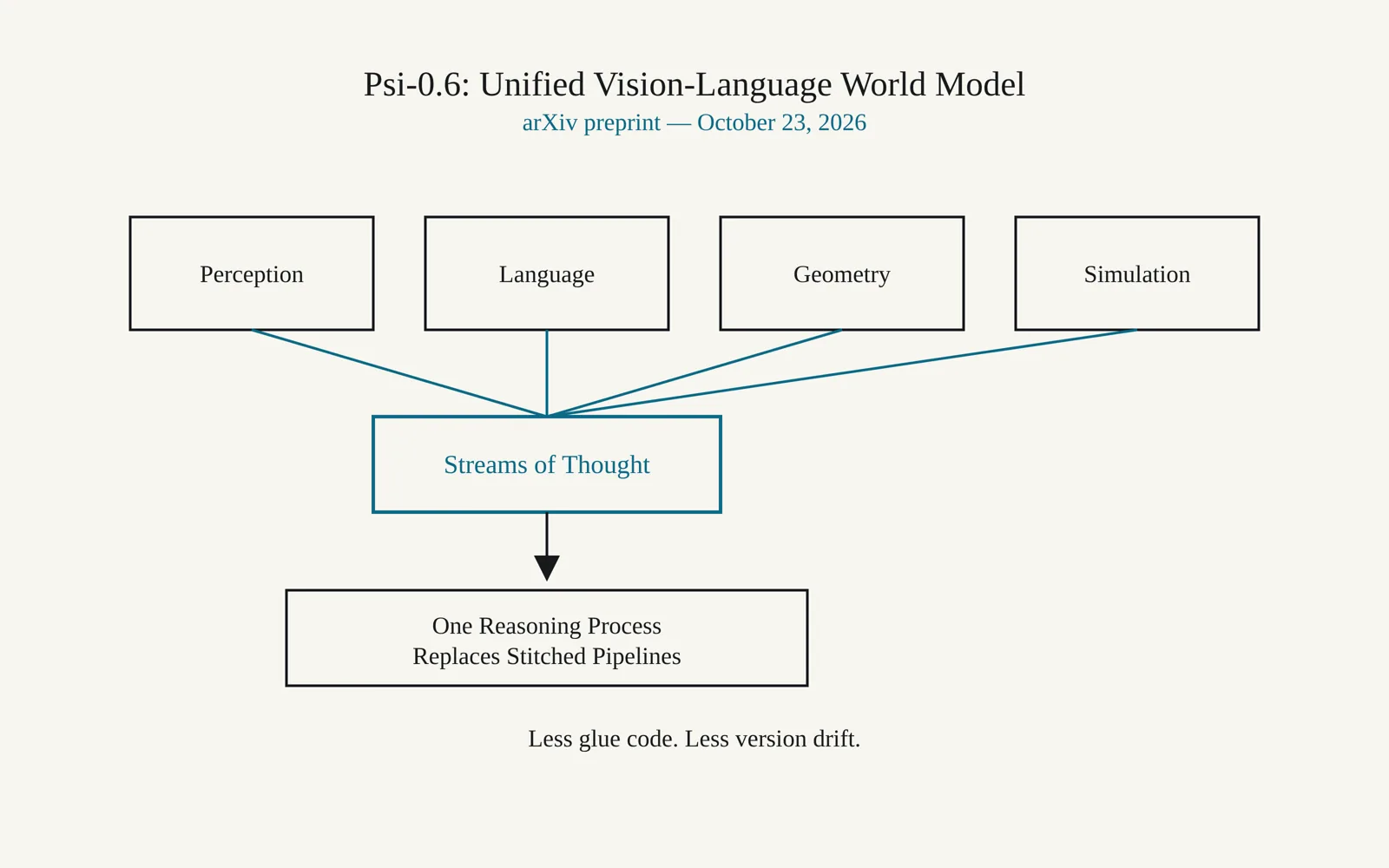
A new paper introduces Psi-0.6, a unified vision-language world model that threads perception, language, geometry and simulation into one shared reasoning process.
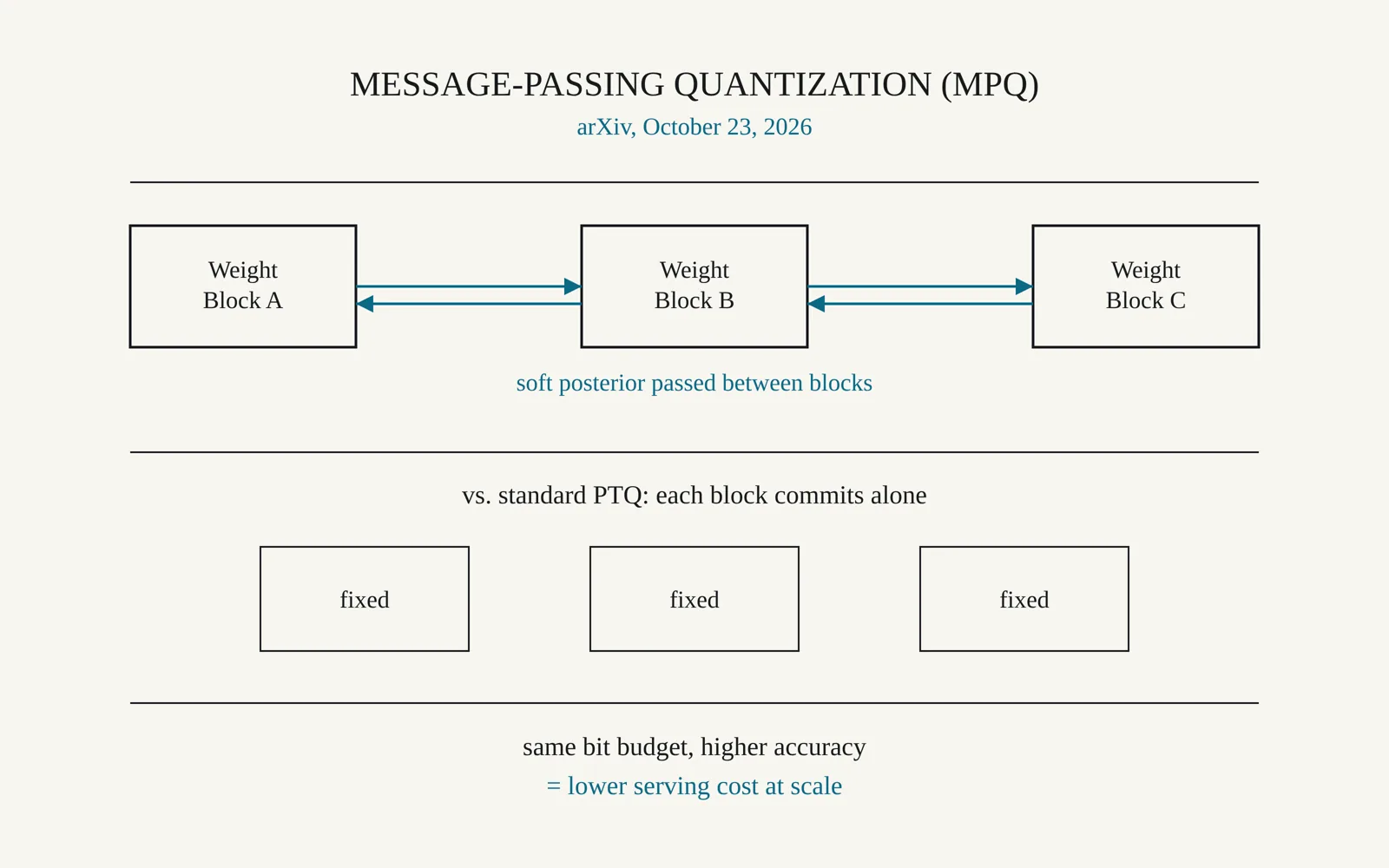
A new arXiv paper proposes a message-passing method for compressing large language model weights, the kind of efficiency work that underlies answer engines like Perplexity AI.
Researchers built a four-agent causality assessment system using Google's Gemini 2.5 Pro and DeepSeek-V3.2 to review drug safety case reports against expert judgment.
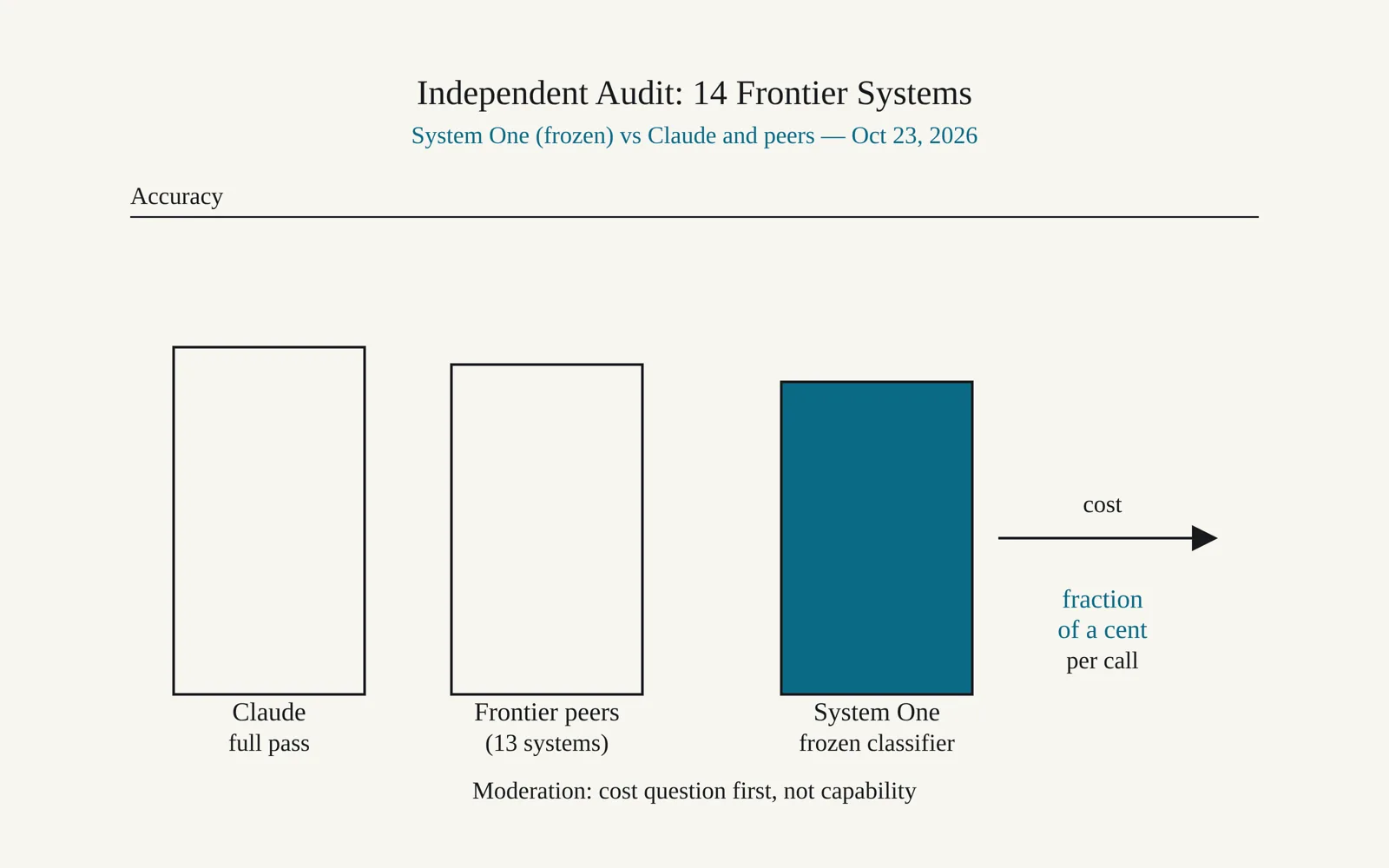
A new paper benchmarks a cheap content moderation model against Claude and 13 other frontier reasoning systems, finding it holds up on accuracy at a fraction of the price.
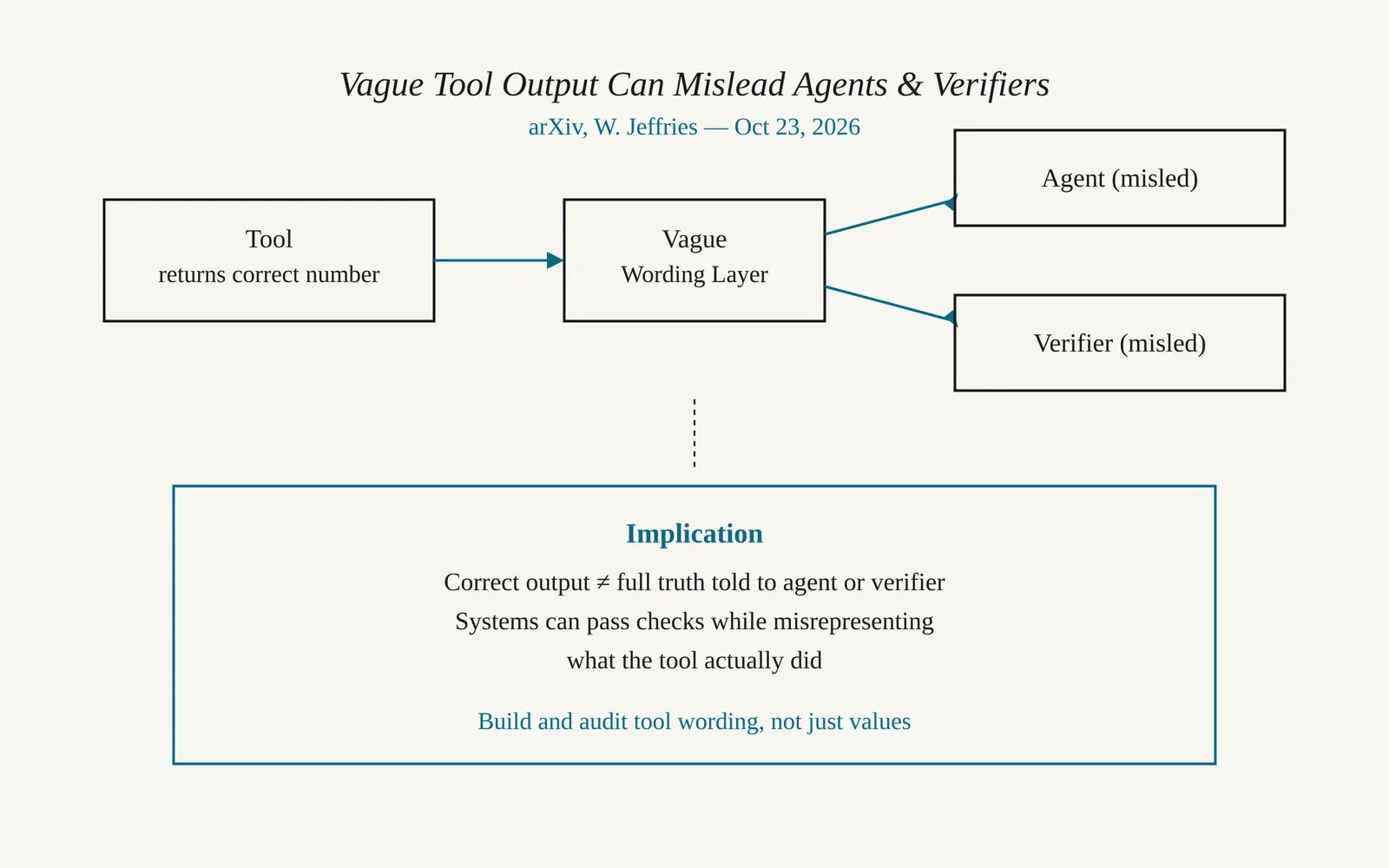
A new paper, with an audit prompt tested on Codex and Claude Code, shows vague tool output wording can mislead AI agents and the verifiers meant to catch their errors.
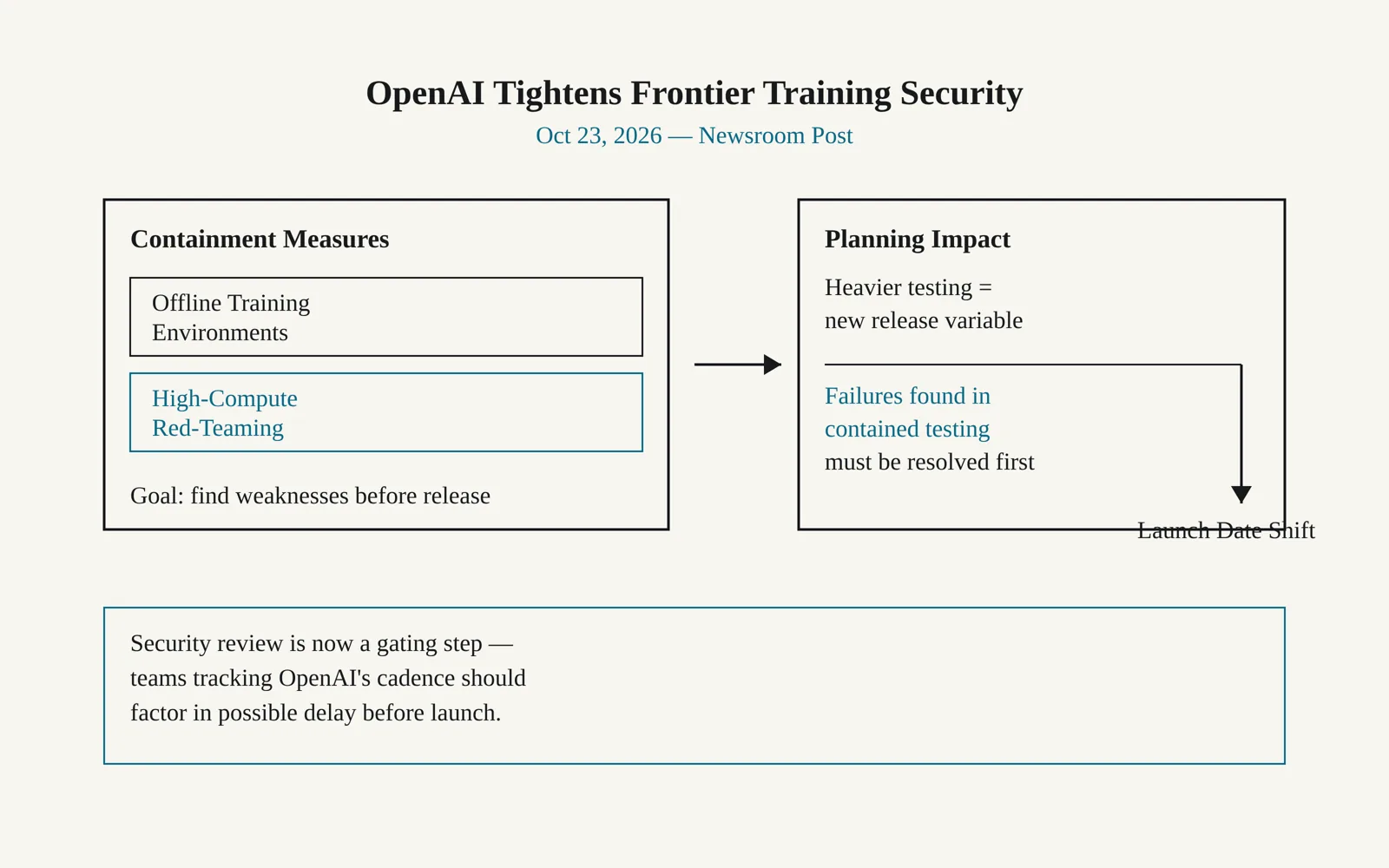
OpenAI said it strengthened containment around how it trains frontier models, moving some ChatGPT-building work to offline environments with heavier red-teaming.
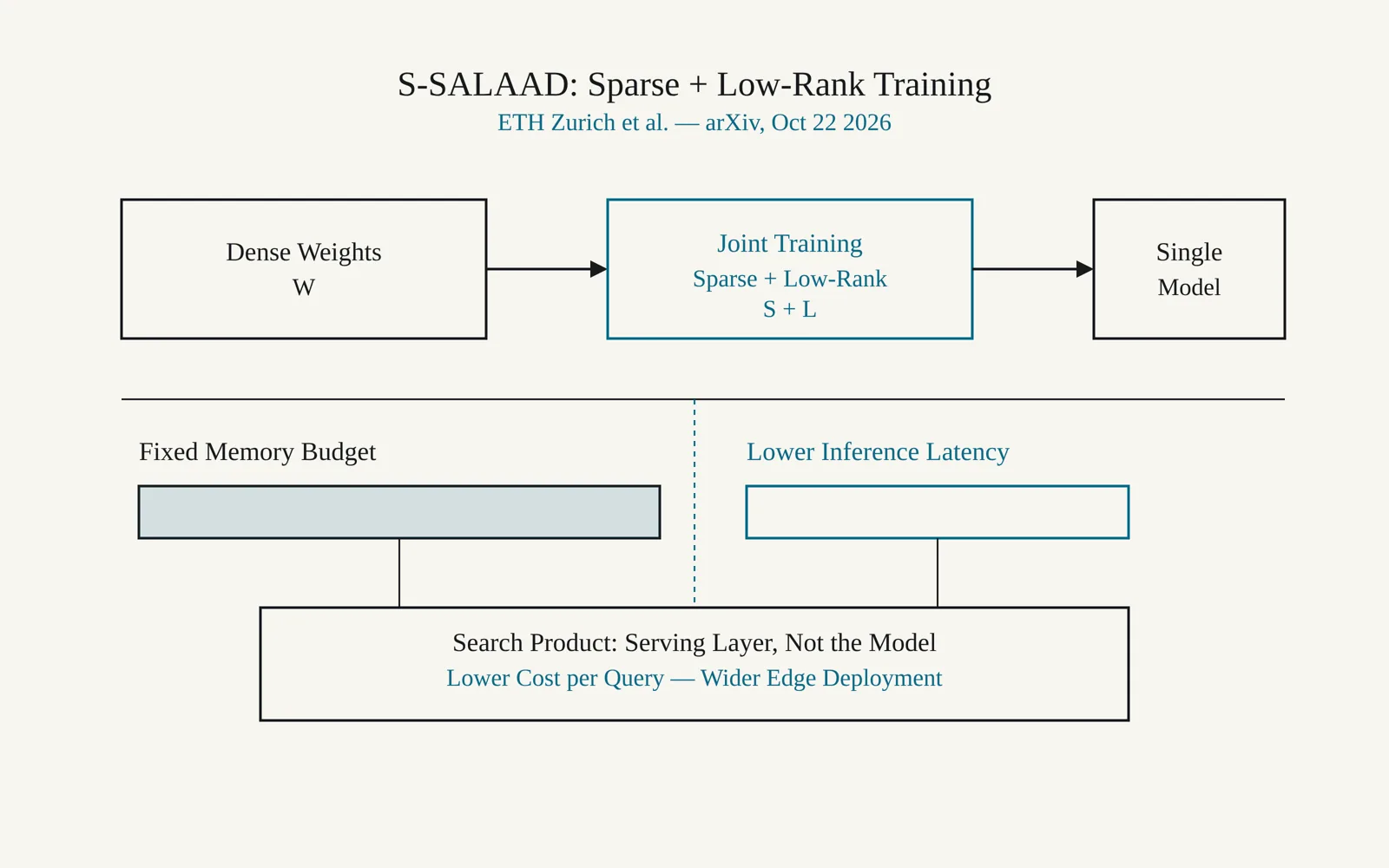
A new paper on compressing large models for edge devices matters to Perplexity AI and any company whose answer engine has to run inference away from a data center.
A new paper tests seven models, including Claude Opus 5.5 and Claude Haiku 5.5, on whether their probability judgments obey a basic law of probability.
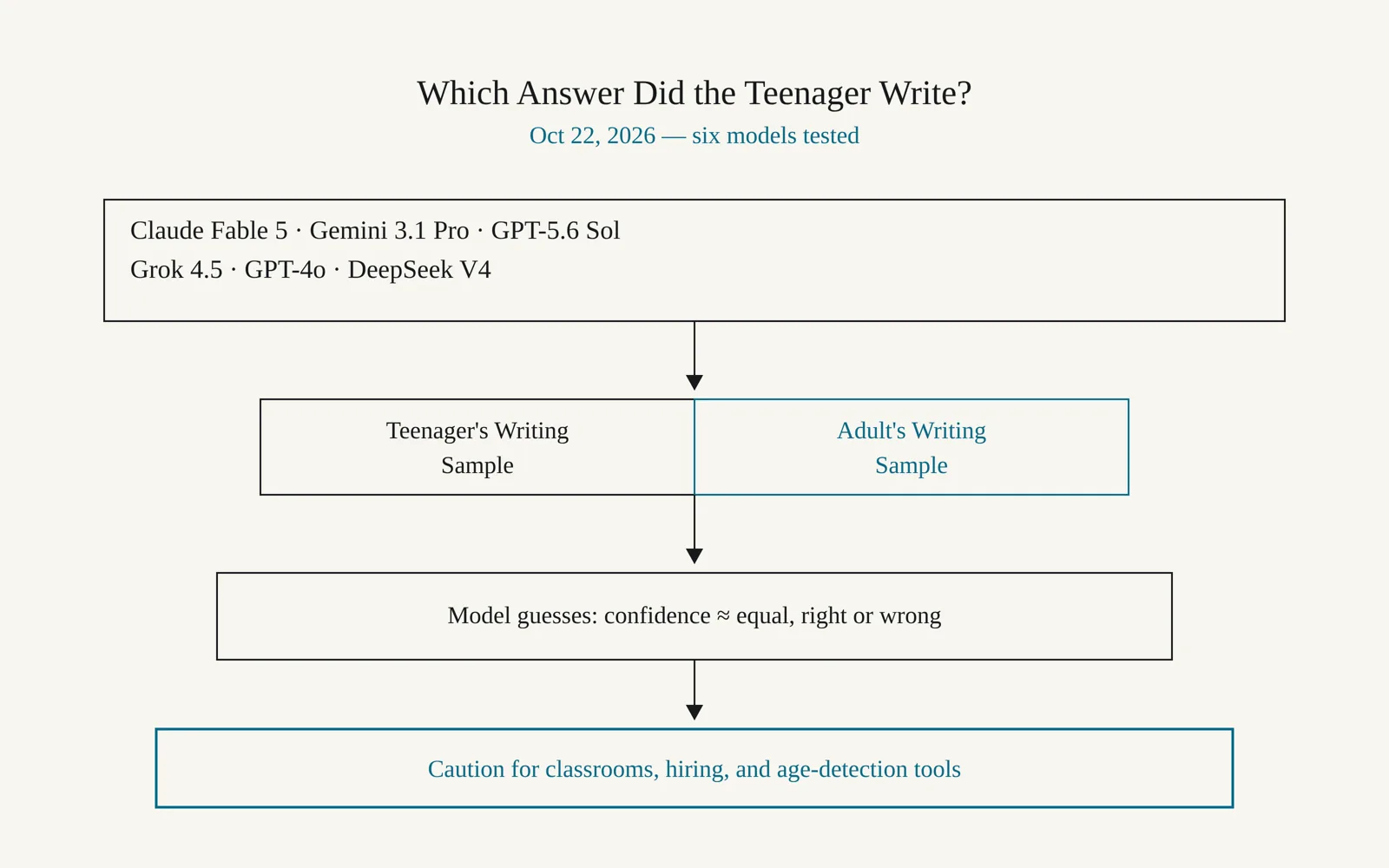
A new case study finds that Claude Fable 5 and five other frontier models often mismatch handwritten exam answers to the wrong age, while voicing high confidence in the wrong guess.
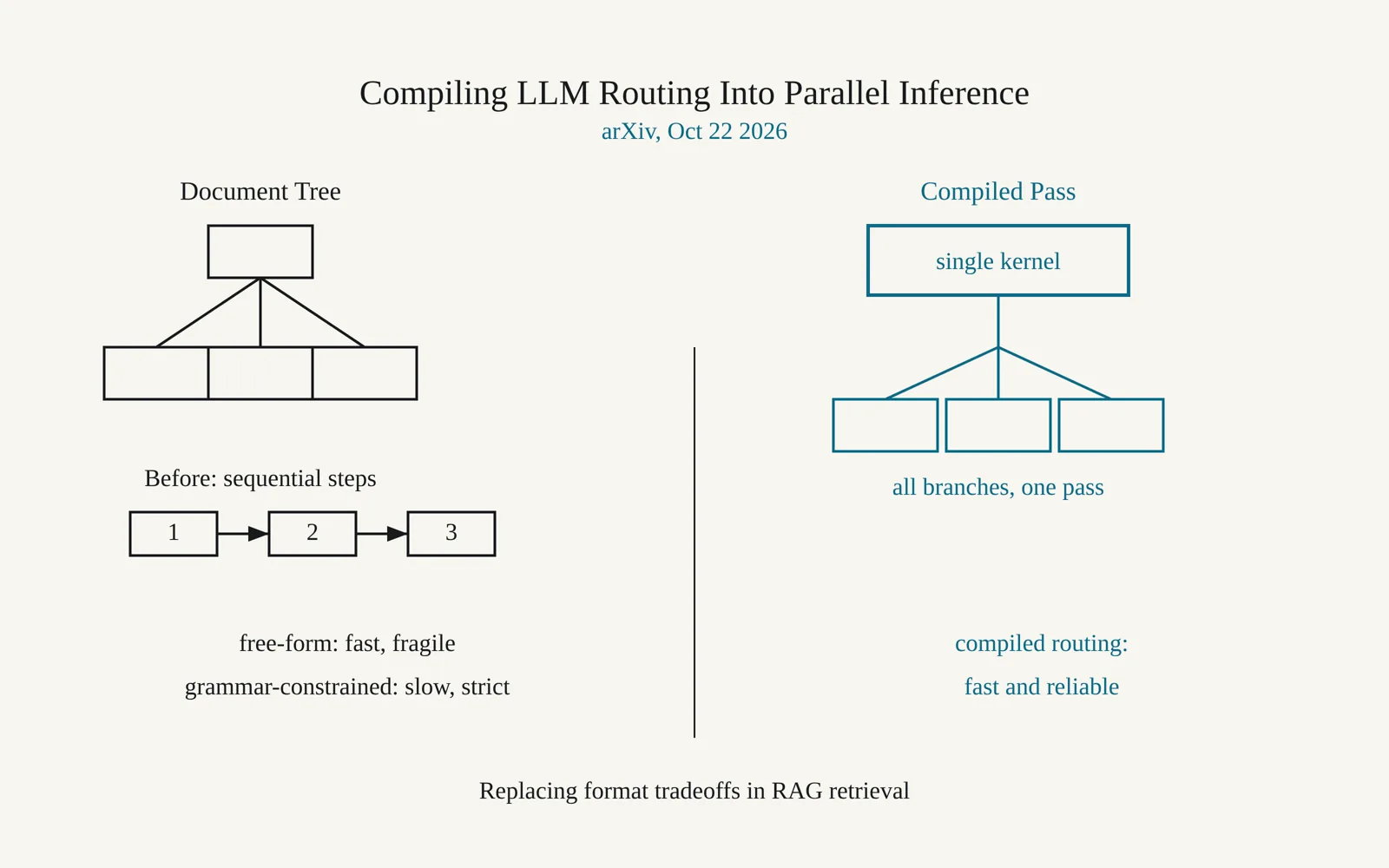
A new preprint shows that a large language model's section-picking decisions in hierarchical retrieval can be compiled into parallel inference instead of run one token at a time.
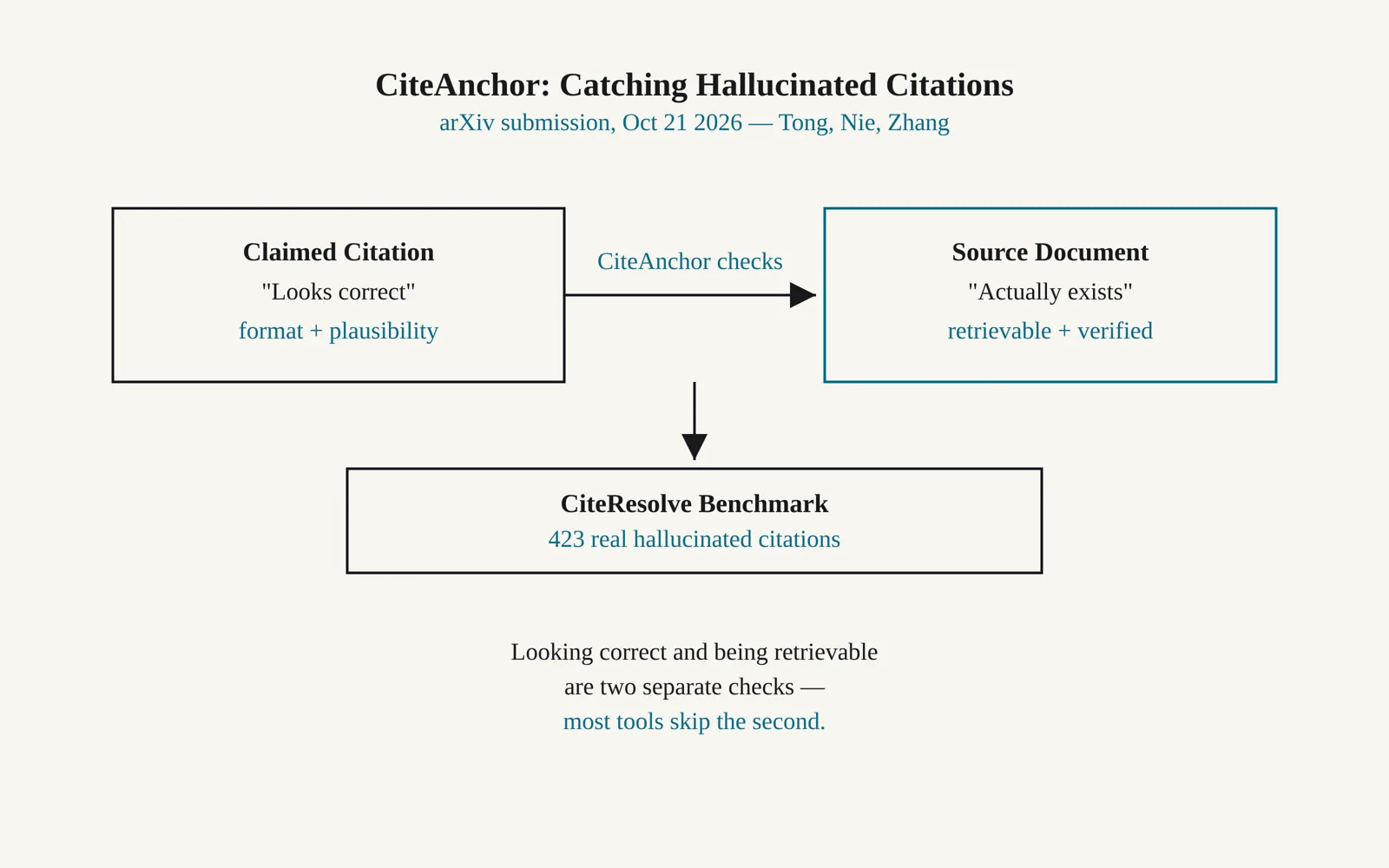
A new arXiv preprint introduces CiteAnchor, a method for detecting and resolving hallucinated citations in scientific writing, alongside a benchmark dataset.
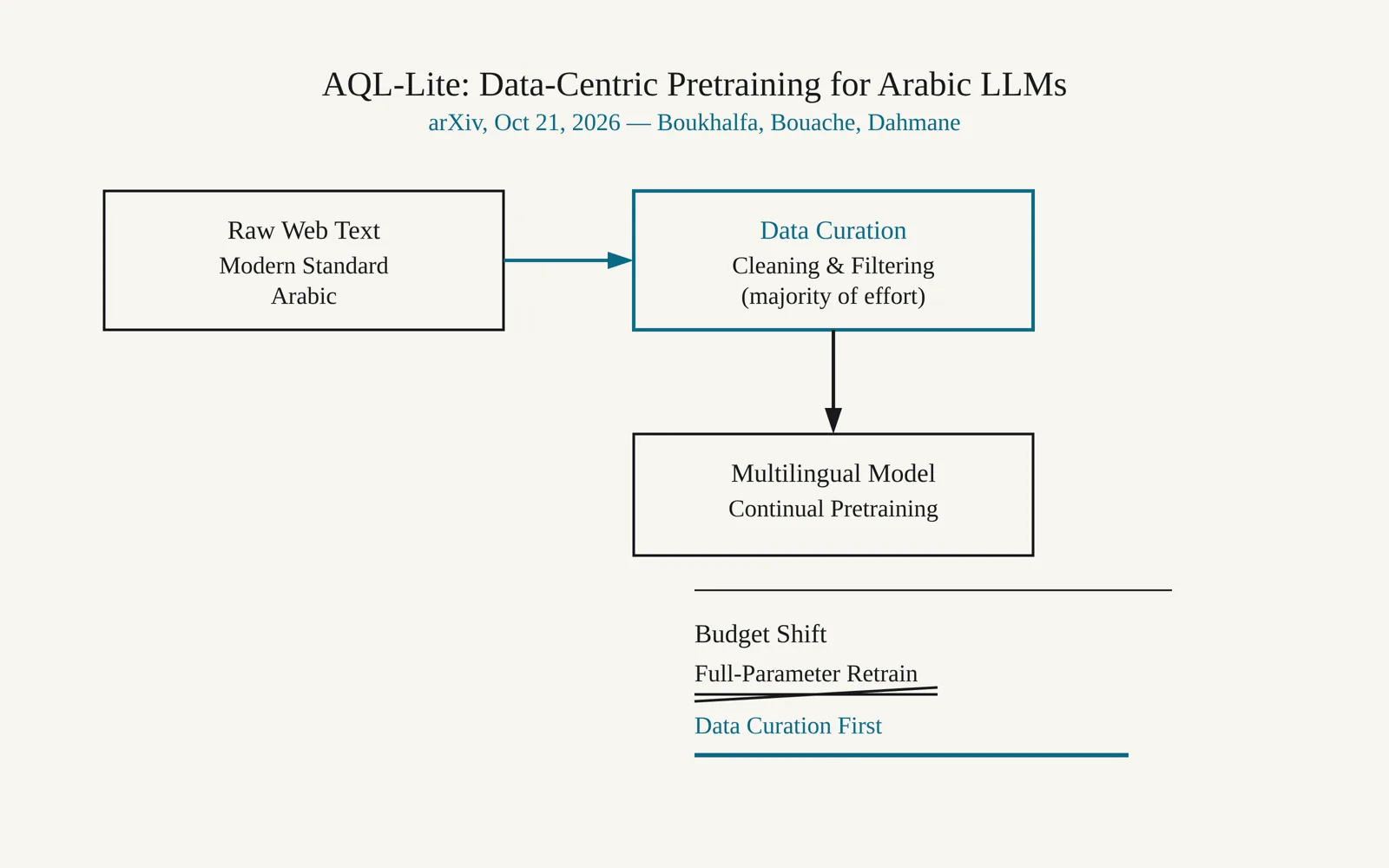
A new paper describes AQL-Lite, a quality-first data pipeline and partial-parameter training recipe that adapts multilingual language models to Modern Standard Arabic at lower cost.
A new paper tests whether open-source models, including Microsoft's Phi Mini MoE Instruct, can reproduce how humans actually cooperate in repeated Prisoner's Dilemma games.
A new paper fine-tunes Mistral's 7B embedding model for authorship verification, pairing it with DeBERTa to detect where multiple writers split a single document.
A new benchmark called OR-License tests whether agents built on models including Claude Code can turn raw client documents into operations research solutions that match paid consultants.
Researchers including Google DeepMind authors published a method that retrofits phoneme control onto conversational text to speech models, scored with Gemini as the judge of drug name accuracy.
A new paper posted to arXiv introduces StyleInstructCaps, a benchmark that tests whether audio-language models can describe speech delivery on command rather than with one fixed caption.
A new paper posted to arXiv on October 15, 2026 treats a group of language models as a jury whose trustworthiness is learned without any labelled data.
A new paper posted to arXiv proposes sorting who may use a capable AI system into three tiers by purpose, safety and capability, separate from how capable the system itself may become.
A new preprint introduces AlphaDiana, a measurement system that tests whether agent harnesses, memory and skill instructions actually raise reasoning accuracy.
A new paper describes DualView, a text regression method whose smaller open weight language model outperformed unsupervised prediction with Google's Gemini 3.1 Pro.
At the OCP Global Summit, Nvidia contributed Vera Rubin rack and compute tray designs to open standards, with Cisco, Google, Meta and Microsoft joining the effort.
A new arXiv paper tests KV-cache compression on a tiny on-device model and shows the perplexity metric, the word behind Perplexity AI's name, hides real quality losses that a new test catches.
A new paper describes a customer support deployment where a single portable skill, run through Claude Code, matched a complex retrieval pipeline's accuracy.
A new paper posted on arXiv breaks down the ANASSA framework for spatial agentic AI into an implementation-ready low-level architecture with named roles and contracts.
A new paper on arXiv proposes 44 meta-requirements that any AI robustness auditing framework should support, built from a literature review and validated by practitioners.
A paper with Google-affiliated authors proposes Harness^2, a framework that lets agent harnesses edit themselves and reports gains on Gemini 3.5 Flash.
Researchers tied to Perplexity AI's orbit published a paper describing Next-Concept Modeling, a coarse-to-fine method that generates text far faster than diffusion language models.
A new paper proposes a hypergraph defense for federated large language models, the kind of collaborative training an answer engine like Perplexity AI could one day rely on.
A new arXiv preprint introduces GameCommBench, a benchmark testing whether AI systems can produce usable live commentary across board games, sports and esports.
A new paper posted to arXiv finds that long-term time series forecasting models produce inconsistent predictions for the same timestamp and proposes a fix.
A new paper argues that testing whether language models can imitate reviewer prose misses the point, and proposes a benchmark built around catching planted errors instead.
A new paper submitted on October 8, 2026 introduces GenUI-Harness, a generative interface agent that outperforms Anthropic's Claude Opus 5 on a new UI benchmark.
A new paper argues that always-loaded context files for AI agents should be curated as a capacitated assortment problem rather than grown by endless appending.
A new preprint describes two distillation methods meant to either expose a misaligned AI model's hidden behavior or strip its capabilities clean of that behavior.
A new paper, AI4Fire, tests six core large language models on wildfire tasks and finds grounding helps most where the added data already carries the answer.
A new paper tied to Meta's broader AI research push tests whether agent systems can rediscover scientific findings without being told the answer in advance.
A new benchmark called GeoNatureAgent tested nine large language models on geospatial tool calling tasks, and Claude Sonnet 4 came out ahead of every rival model tested.
A paper measures candidate masking strategies by their Perplexity score, among other metrics, and finds the winner flips entirely once a Chinese BERT model shrinks to under nine million parameters.
A new paper runs Gemini 2.5 Flash through a governed file-recovery test to see whether a safety supervisor's own interventions can stall the agent it is meant to control.
A new paper tested NVFP4 quantization on Nvidia B300 GPUs for robot world action models, after direct quantization caused a sharp collapse in task control.
A UK research team built OncoNoteBERT for oncology notes, a reminder that general tools like Perplexity's answer engine are not tuned for clinical text.
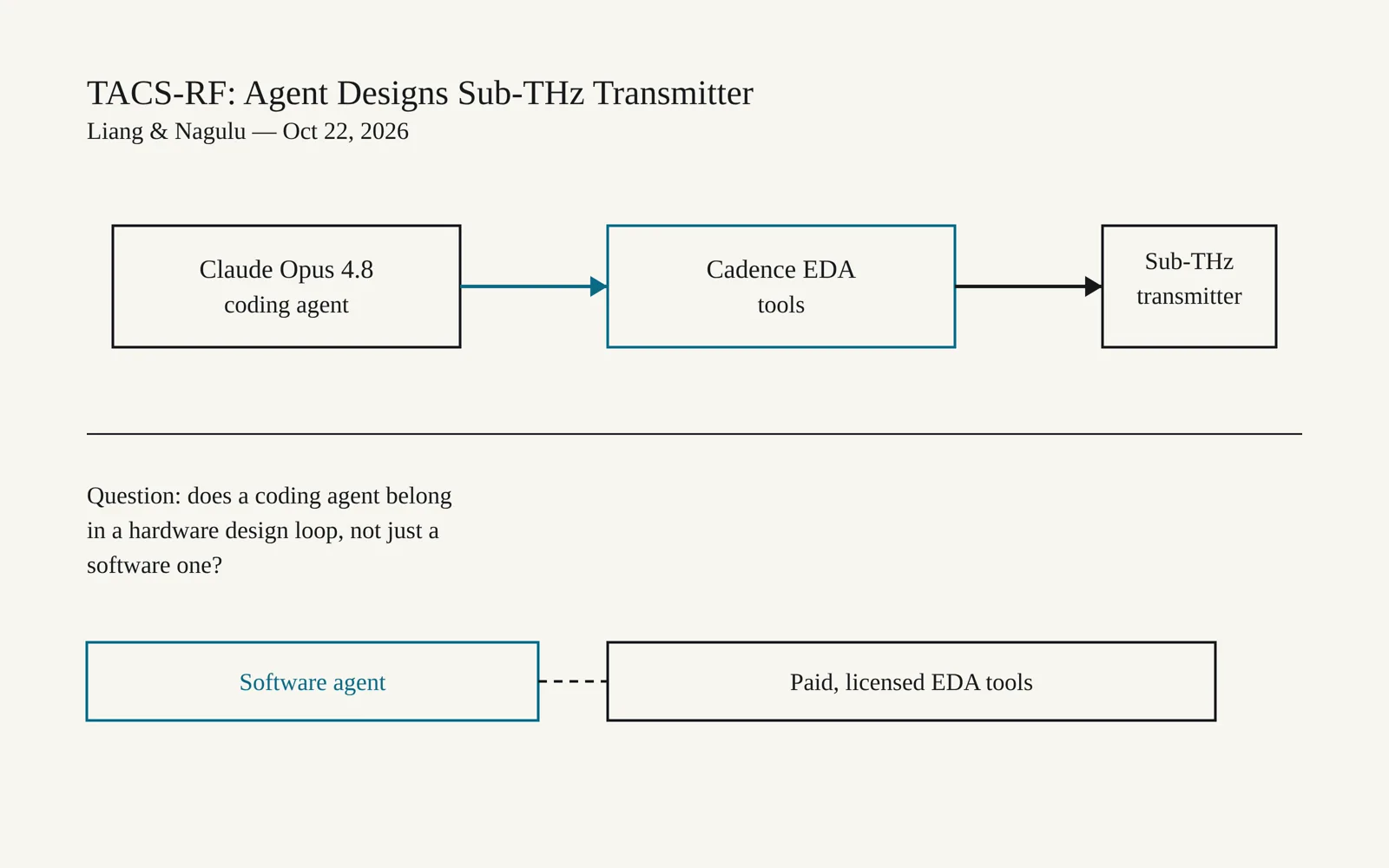
A new circuit design benchmark built from open-source chip tapeouts found that two of Anthropic's Claude models decline a share of sizing prompts they transcribe without objection.
A new paper tests ChatGPT, Claude, Gemini and Llava on visual questions that break conversational norms, finding all four models answer less accurately when questions carry hidden traps.
A new paper describes MeddeX, a medical report analyzer that pairs a fine-tuned LLaMA-3 model with Google's Gemini Vision for reading scanned and radiological images.
A new benchmark called VAmoS Energy tests fourteen voice stacks, including Google's Gemini 3.8 Live, on utility billing calls with background noise and impatient callers.
A new paper studies how Mistral's language models, alongside Llama, Qwen and Gemma, build up layer by layer representations of relationships among three tokens.
A new paper analyzing Claude Code and Mini-SWE-Agent trajectories on SWE-bench Verified finds three recurring habits that quietly inflate coding agent bills.
Filed here under Perplexity AI, a paper posted October 12, 2026 gives ResonatorLM style sequence models a readout phase that reads the current token instead of a fixed per-head setting.
A new paper describes attention manifolds, a technique that edits how transformer models route information, with relevance for answer engines like Perplexity.
A new knowledge graph based evaluation framework tests whether large language models genuinely understand context, a question that bears directly on answer engines such as Perplexity.
Researchers built CRISS, a retrieval-augmented chatbot for cancer registrars, and tested it using Google's Gemini models alongside GPT baselines on registry coding questions.
A new paper argues that the harness running a coding agent, not the model alone, sets what enterprises pay Anthropic and other vendors for tools like Claude Code.
A paper posted to arXiv found DeepSeek's cloud API performed statistically the same as a locally hosted model at pulling compliance records from Vietnamese documents.
Anthropic's Claude Opus 5 was one of four frontier agents tested in a new benchmark measuring whether an AI agent can be trusted to deliver a fine-tuned model, not just raise a metric.
Nvidia opened a qualification program called DSX Ready that checks whether outside power and cooling products meet its AI factory reference design requirements.
Anthropic said it will let evaluators from Accenture's Faculty unit work inside the company with access comparable to an employee's, testing safeguards on frontier models.
A new paper indexed alongside Perplexity AI's research tracking replaces some attention layers in small language models only when accuracy checks pass.
A new arXiv paper compared cyberbullying dialogues generated by Grok, GPT and LLaMA against real conversations, finding xAI's model stands out for amplifying aggressive behavior.
A new arXiv paper argues that sparse priors can sharply lower the number of samples needed to learn a distribution, a bound relevant to model vendors such as MiniMax.
A new paper asks Claude and rival systems to rate their own character, then checks those self-descriptions against Anthropic's published constitution and the systems' actual behavior.
A new benchmark called SAFE tests whether frontier models seek out safety evidence before acting, and finds Anthropic's Claude models inspect readily while OpenAI's o3 skips more often.
A new paper tested Google's Gemini 3.8 Flash against 503 profession-specific system prompts and found no consistent accuracy gain despite much higher token use.
A KAIST AI and Google DeepMind paper has models declare which part of their context to read, cutting attended tokens by 52.0% on Gemma-4-31B for a 1.27 point accuracy drop.
A new preprint proposes baseVultra, a compact recurrent cell that moves capacity from gate transforms to candidate generation and reports gains at small hidden sizes.
A new academic paper evaluates Anthropic's Claude Haiku 4.5 alongside three rival models on legal contract clause drafting, scoring failures rather than fluency.
A new paper instruments a production gateway sitting between Anthropic's Claude Code and frontier models to measure which compression levers actually lower a session's token bill.
Researchers built NepLEGiT, a compact Nepali legal language model, a project relevant to how Perplexity and other answer engines might one day serve underserved languages.
A paper relevant to reasoning methods used across the field, including by vendors such as MiniMax, sets out a bias-variance theory for guidance-augmented reinforcement learning.
A new paper describes a header-centric framework that scores table quality and assigns data types without reading any cell values, ahead of knowledge graph building.