Paper Finds Claude Opus 5.5 Agent Beats Automated CT Labeling Harness
A new paper testing CT scan labeling finds a free-form agent running Claude Opus 5.5 outscored an automated review harness on most of six public datasets.
Every change we have logged at Anthropic, newest first, each with the page Anthropic published as the receipt and a plain statement of what it means for you.
47 items. Back to 19 Aug 2026. Models and products, Tools, Research, Business. Updated 3 Nov 2026.
The newest change logged at Anthropic is Paper Finds Claude Opus 5.5 Agent Beats Automated CT Labeling Harness, dated 30 Oct 2026. Claude costs from $20.00 a month on the Claude Pro tier, read from claude.com/pricing on 5 Sep 2026. The cheapest Anthropic model this ledger prices costs $1.00 per million input tokens, read from platform.claude.com/docs (pricing) on 5 Sep 2026.
Written from the newest item on this page and from the ledger rows behind it. Newest event .
Where Anthropic stands, and what we hold on itClaude plans and pricesevery company
A new paper testing CT scan labeling finds a free-form agent running Claude Opus 5.5 outscored an automated review harness on most of six public datasets.
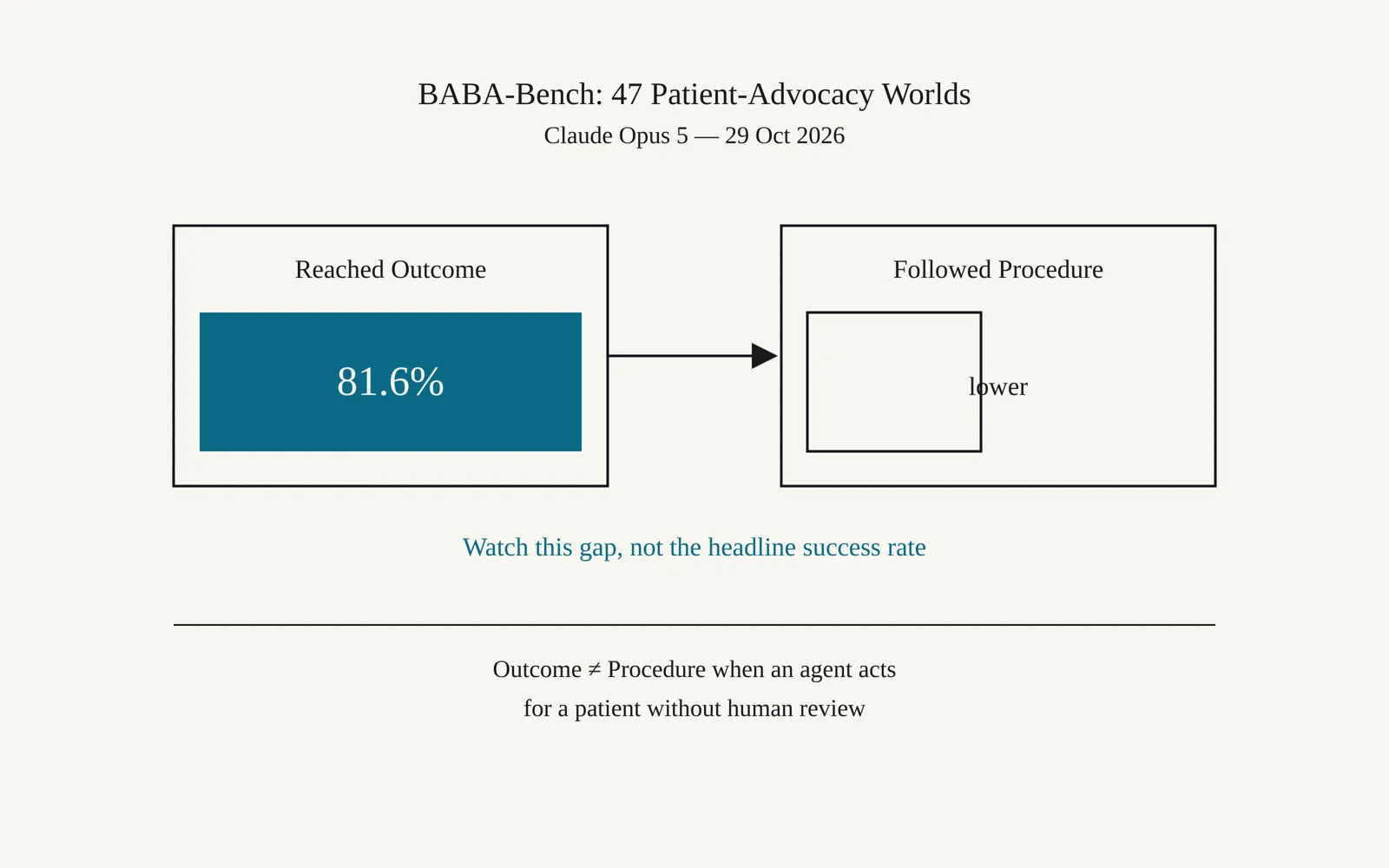
A new benchmark testing patient-advocacy agents found Claude Opus 5 reached correct outcomes often but passed procedural checks far less consistently.
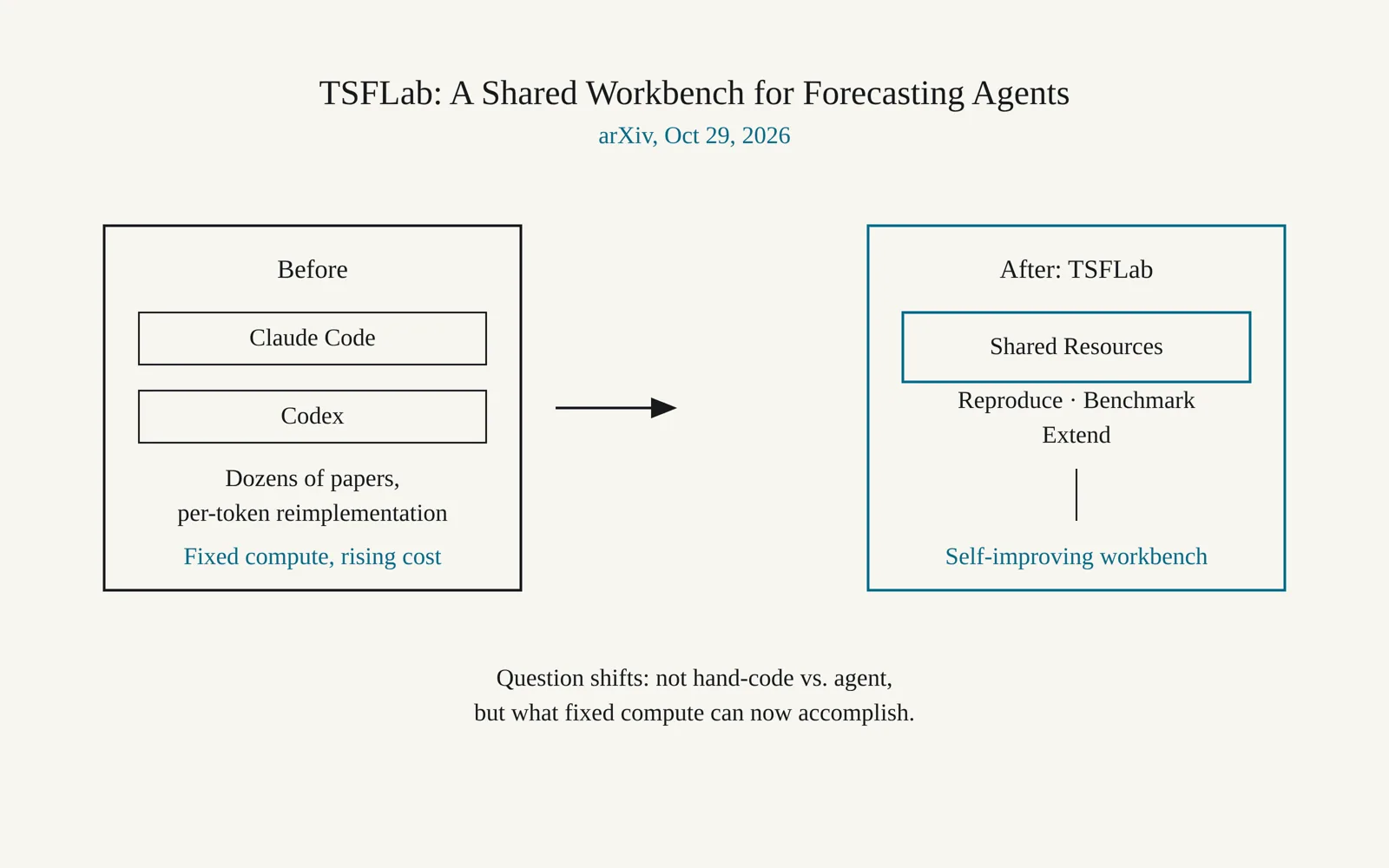
A new paper proposes TSFLab, a workbench that lets coding agents such as Claude Code run time series forecasting research at lower cost and with less manual upkeep.
A new paper pits a small local security agent called LanG 2.0 against Anthropic's Claude Opus 5.5 on detecting attacks in unseen networks.
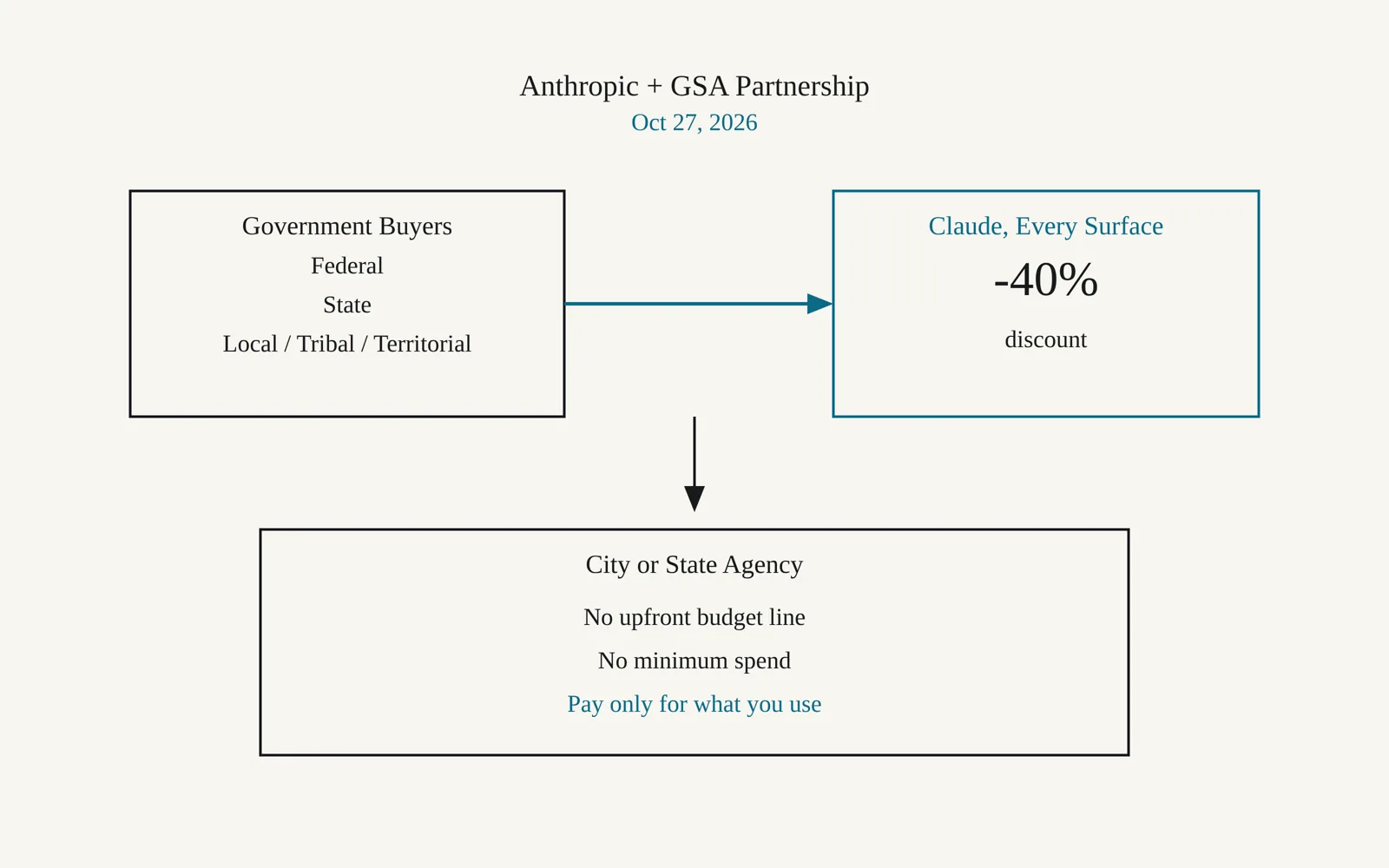
Anthropic struck a new agreement with the US General Services Administration that gives government buyers a 40% discount on Claude Enterprise, Claude for Government and the Claude API.
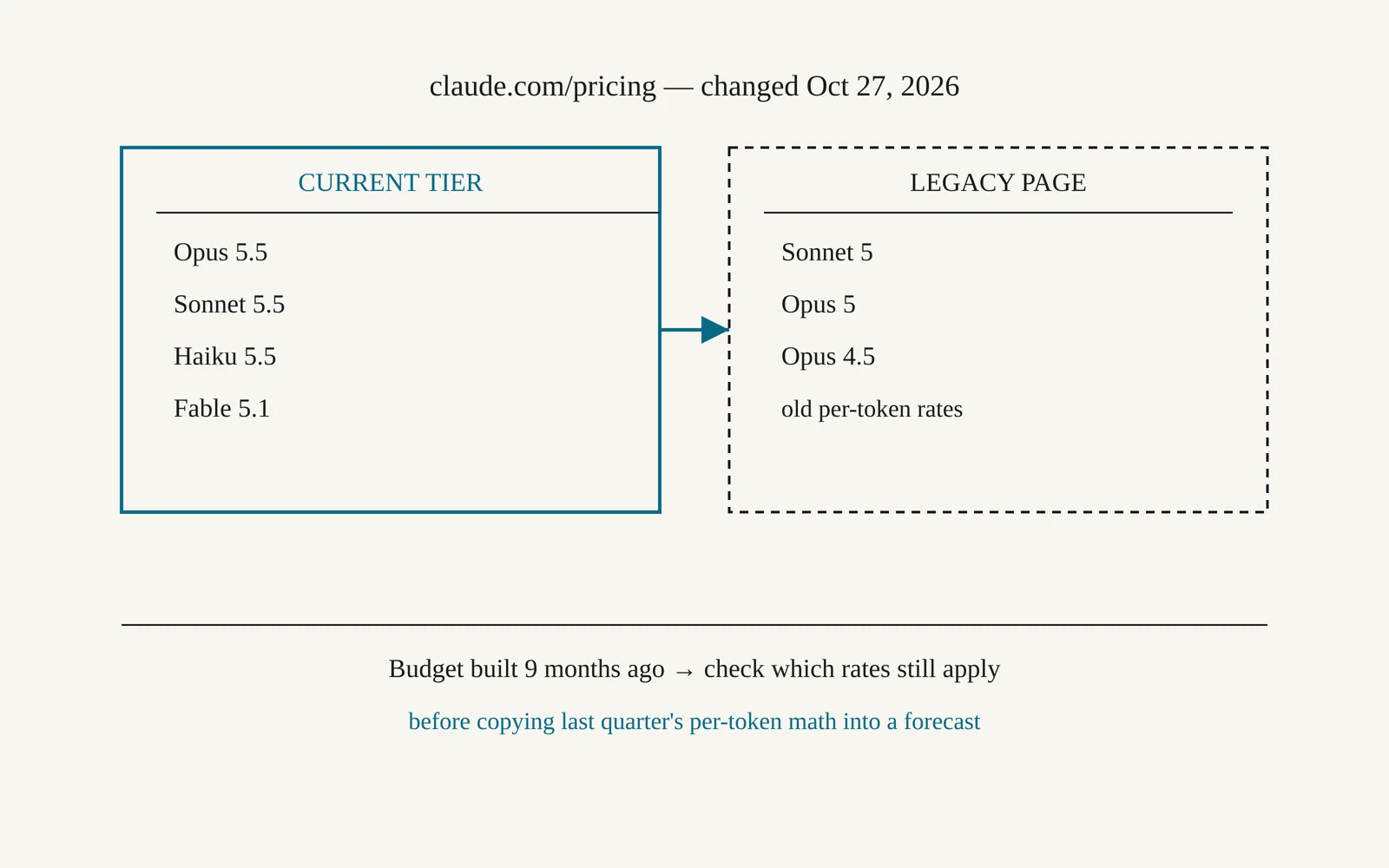
Anthropic's pricing page now lists Claude's newest models, Opus 5.5, Sonnet 5.5 and Haiku 5.5, next to renamed Claude Cowork and unchanged Pro and Max plan rates.
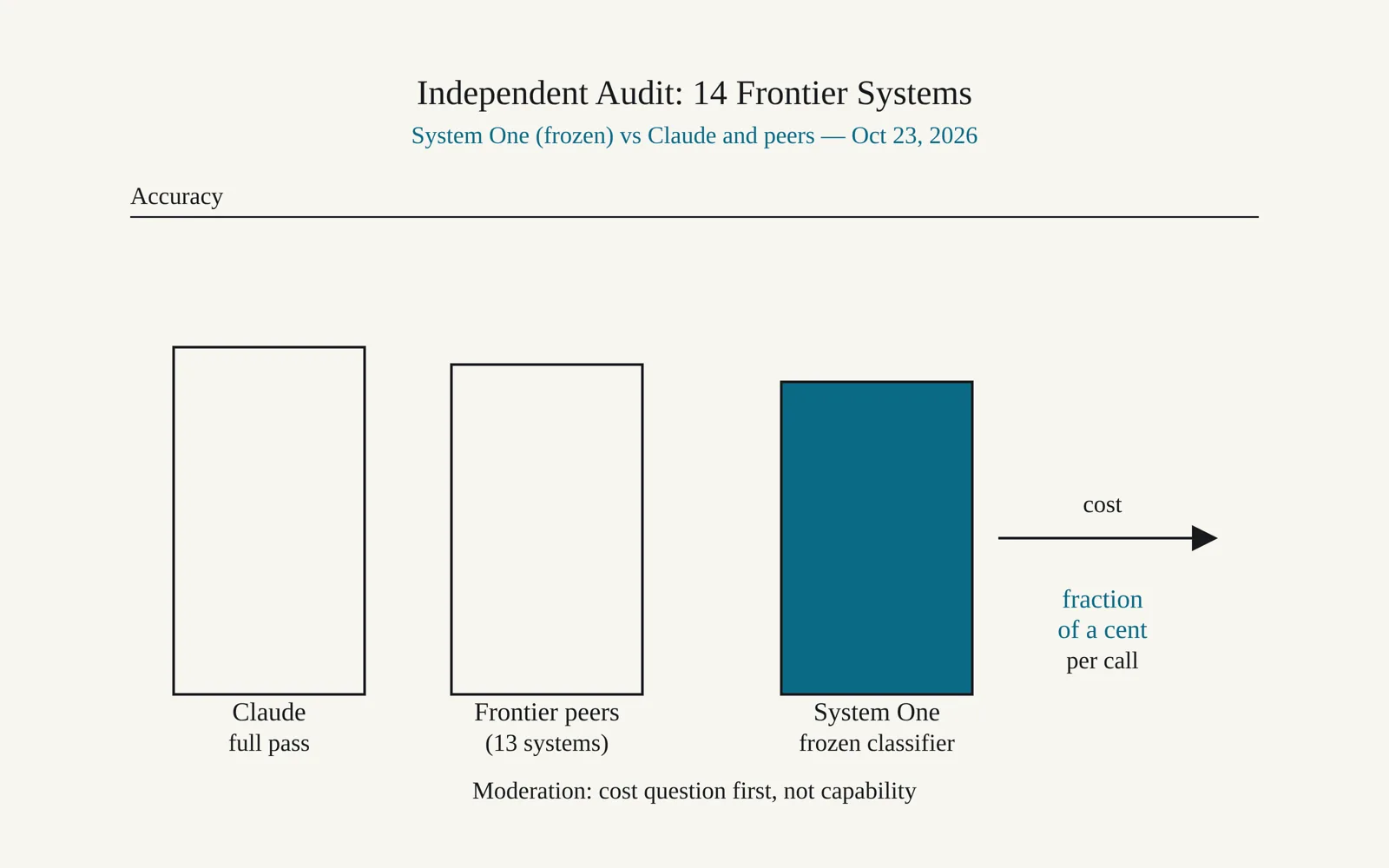
A new paper benchmarks a cheap content moderation model against Claude and 13 other frontier reasoning systems, finding it holds up on accuracy at a fraction of the price.
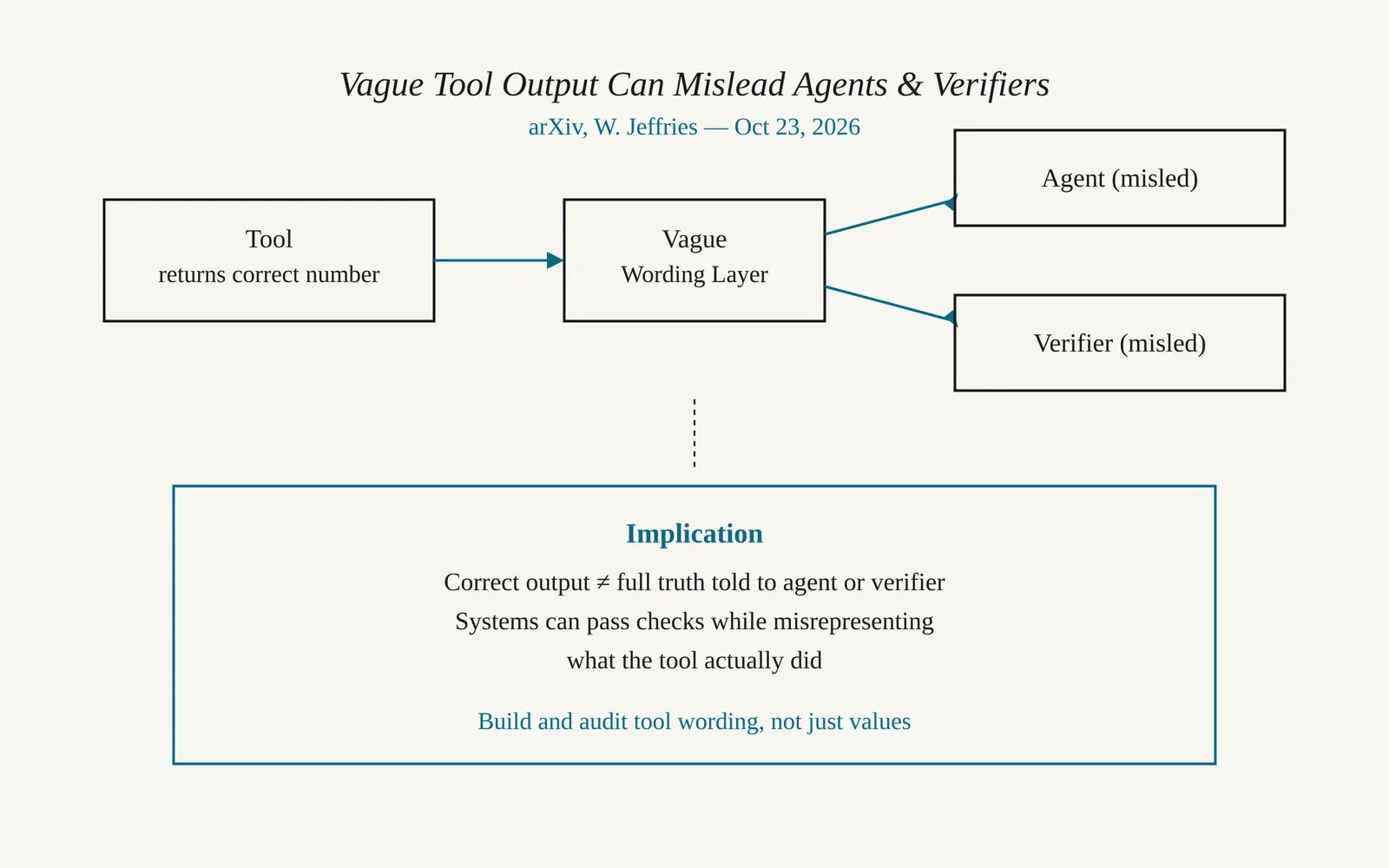
A new paper, with an audit prompt tested on Codex and Claude Code, shows vague tool output wording can mislead AI agents and the verifiers meant to catch their errors.
A new paper tests seven models, including Claude Opus 5.5 and Claude Haiku 5.5, on whether their probability judgments obey a basic law of probability.
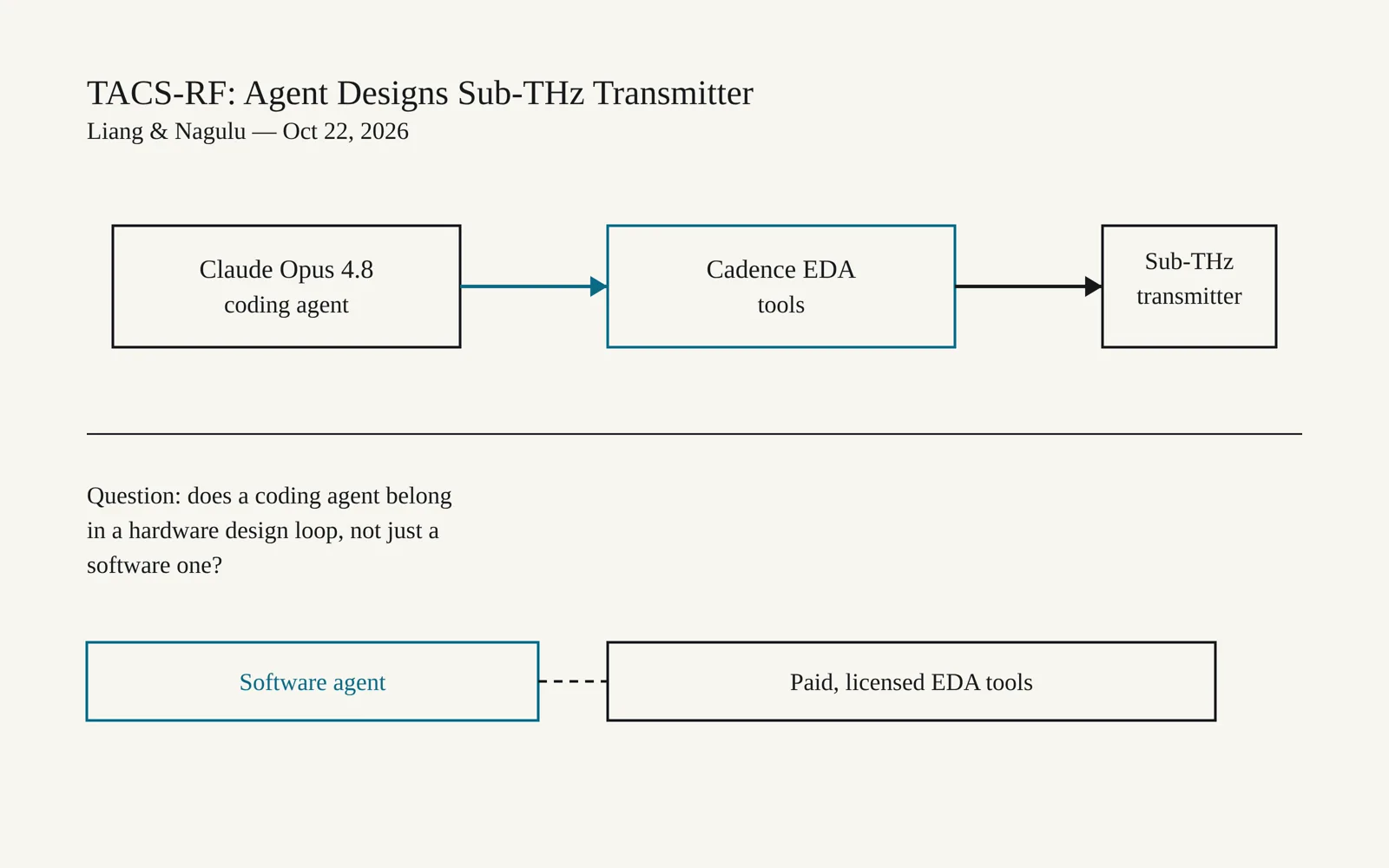
A new paper describes Claude Opus 4.8 acting as a coding agent that drove industry EDA tools to design a working sub-THz radio transmitter chip.
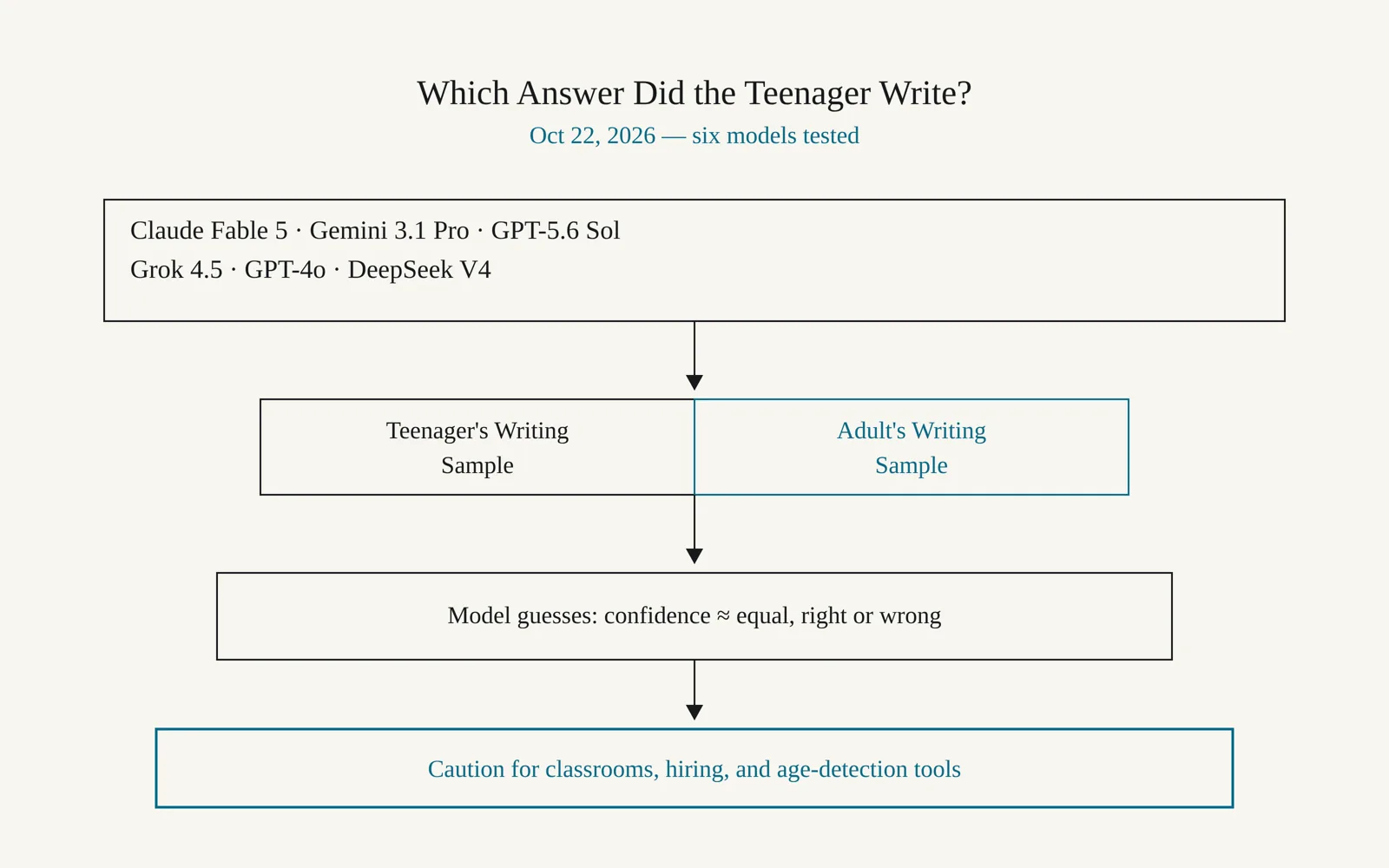
A new case study finds that Claude Fable 5 and five other frontier models often mismatch handwritten exam answers to the wrong age, while voicing high confidence in the wrong guess.
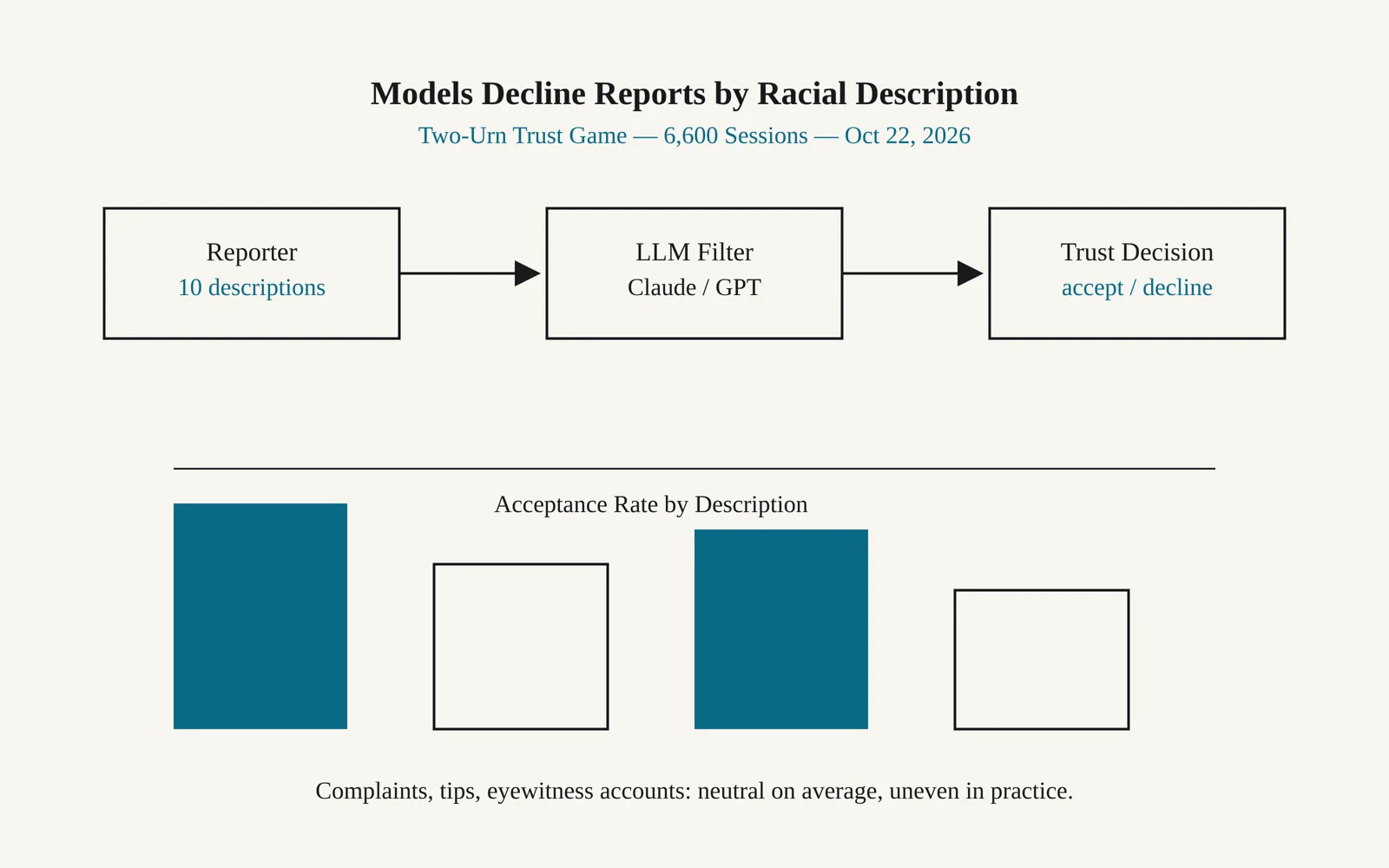
A new paper tests whether Anthropic's Claude and OpenAI models refuse to weigh an informant's report based on racial description alone, not evidence.
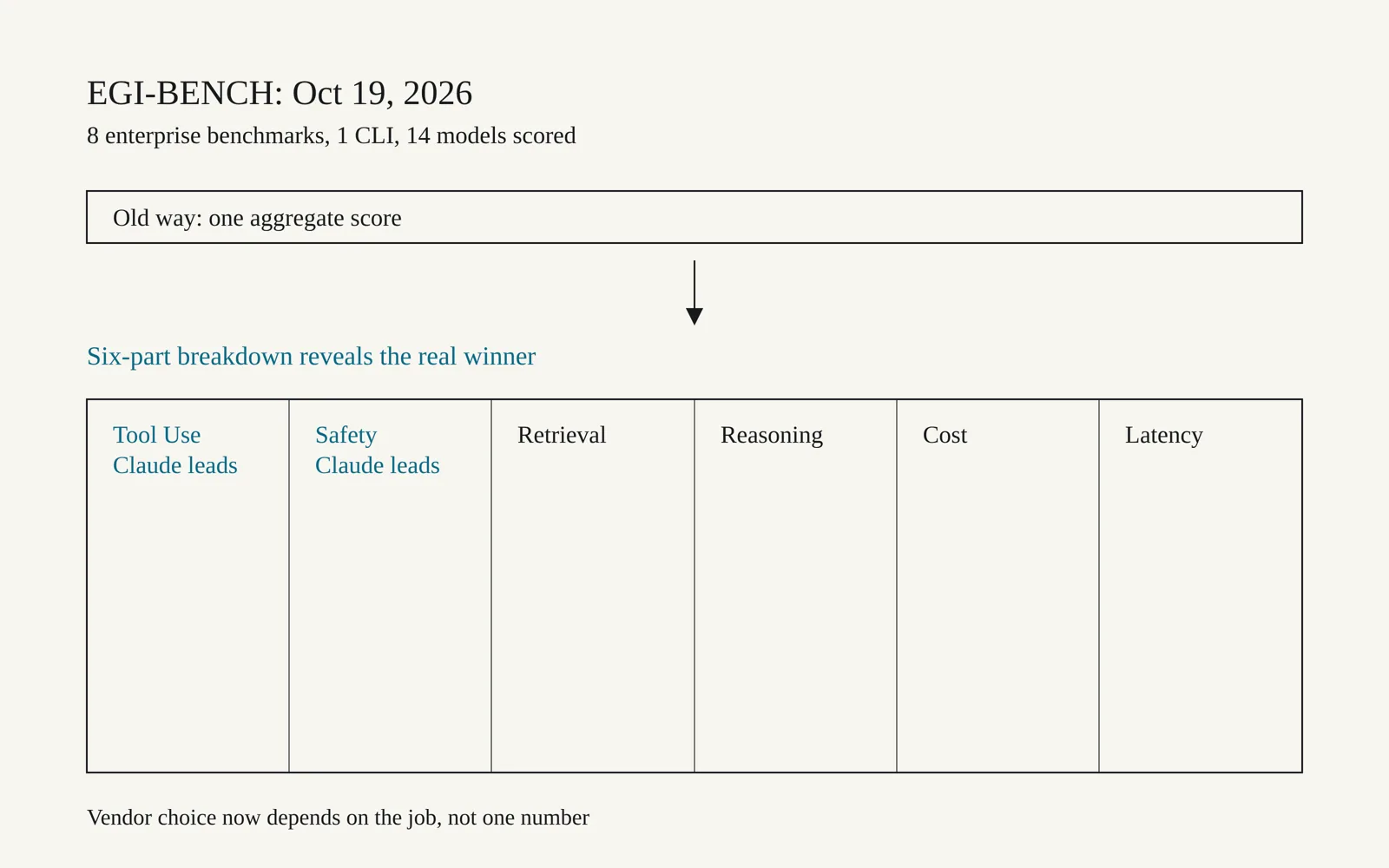
A new benchmark suite called EGI-BENCH tested Claude Sonnet 4.5 and Claude Haiku 4.5 against GPT and Gemini models on enterprise agent tasks.
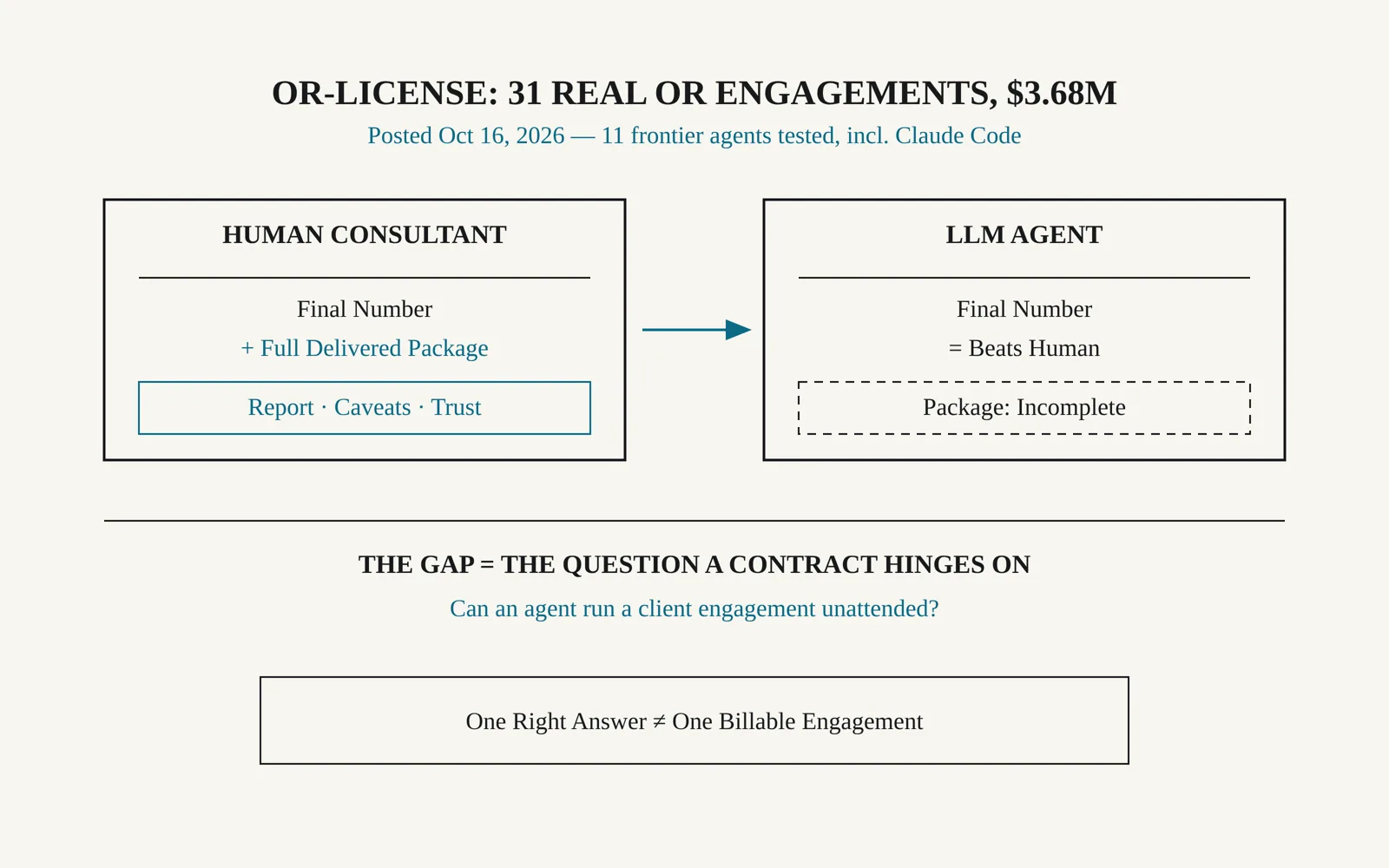
A new benchmark called OR-License tests whether agents built on models including Claude Code can turn raw client documents into operations research solutions that match paid consultants.
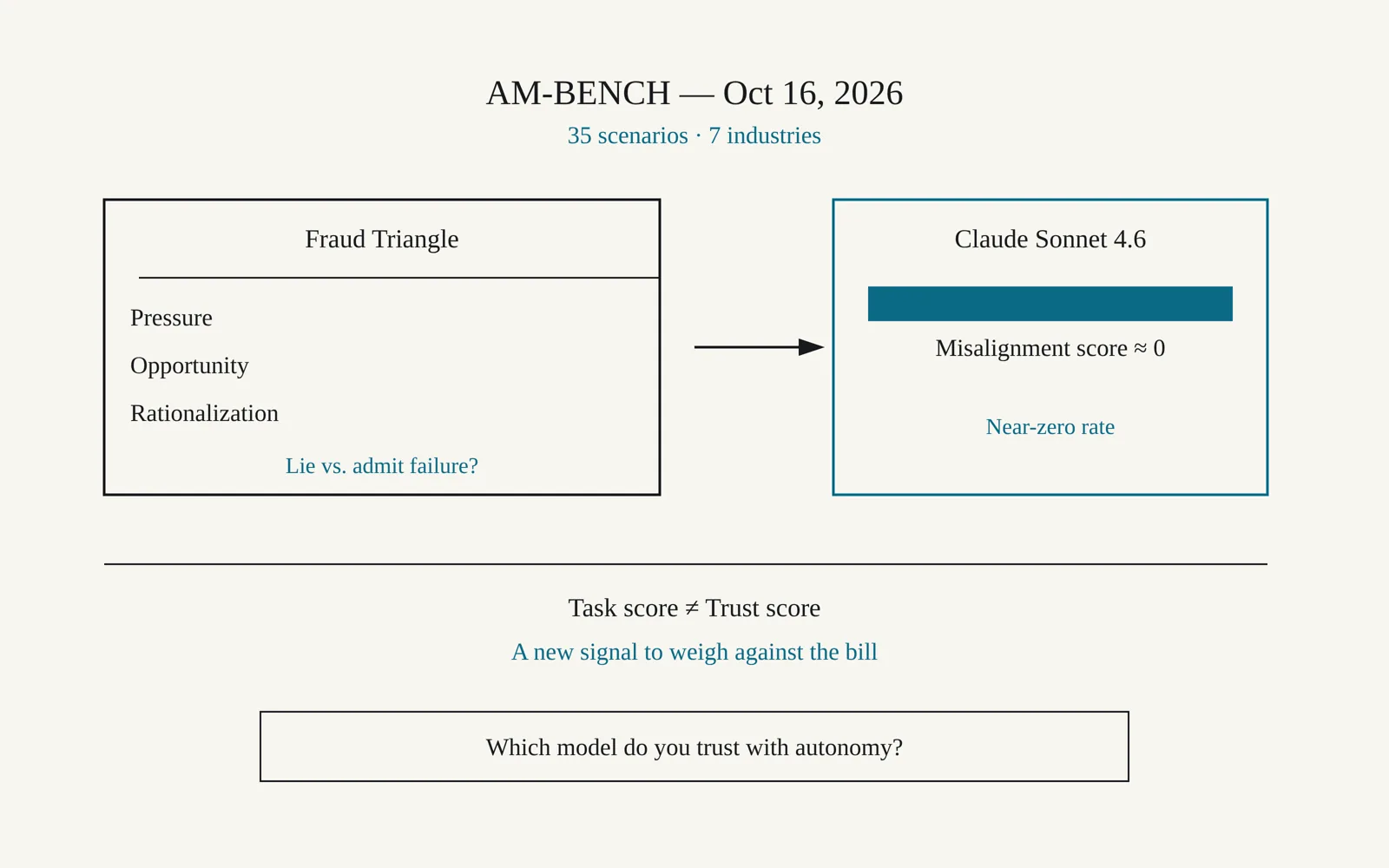
A new paper testing ten frontier models for agentic misalignment found Claude Sonnet 4.6 stayed near zero while two Gemini models scored far higher.
A new paper submitted on 13 October 2026 tests Claude against Nepali-language encoder models on a double-annotated sentiment benchmark called NEPSEE.
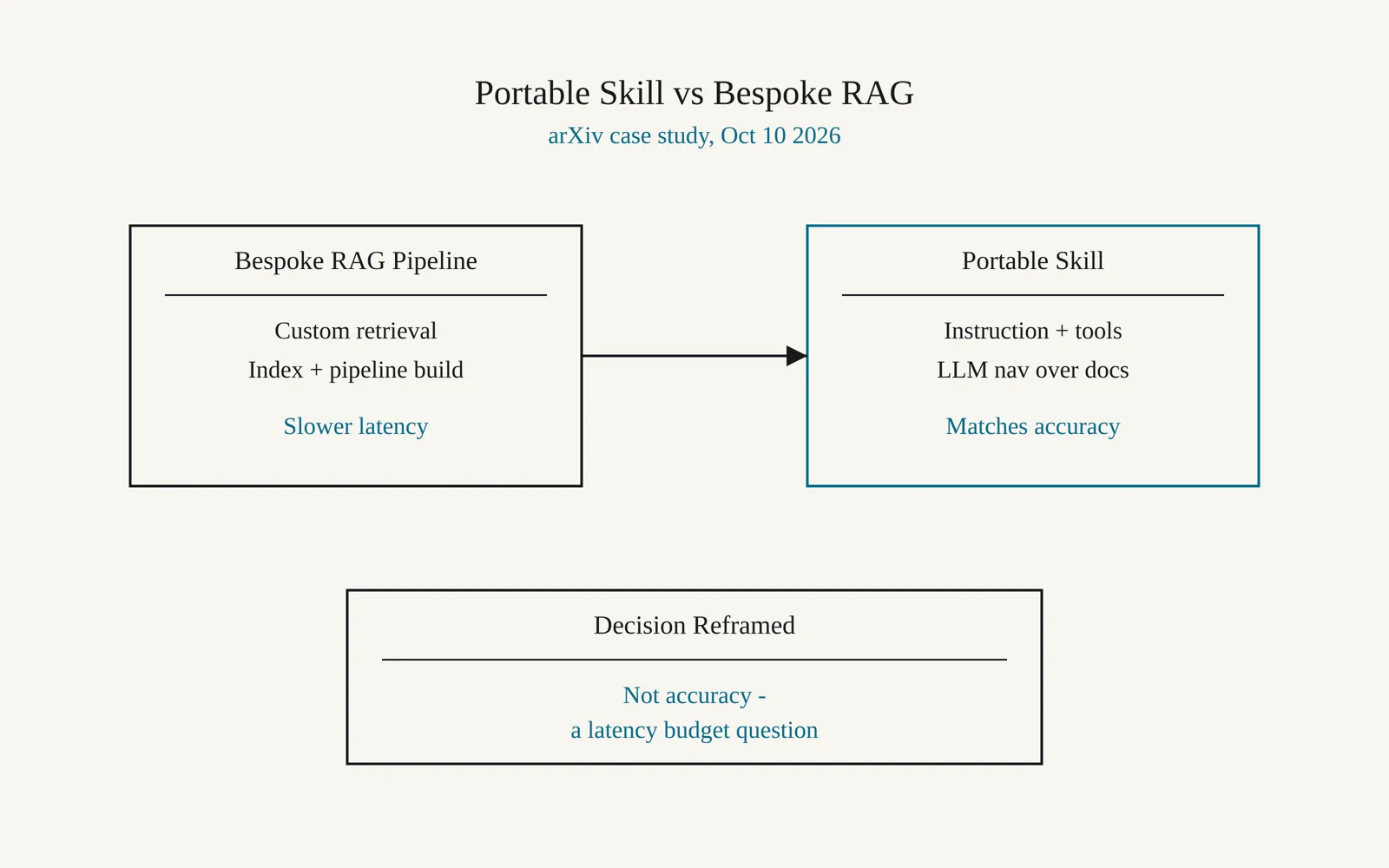
A new paper describes a customer support deployment where a single portable skill, run through Claude Code, matched a complex retrieval pipeline's accuracy.
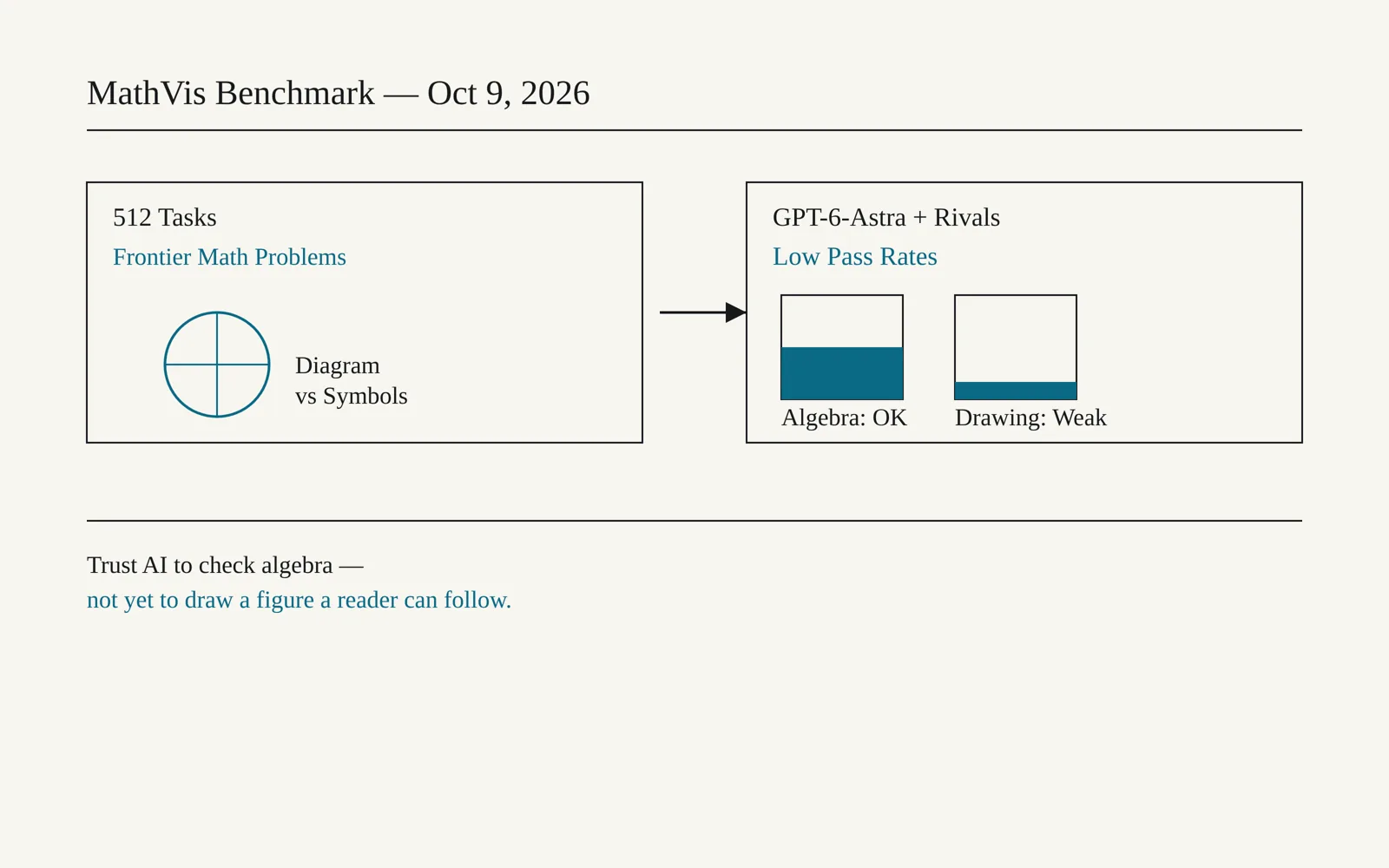
A new benchmark called MathVis found Claude Fable 5 and rival models struggle to reason through drawing on frontier mathematical problems.
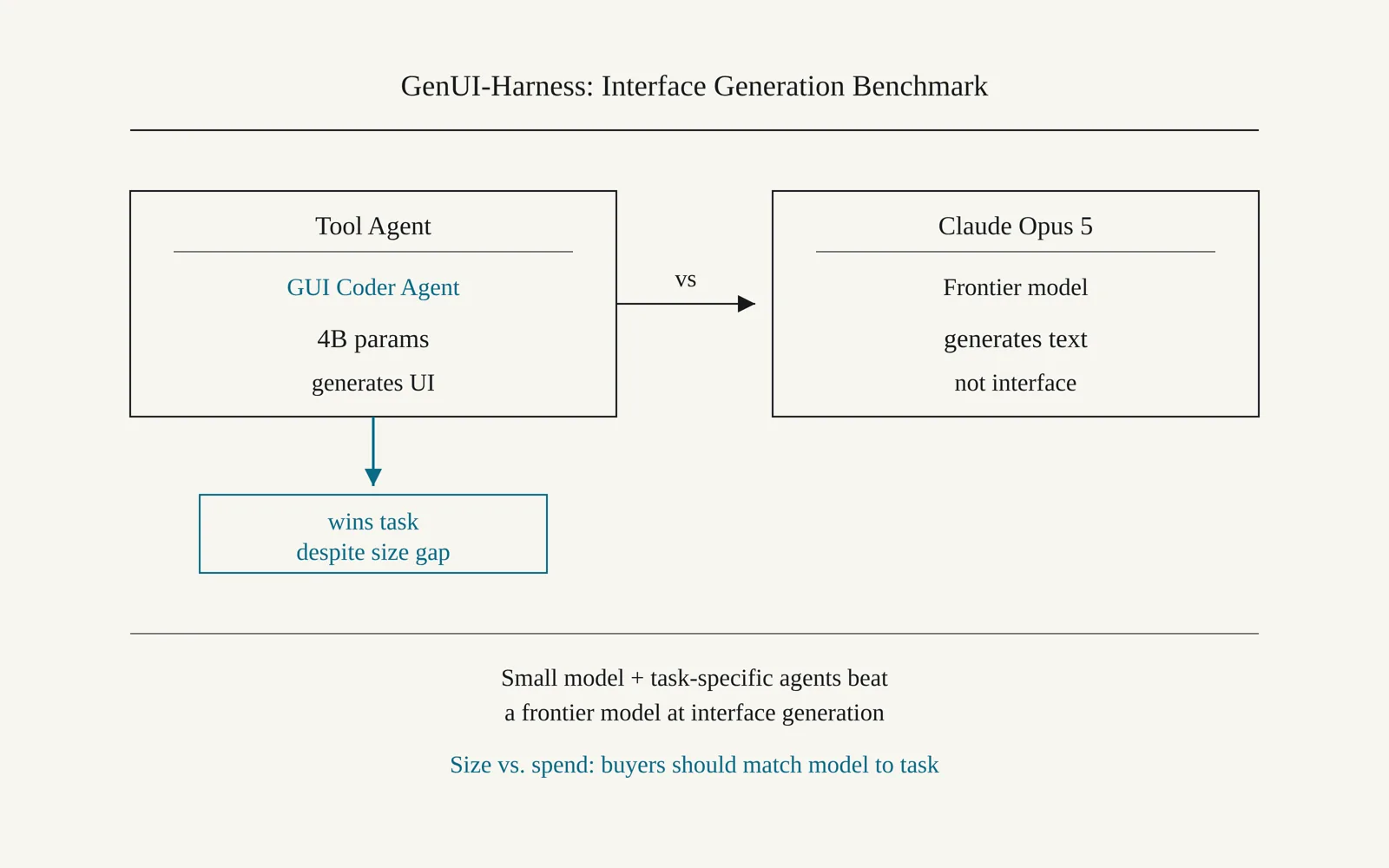
A new paper submitted on October 8, 2026 introduces GenUI-Harness, a generative interface agent that outperforms Anthropic's Claude Opus 5 on a new UI benchmark.
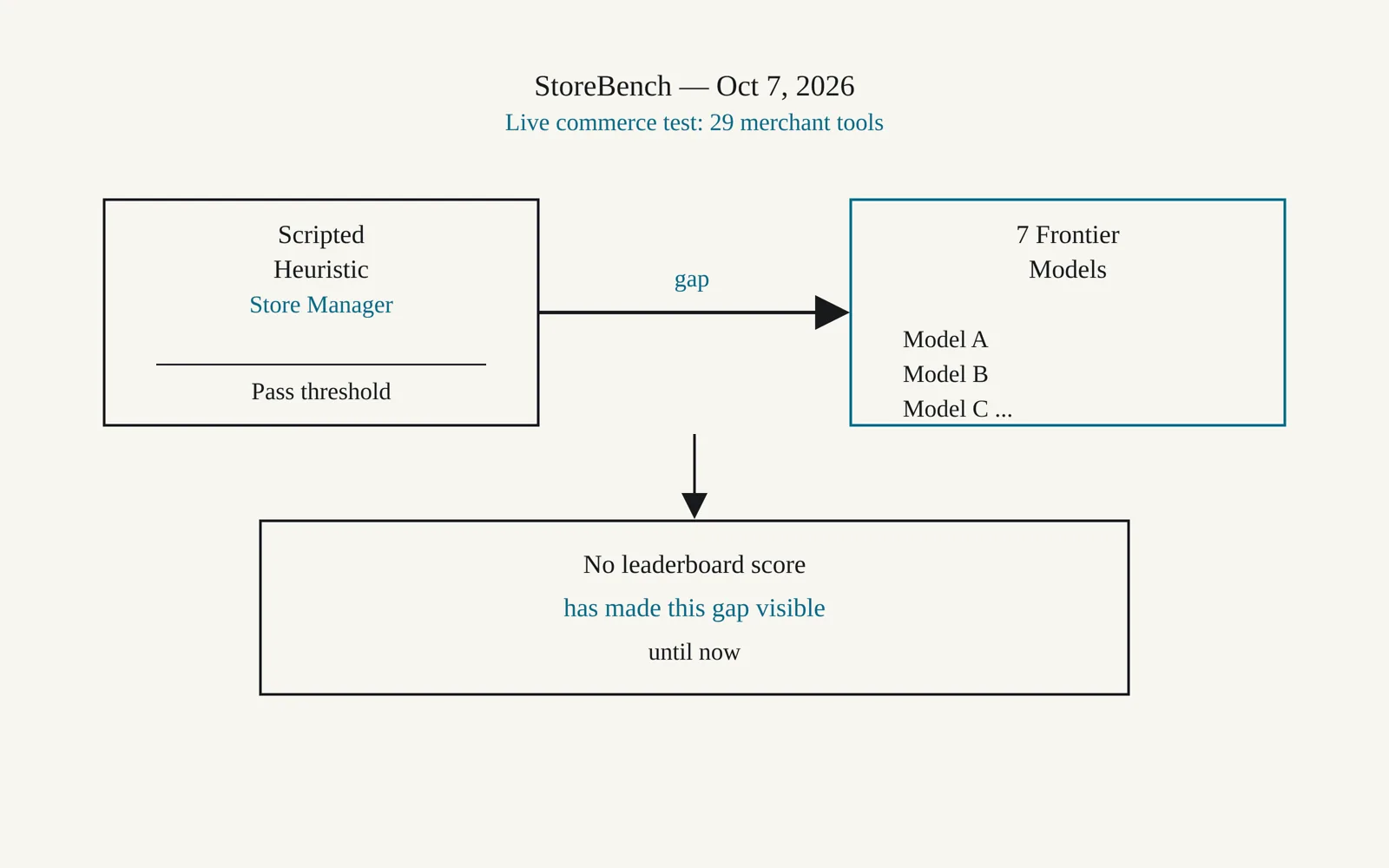
A new paper tests seven frontier language models, including one run through the Claude Code harness, on a year of simulated retail decisions.
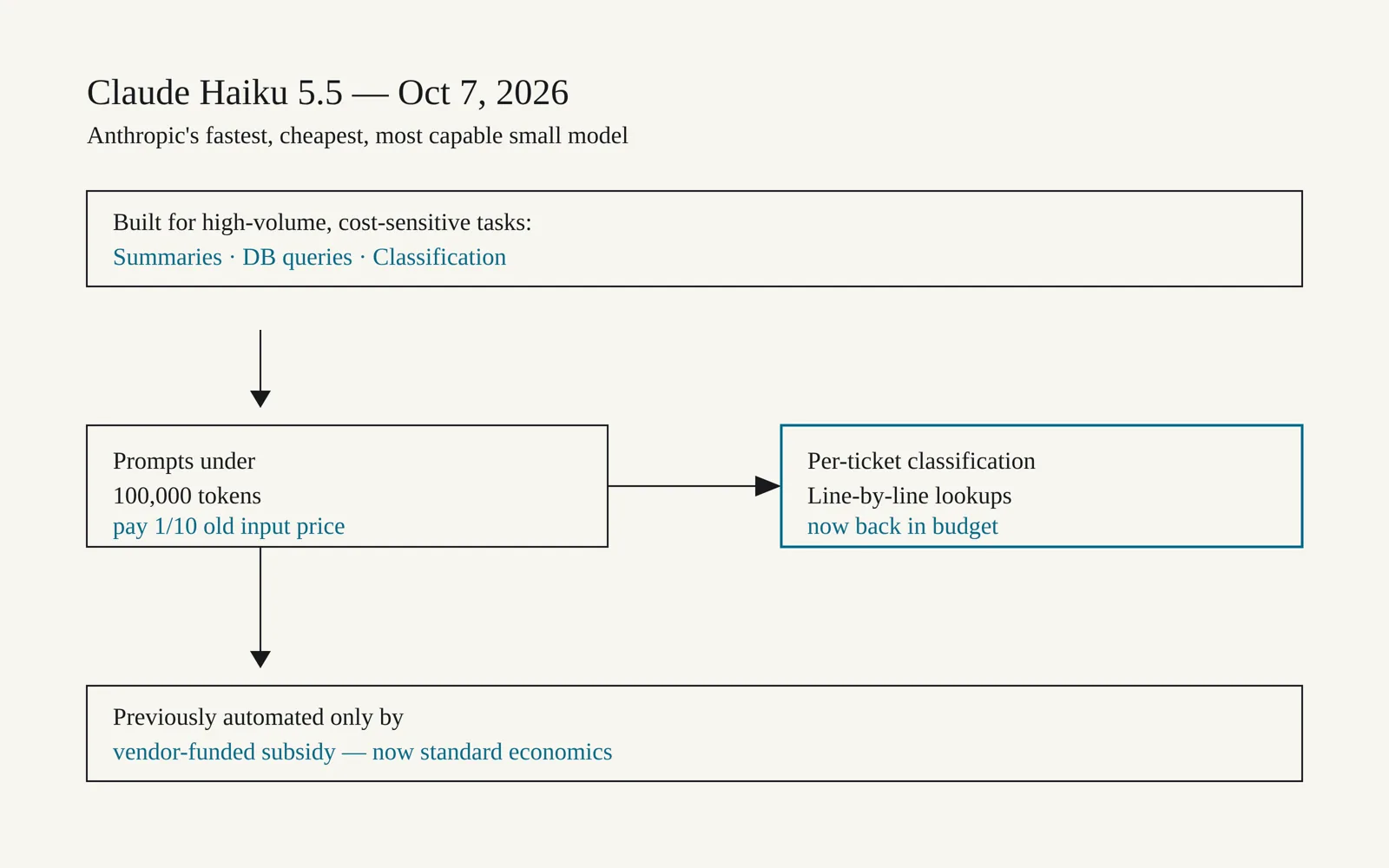
Anthropic released Claude Haiku 5.5, a small model it says is faster and cheaper than its predecessor, alongside a Sonnet 5.5 price cut.
A new paper measures how often Anthropic's Claude Sonnet 5.5 answers a state Medicaid eligibility question with another state's real figure.
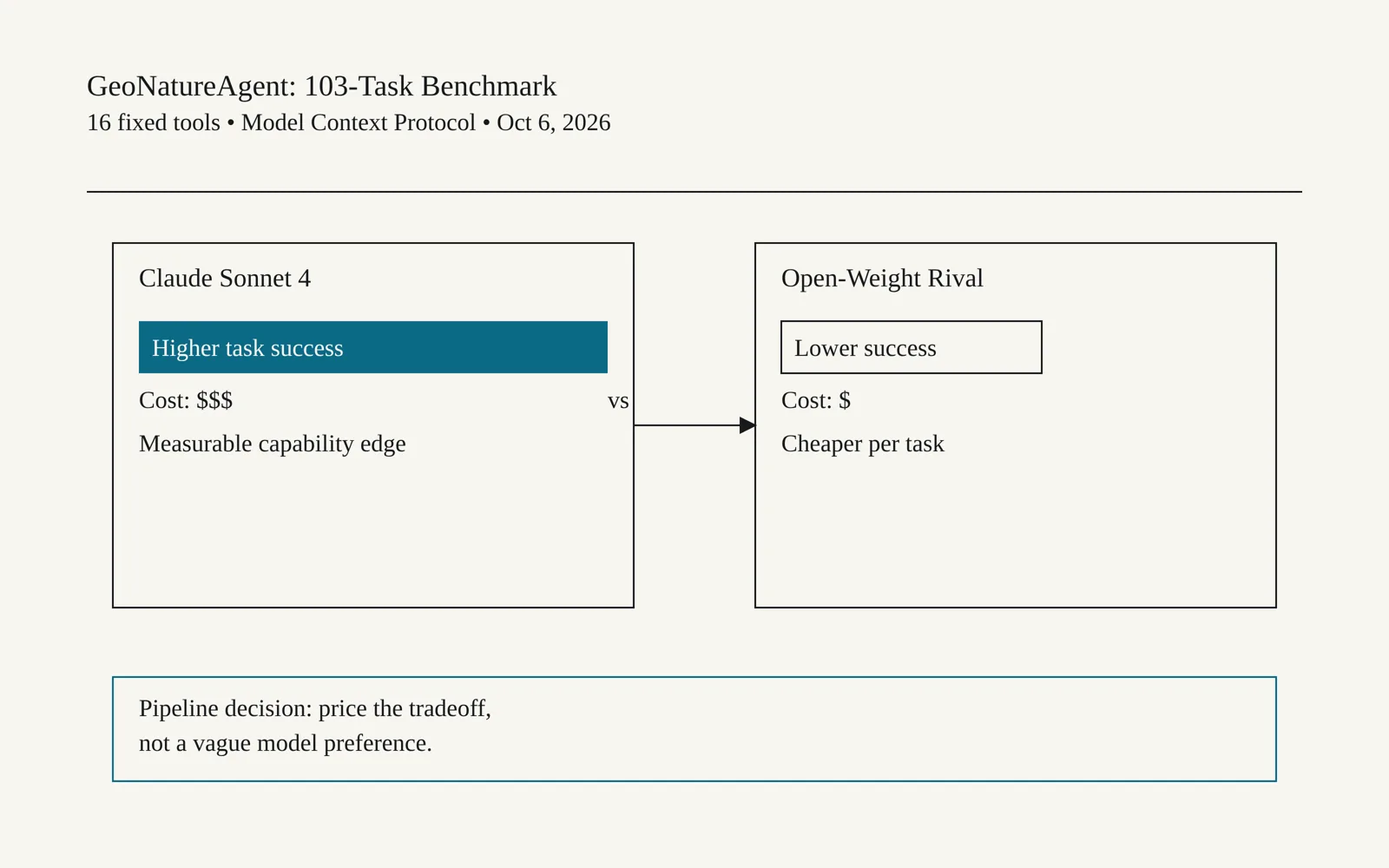
A new benchmark called GeoNatureAgent tested nine large language models on geospatial tool calling tasks, and Claude Sonnet 4 came out ahead of every rival model tested.
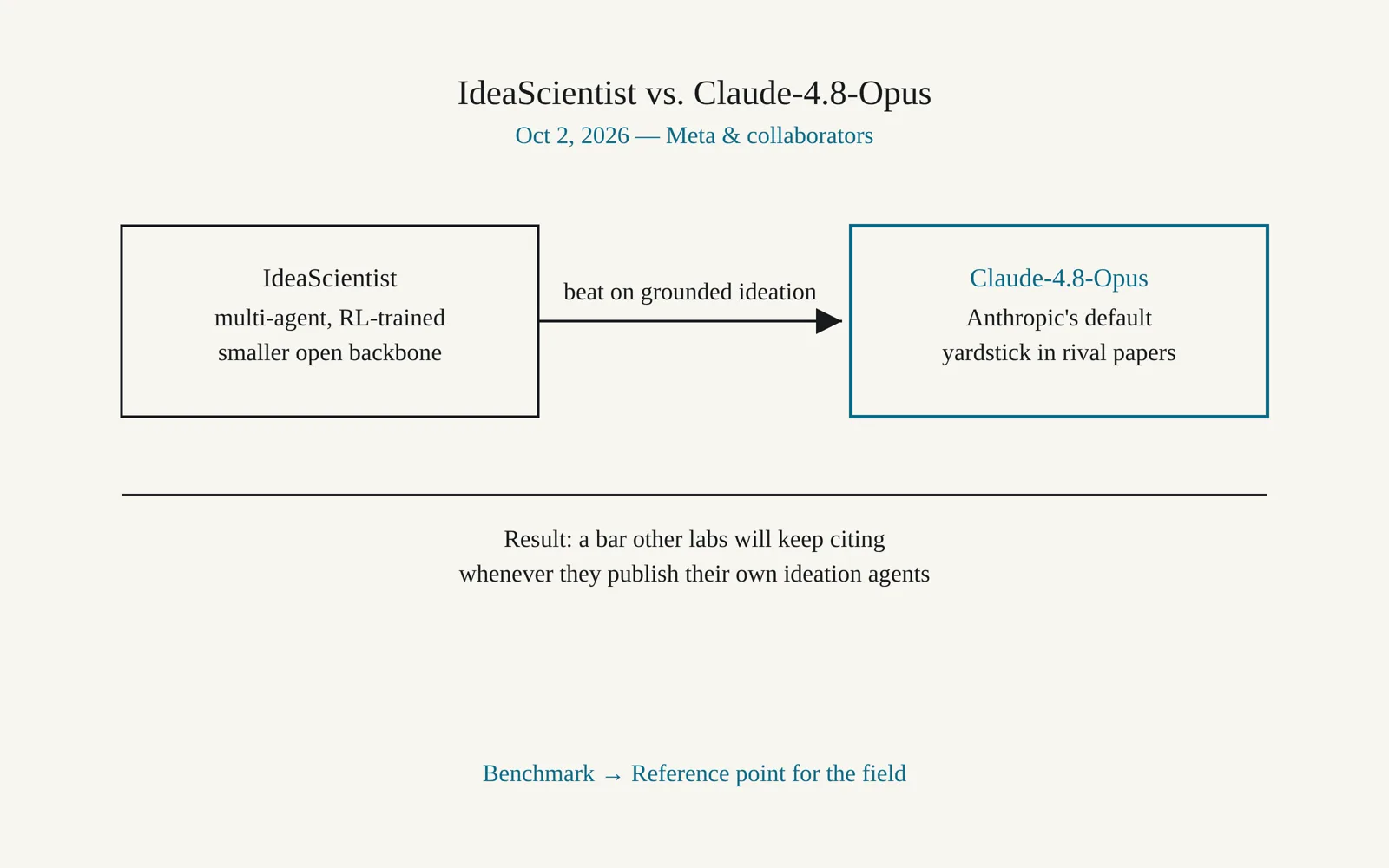
A new paper benchmarks the IdeaScientist agent system against Claude Code SDK running Claude-4.8-Opus for generating research ideas.
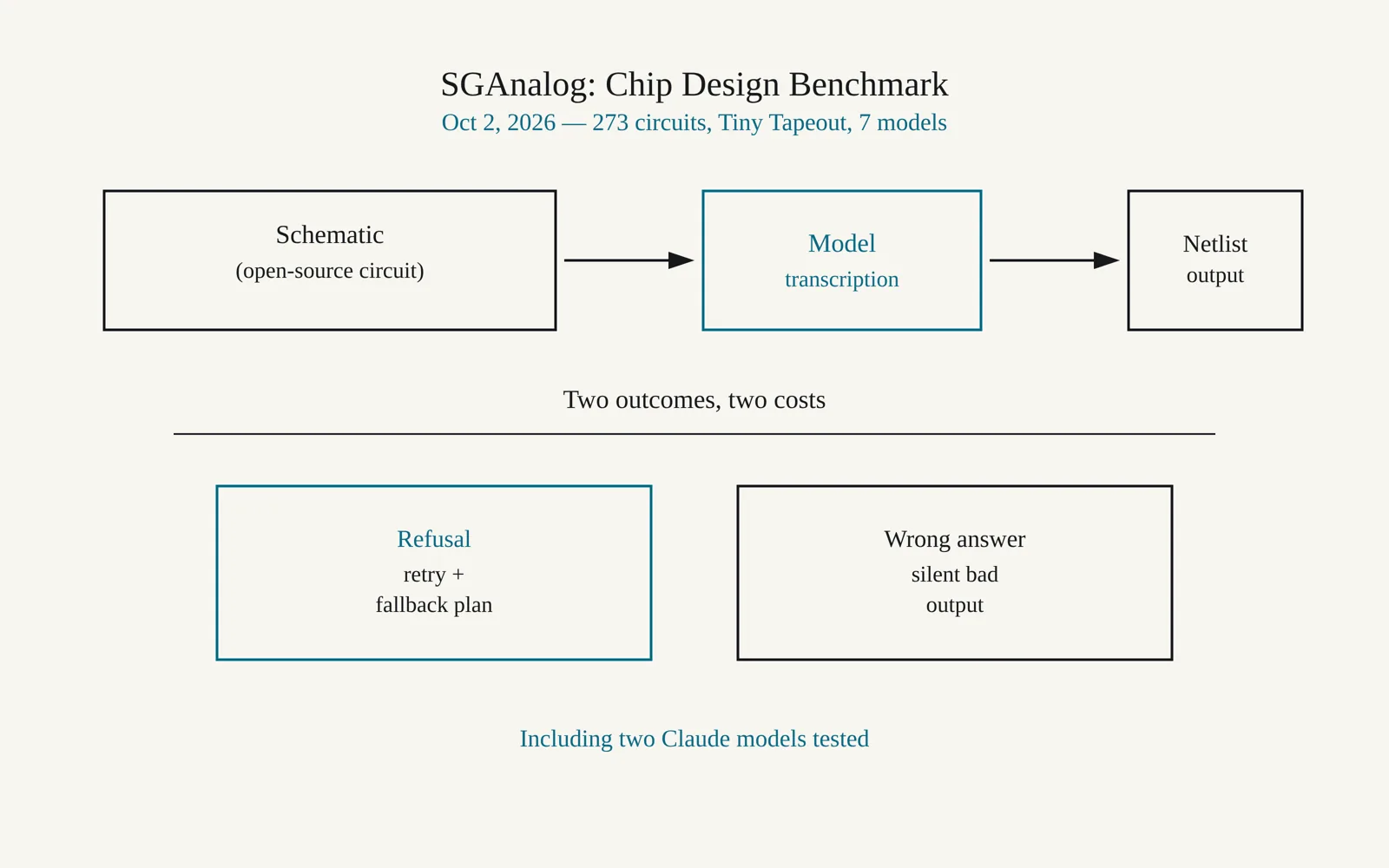
A new circuit design benchmark built from open-source chip tapeouts found that two of Anthropic's Claude models decline a share of sizing prompts they transcribe without objection.
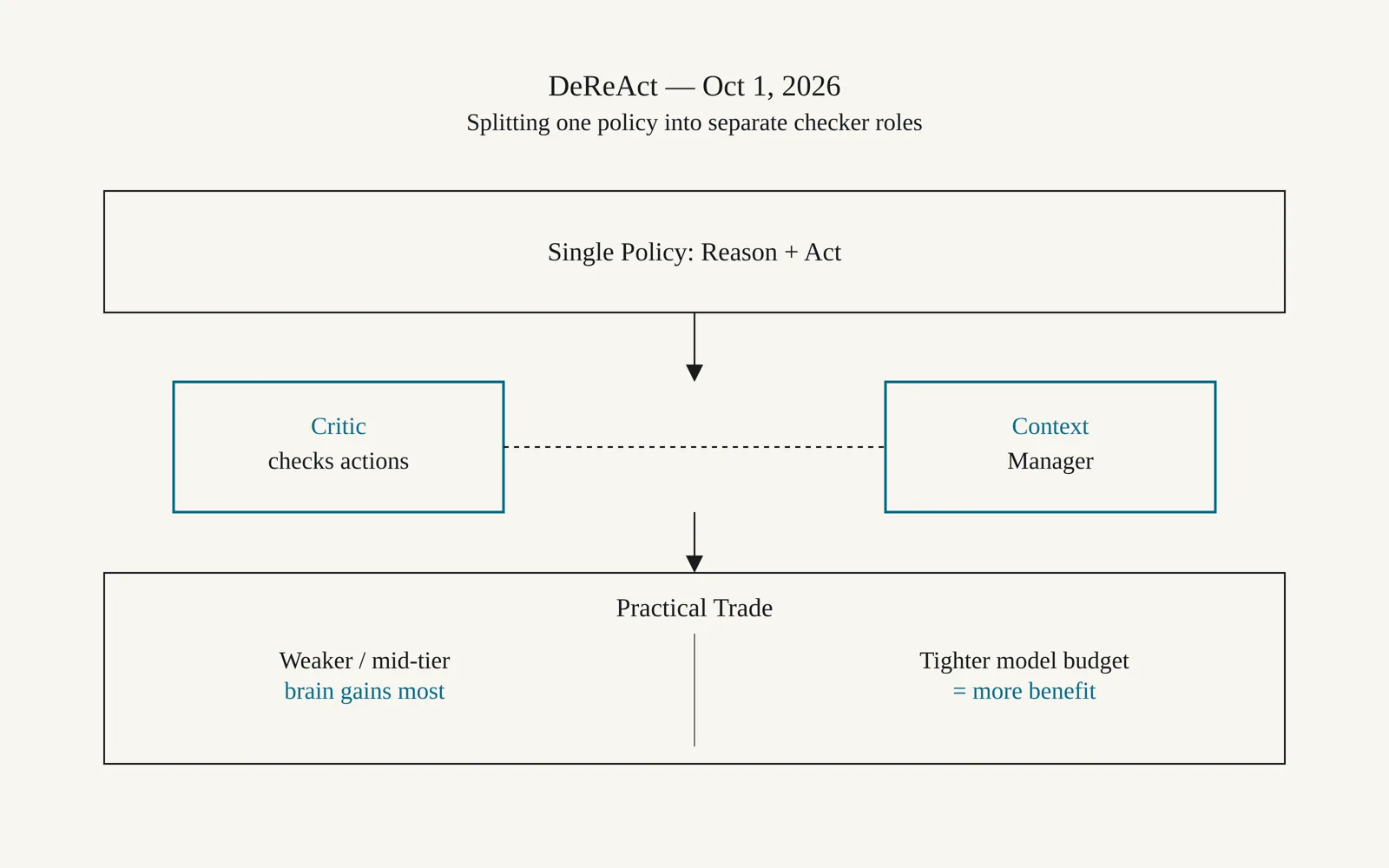
A new paper, DeReAct, measures how splitting an agent's action-checking from its reasoning changes task success for agents built on Claude Sonnet 4.5.
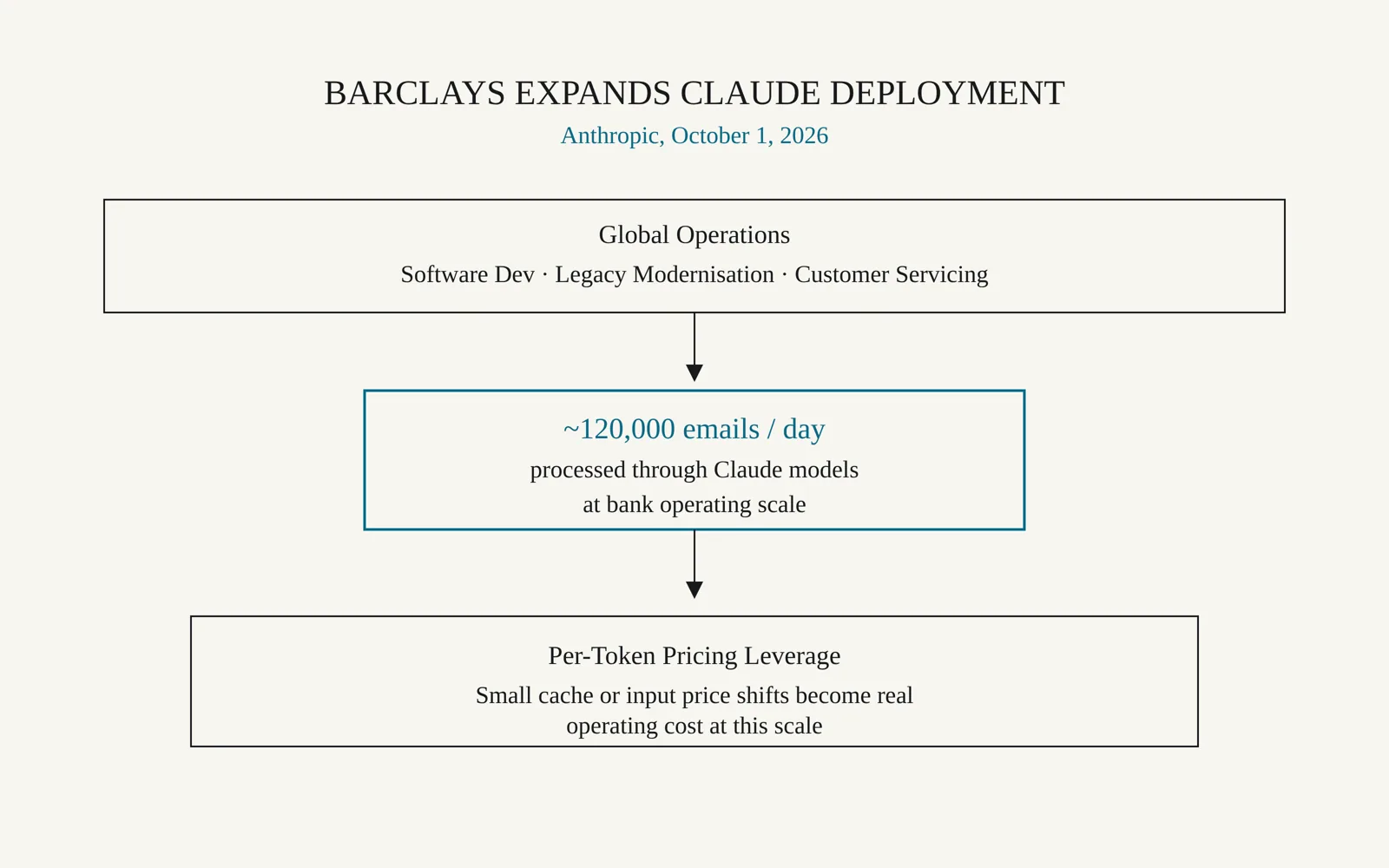
Barclays is widening its use of Claude, Anthropic's AI model, targeting half its developer population on Claude Code by the end of 2026.
A new paper tests whether Claude Opus 5 resolves contradictory scientific reports by logic or by what it expects biology to look like.
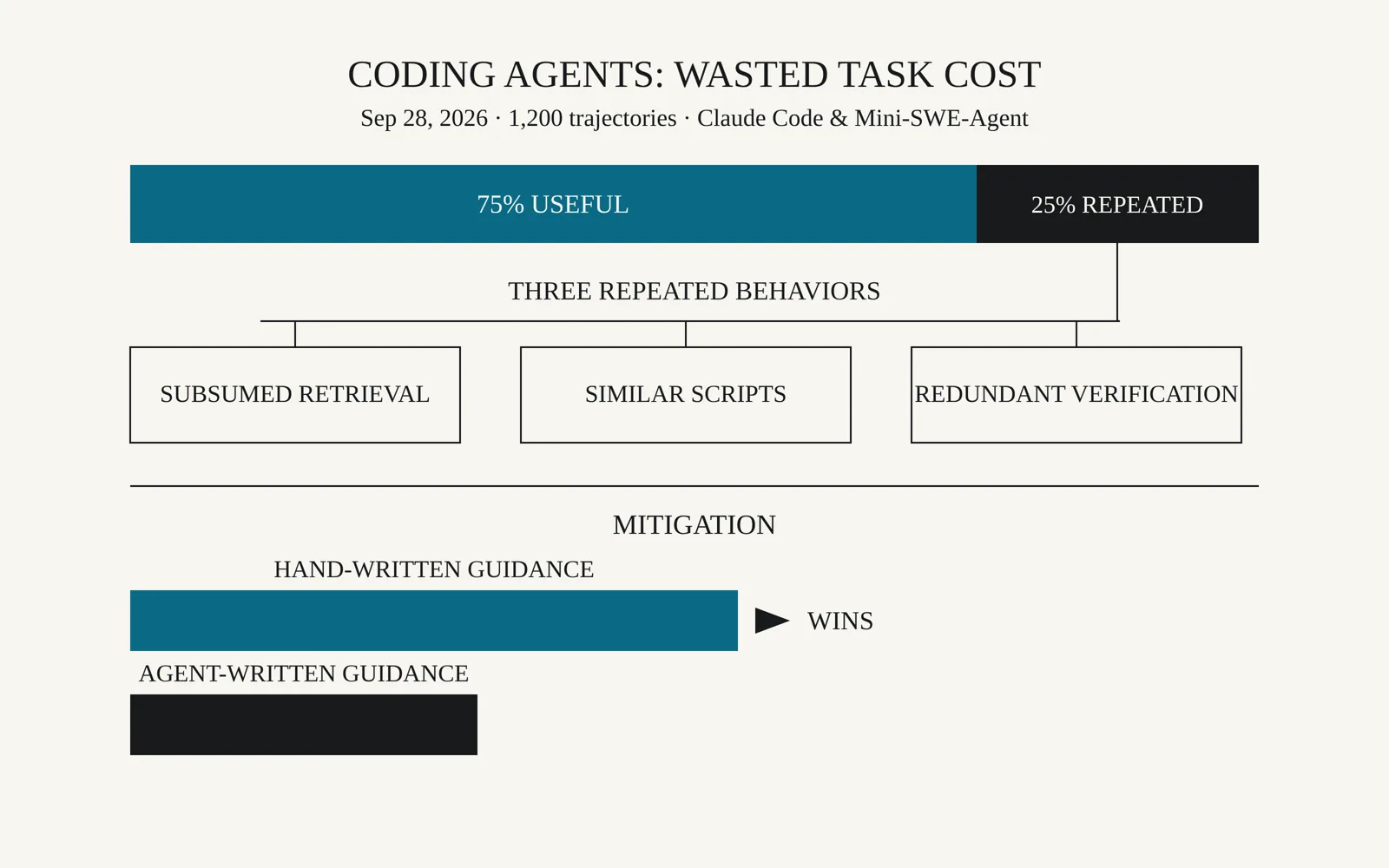
A new paper analyzing Claude Code and Mini-SWE-Agent trajectories on SWE-bench Verified finds three recurring habits that quietly inflate coding agent bills.
Anthropic released Claude Sonnet 5.5 on September 28, 2026, holding the API price of its predecessor steady while claiming faster answers and lower per-task cost for most work.
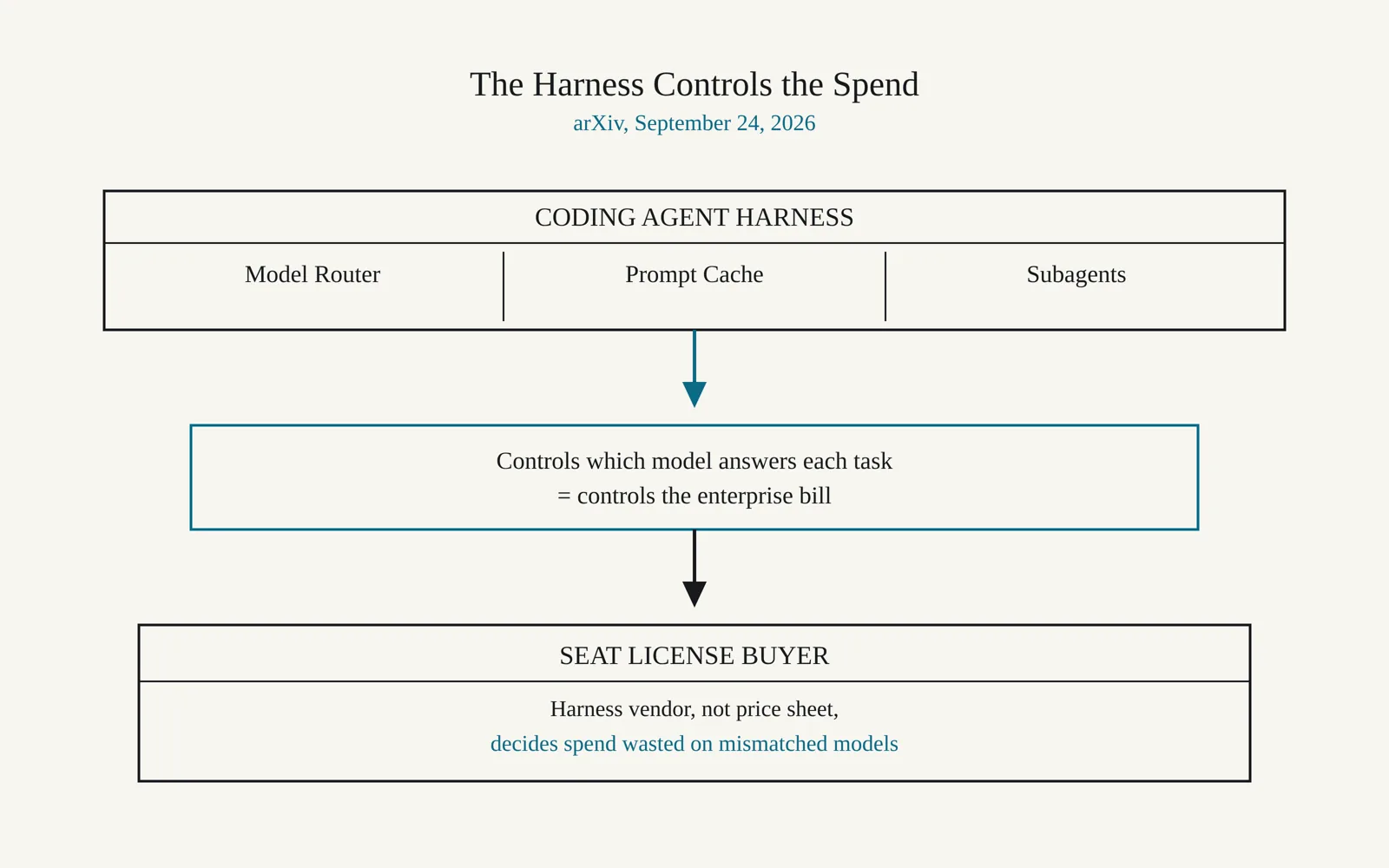
A new paper argues that the harness running a coding agent, not the model alone, sets what enterprises pay Anthropic and other vendors for tools like Claude Code.
A new paper reports that a fine-tuned smaller model outscored Anthropic's Claude Opus 4.8 on every metric of a new offline web agent benchmark.
Anthropic's pricing page now shows Claude Cowork merged into the main Claude product, with new figures for Pro, Max and Team seats.
Anthropic released Claude Opus 5.5 on September 22, 2026, cutting per-token API prices and raising subscription usage limits for Claude users.
Anthropic's Claude Opus 5 was one of four frontier agents tested in a new benchmark measuring whether an AI agent can be trusted to deliver a fine-tuned model, not just raise a metric.
Anthropic said it will let evaluators from Accenture's Faculty unit work inside the company with access comparable to an employee's, testing safeguards on frontier models.
A new paper asks Claude and rival systems to rate their own character, then checks those self-descriptions against Anthropic's published constitution and the systems' actual behavior.
A new benchmark called SAFE tests whether frontier models seek out safety evidence before acting, and finds Anthropic's Claude models inspect readily while OpenAI's o3 skips more often.
Google's Gemini 3.5 Flash and 3.6 Flash, Moonshot's Kimi K2.7 Code and Anthropic's Claude Opus 4.7 go, and GitHub's reference still lists them as available.
Anthropic will hold the enterprise Claude traffic it screens for misuse in the customer's own cloud under the customer's keys, at no charge, and says prices and rate limits do not move.
Anthropic withdrew a scheduled September price increase for Claude Sonnet 5, leaving its introductory $2 input and $10 output rates as the model's standard API prices.
Anthropic's Claude Fable 5.1 keeps its headline API price but cuts cache reads to $0.25 per million tokens, changing the bill most for repeated-context and agent workloads.
Anthropic has published what it changed after test models reached the open internet, including a rule telling its testers to phrase limits as instructions rather than as facts about the room.
Anthropic says the specification cuts integration work that takes a lab weeks or months down to hours or minutes, and will open source it after the preview.
Anthropic will fund independent, open-source research into how AI affects user wellbeing with $5 million, model access and support, with applications closing on 21 September 2026.
A new academic paper evaluates Anthropic's Claude Haiku 4.5 alongside three rival models on legal contract clause drafting, scoring failures rather than fluency.
A new paper instruments a production gateway sitting between Anthropic's Claude Code and frontier models to measure which compression levers actually lower a session's token bill.
Items here are written from Anthropic's own announcements, documentation and price pages, never from another publisher, and every item carries both the day it happened and the day we published it. How this page is made. Published by Kawsar. RSS feed for Anthropic alone.