Google.org Funds Five Groups Building AI Tools For Teachers
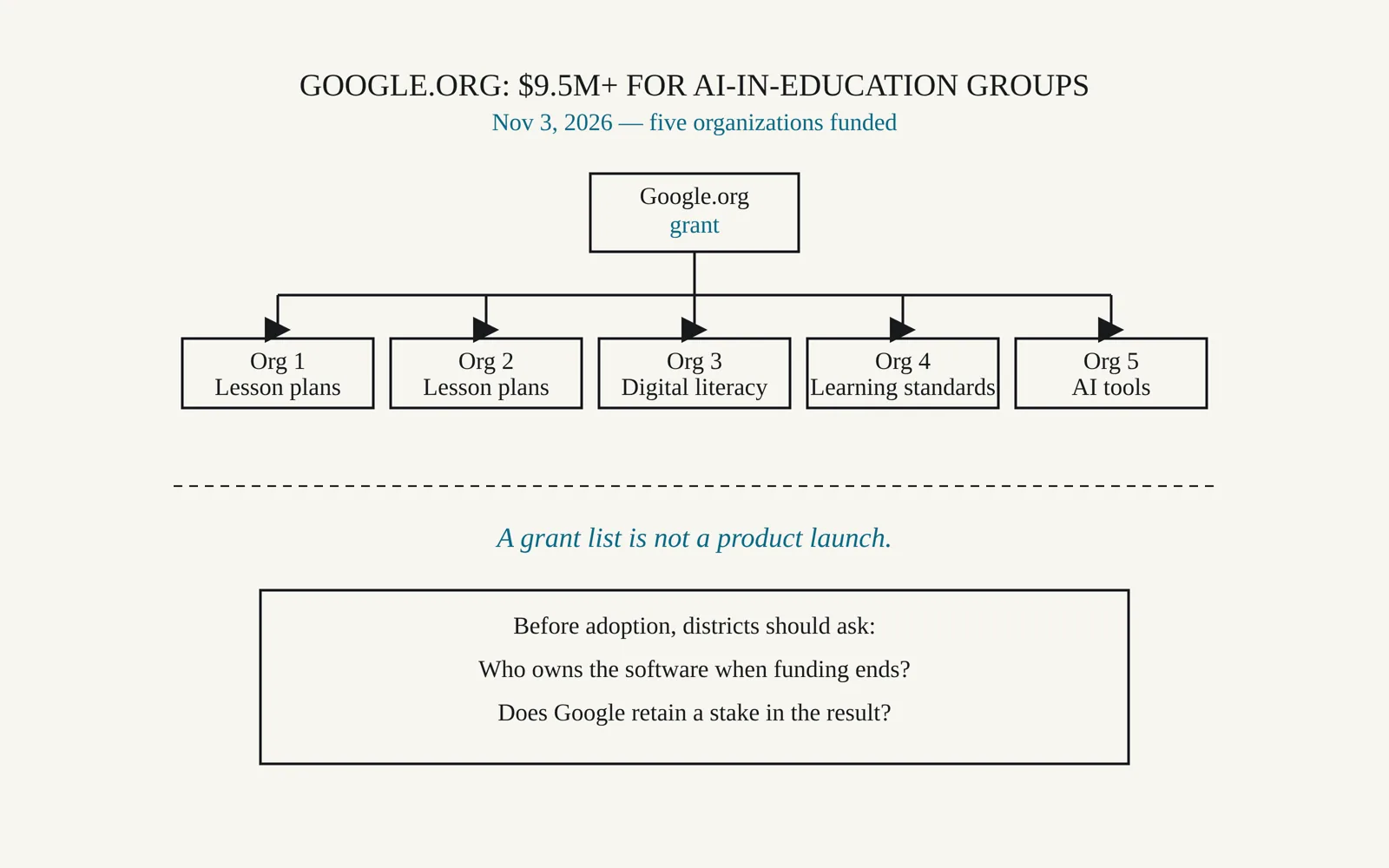
Google.org is funding five organizations building AI tools for teachers, pairing Google DeepMind's model work with grants aimed at classroom use.
Every change we have logged at Google, newest first, each with the page Google published as the receipt and a plain statement of what it means for you.
41 items. Back to 1 Sep 2026. Models and products, Tools, Research, Business. Updated 3 Nov 2026.
The newest change logged at Google is Google.org Funds Five Groups Building AI Tools For Teachers, dated 3 Nov 2026. Gemini costs from $4.99 a month on the Google AI Plus tier, read from gemini.google/us/subscriptions on 2 Nov 2026. The cheapest Google model this ledger prices costs $0.30 per million input tokens, read from ai.google.dev/gemini-api/docs/pricing on 2 Nov 2026.
Written from the newest item on this page and from the ledger rows behind it. Newest event .
Where Google stands, and what we hold on itGemini plans and pricesevery company
Google.org is funding five organizations building AI tools for teachers, pairing Google DeepMind's model work with grants aimed at classroom use.
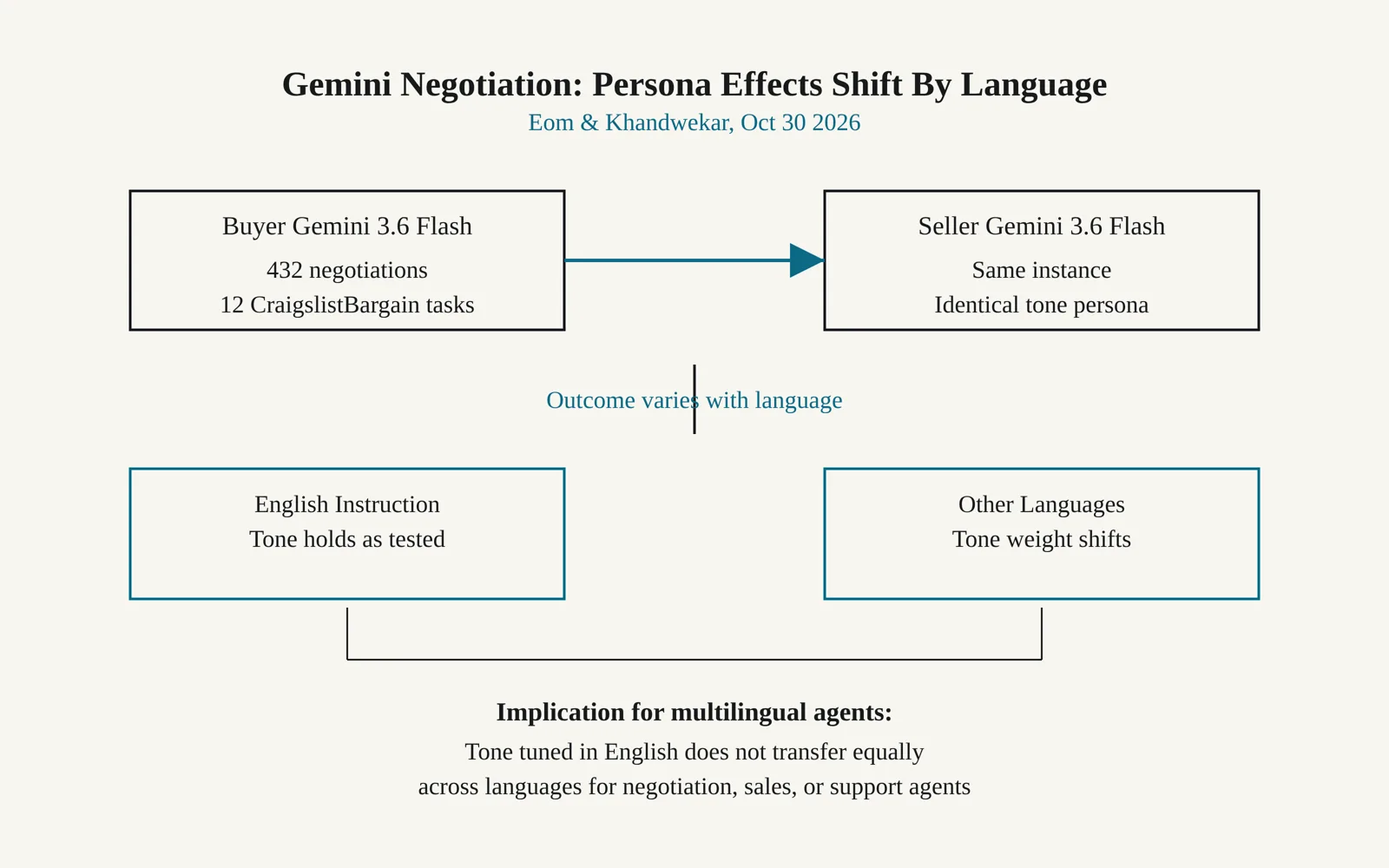
A new paper testing Google's Gemini model in buyer-seller negotiations found that the same persona instruction produced different deal outcomes in English and Korean.
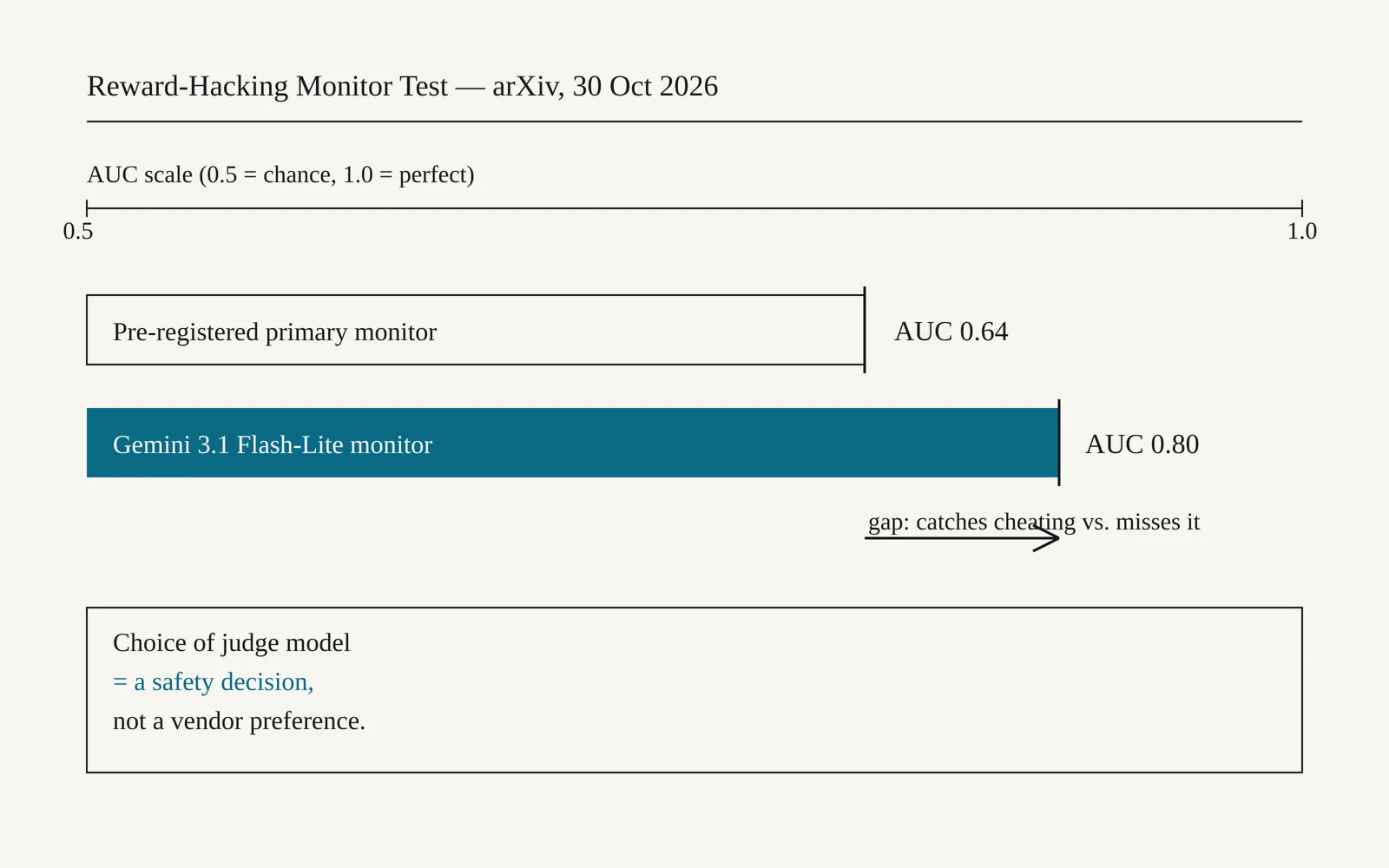
A new paper tests whether Google's Gemini 3.1 Flash-Lite can tell real reward hacking apart from honest failure better than small local monitors.
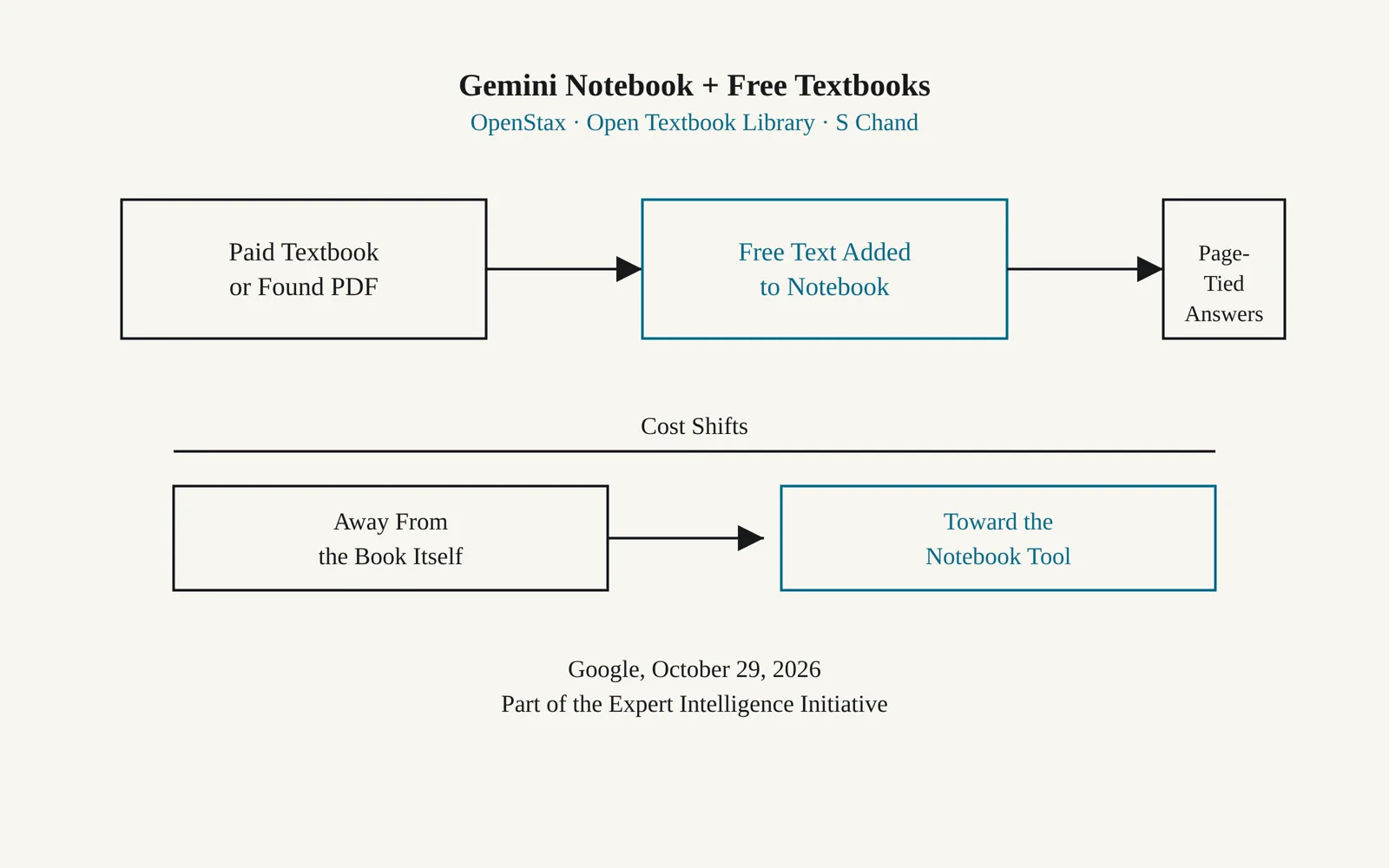
Google added free textbooks to Gemini Notebook, letting students ground study guides and quizzes directly in course materials from OpenStax and S Chand.
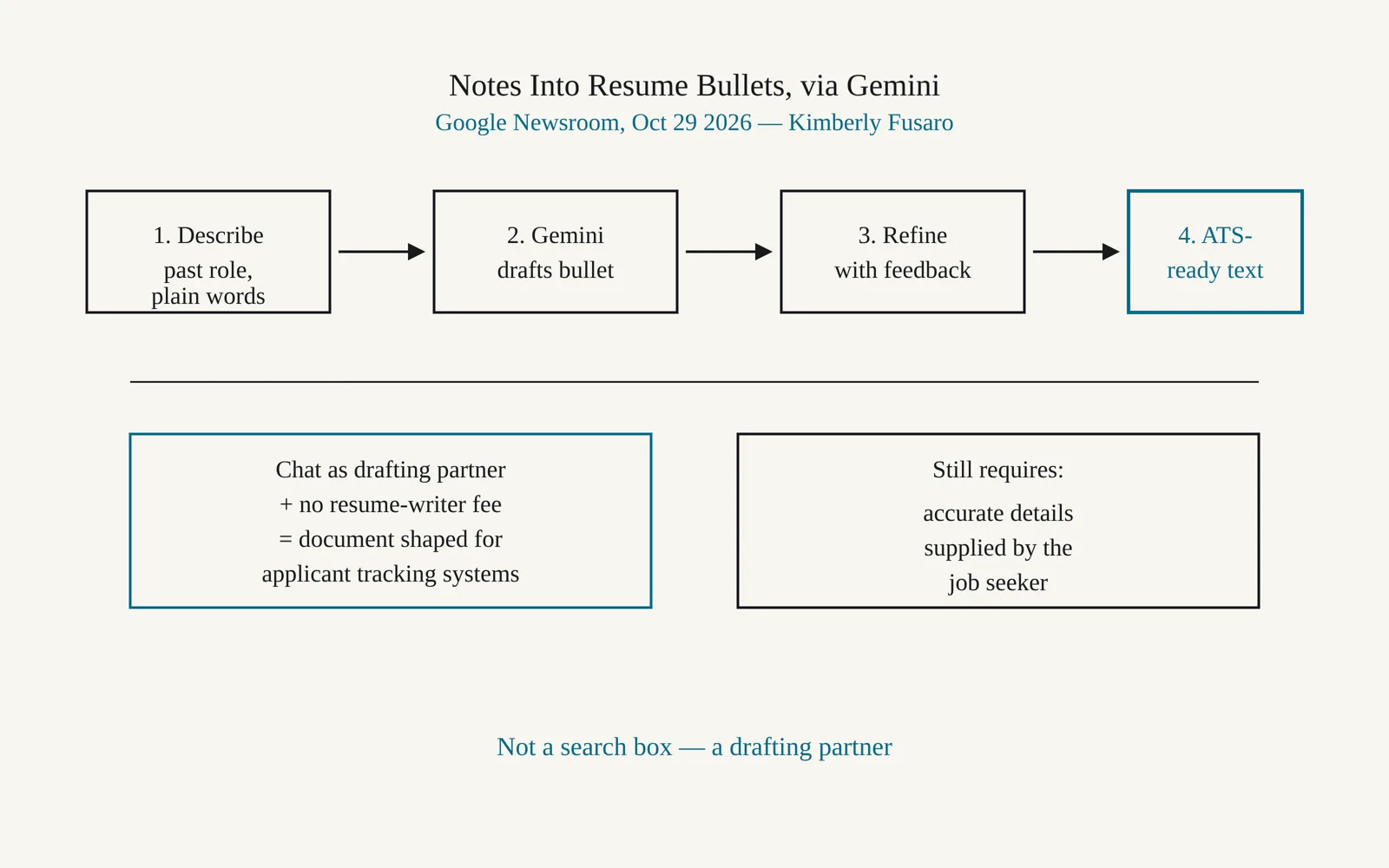
Google's newsroom published a short guide showing how the Gemini app can turn rough, unedited notes about past jobs into polished resume bullets.
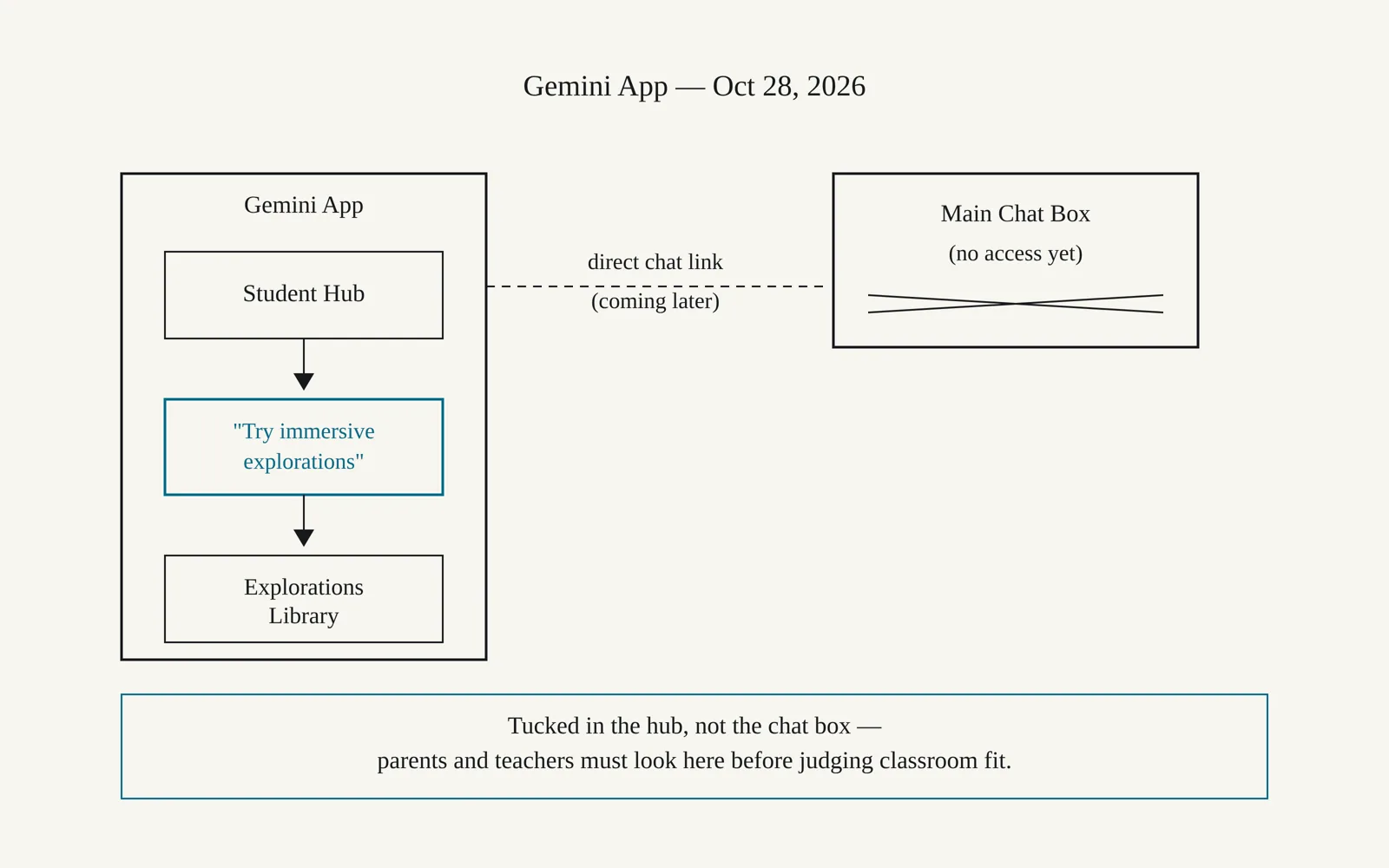
Google added a library of immersive explorations to the Gemini app's student hub, letting learners move through topics layer by layer from one interactive panel.
Researchers built a four-agent causality assessment system using Google's Gemini 2.5 Pro and DeepSeek-V3.2 to review drug safety case reports against expert judgment.
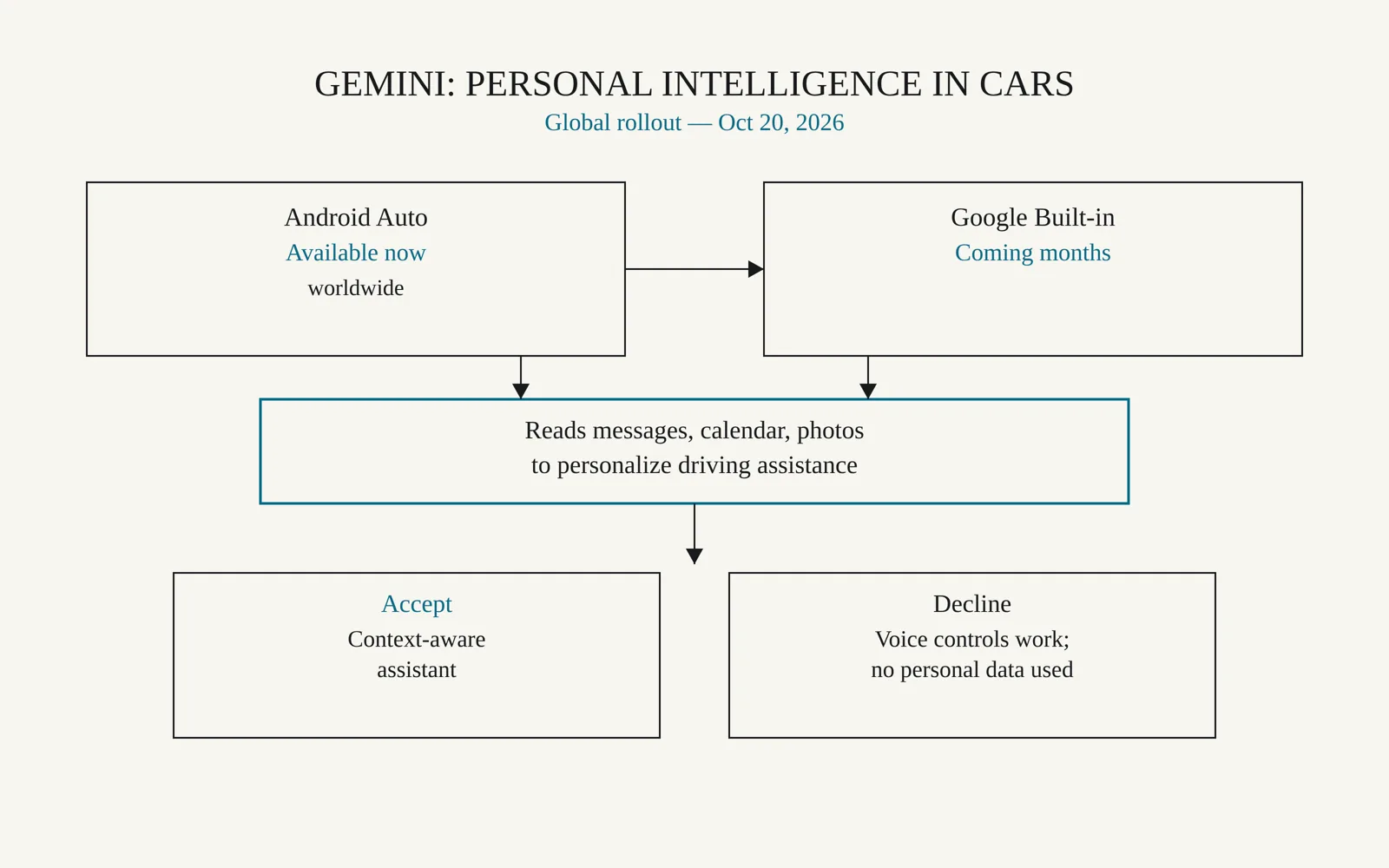
Google is rolling out Personal Intelligence for Gemini in cars, letting the assistant draw on a driver's Gmail, Photos and Calendar for hands-free help.
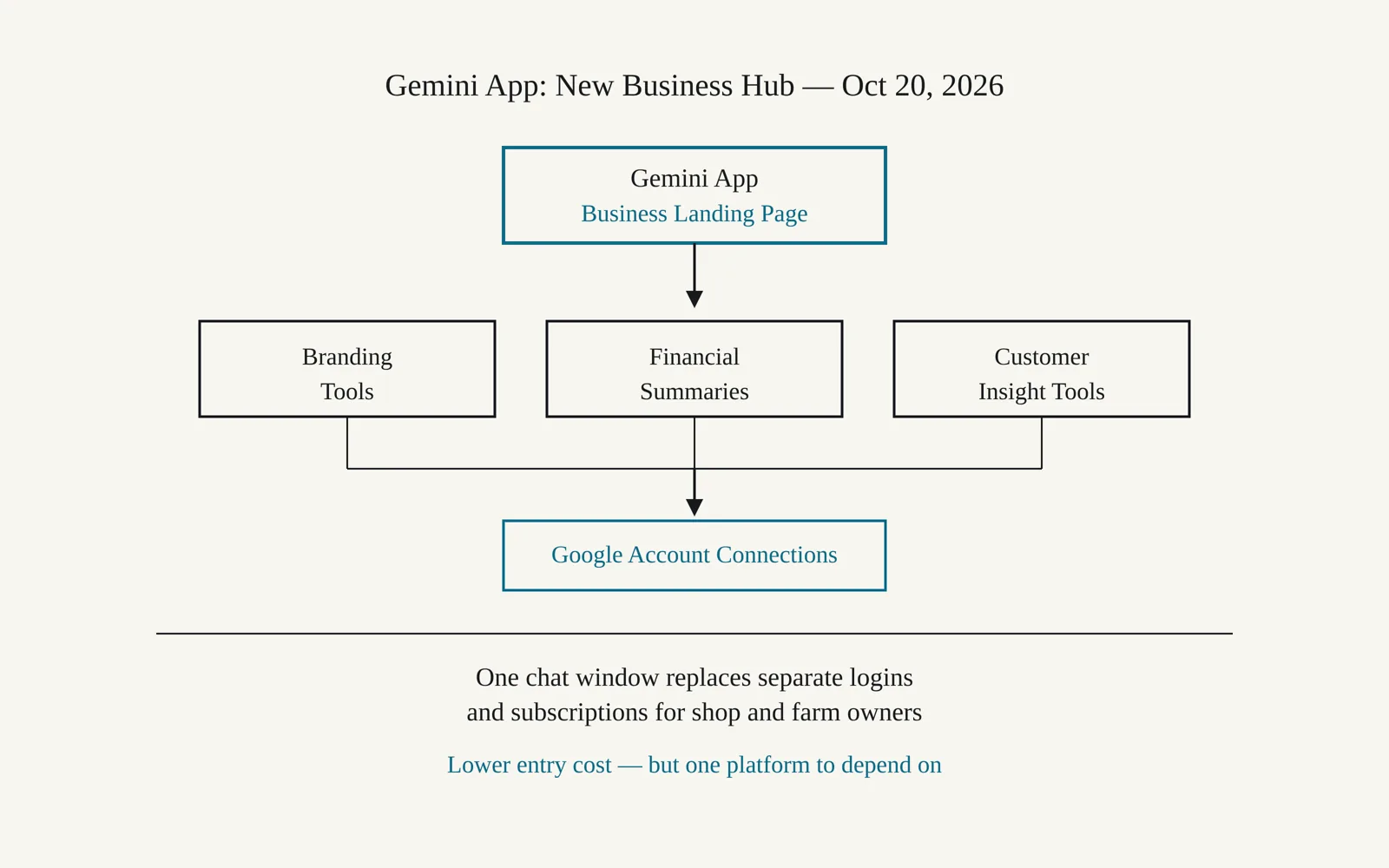
Google added a dedicated small business landing page to the Gemini app, bundling branding, finance and app connections into one hub.
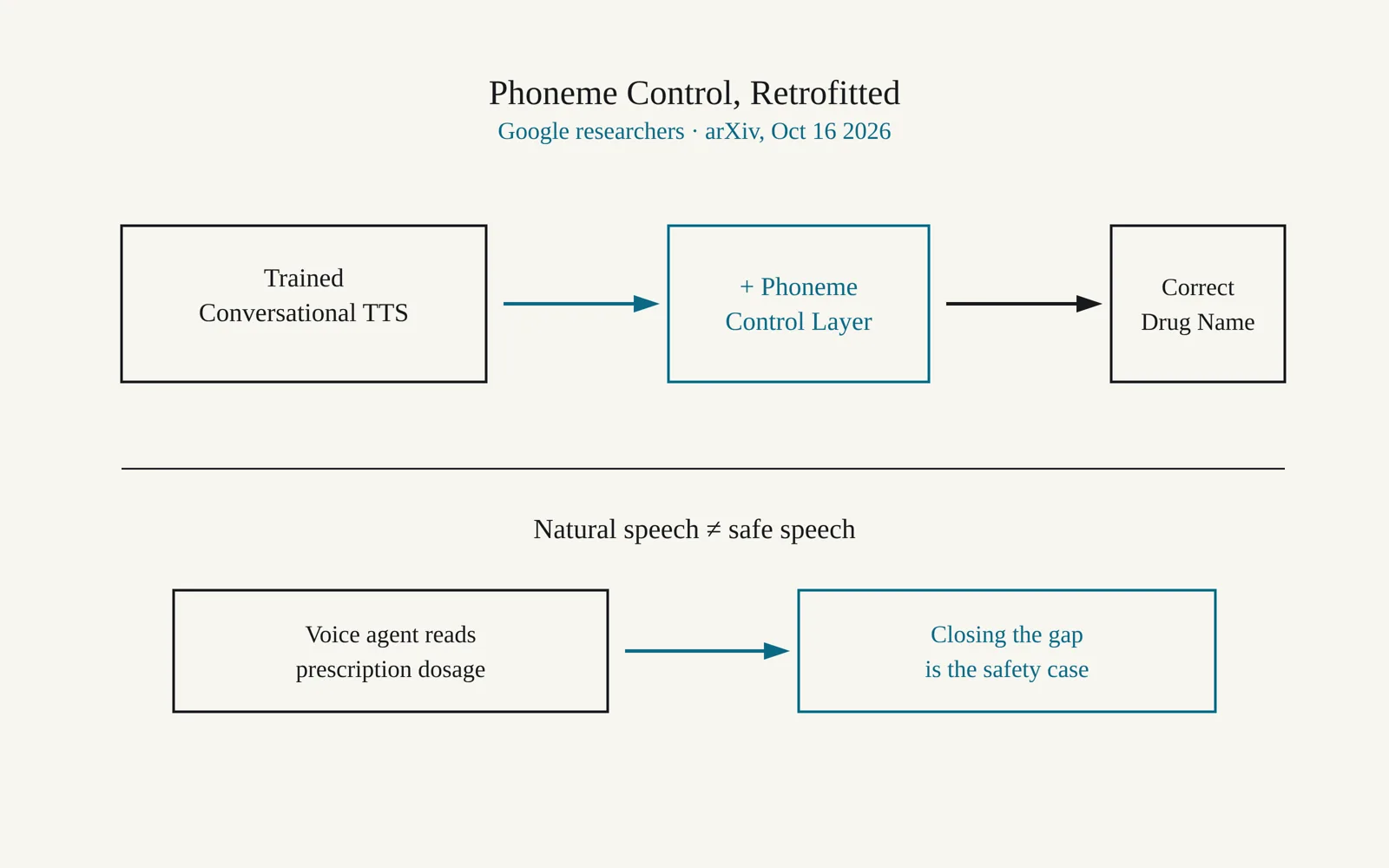
Researchers including Google DeepMind authors published a method that retrofits phoneme control onto conversational text to speech models, scored with Gemini as the judge of drug name accuracy.
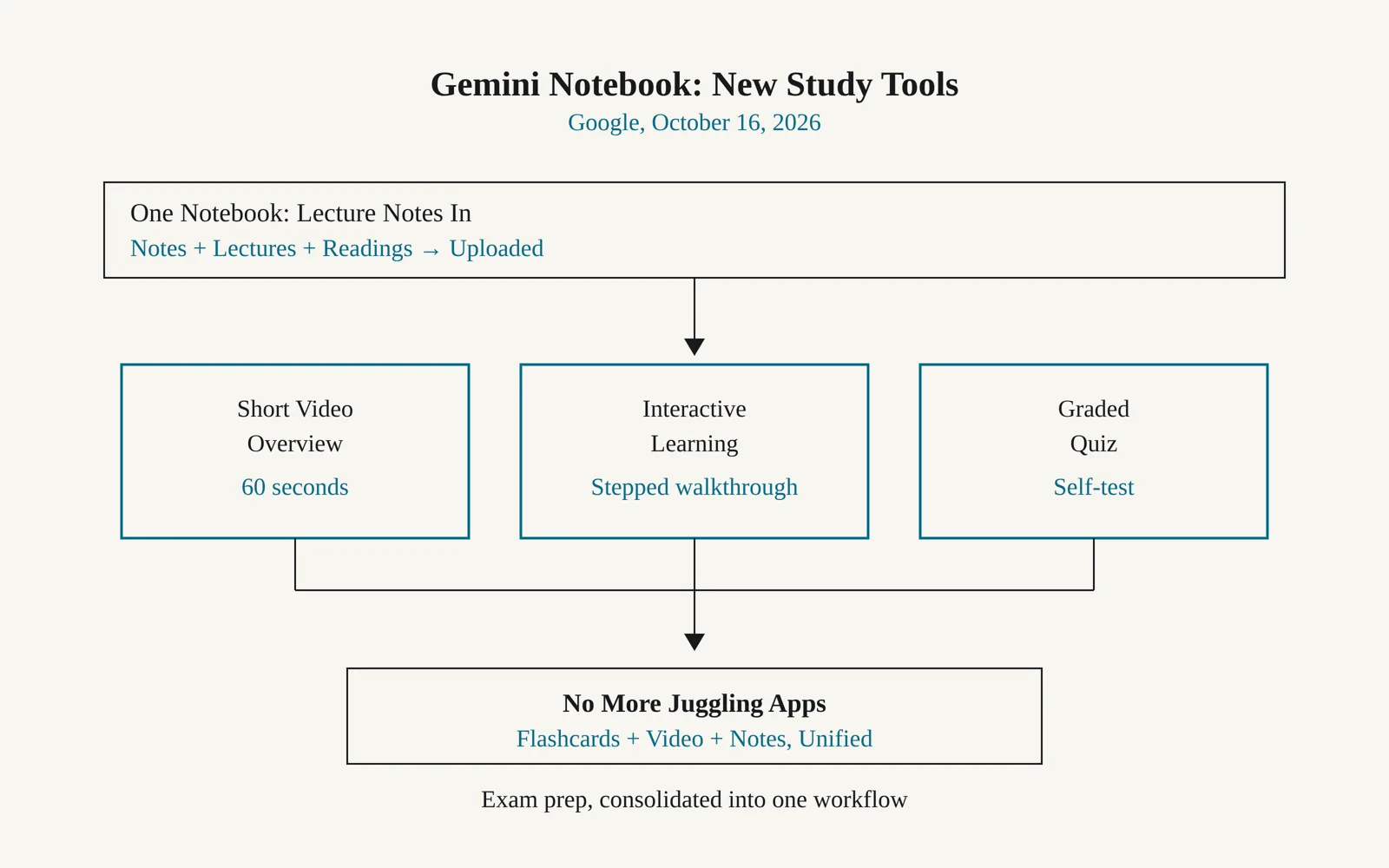
Google added three study features to Gemini Notebook, including short video overviews and new quiz formats, aimed at exam preparation.
Google's Gemini subscription page now promotes Gemini 4 Argon access for AI Pro and AI Ultra subscribers, with plan prices unchanged from the prior structure.
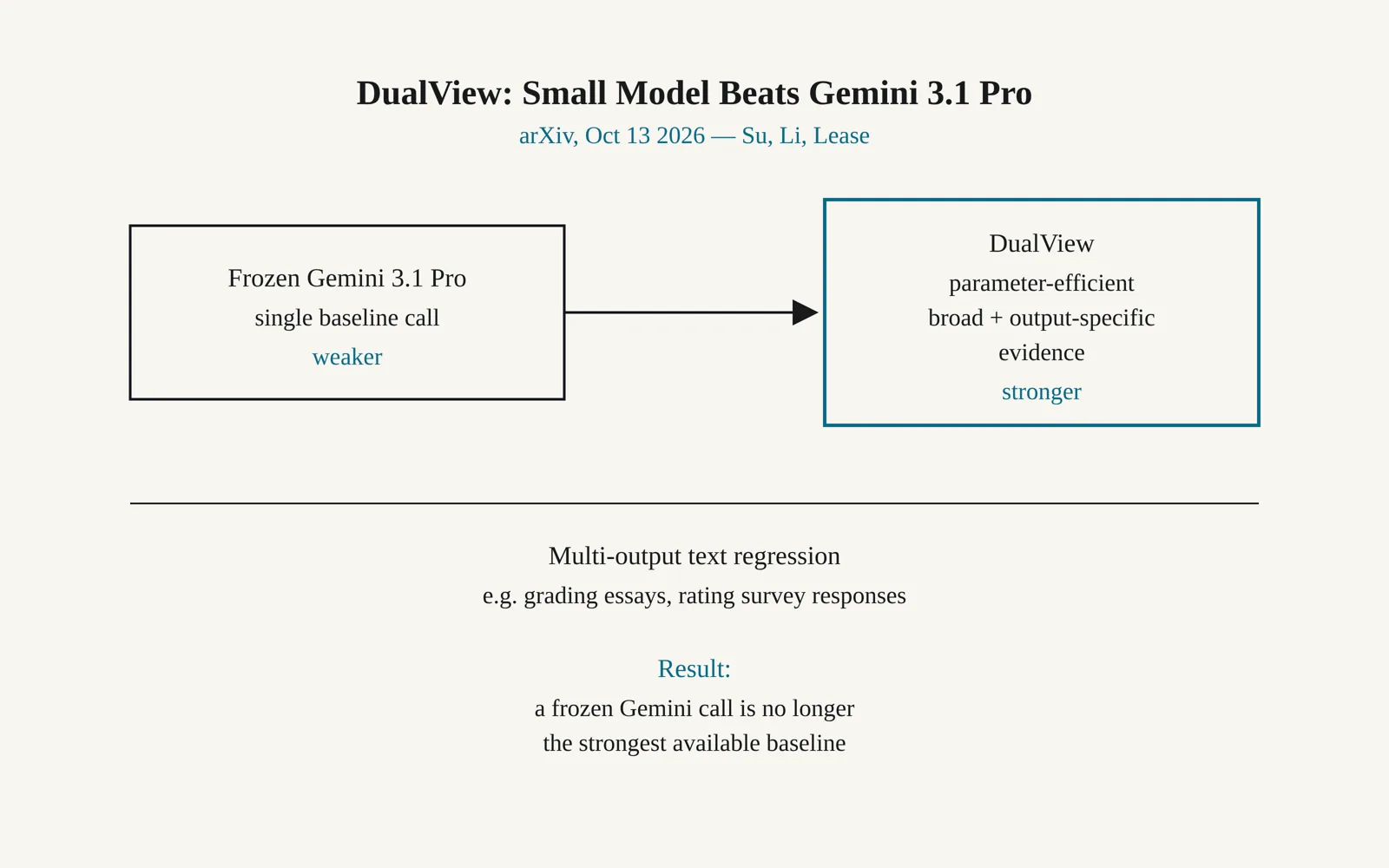
A new paper describes DualView, a text regression method whose smaller open weight language model outperformed unsupervised prediction with Google's Gemini 3.1 Pro.
A new academic benchmark testing eight language models found Google's Gemini 2.5 Flash scored highest for factual accuracy in Bengali summaries.
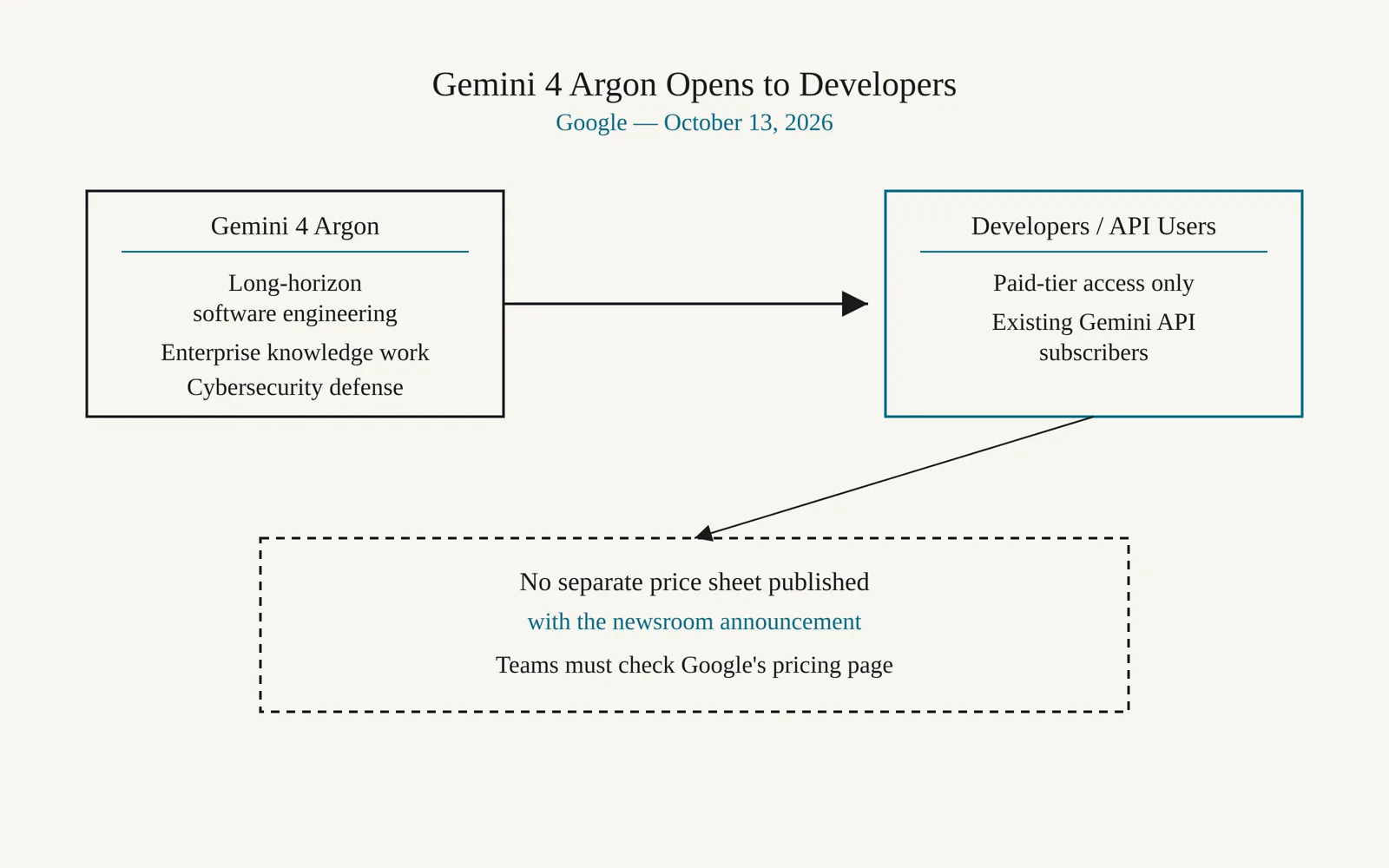
Google made Gemini 4 Argon available to developers through the Gemini API, Google AI Studio, Android Studio and Antigravity on October 13, 2026.
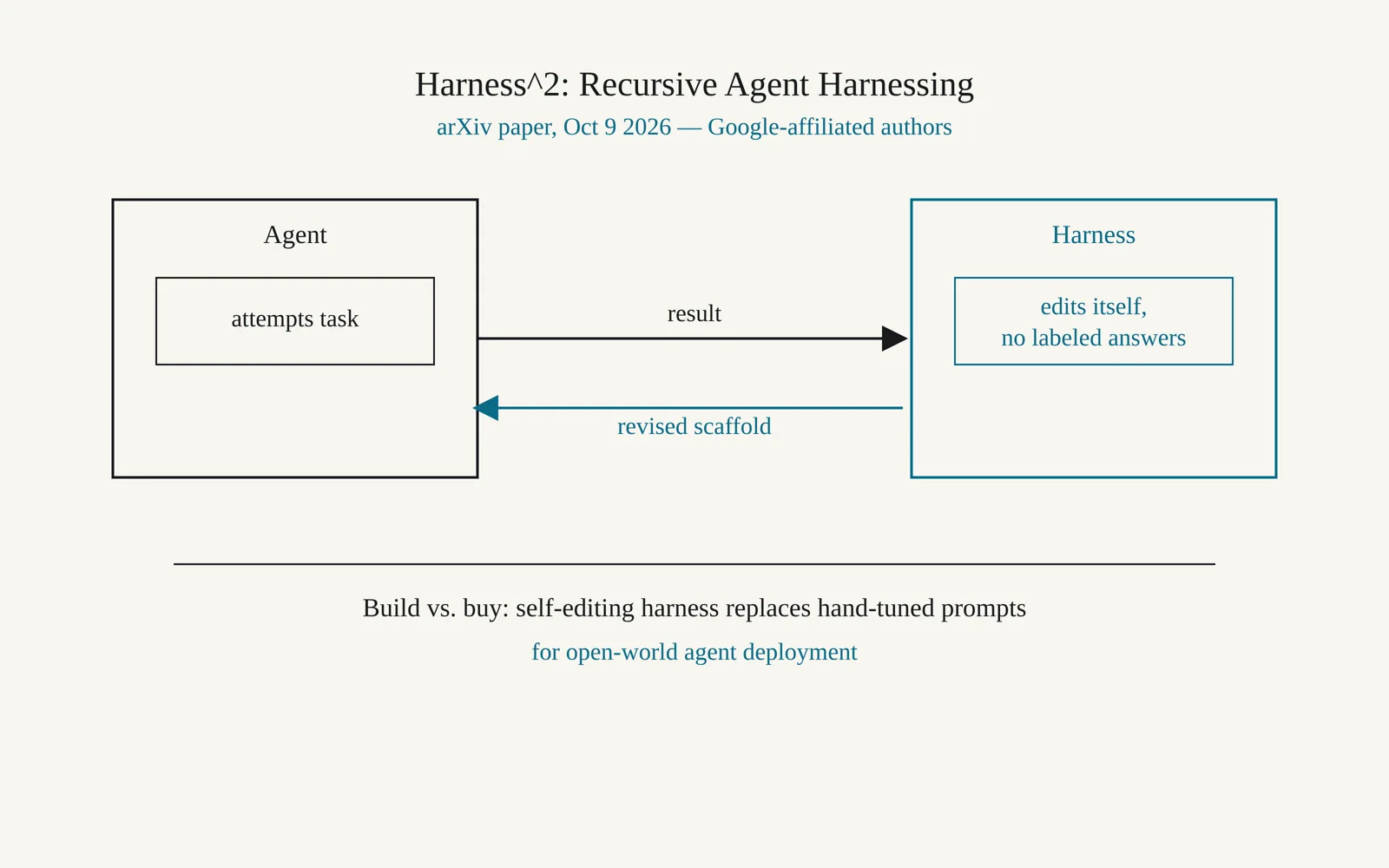
A paper with Google-affiliated authors proposes Harness^2, a framework that lets agent harnesses edit themselves and reports gains on Gemini 3.5 Flash.
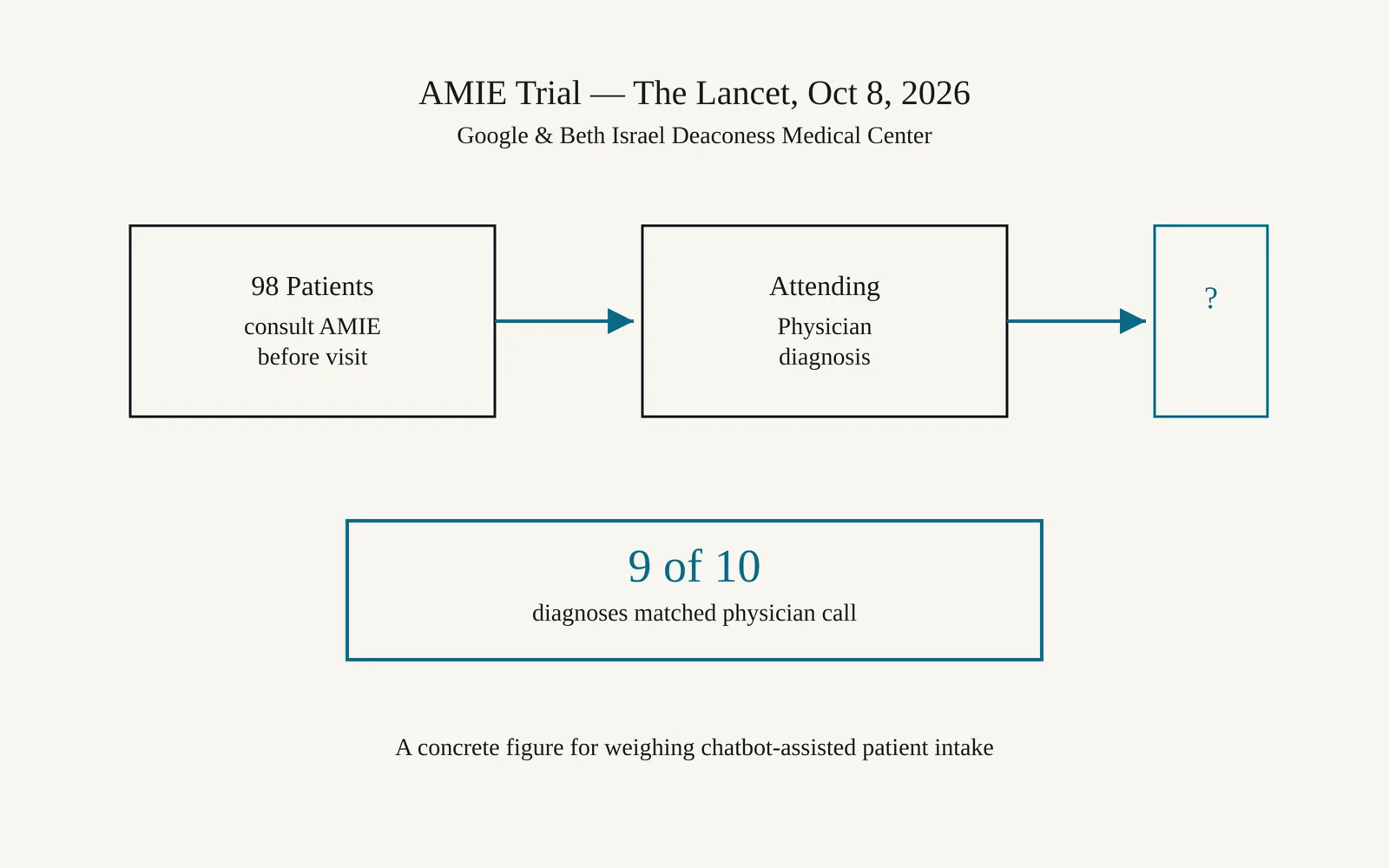
Google published a peer reviewed study in The Lancet describing how its AMIE research AI performed during real primary care visits at a Boston clinic.
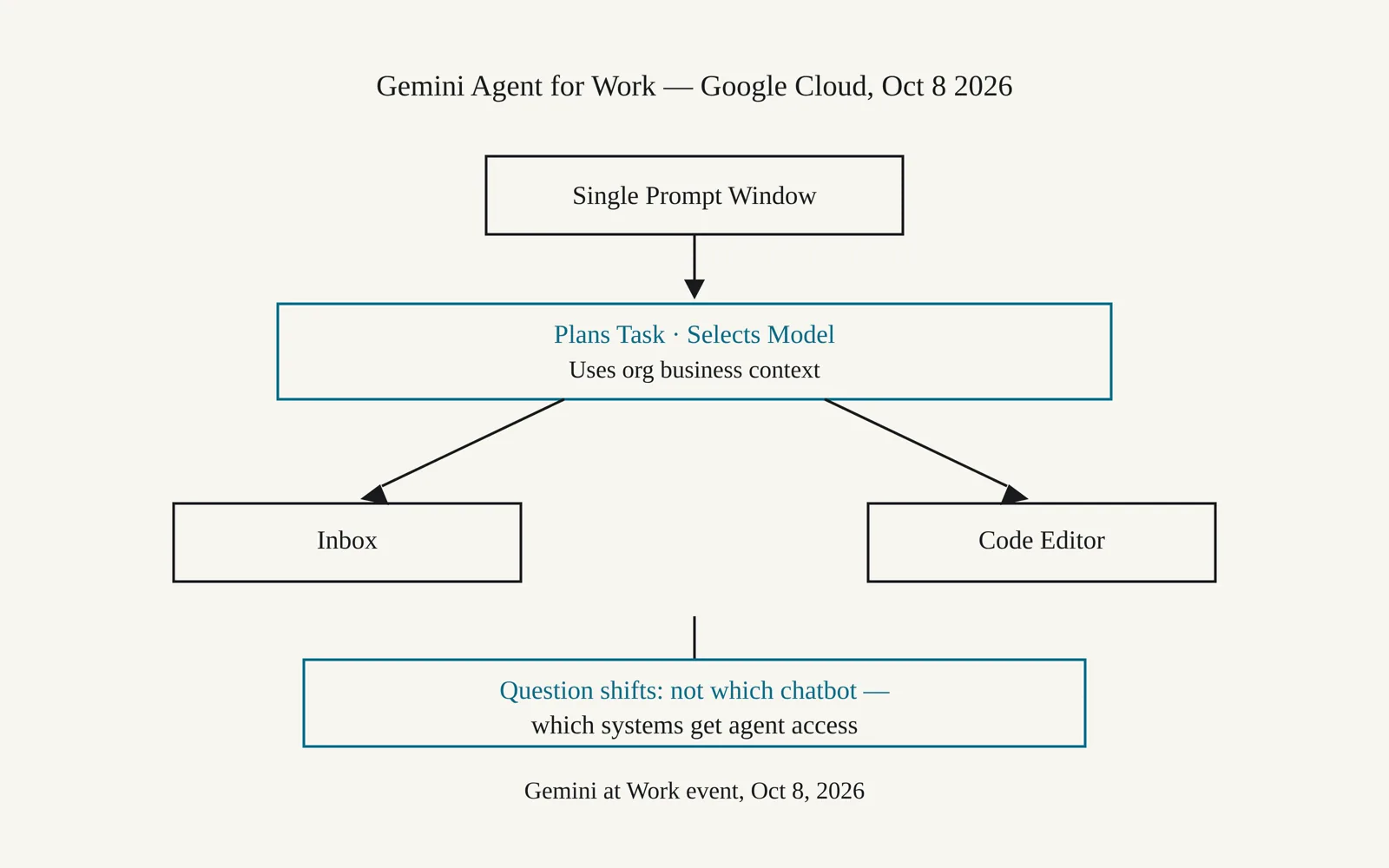
Google Cloud introduced the Gemini agent at its Gemini at Work event, a single prompt box meant to plan tasks, pick a model and reach into a company's own systems.
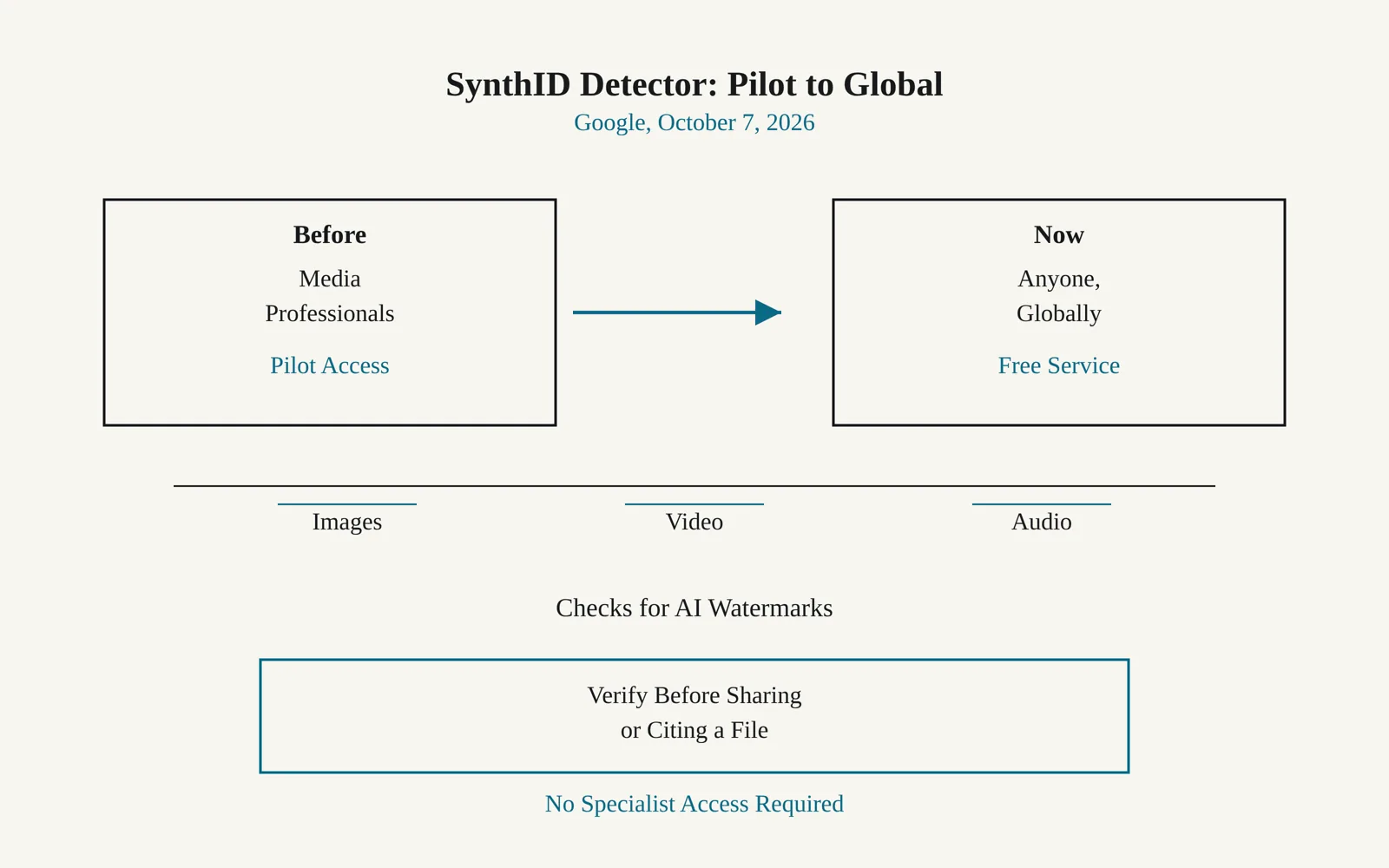
Google said its SynthID Detector, which flags AI-generated images, video and audio, is now open to anyone online rather than only media professionals.
A new paper runs Gemini 2.5 Flash through a governed file-recovery test to see whether a safety supervisor's own interventions can stall the agent it is meant to control.
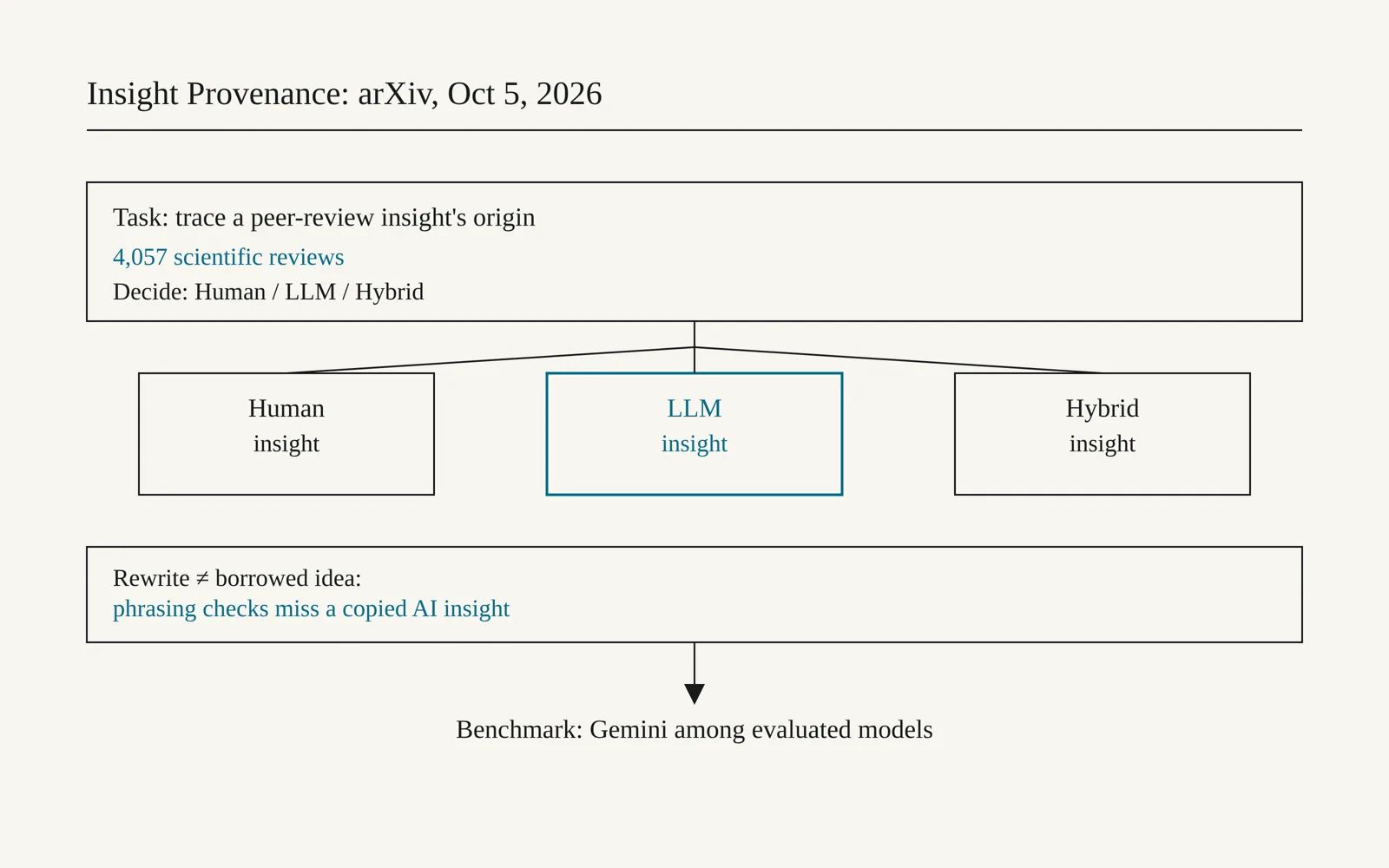
A new paper tests whether reviewers' insights came from a human, an LLM such as Gemini, or a hybrid of the two, not just who typed the words.
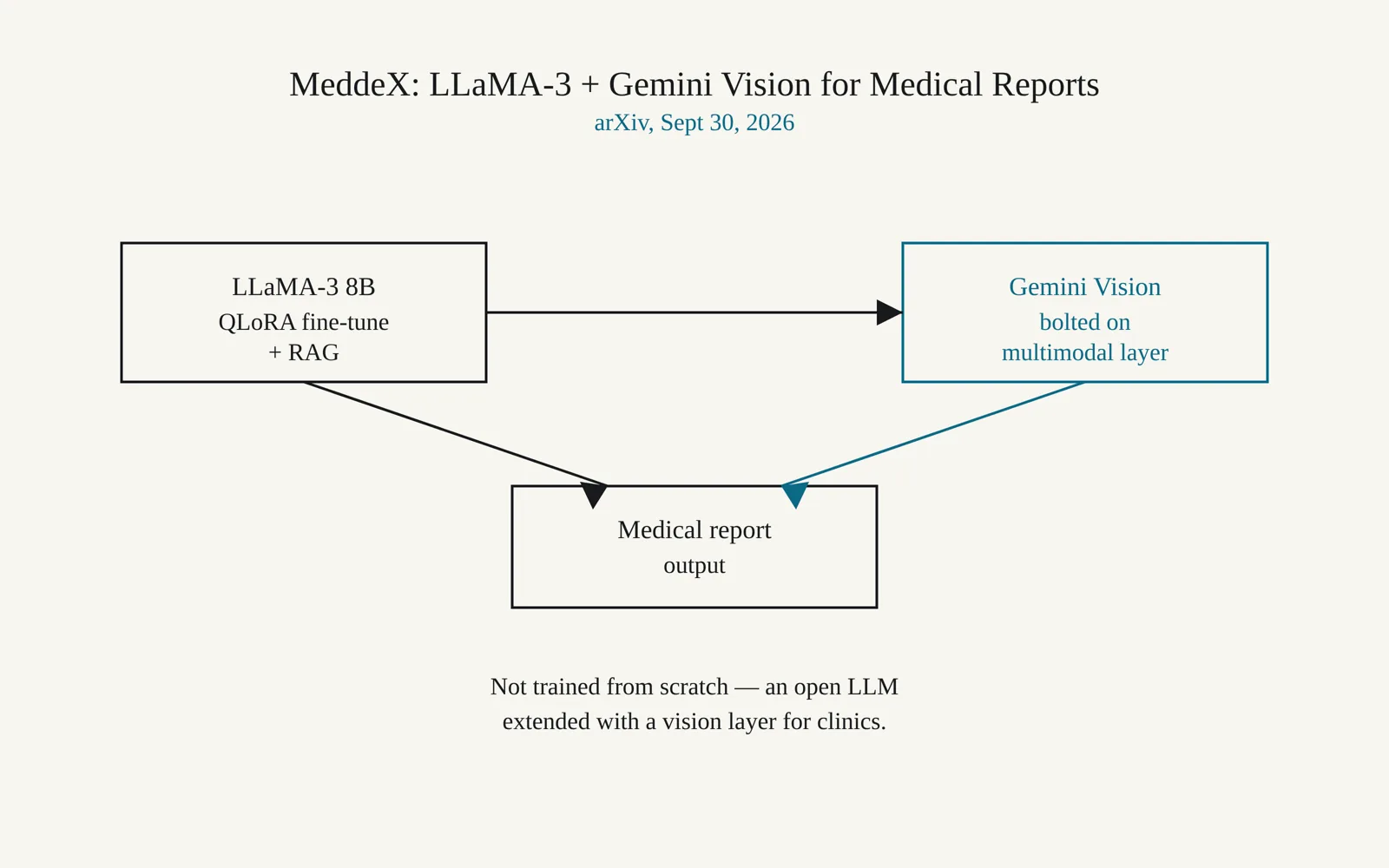
A new paper describes MeddeX, a medical report analyzer that pairs a fine-tuned LLaMA-3 model with Google's Gemini Vision for reading scanned and radiological images.
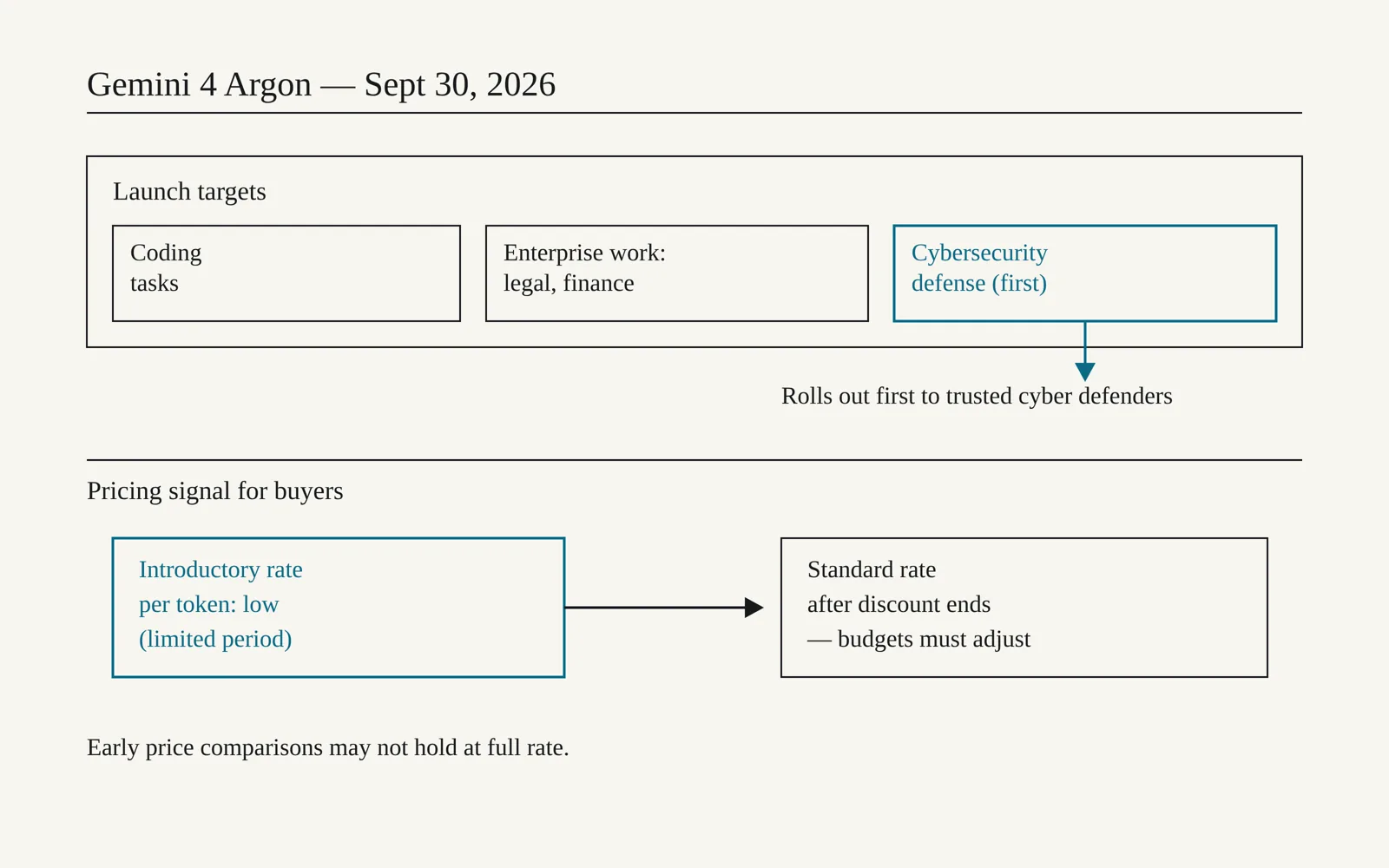
Google introduced Gemini 4 Argon, a frontier model built for coding, enterprise knowledge work and cybersecurity defense, rolling out first to trusted testers.
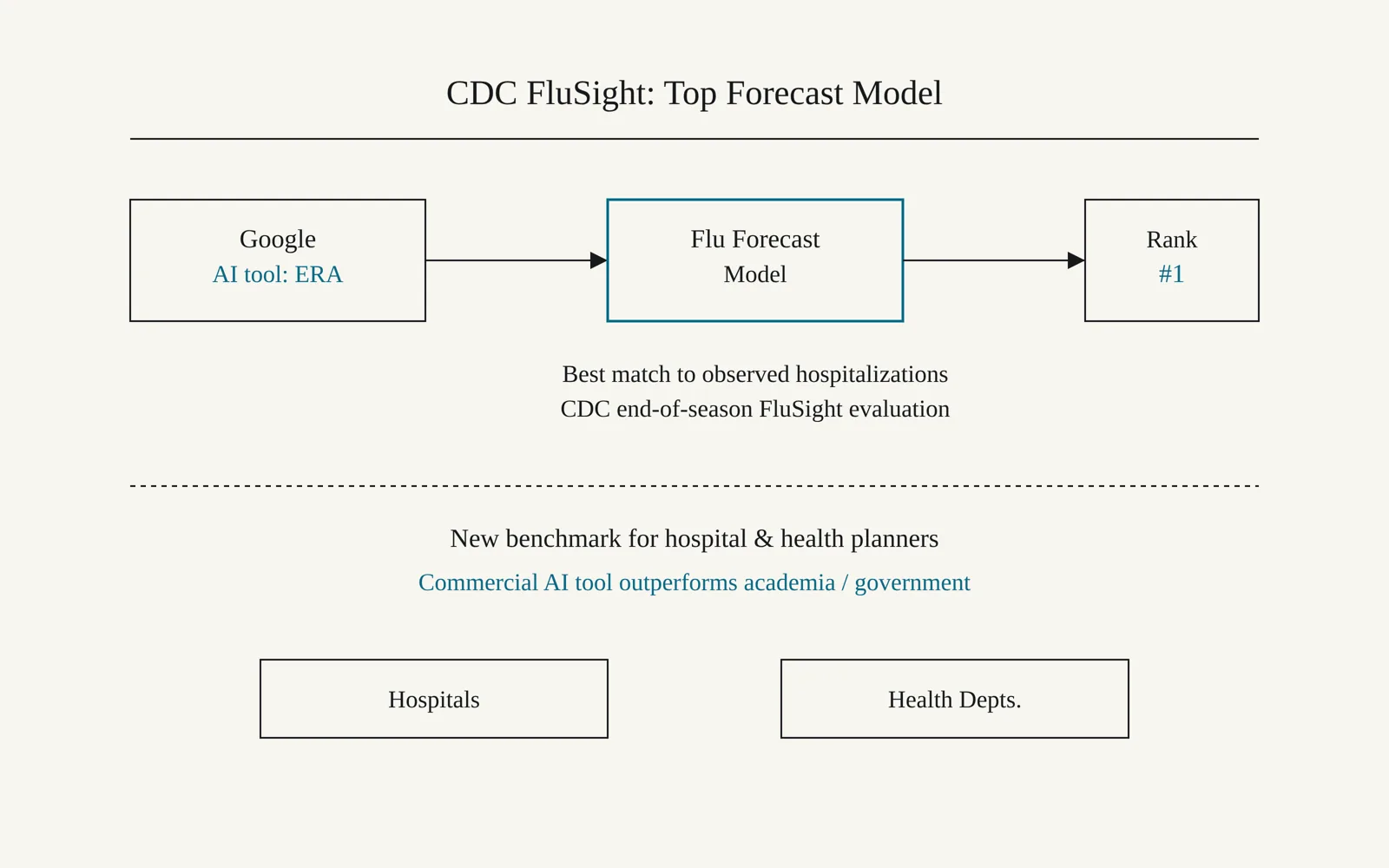
Google said a flu forecasting model it built, powered by an AI research tool, ranked best among entries judged in the CDC's FluSight evaluation for the 2025-26 season.
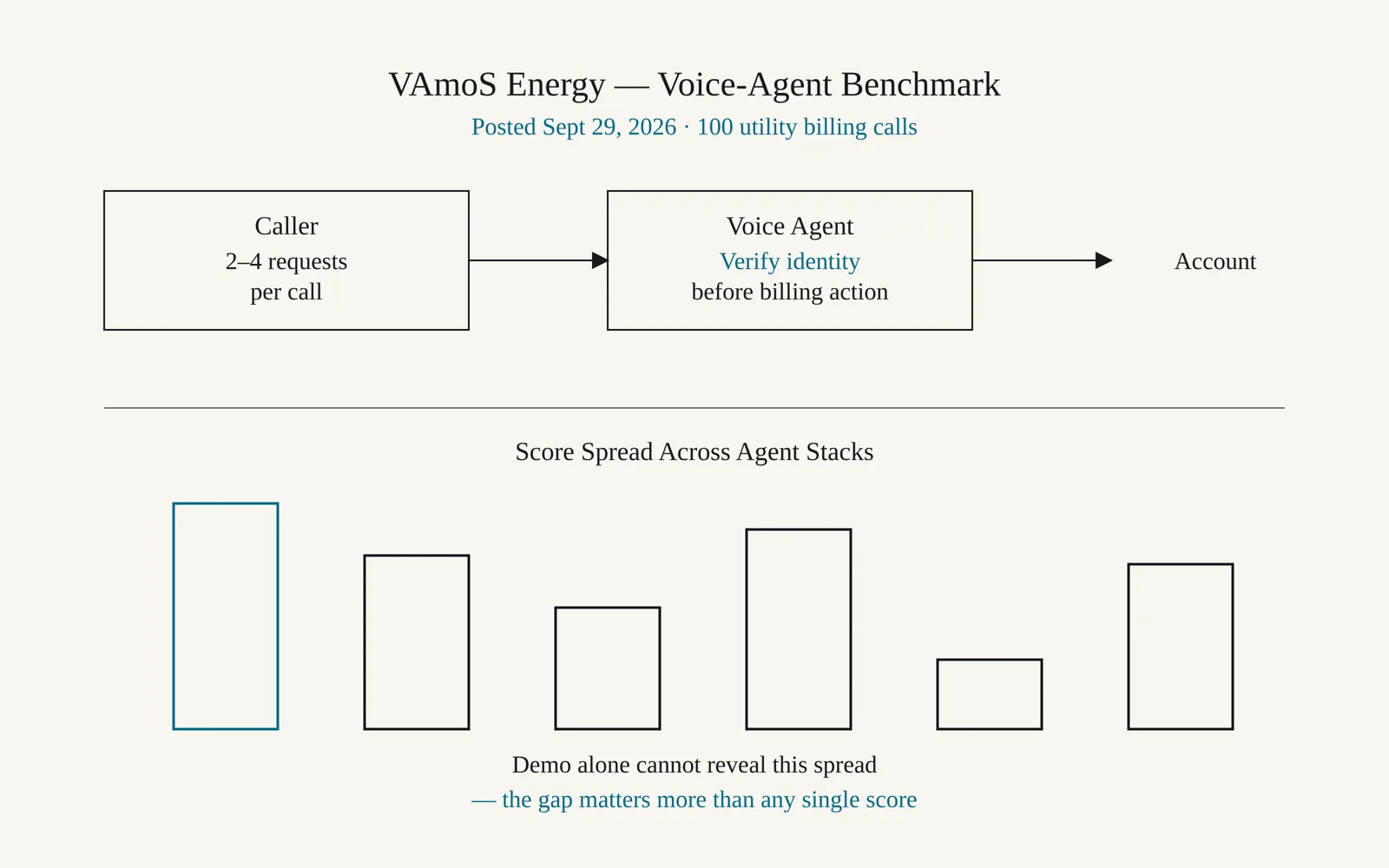
A new benchmark called VAmoS Energy tests fourteen voice stacks, including Google's Gemini 3.8 Live, on utility billing calls with background noise and impatient callers.
Google published a roundup of four developer projects built with Gemini 3.8 Flash, the workhorse model it priced into the API this month.
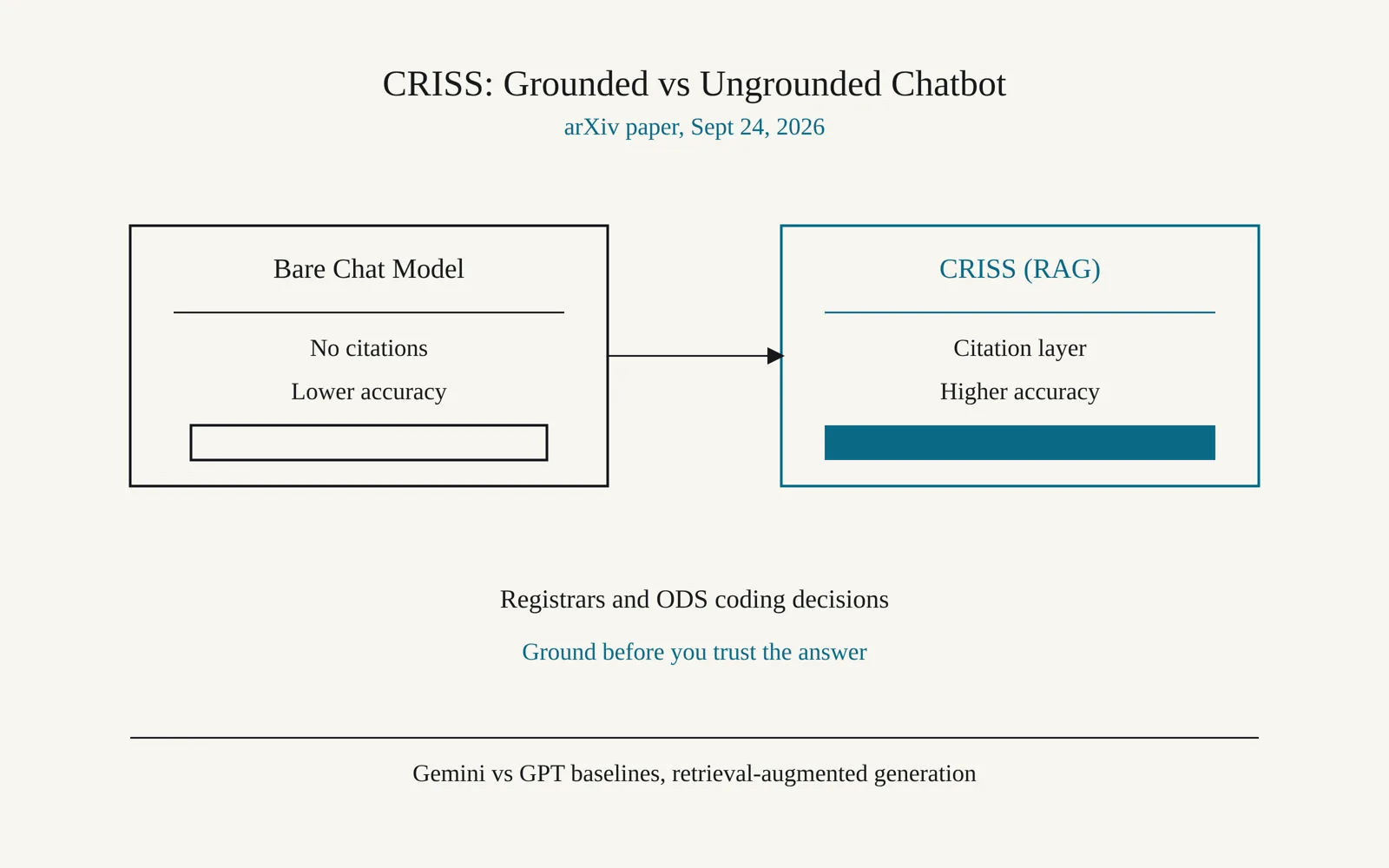
Researchers built CRISS, a retrieval-augmented chatbot for cancer registrars, and tested it using Google's Gemini models alongside GPT baselines on registry coding questions.
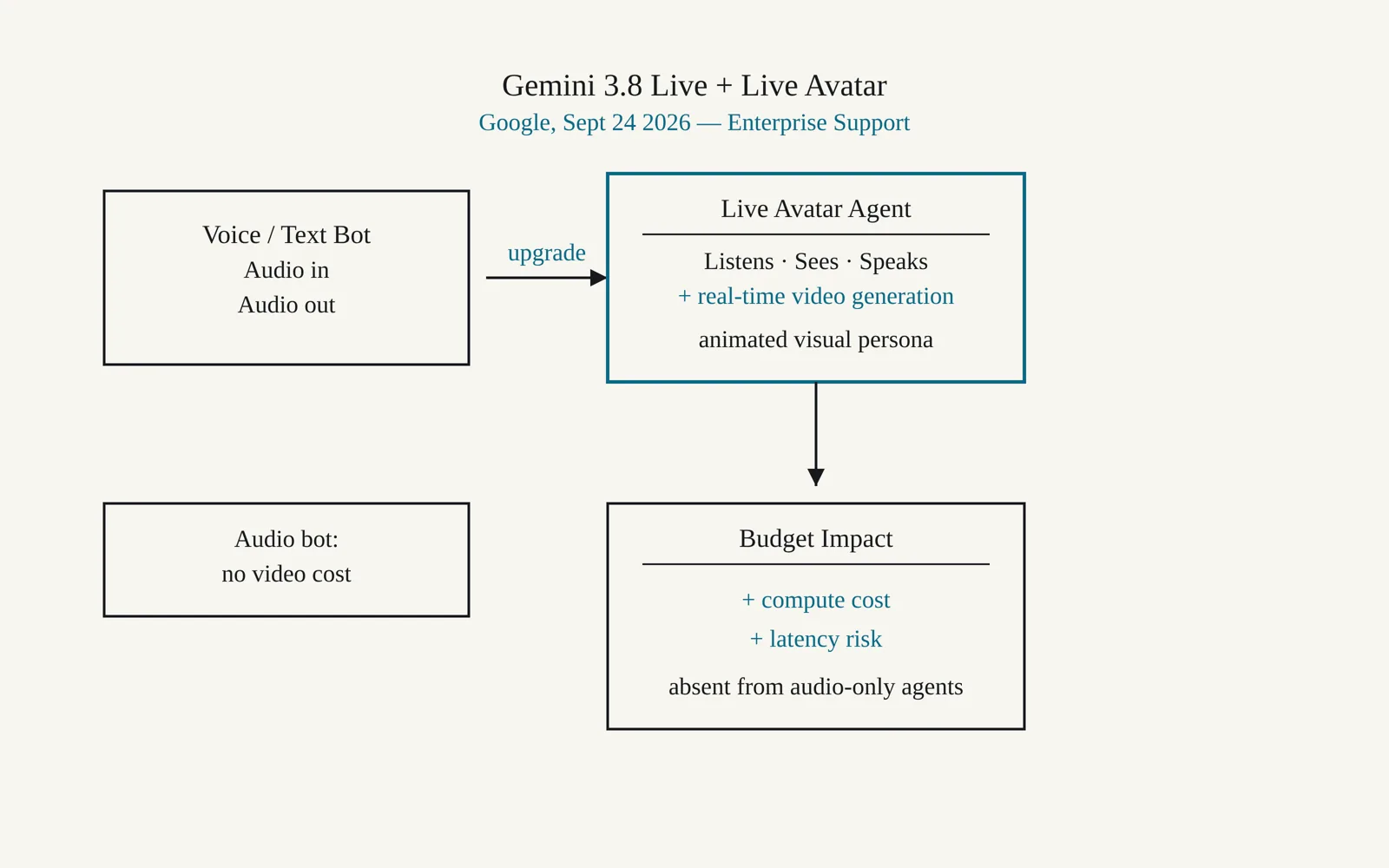
Google added Live Avatar to Gemini 3.8 Live, giving its conversational AI a real-time animated face for enterprise customer service and support tasks.
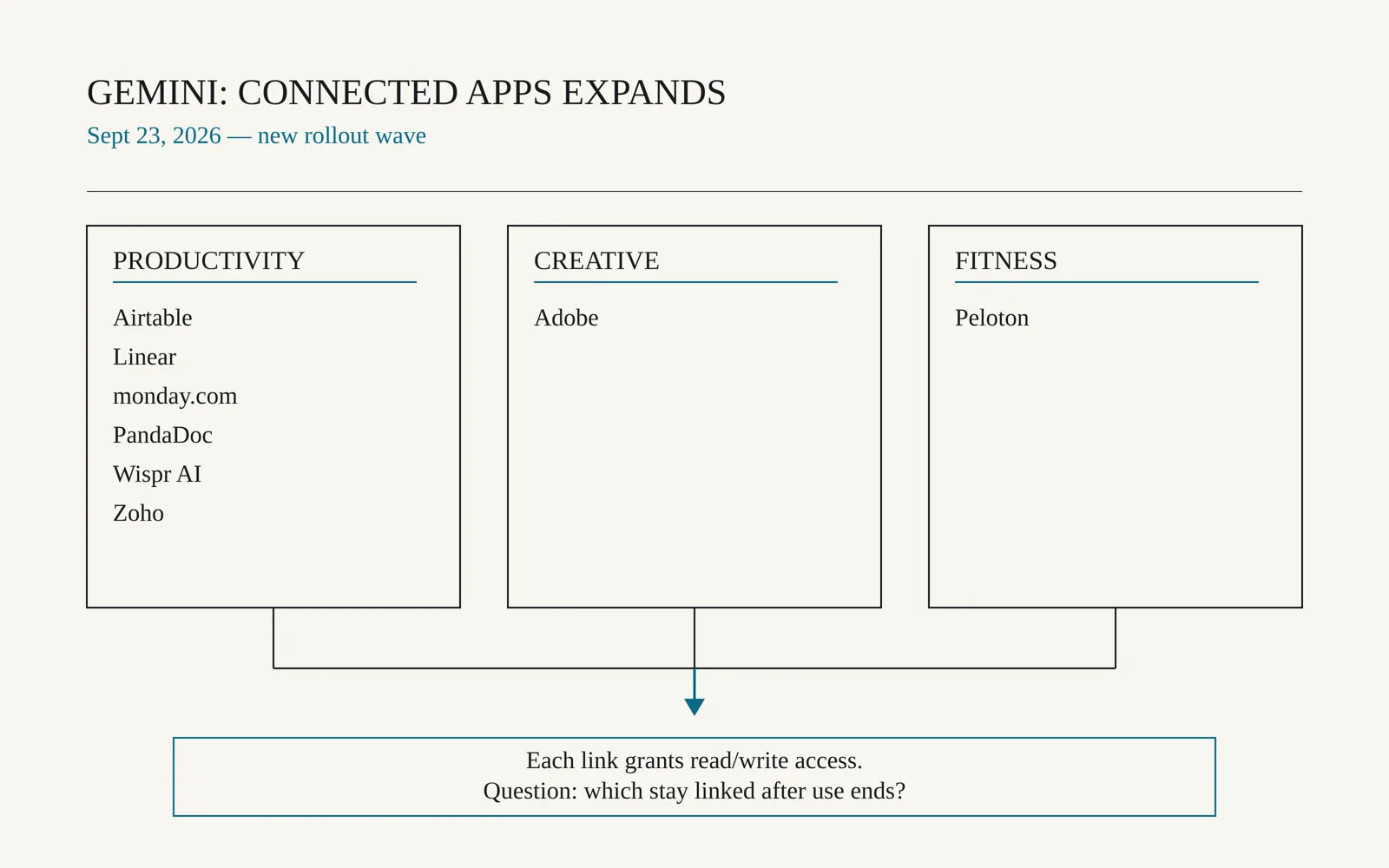
Google began rolling out a new wave of Connected Apps inside Gemini, letting the assistant reach into productivity, creative and lifestyle tools without switching tabs.
Google published research conducted with partner RXN describing how American teenagers use generative AI for study, creativity and fact-checking.
Google released two new Gemini voice models on September 15, 2026, adding faster live dialogue and a slower reasoning mode for complex spoken tasks.
Google rolled out new Gemini Notebook study tools on September 15, 2026, adding voice chat, quizzes, flashcards and short video summaries.
A University of Melbourne paper posted 2026-09-15 uses Google's Gemini to generate training text for Pacific creole domains no dataset covered.
Our poll found Google's United States subscription page changed. The prices our table records still stand, and the page states how the Gemini usage limit refreshes.
A new paper tested Google's Gemini 3.8 Flash against 503 profession-specific system prompts and found no consistent accuracy gain despite much higher token use.
Google is charging a promotional $0.75 per million input tokens for Gemini 3.8 Flash until the end of 2026, after which the published price doubles.
Google has added Lyria 3.5 music generation to the free Gemini app and its API, but the launch announcement gives users no published usage limit.
Google's Gemini 3.5 Flash and 3.6 Flash, Moonshot's Kimi K2.7 Code and Anthropic's Claude Opus 4.7 go, and GitHub's reference still lists them as available.
Google DeepMind's WeatherNext 3 rebuilds the global forecast every hour from satellite data, and starts powering weather in Search, Maps and the Gemini app the same day.
A KAIST AI and Google DeepMind paper has models declare which part of their context to read, cutting attended tokens by 52.0% on Gemma-4-31B for a 1.27 point accuracy drop.
Google has turned on agentic video understanding for Gemini 3.7 Flash, 3.6 Flash and 3.5 Flash-Lite, which pick the segments they watch and cut token consumption by up to 88%.
Items here are written from Google's own announcements, documentation and price pages, never from another publisher, and every item carries both the day it happened and the day we published it. How this page is made. Published by Kawsar. RSS feed for Google alone.