Google Opens SynthID Detector to Everyone Worldwide
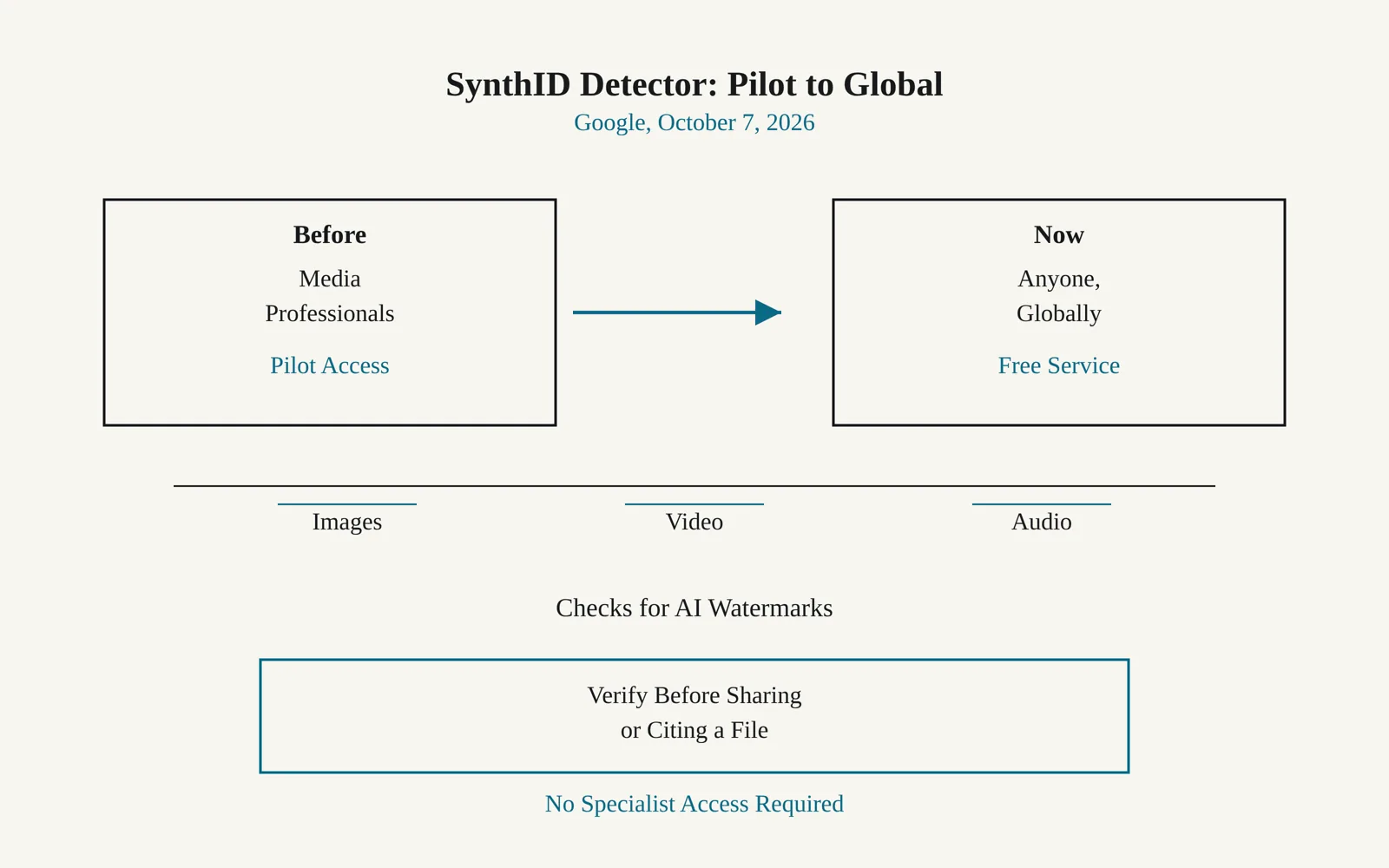
Google said its SynthID Detector, which flags AI-generated images, video and audio, is now open to anyone online rather than only media professionals.
Older changes from the same sourced stream. This is page 9 of 16; each item remains listed in the month when it was published. Every row keeps its source, event date and plain account of what changed.
Google said its SynthID Detector, which flags AI-generated images, video and audio, is now open to anyone online rather than only media professionals.
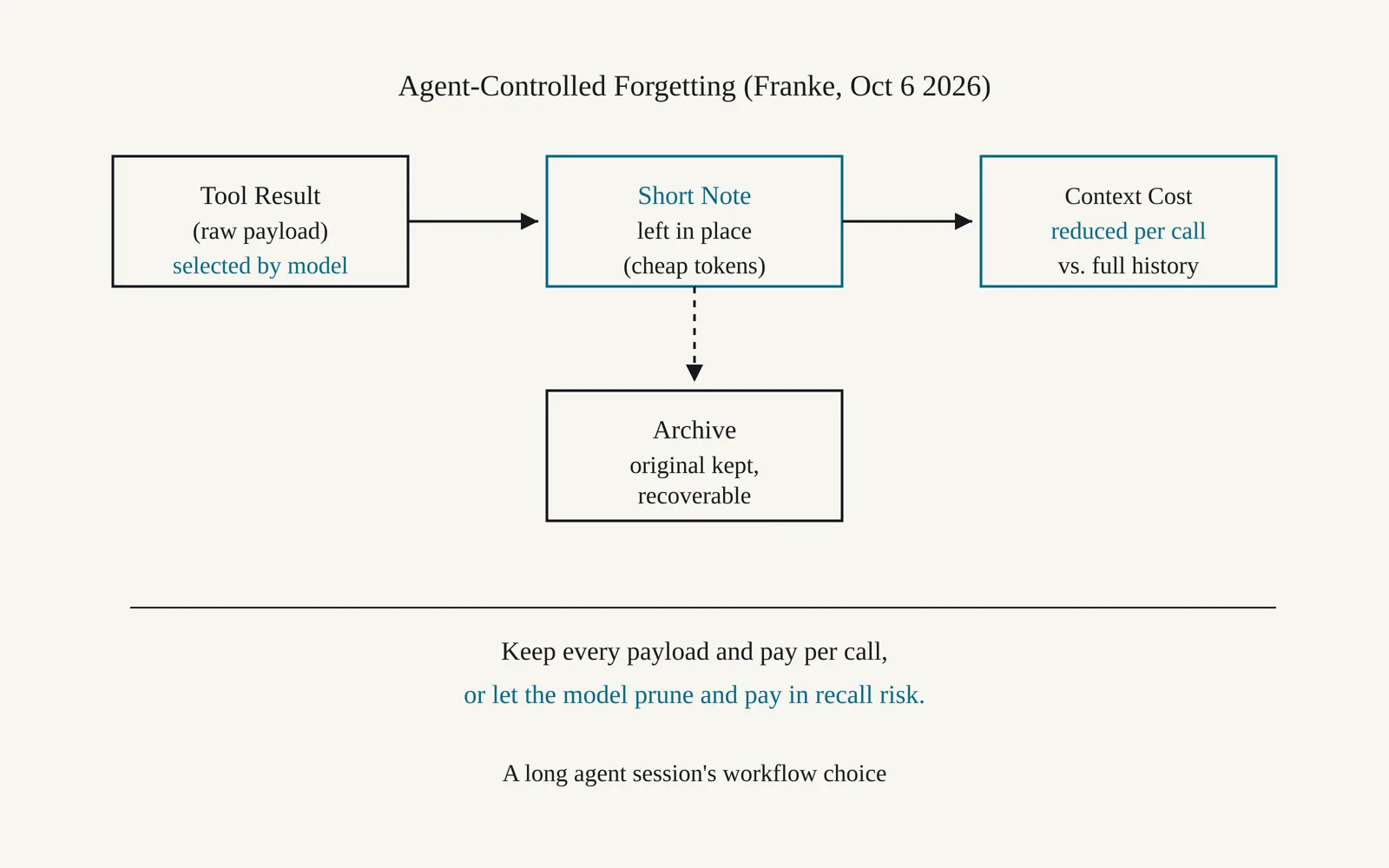
A new preprint tests letting an agent archive its own old tool outputs and recover them later, cutting token use in one noisy debugging case.
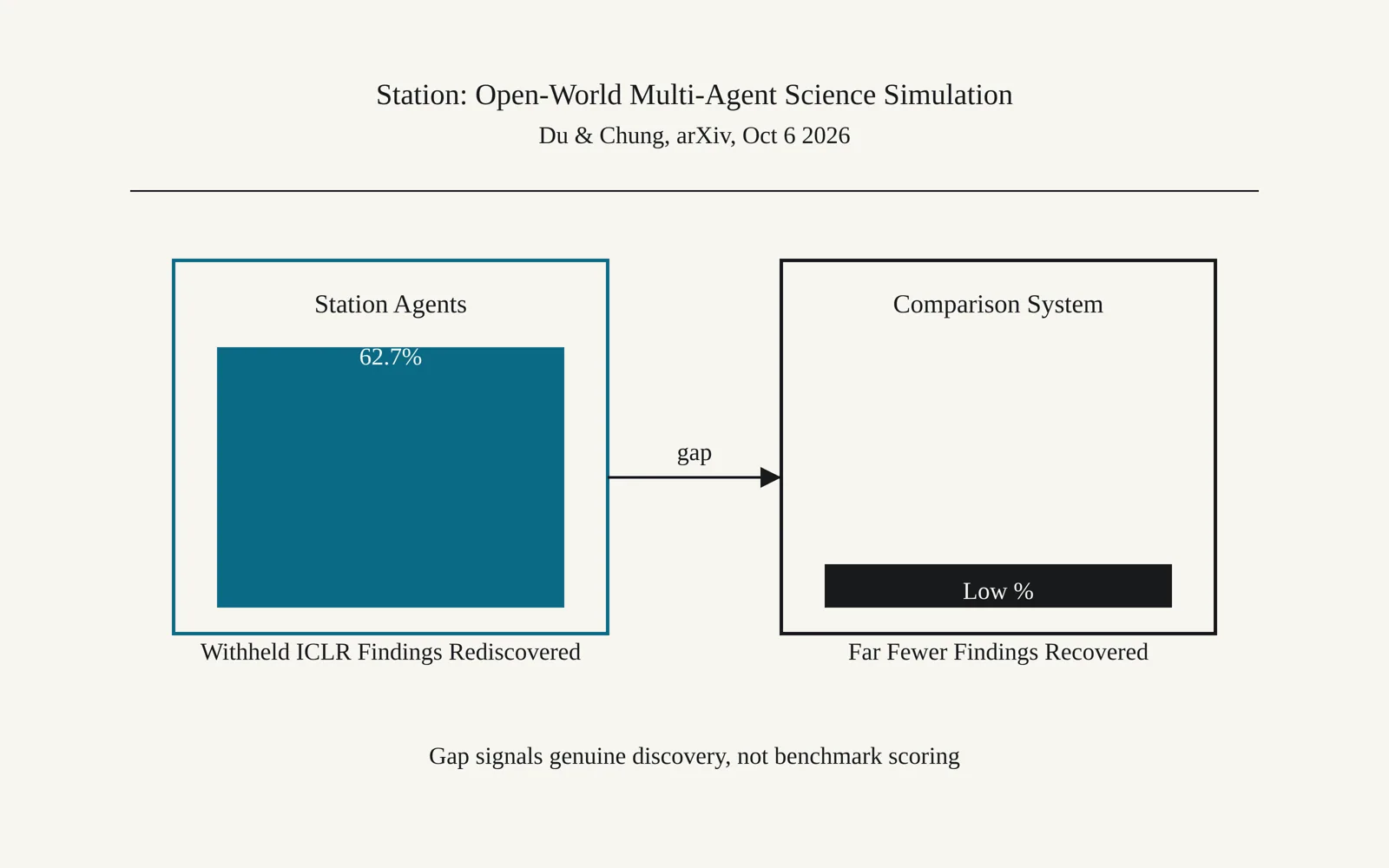
A new paper tied to Meta's broader AI research push tests whether agent systems can rediscover scientific findings without being told the answer in advance.
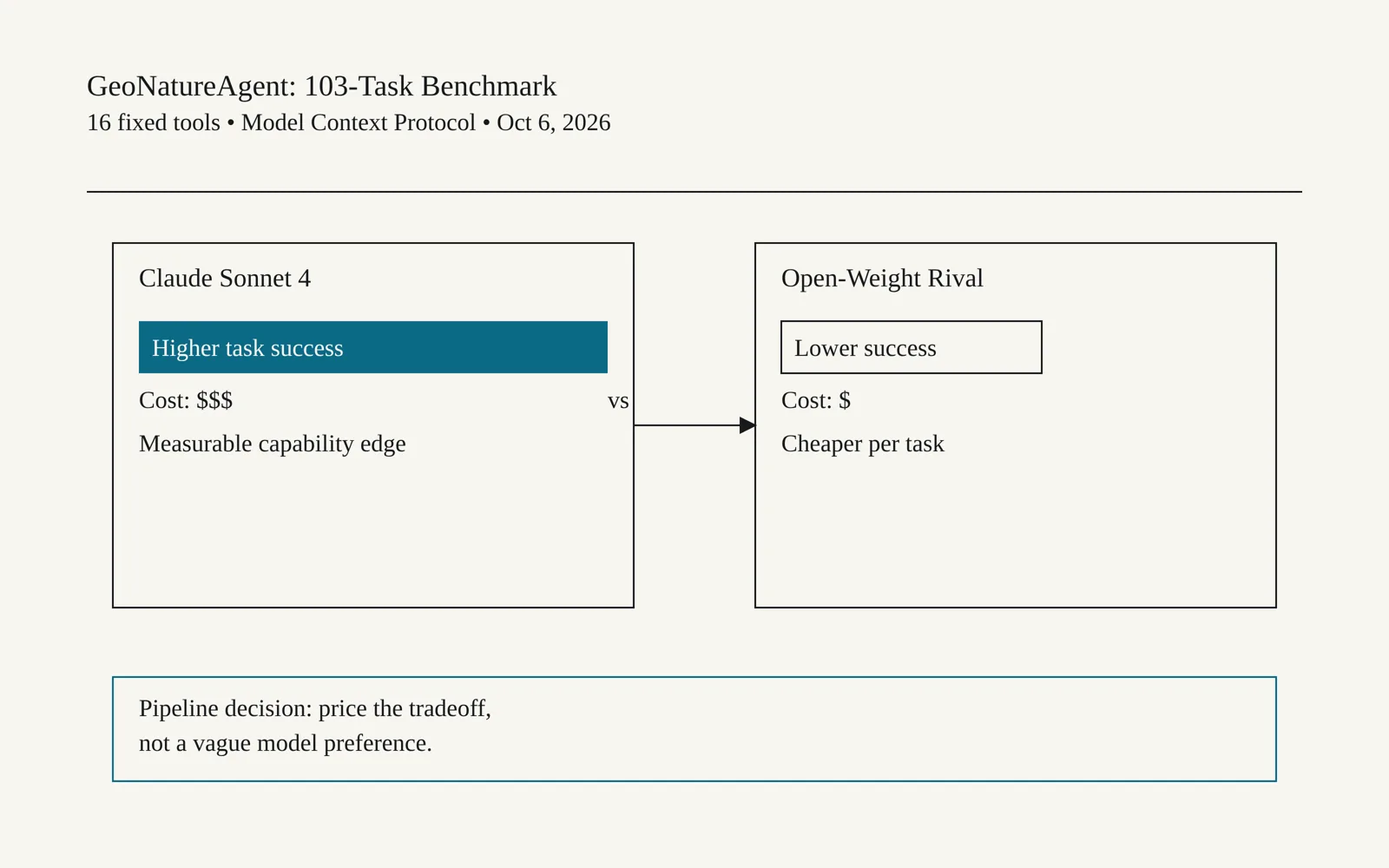
A new benchmark called GeoNatureAgent tested nine large language models on geospatial tool calling tasks, and Claude Sonnet 4 came out ahead of every rival model tested.
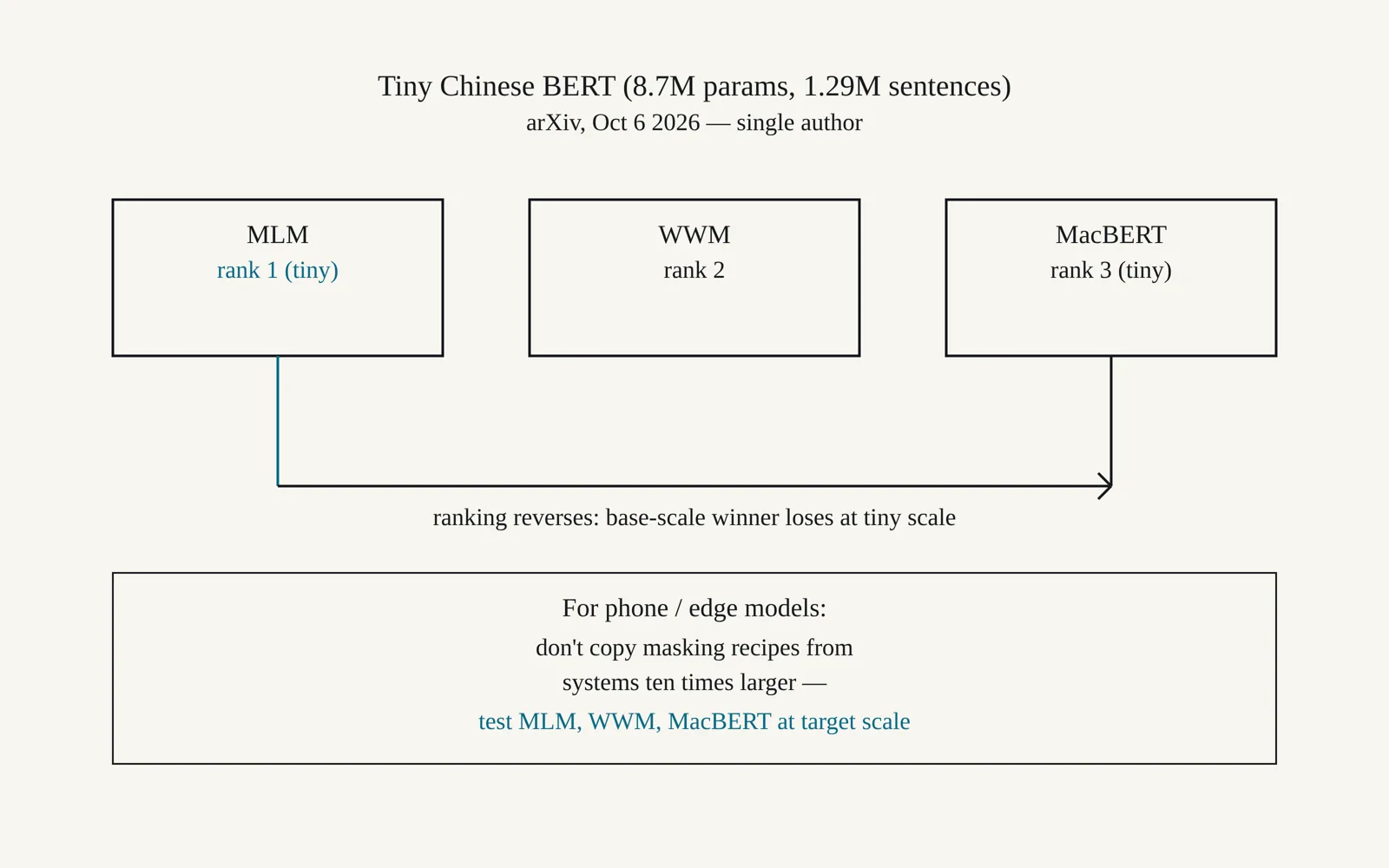
A paper measures candidate masking strategies by their Perplexity score, among other metrics, and finds the winner flips entirely once a Chinese BERT model shrinks to under nine million parameters.
A new paper runs Gemini 2.5 Flash through a governed file-recovery test to see whether a safety supervisor's own interventions can stall the agent it is meant to control.
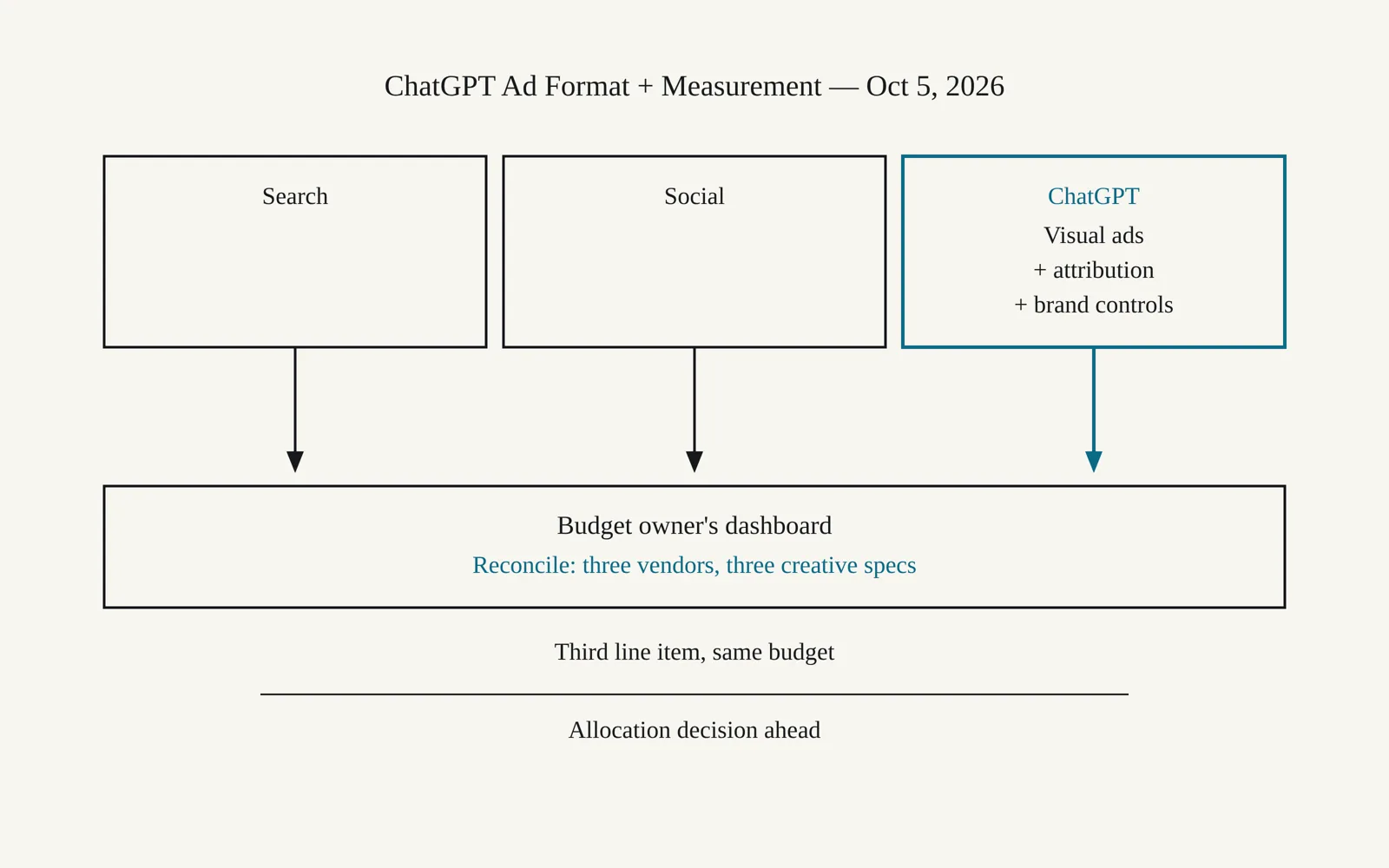
OpenAI is building a new visual ad format inside ChatGPT along with measurement and attribution tools aimed at advertisers who buy against conversational answers.
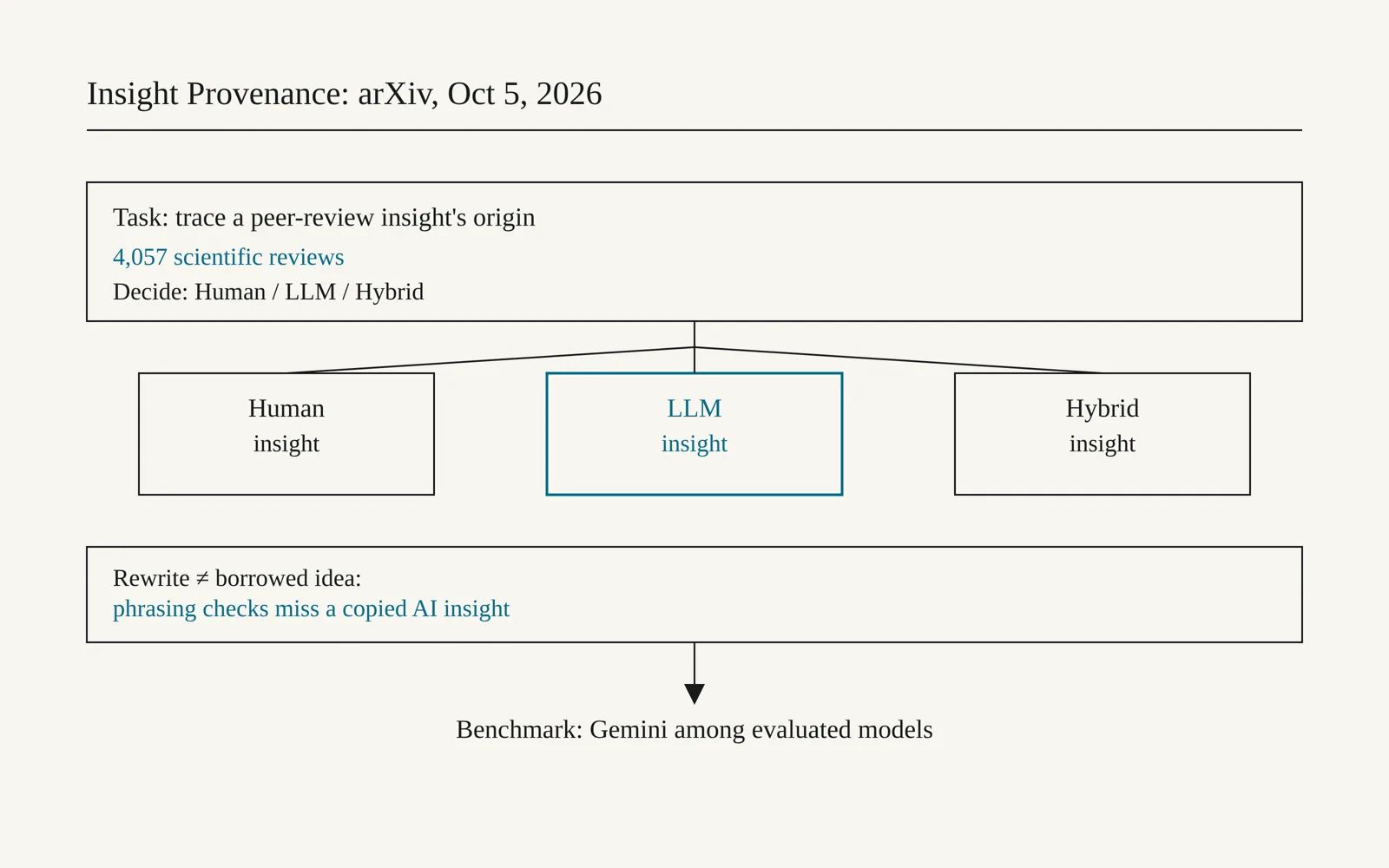
A new paper tests whether reviewers' insights came from a human, an LLM such as Gemini, or a hybrid of the two, not just who typed the words.
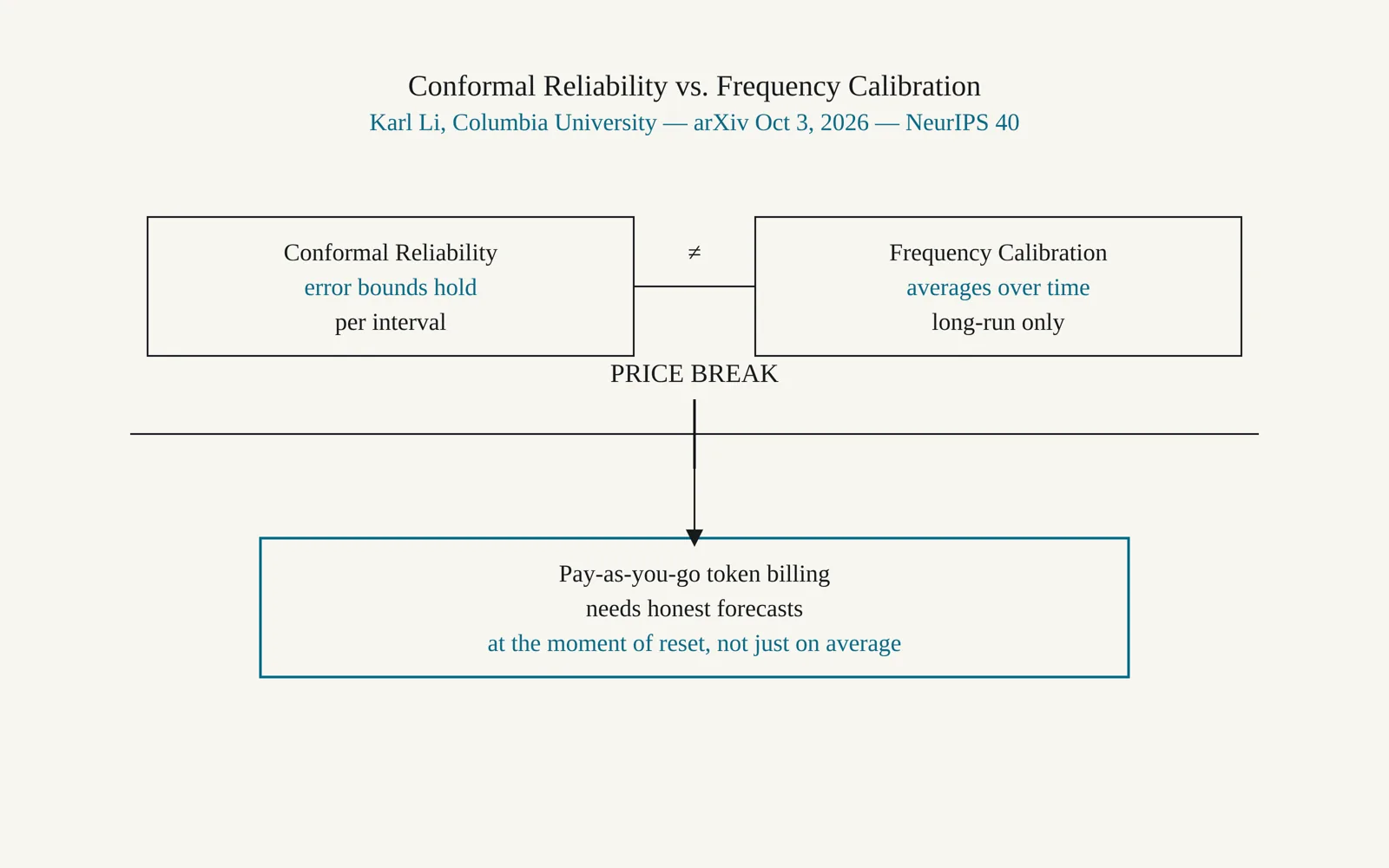
A Columbia University paper on arXiv separates two audits of conformal prediction, a method relevant to pay-per-token vendors such as MiniMax.
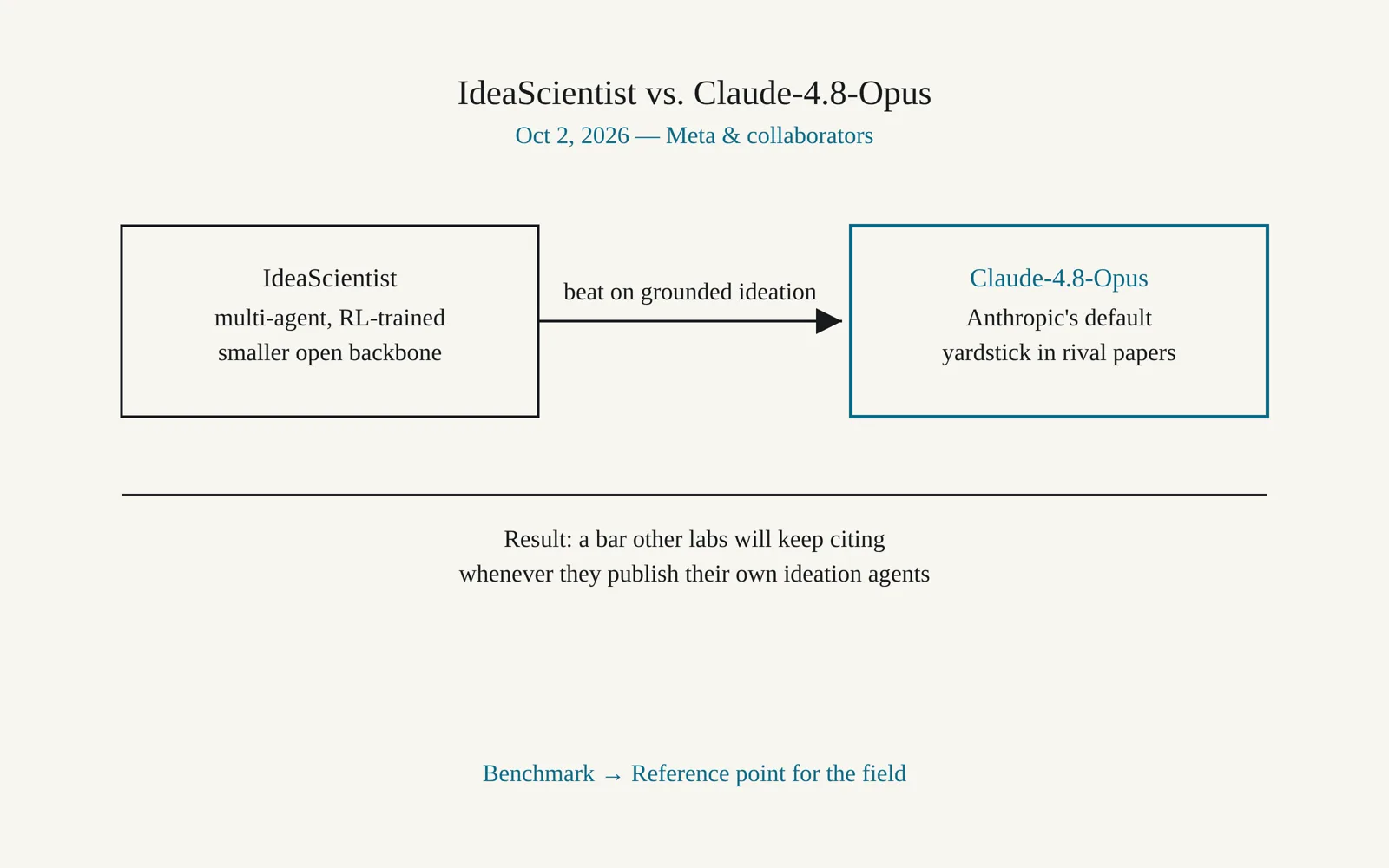
A new paper benchmarks the IdeaScientist agent system against Claude Code SDK running Claude-4.8-Opus for generating research ideas.
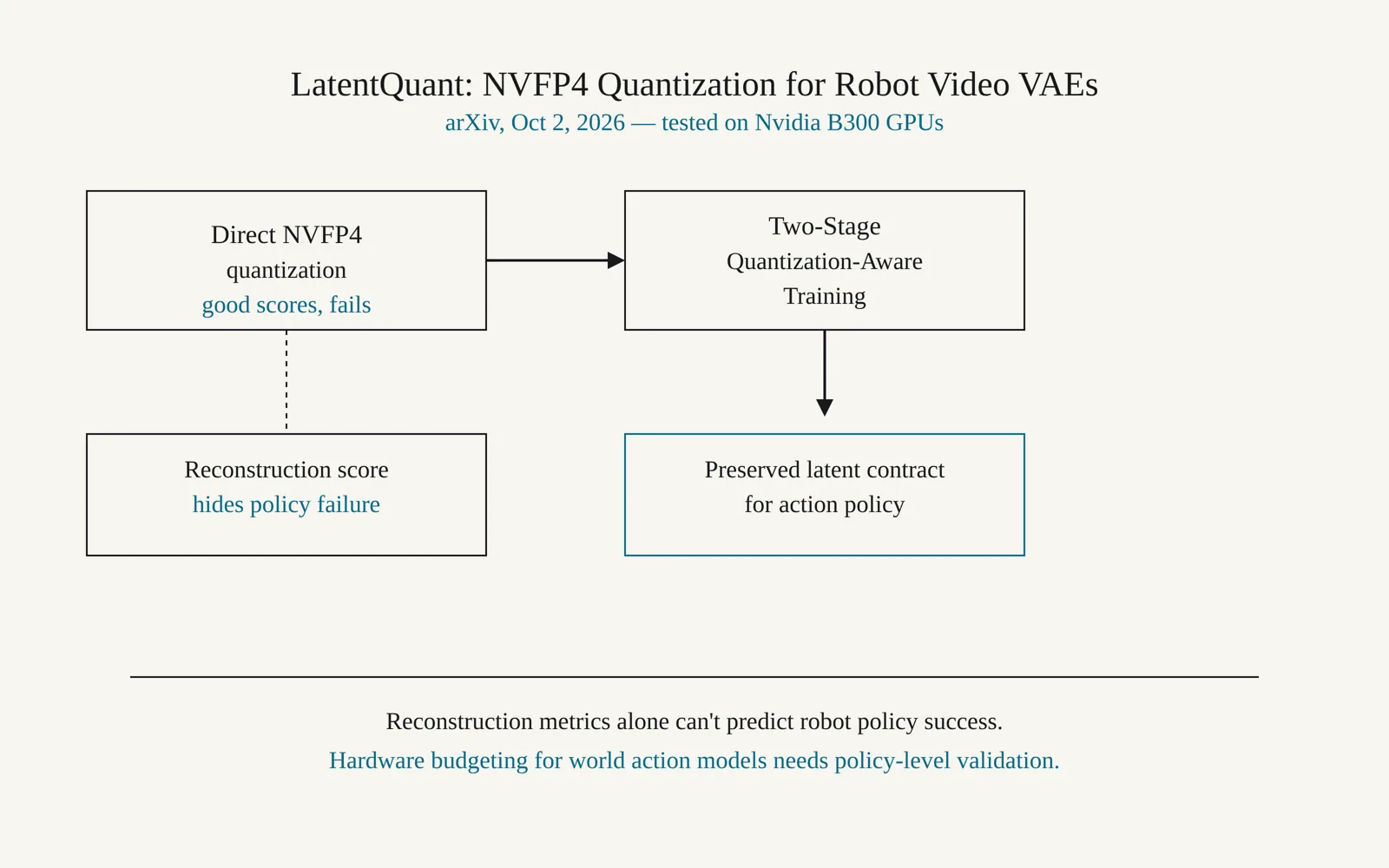
A new paper tested NVFP4 quantization on Nvidia B300 GPUs for robot world action models, after direct quantization caused a sharp collapse in task control.
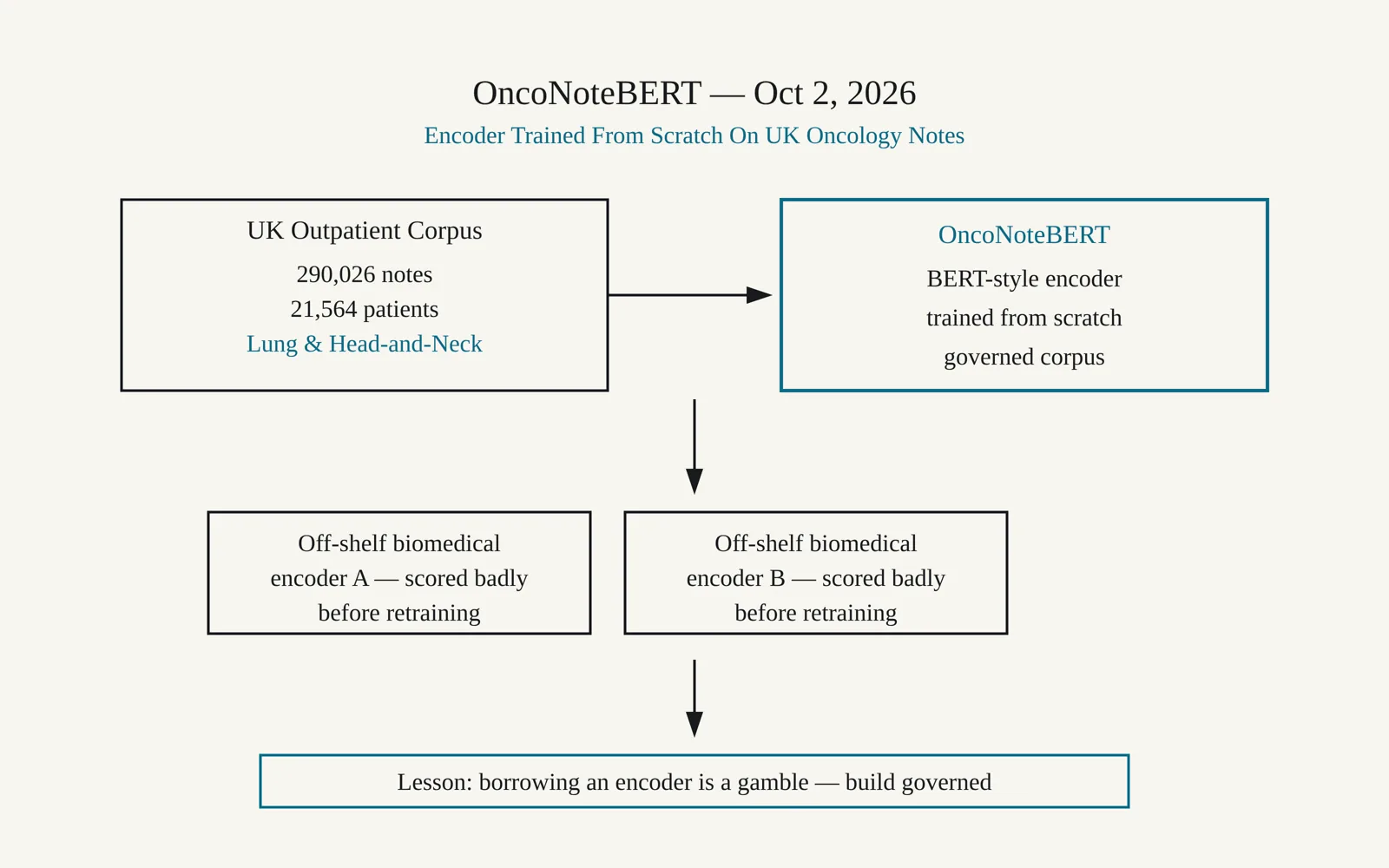
A UK research team built OncoNoteBERT for oncology notes, a reminder that general tools like Perplexity's answer engine are not tuned for clinical text.
This is a permanent listing in what changed in AI. Each item keeps its own page, source and dates. How the stream is made.