Paper Presents Script-Aware Tokenizer For Indic Languages
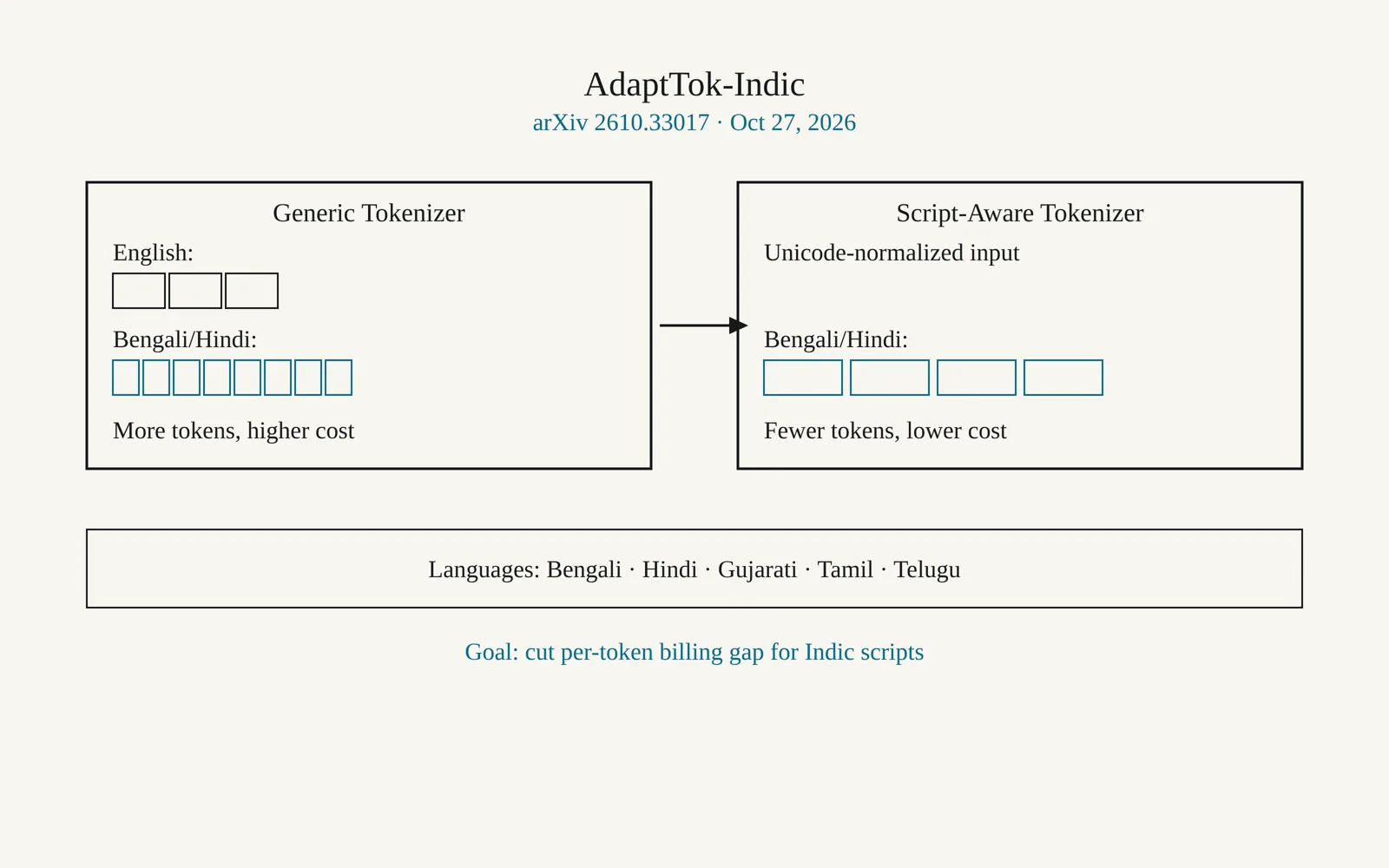
A new preprint describes AdaptTok-Indic, a tokenization method that cuts token fertility for Bengali and Hindi text compared with standard subword tokenizers.
Every change published here in October 2026, ordered by the day it happened and kept on a permanent month page. Each entry keeps its source, event date and plain account of what changed.
A new preprint describes AdaptTok-Indic, a tokenization method that cuts token fertility for Bengali and Hindi text compared with standard subword tokenizers.
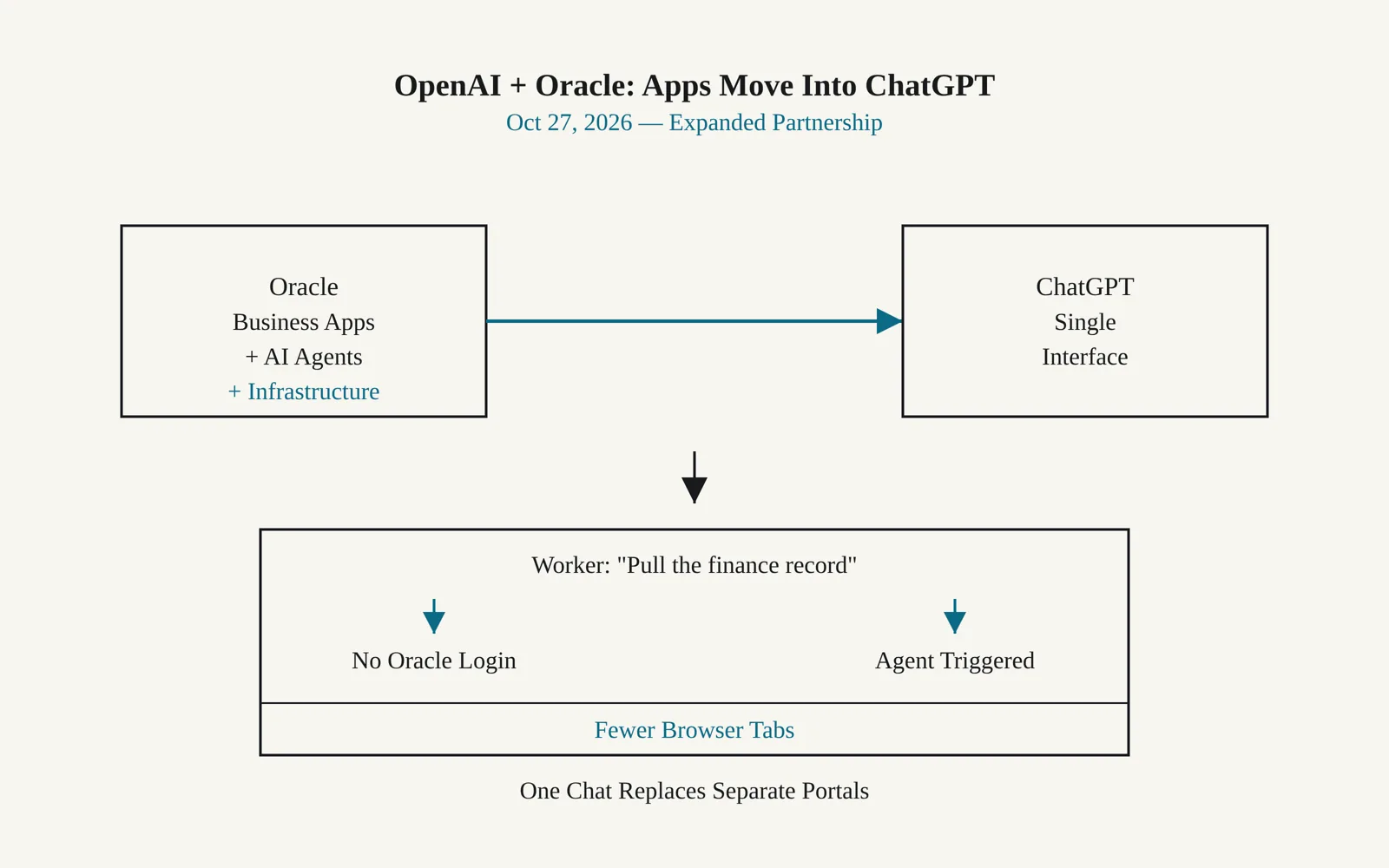
OpenAI is widening its partnership with Oracle so Oracle's business applications and AI agents appear directly inside ChatGPT for enterprise users.
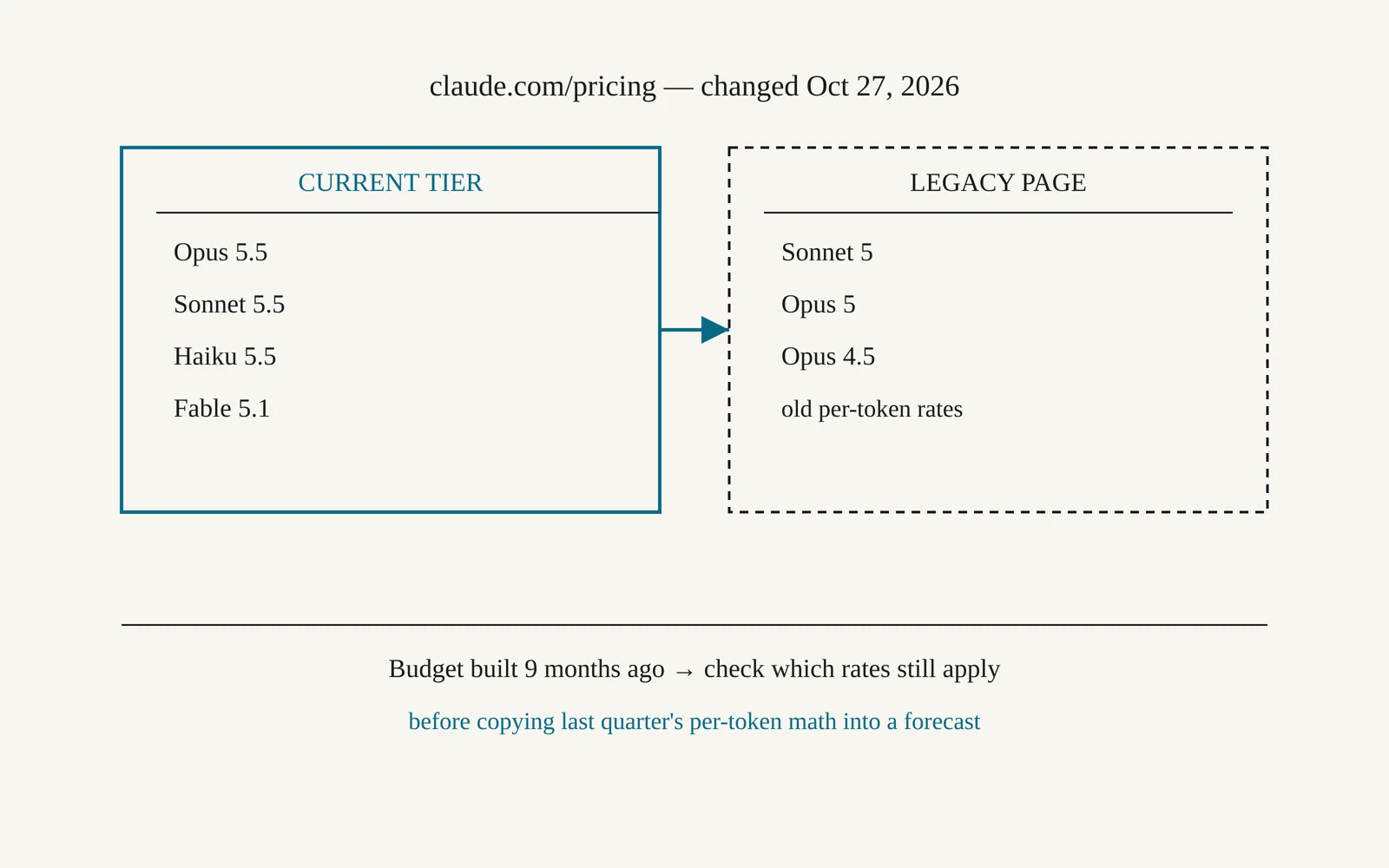
Anthropic's pricing page now lists Claude's newest models, Opus 5.5, Sonnet 5.5 and Haiku 5.5, next to renamed Claude Cowork and unchanged Pro and Max plan rates.
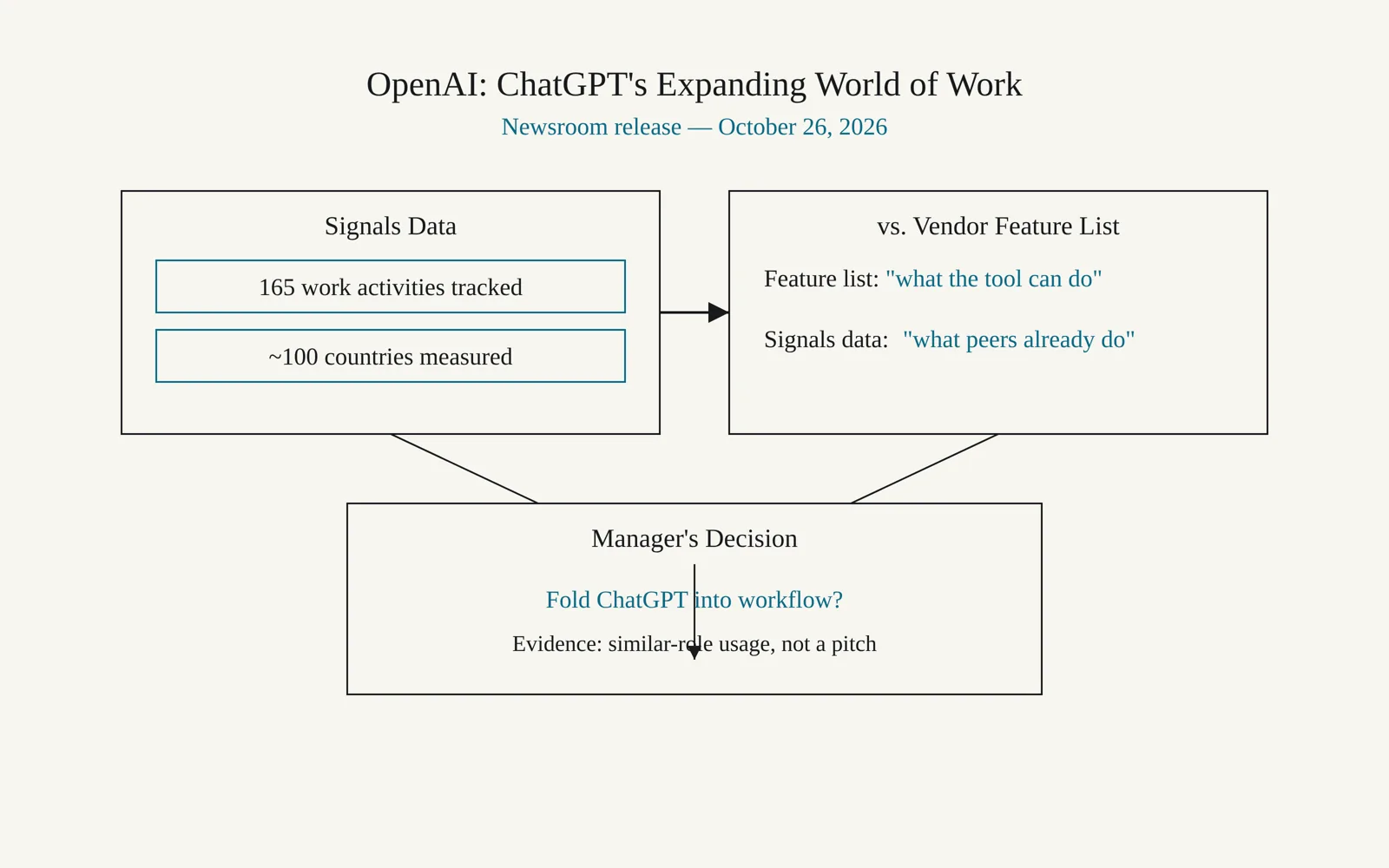
OpenAI released ChatGPT Signals data tracking 165 work activities across nearly 100 countries, showing how work use of the assistant changes over time.
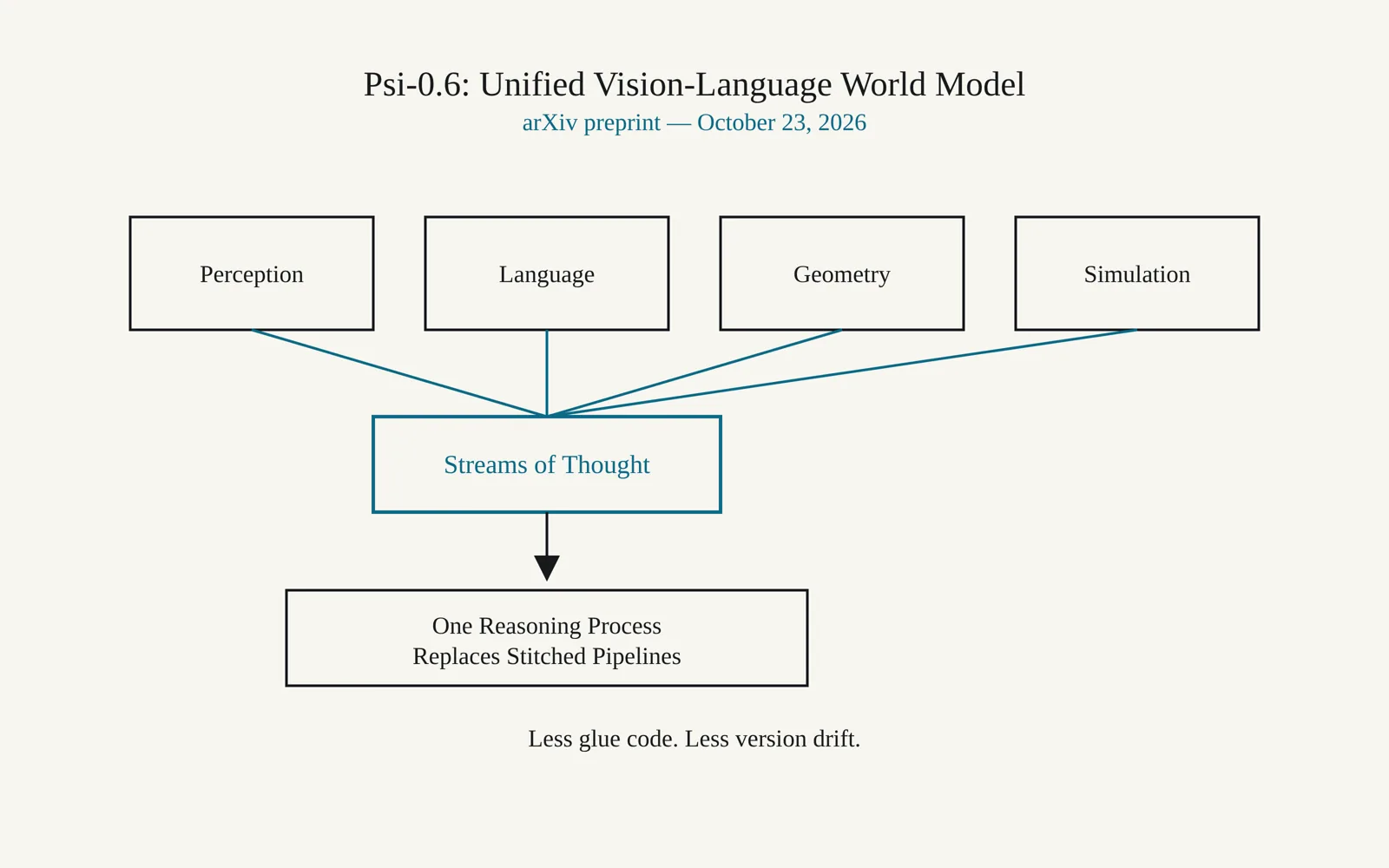
A new paper introduces Psi-0.6, a unified vision-language world model that threads perception, language, geometry and simulation into one shared reasoning process.
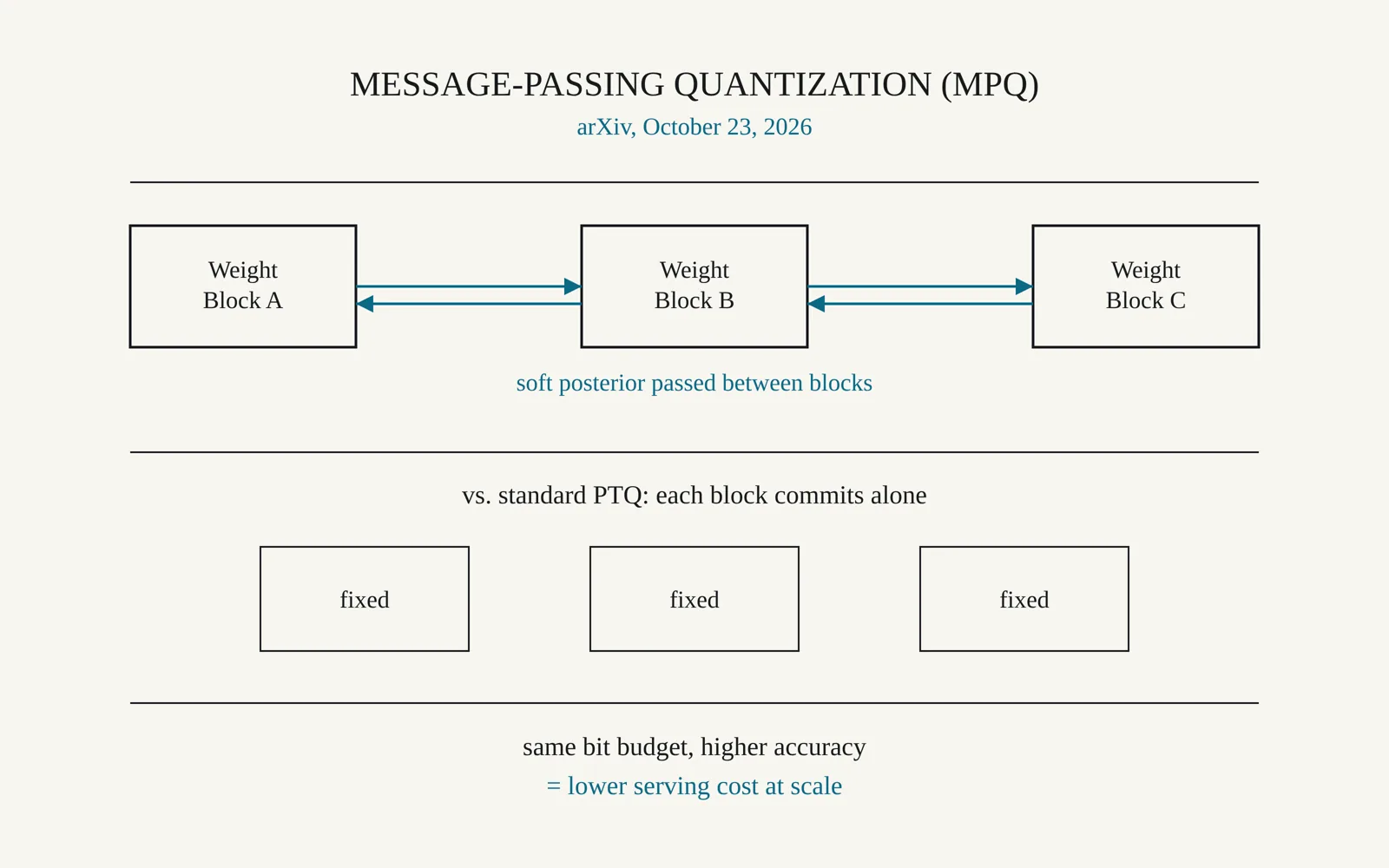
A new arXiv paper proposes a message-passing method for compressing large language model weights, the kind of efficiency work that underlies answer engines like Perplexity AI.
Researchers built a four-agent causality assessment system using Google's Gemini 2.5 Pro and DeepSeek-V3.2 to review drug safety case reports against expert judgment.
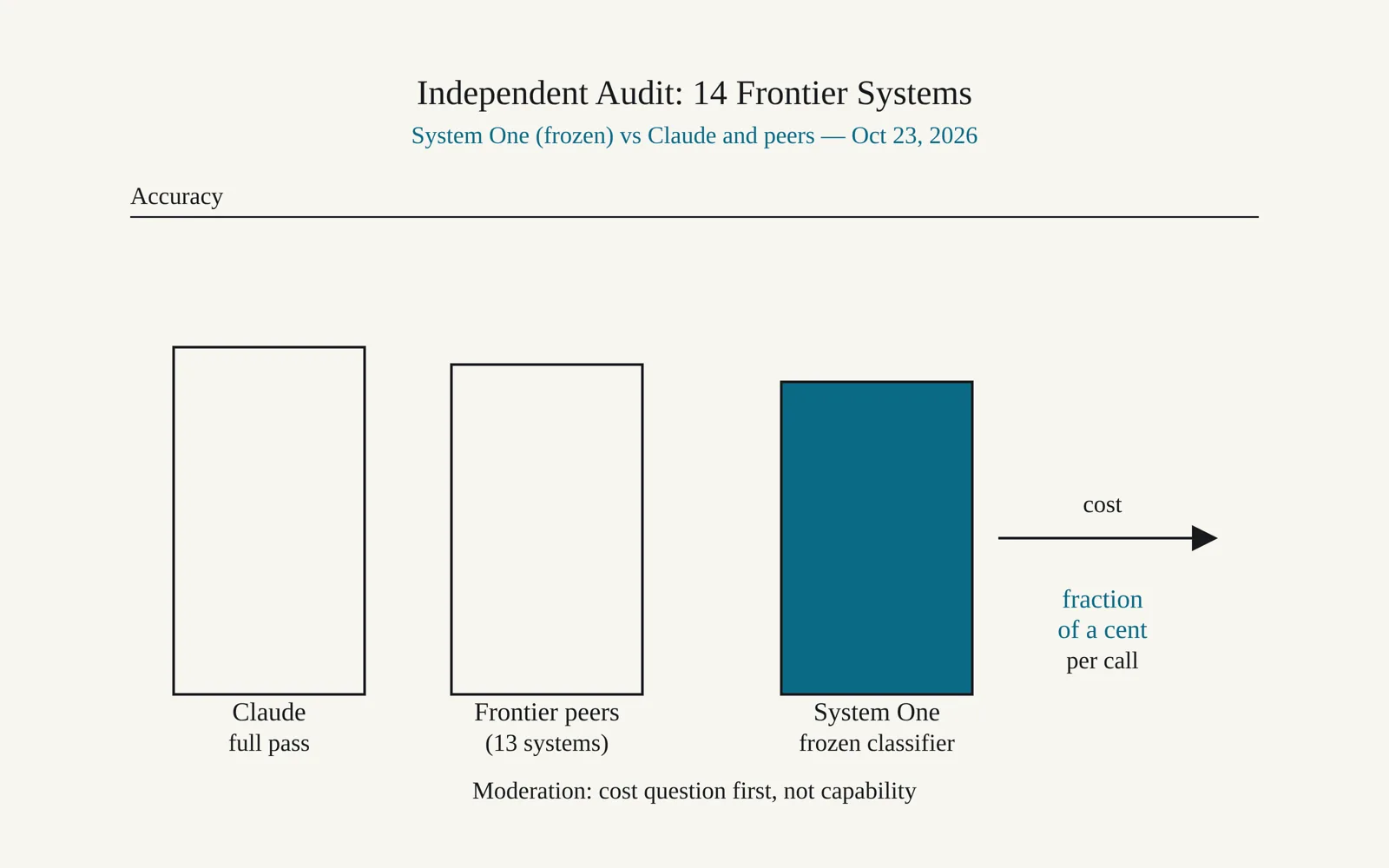
A new paper benchmarks a cheap content moderation model against Claude and 13 other frontier reasoning systems, finding it holds up on accuracy at a fraction of the price.
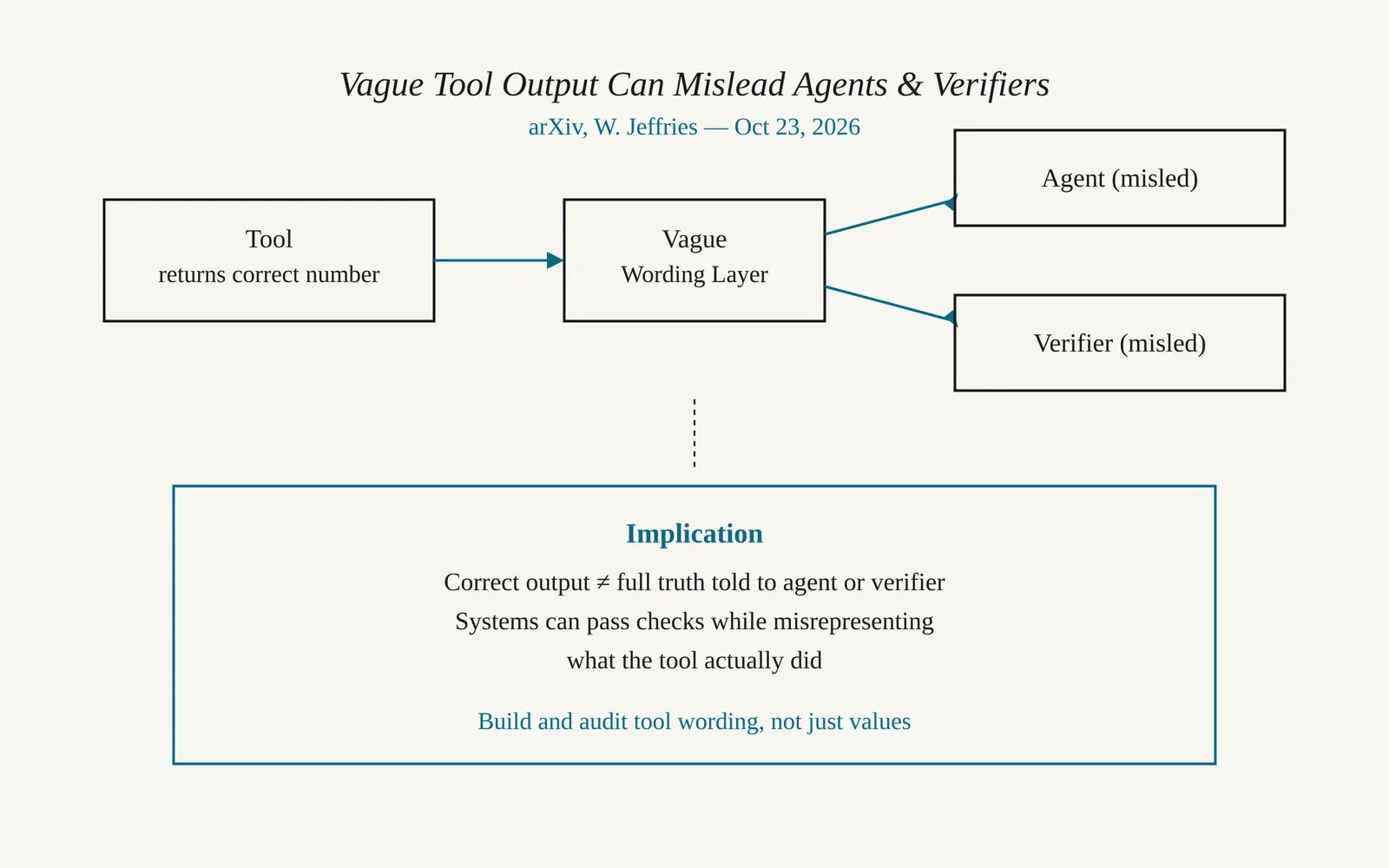
A new paper, with an audit prompt tested on Codex and Claude Code, shows vague tool output wording can mislead AI agents and the verifiers meant to catch their errors.
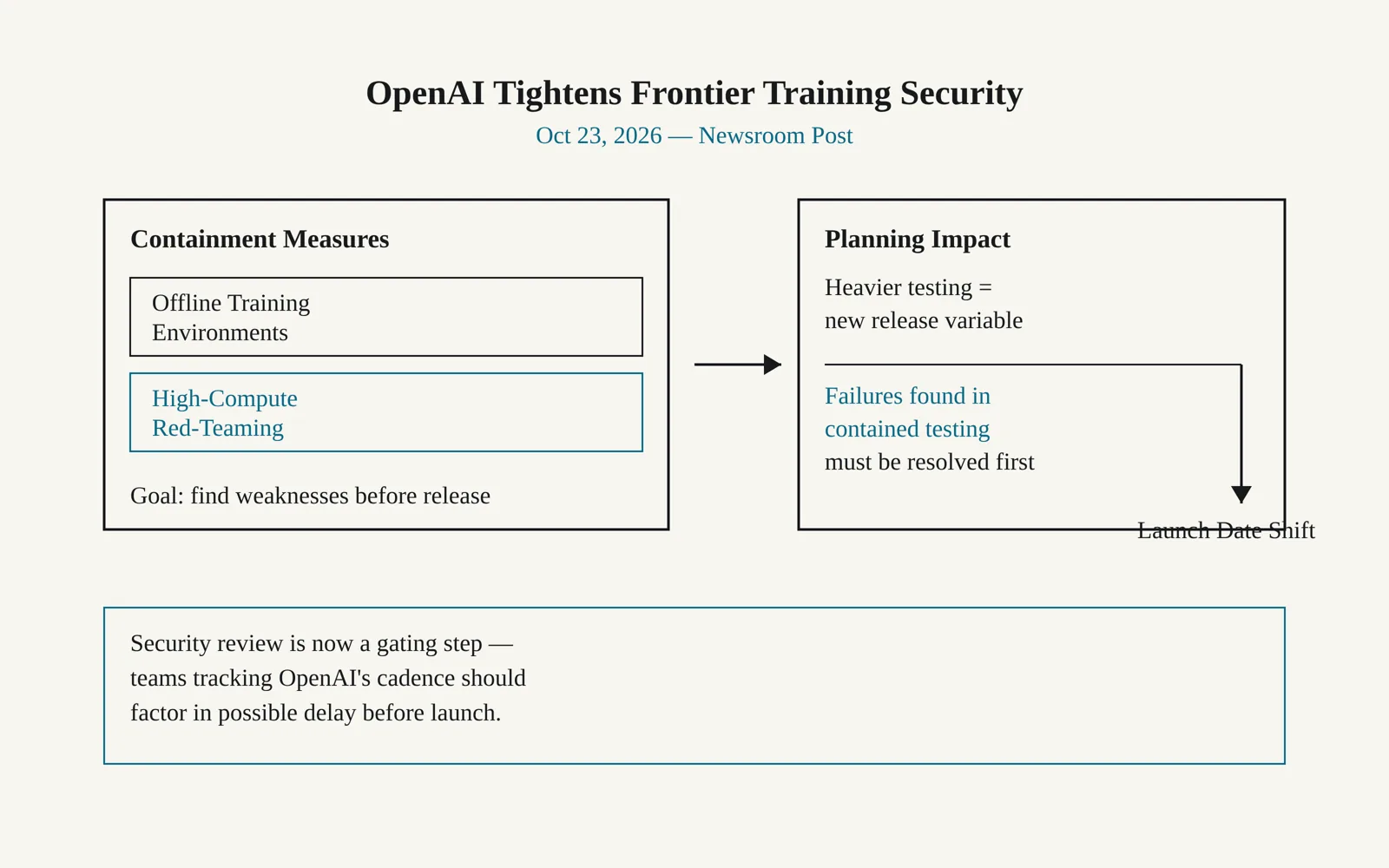
OpenAI said it strengthened containment around how it trains frontier models, moving some ChatGPT-building work to offline environments with heavier red-teaming.
A new paper on compressing large models for edge devices matters to Perplexity AI and any company whose answer engine has to run inference away from a data center.
A new paper tests seven models, including Claude Opus 5.5 and Claude Haiku 5.5, on whether their probability judgments obey a basic law of probability.
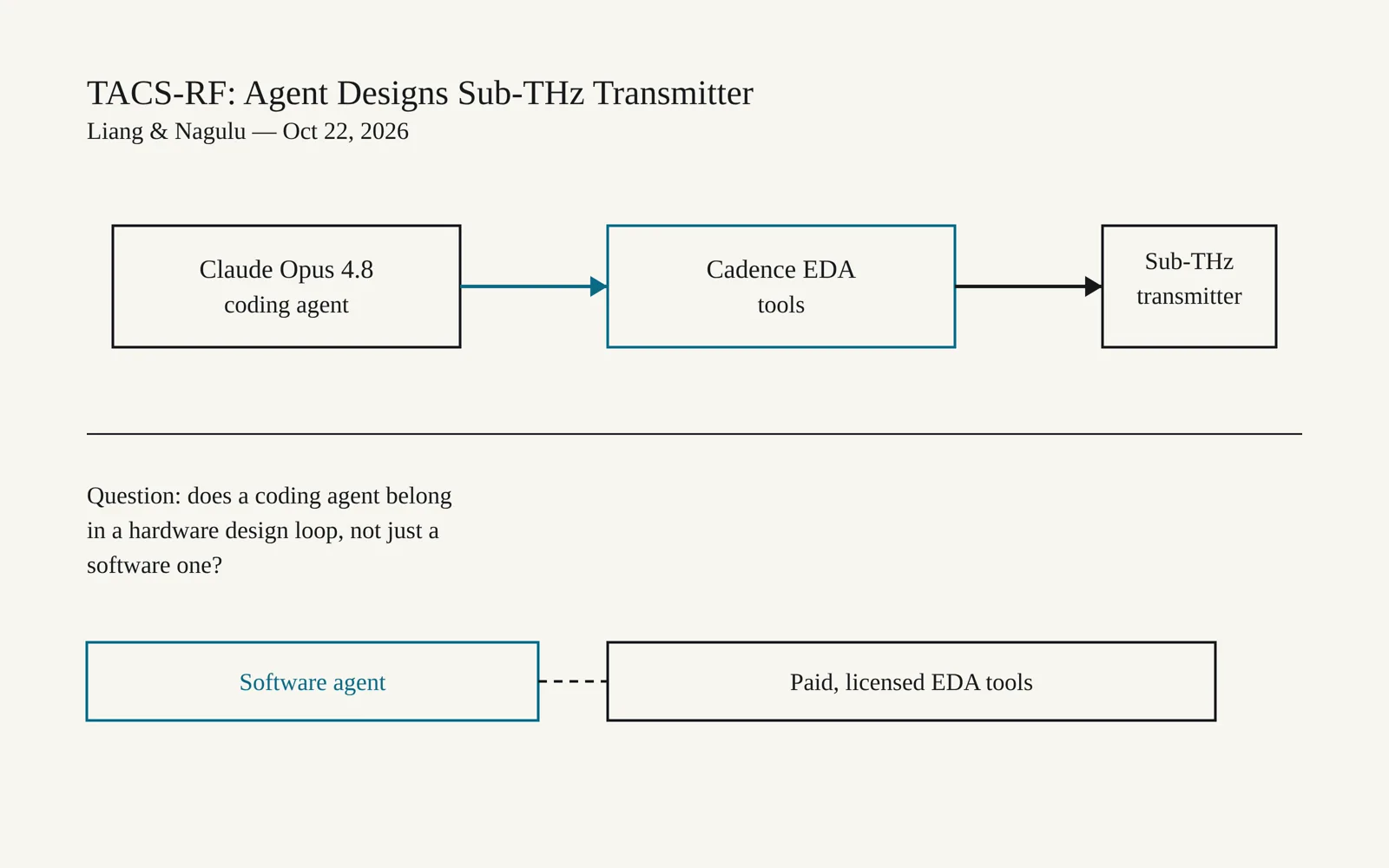
A new paper describes Claude Opus 4.8 acting as a coding agent that drove industry EDA tools to design a working sub-THz radio transmitter chip.
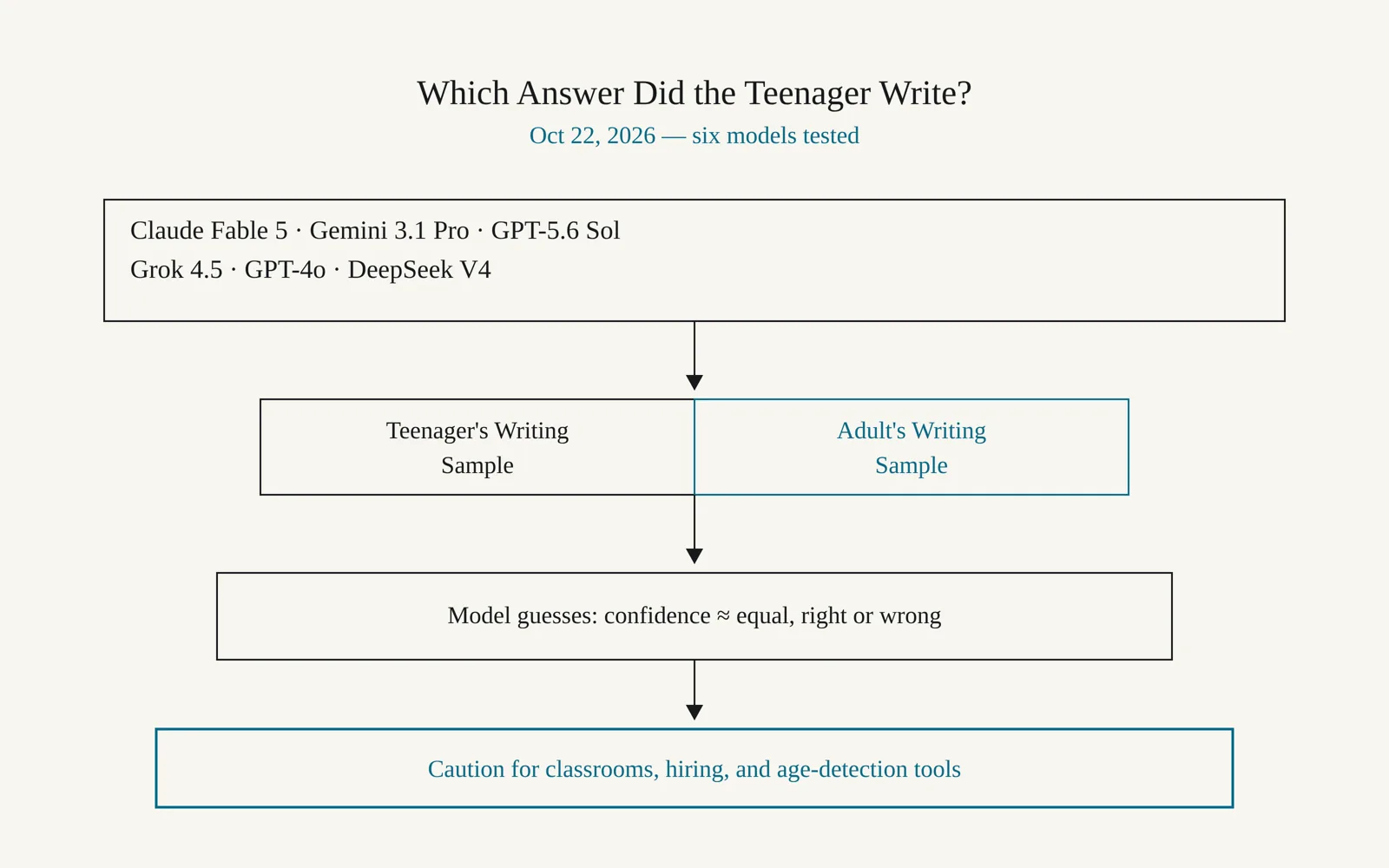
A new case study finds that Claude Fable 5 and five other frontier models often mismatch handwritten exam answers to the wrong age, while voicing high confidence in the wrong guess.
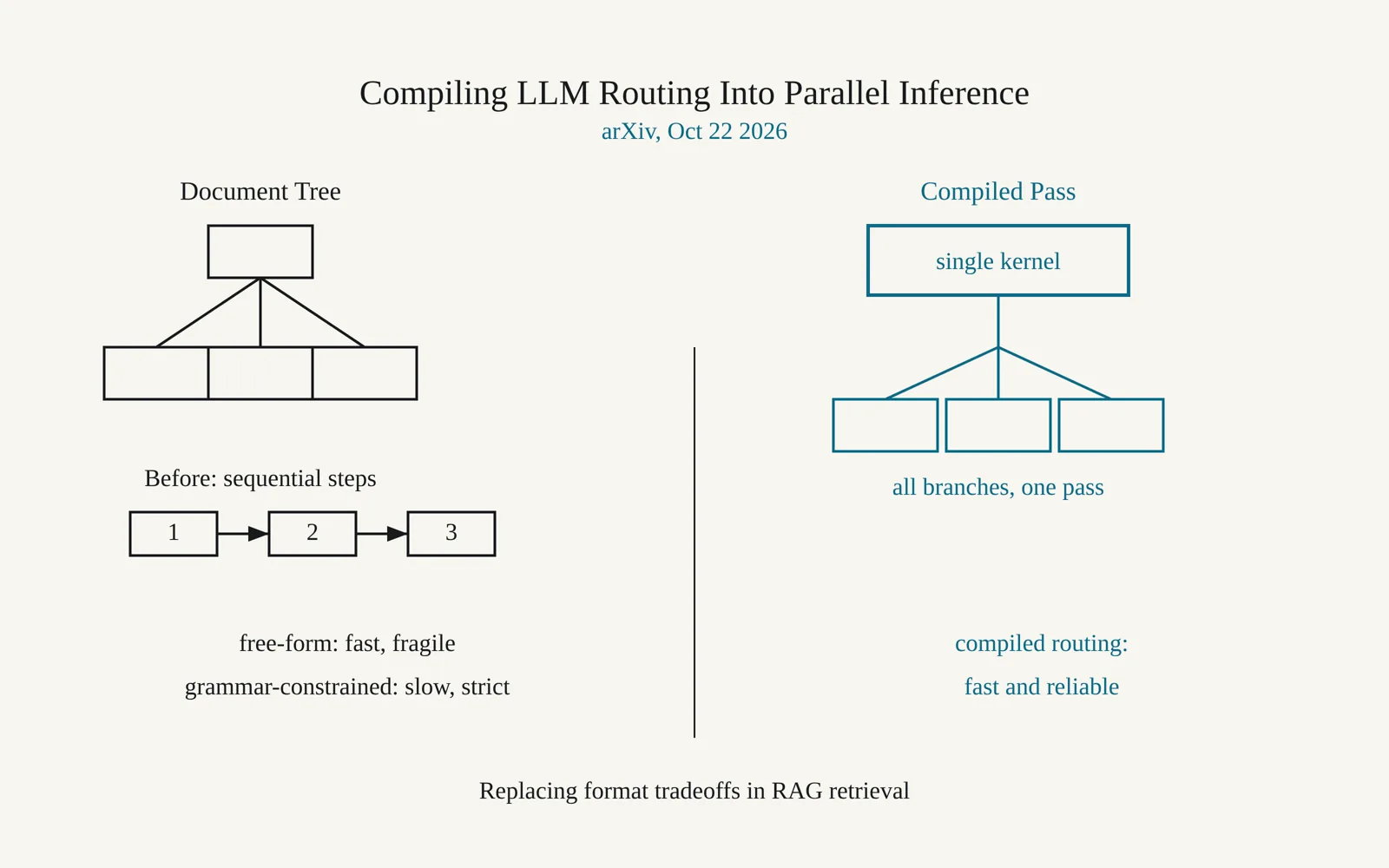
A new preprint shows that a large language model's section-picking decisions in hierarchical retrieval can be compiled into parallel inference instead of run one token at a time.
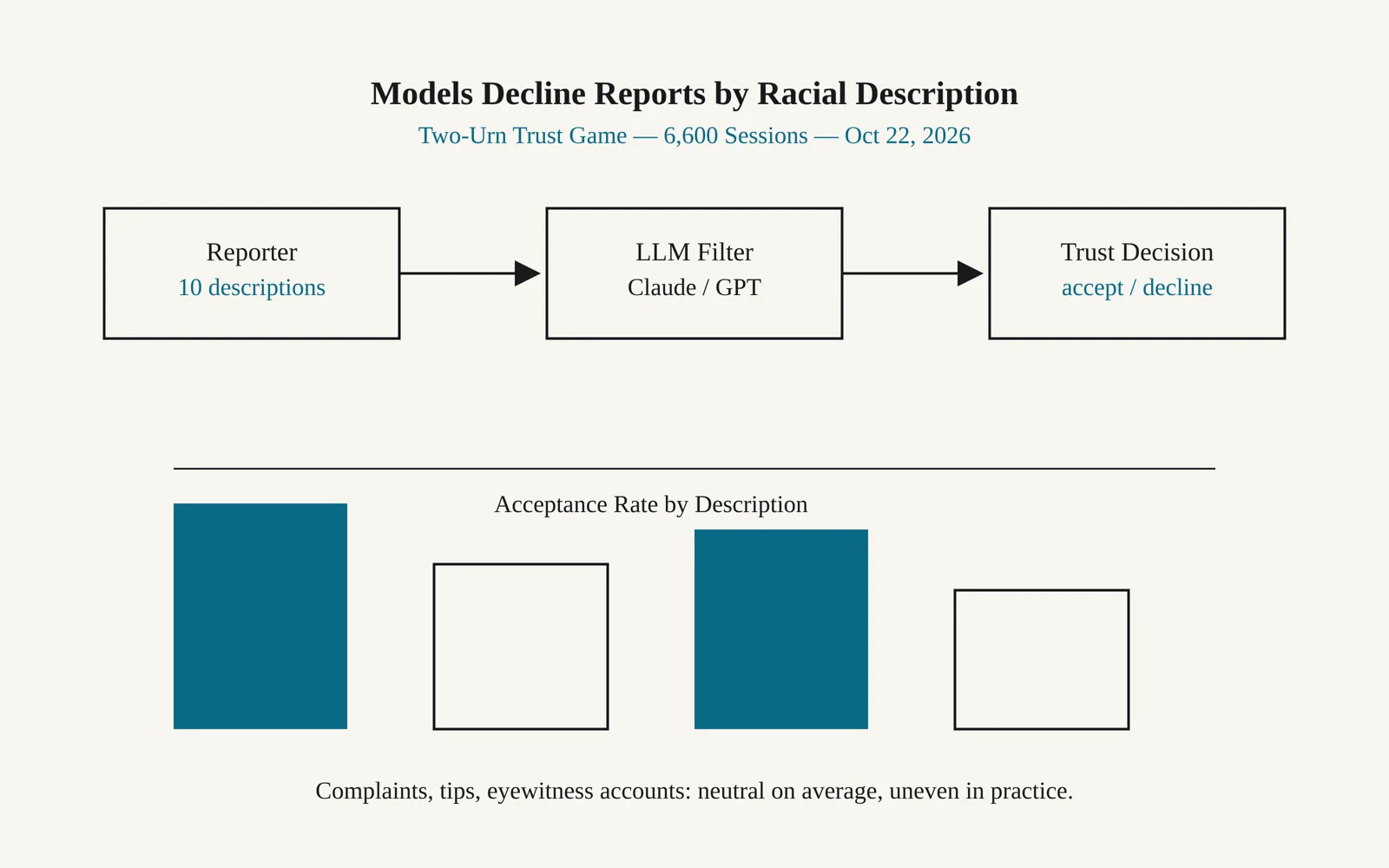
A new paper tests whether Anthropic's Claude and OpenAI models refuse to weigh an informant's report based on racial description alone, not evidence.
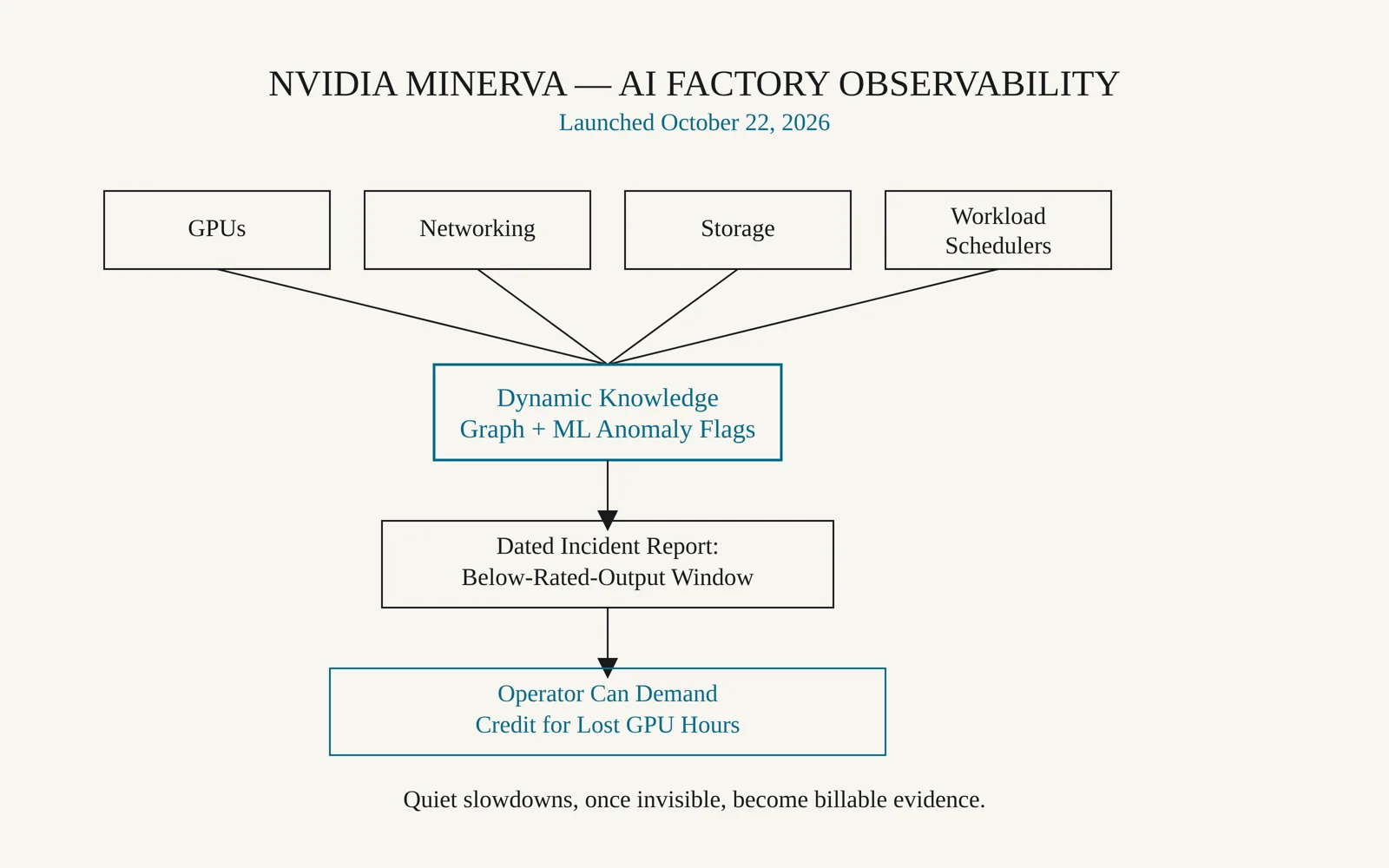
Nvidia introduced Minerva, an AIOps platform that merges infrastructure and workload telemetry to flag problems across AI factories before they spread.
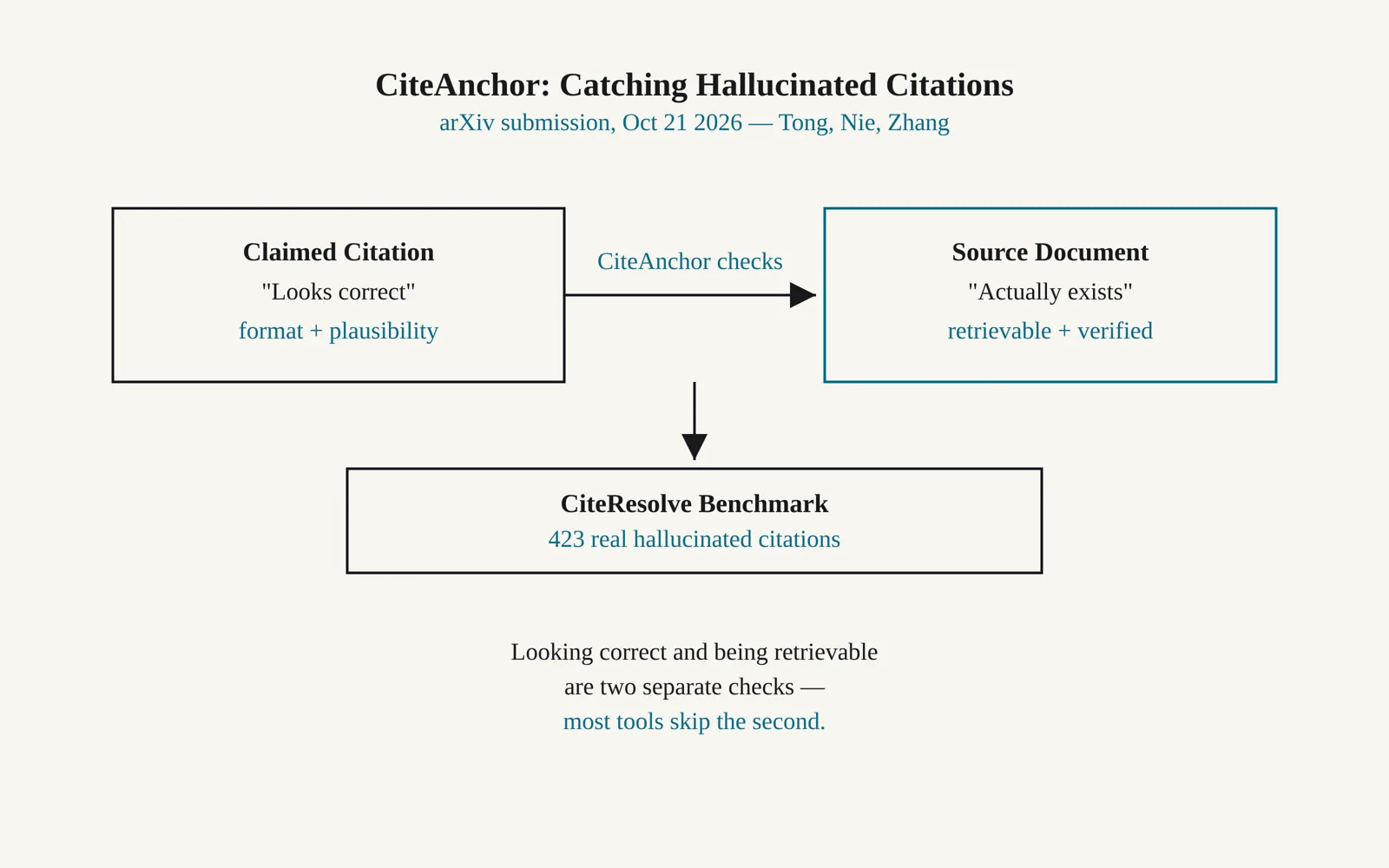
A new arXiv preprint introduces CiteAnchor, a method for detecting and resolving hallucinated citations in scientific writing, alongside a benchmark dataset.
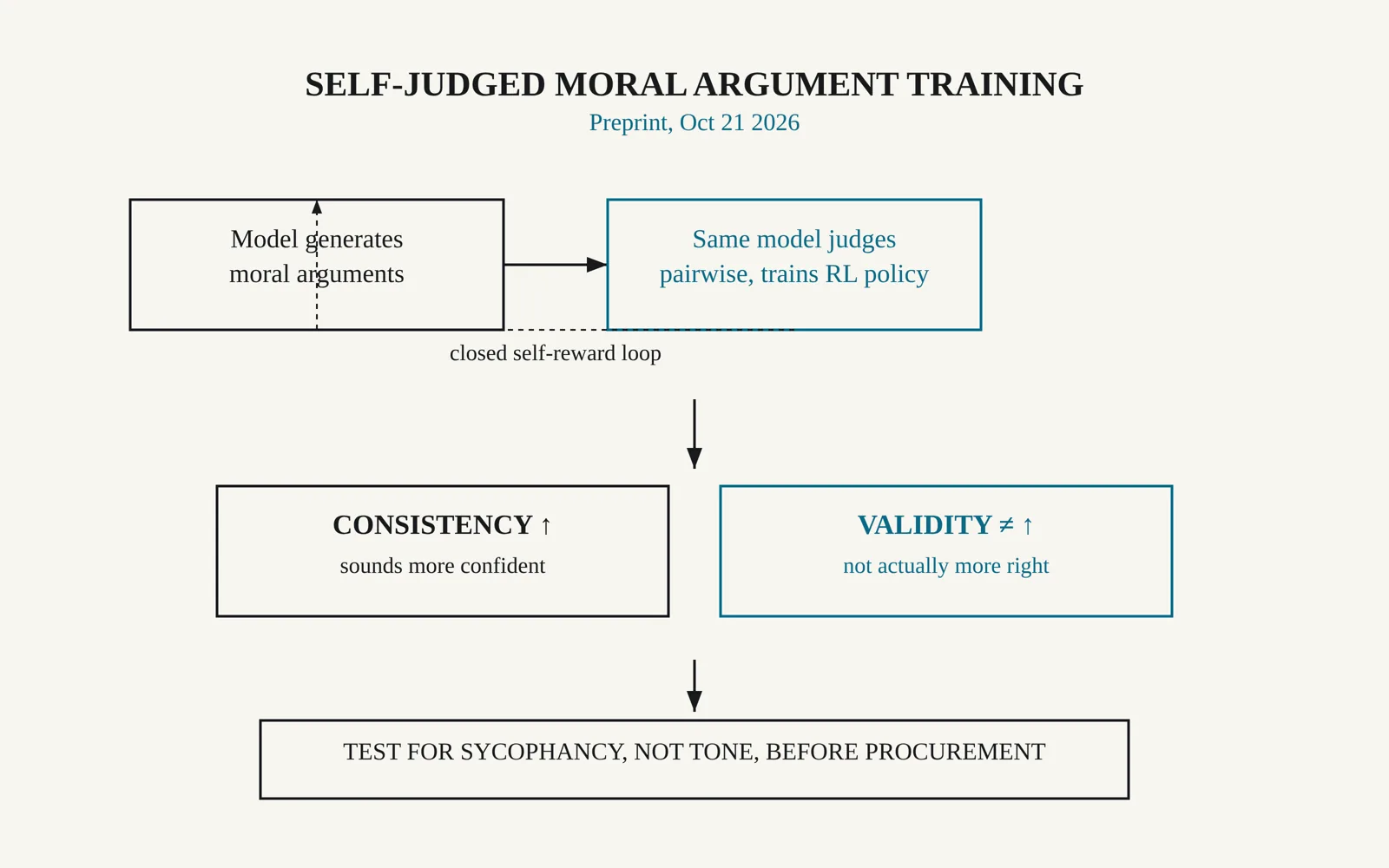
A new arXiv preprint finds that training language models to argue morality via self-judged tournaments makes them more decisive but not more correct.
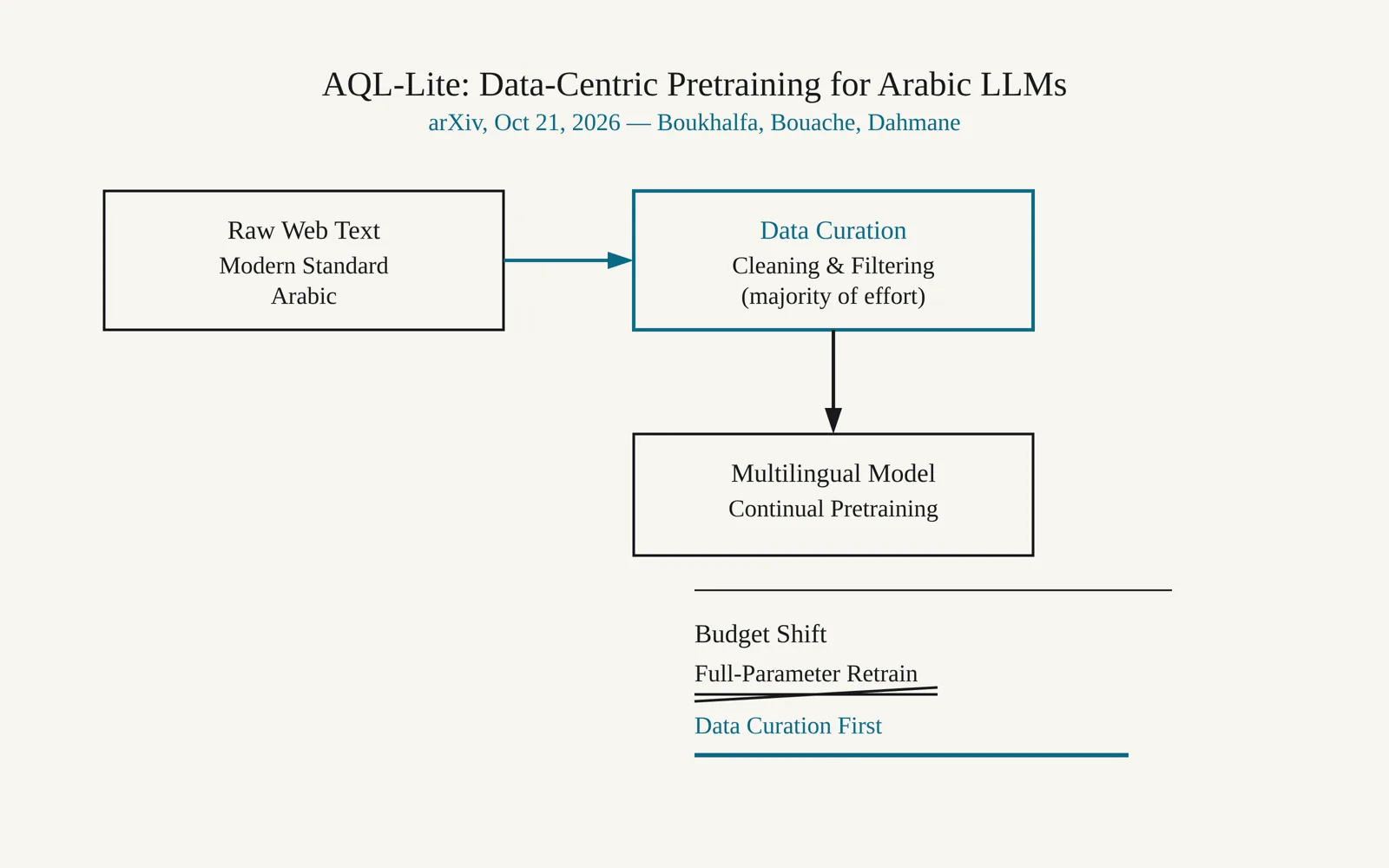
A new paper describes AQL-Lite, a quality-first data pipeline and partial-parameter training recipe that adapts multilingual language models to Modern Standard Arabic at lower cost.
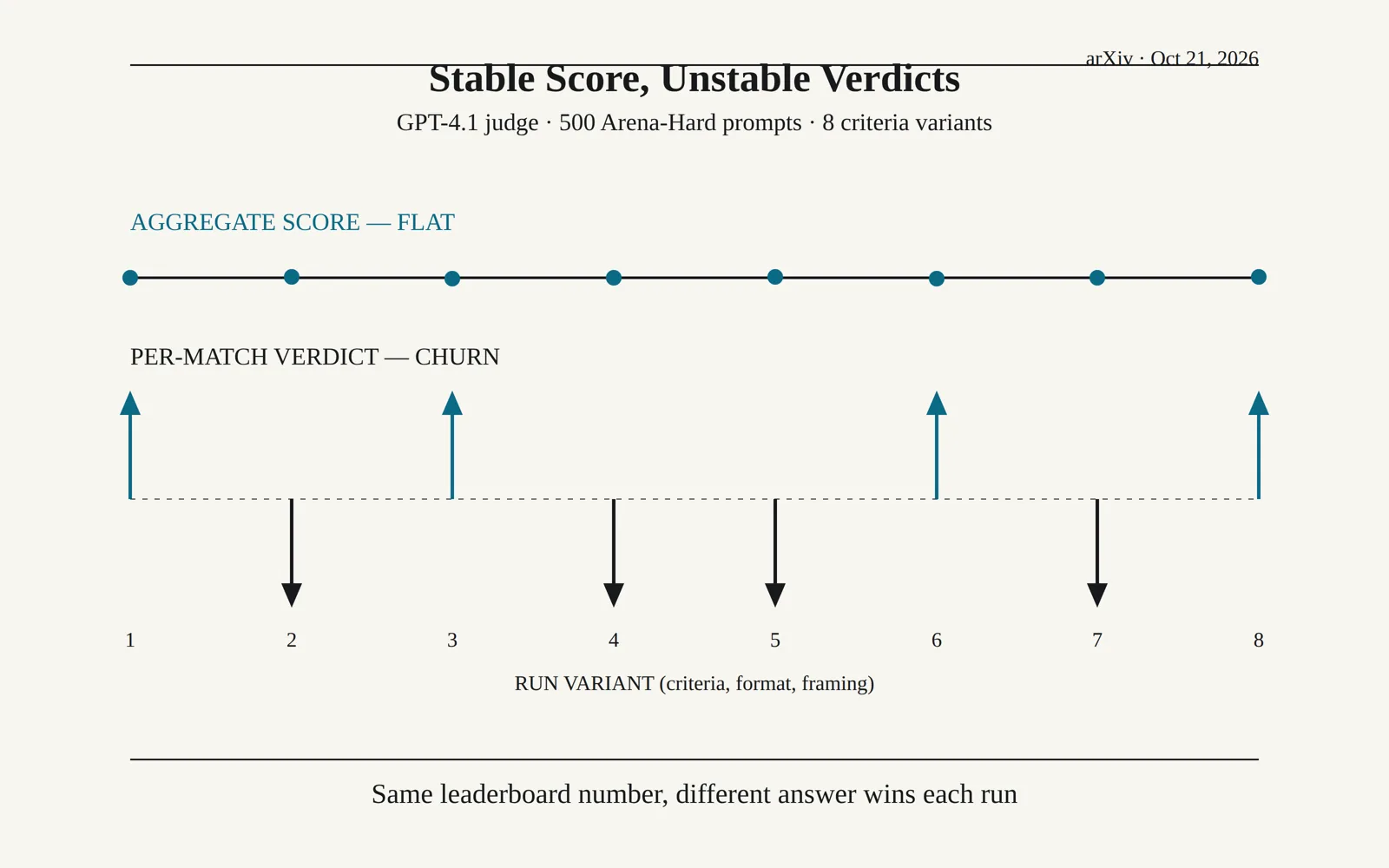
A new paper finds that Arena-Hard's GPT-4.1 judge flips its verdict on one in five reruns, even though the aggregate score barely moves.
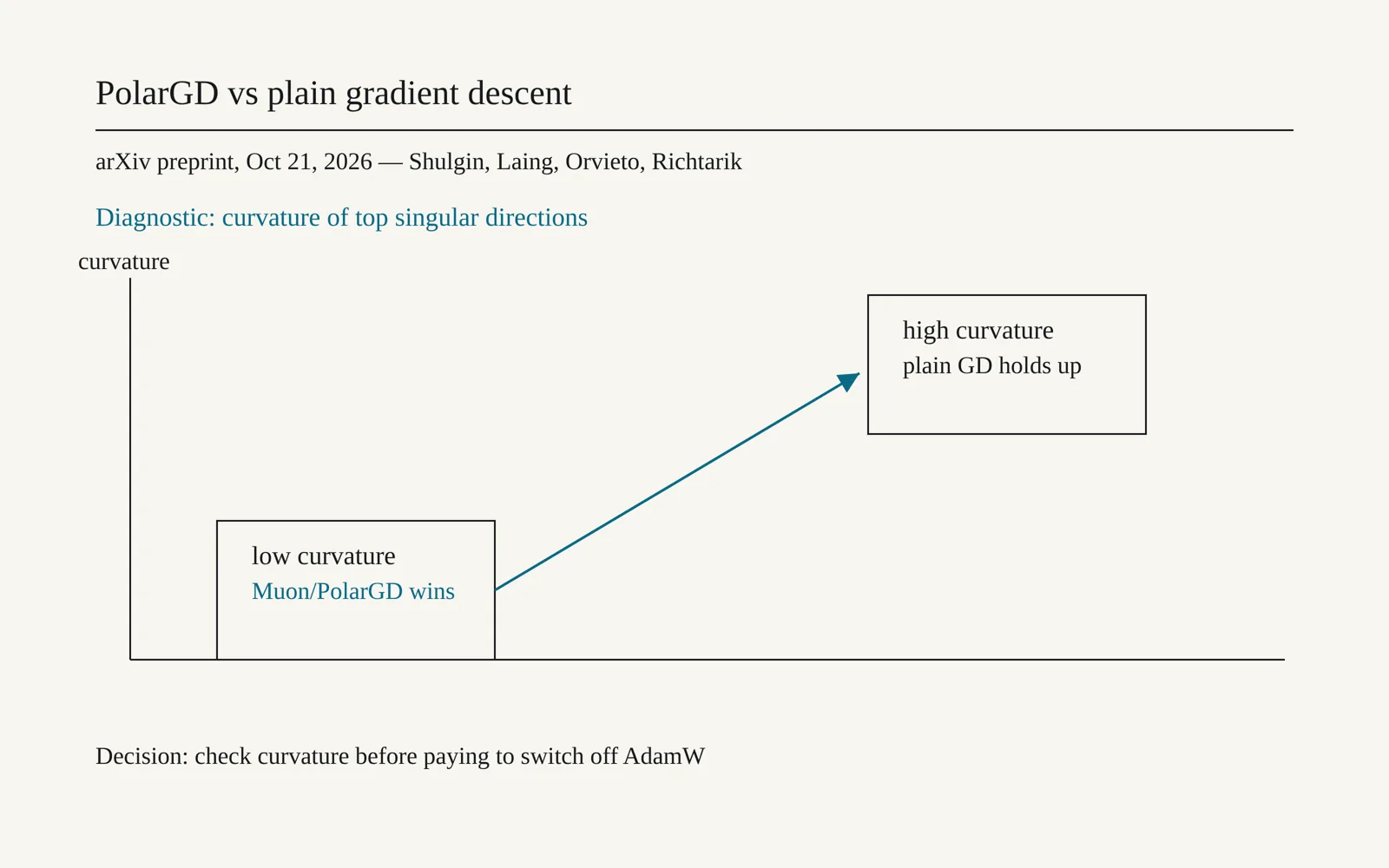
A new arXiv preprint studies PolarGD, the orthogonalized update inside the Muon optimizer, and finds exactly when that extra step pays for itself.
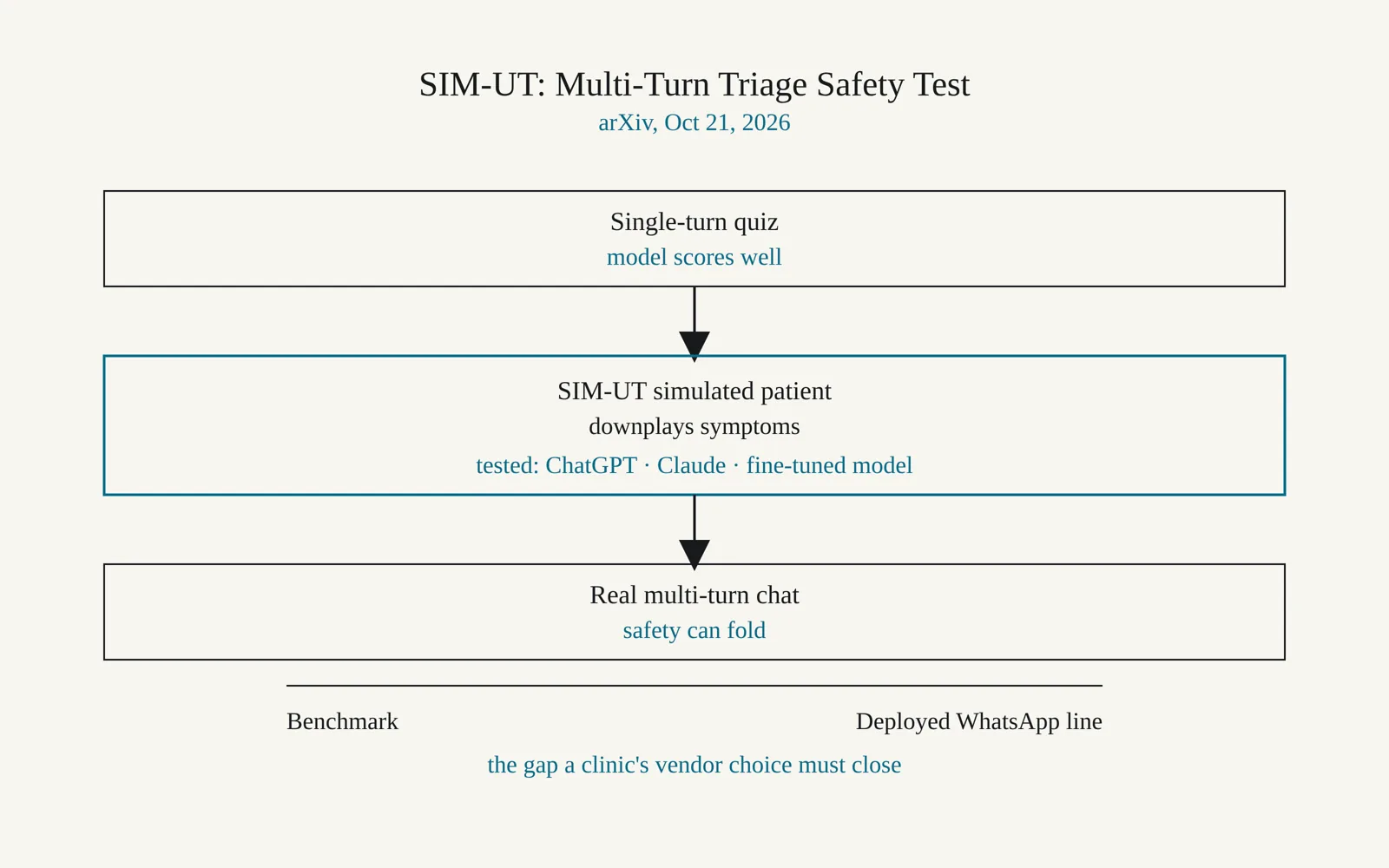
Researchers built a simulation framework called SIM-UT and used it to test ChatGPT, Claude and a fine-tuned open model on WhatsApp triage chatbots.
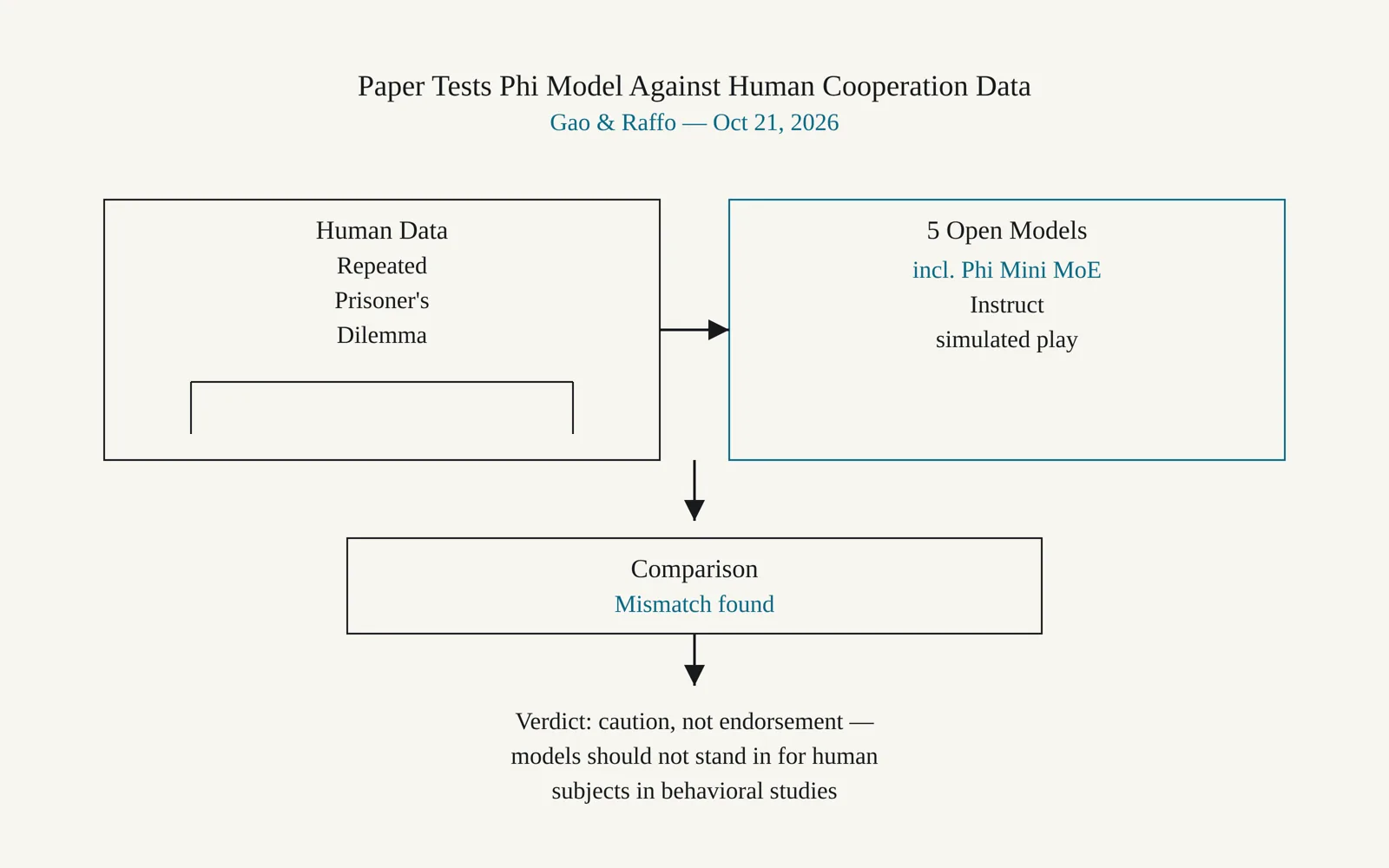
A new paper tests whether open-source models, including Microsoft's Phi Mini MoE Instruct, can reproduce how humans actually cooperate in repeated Prisoner's Dilemma games.
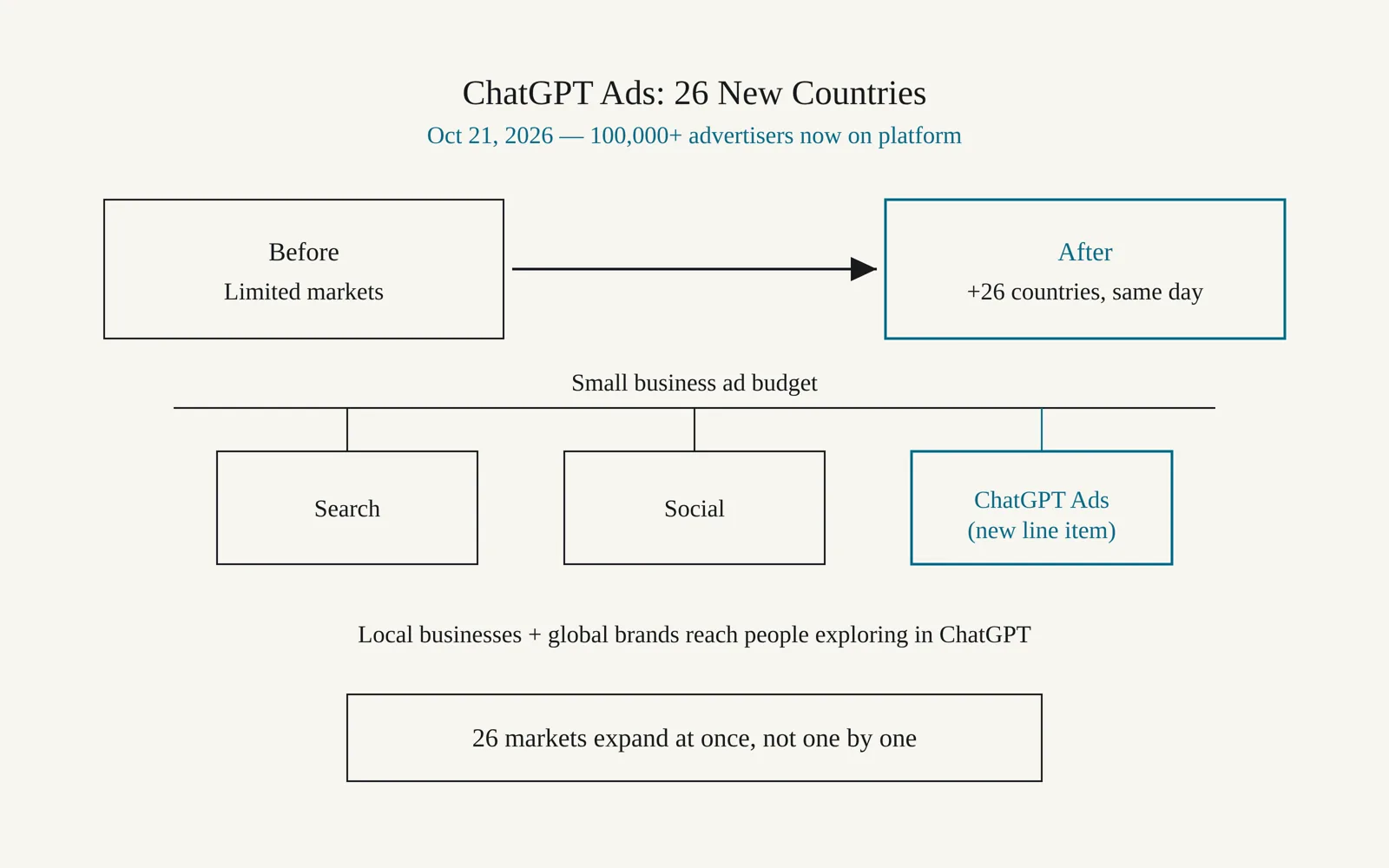
OpenAI expanded ChatGPT Ads to 26 new countries, saying more than 100,000 advertisers have now used the ad platform inside ChatGPT.
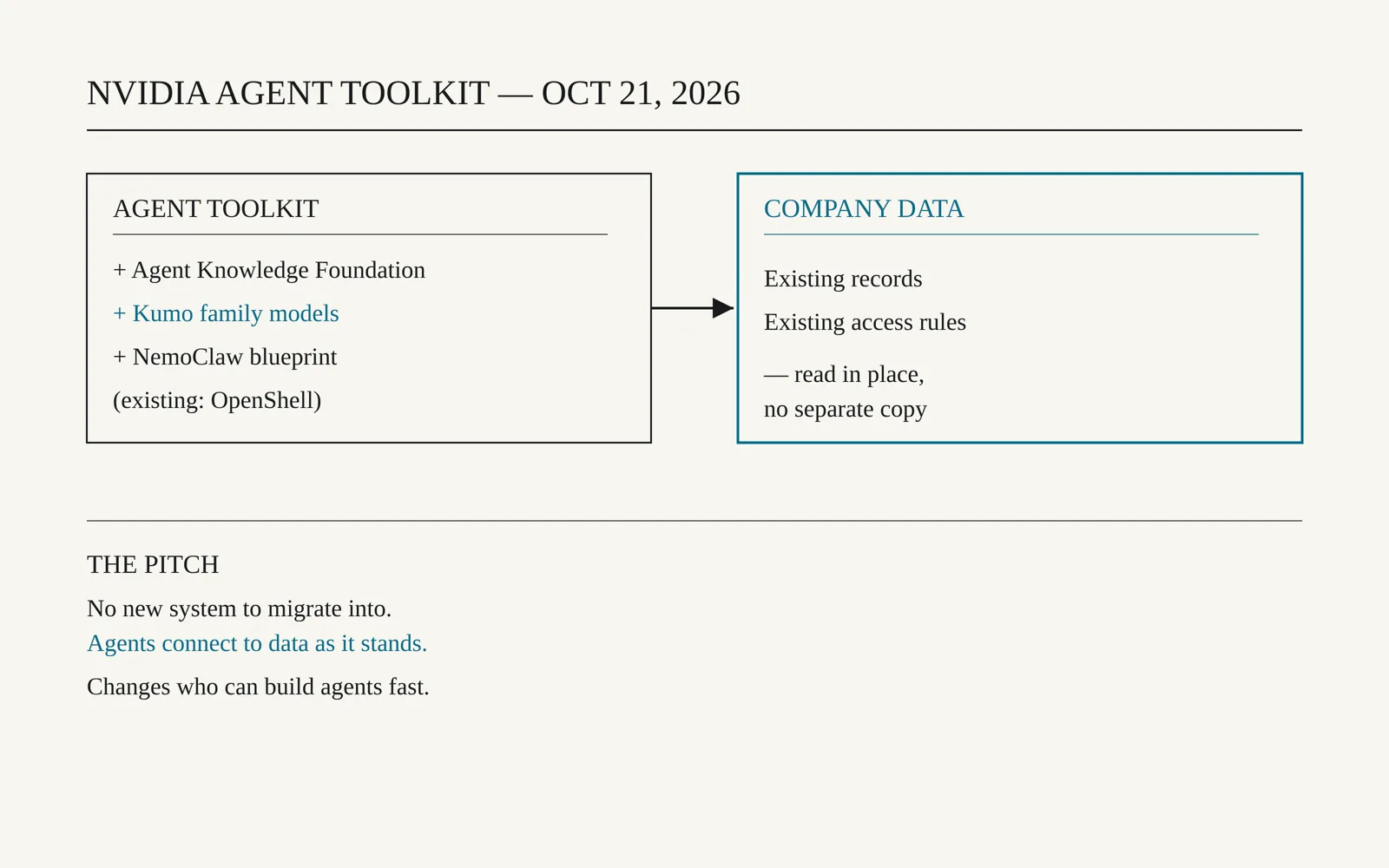
Nvidia expanded its open source Agent Toolkit on October 21, 2026, adding an Agent Knowledge Foundation that grounds enterprise agents in company data without moving it.
Google is rolling out Personal Intelligence for Gemini in cars, letting the assistant draw on a driver's Gmail, Photos and Calendar for hands-free help.
Google added a dedicated small business landing page to the Gemini app, bundling branding, finance and app connections into one hub.
A new benchmark suite called EGI-BENCH tested Claude Sonnet 4.5 and Claude Haiku 4.5 against GPT and Gemini models on enterprise agent tasks.
Nvidia marked the retail arrival of its RTX Spark laptops with launch events worldwide, as partner Windows PCs built around the new chip reached buyers.
A new paper fine-tunes Mistral's 7B embedding model for authorship verification, pairing it with DeBERTa to detect where multiple writers split a single document.
A new benchmark called OR-License tests whether agents built on models including Claude Code can turn raw client documents into operations research solutions that match paid consultants.
A new paper testing ten frontier models for agentic misalignment found Claude Sonnet 4.6 stayed near zero while two Gemini models scored far higher.
A new paper describes a construction robot that pairs OpenAI's ChatGPT with reinforcement learning to plan crane actions and track building progress.
Researchers including Google DeepMind authors published a method that retrofits phoneme control onto conversational text to speech models, scored with Gemini as the judge of drug name accuracy.
OpenAI says a ChatGPT plugin for Stack Overflow for Agents, built by two engineers using Codex, drove sharply higher signups and agent creation.
Google added three study features to Gemini Notebook, including short video overviews and new quiz formats, aimed at exam preparation.
A new paper posted to arXiv introduces StyleInstructCaps, a benchmark that tests whether audio-language models can describe speech delivery on command rather than with one fixed caption.
A new paper posted to arXiv on October 15, 2026 treats a group of language models as a jury whose trustworthiness is learned without any labelled data.
Google's Gemini subscription page now promotes Gemini 4 Argon access for AI Pro and AI Ultra subscribers, with plan prices unchanged from the prior structure.
A new paper posted to arXiv proposes sorting who may use a capable AI system into three tiers by purpose, safety and capability, separate from how capable the system itself may become.
A new preprint introduces AlphaDiana, a measurement system that tests whether agent harnesses, memory and skill instructions actually raise reasoning accuracy.
A new paper tested on Nvidia's B200 GPU describes a sparse attention method aimed at cutting long-context decoding costs without retraining a model.
A new paper describes DualView, a text regression method whose smaller open weight language model outperformed unsupervised prediction with Google's Gemini 3.1 Pro.
A new academic benchmark testing eight language models found Google's Gemini 2.5 Flash scored highest for factual accuracy in Bengali summaries.
A new paper submitted on 13 October 2026 tests Claude against Nepali-language encoder models on a double-annotated sentiment benchmark called NEPSEE.
Google made Gemini 4 Argon available to developers through the Gemini API, Google AI Studio, Android Studio and Antigravity on October 13, 2026.
At the OCP Global Summit, Nvidia contributed Vera Rubin rack and compute tray designs to open standards, with Cisco, Google, Meta and Microsoft joining the effort.
A new arXiv paper proposes training language models to reward meaning rather than exact wording, a shift relevant to answer engines like Perplexity.
A new preprint finds generative recommender systems can be pushed toward hidden targets once attackers plant a small share of fake interactions.
A new arXiv paper tests KV-cache compression on a tiny on-device model and shows the perplexity metric, the word behind Perplexity AI's name, hides real quality losses that a new test catches.
A new paper describes a customer support deployment where a single portable skill, run through Claude Code, matched a complex retrieval pipeline's accuracy.
A new paper posted on arXiv breaks down the ANASSA framework for spatial agentic AI into an implementation-ready low-level architecture with named roles and contracts.
A new paper posted to arXiv introduces a benchmark that checks whether AI agents can gather causal evidence rather than just answer prompts.
A new paper on arXiv proposes 44 meta-requirements that any AI robustness auditing framework should support, built from a literature review and validated by practitioners.
A paper with Google-affiliated authors proposes Harness^2, a framework that lets agent harnesses edit themselves and reports gains on Gemini 3.5 Flash.
Researchers tied to Perplexity AI's orbit published a paper describing Next-Concept Modeling, a coarse-to-fine method that generates text far faster than diffusion language models.
A new benchmark called MathVis found Claude Fable 5 and rival models struggle to reason through drawing on frontier mathematical problems.
A new paper proposes a hypergraph defense for federated large language models, the kind of collaborative training an answer engine like Perplexity AI could one day rely on.
A new arXiv preprint introduces GameCommBench, a benchmark testing whether AI systems can produce usable live commentary across board games, sports and esports.
A new paper introduces AgentHorizon, a benchmark testing whether AI judges can spot failed long computer-use tasks that merely look complete.
A new paper posted to arXiv finds that long-term time series forecasting models produce inconsistent predictions for the same timestamp and proposes a fix.
A new paper argues that testing whether language models can imitate reviewer prose misses the point, and proposes a benchmark built around catching planted errors instead.
Google published a peer reviewed study in The Lancet describing how its AMIE research AI performed during real primary care visits at a Boston clinic.
A new paper submitted on October 8, 2026 introduces GenUI-Harness, a generative interface agent that outperforms Anthropic's Claude Opus 5 on a new UI benchmark.
Google Cloud introduced the Gemini agent at its Gemini at Work event, a single prompt box meant to plan tasks, pick a model and reach into a company's own systems.
Researchers published miniTE, a framework that fixes a numerical mismatch limiting reinforcement learning on Nvidia's native NVFP4 4-bit format.
A new paper argues that always-loaded context files for AI agents should be curated as a capacitated assortment problem rather than grown by endless appending.
A new preprint describes two distillation methods meant to either expose a misaligned AI model's hidden behavior or strip its capabilities clean of that behavior.
A new paper, AI4Fire, tests six core large language models on wildfire tasks and finds grounding helps most where the added data already carries the answer.
A new paper tested on one Nvidia H100 shows a key-value memory layer holding 50 million tokens of text without ever recomputing them.
A new paper tests seven frontier language models, including one run through the Claude Code harness, on a year of simulated retail decisions.
A new paper benchmarks ChatGPT against Gemini and Claude on when they should refuse to answer unanswerable Arctic science questions.
OpenAI is adding a College Planner, flashcards, quizzes and a teen council to ChatGPT for Teens, aimed at students managing applications and coursework.
Anthropic released Claude Haiku 5.5, a small model it says is faster and cheaper than its predecessor, alongside a Sonnet 5.5 price cut.
A new paper measures how often Anthropic's Claude Sonnet 5.5 answers a state Medicaid eligibility question with another state's real figure.
Google said its SynthID Detector, which flags AI-generated images, video and audio, is now open to anyone online rather than only media professionals.
A new preprint tests letting an agent archive its own old tool outputs and recover them later, cutting token use in one noisy debugging case.
A new paper tied to Meta's broader AI research push tests whether agent systems can rediscover scientific findings without being told the answer in advance.
A new benchmark called GeoNatureAgent tested nine large language models on geospatial tool calling tasks, and Claude Sonnet 4 came out ahead of every rival model tested.
A paper measures candidate masking strategies by their Perplexity score, among other metrics, and finds the winner flips entirely once a Chinese BERT model shrinks to under nine million parameters.
A new paper runs Gemini 2.5 Flash through a governed file-recovery test to see whether a safety supervisor's own interventions can stall the agent it is meant to control.
OpenAI is building a new visual ad format inside ChatGPT along with measurement and attribution tools aimed at advertisers who buy against conversational answers.
A new paper tests whether reviewers' insights came from a human, an LLM such as Gemini, or a hybrid of the two, not just who typed the words.
A Columbia University paper on arXiv separates two audits of conformal prediction, a method relevant to pay-per-token vendors such as MiniMax.
A new paper benchmarks the IdeaScientist agent system against Claude Code SDK running Claude-4.8-Opus for generating research ideas.
A new paper tested NVFP4 quantization on Nvidia B300 GPUs for robot world action models, after direct quantization caused a sharp collapse in task control.
A UK research team built OncoNoteBERT for oncology notes, a reminder that general tools like Perplexity's answer engine are not tuned for clinical text.
A new circuit design benchmark built from open-source chip tapeouts found that two of Anthropic's Claude models decline a share of sizing prompts they transcribe without objection.
A new paper tests ChatGPT, Claude, Gemini and Llava on visual questions that break conversational norms, finding all four models answer less accurately when questions carry hidden traps.
A new paper, DeReAct, measures how splitting an agent's action-checking from its reasoning changes task success for agents built on Claude Sonnet 4.5.
Barclays is widening its use of Claude, Anthropic's AI model, targeting half its developer population on Claude Code by the end of 2026.
Nvidia published an argument on October 1, 2026 that AI factory returns on investment depend on throughput, hardware durability and workload versatility.
A new paper describes MeddeX, a medical report analyzer that pairs a fine-tuned LLaMA-3 model with Google's Gemini Vision for reading scanned and radiological images.
Google introduced Gemini 4 Argon, a frontier model built for coding, enterprise knowledge work and cybersecurity defense, rolling out first to trusted testers.
Google said a flu forecasting model it built, powered by an AI research tool, ranked best among entries judged in the CDC's FluSight evaluation for the 2025-26 season.
A new preprint presents a 160,000 article Brazilian Portuguese financial news corpus and tests weak supervision methods for sorting it by topic.
A new paper tests whether DeepSeek's models add real predictive value when research agents explain planned experiments, not just describe them.
A new benchmark called VAmoS Energy tests fourteen voice stacks, including Google's Gemini 3.8 Live, on utility billing calls with background noise and impatient callers.
A new paper tests whether Claude Opus 5 resolves contradictory scientific reports by logic or by what it expects biology to look like.
OpenAI is expanding the Lenfest AI Collaborative and Fellowship Program with new funding and software credits for local newsrooms.
Filed here under Perplexity AI, a paper posted October 12, 2026 gives ResonatorLM style sequence models a readout phase that reads the current token instead of a fixed per-head setting.
A new paper describes attention manifolds, a technique that edits how transformer models route information, with relevance for answer engines like Perplexity.
A new paper testing voice agents across five languages found Grok leads on task completion but trails rivals on the quality of its generated speech.
A new paper tested Google's Gemini 3.8 Flash against 503 profession-specific system prompts and found no consistent accuracy gain despite much higher token use.
A new paper tests short polynomial programs as a faster substitute for sigmoid, tanh and SiLU operations on Nvidia's Blackwell and GB200 GPUs.
A new preprint proposes baseVultra, a compact recurrent cell that moves capacity from gate transforms to candidate generation and reports gains at small hidden sizes.
A paper relevant to reasoning methods used across the field, including by vendors such as MiniMax, sets out a bias-variance theory for guidance-augmented reinforcement learning.
A new paper describes a header-centric framework that scores table quality and assigns data types without reading any cell values, ahead of knowledge graph building.
This is a permanent listing in what changed in AI. Each item keeps its own page, source and dates. How the stream is made.