Paper Traces How Mistral and Peer Models Encode Three-Token Relationships
A new paper studies how Mistral's language models, alongside Llama, Qwen and Gemma, build up layer by layer representations of relationships among three tokens.
Every change published here in September 2026, ordered by the day it happened and kept on a permanent month page. Each entry keeps its source, event date and plain account of what changed.
A new paper studies how Mistral's language models, alongside Llama, Qwen and Gemma, build up layer by layer representations of relationships among three tokens.
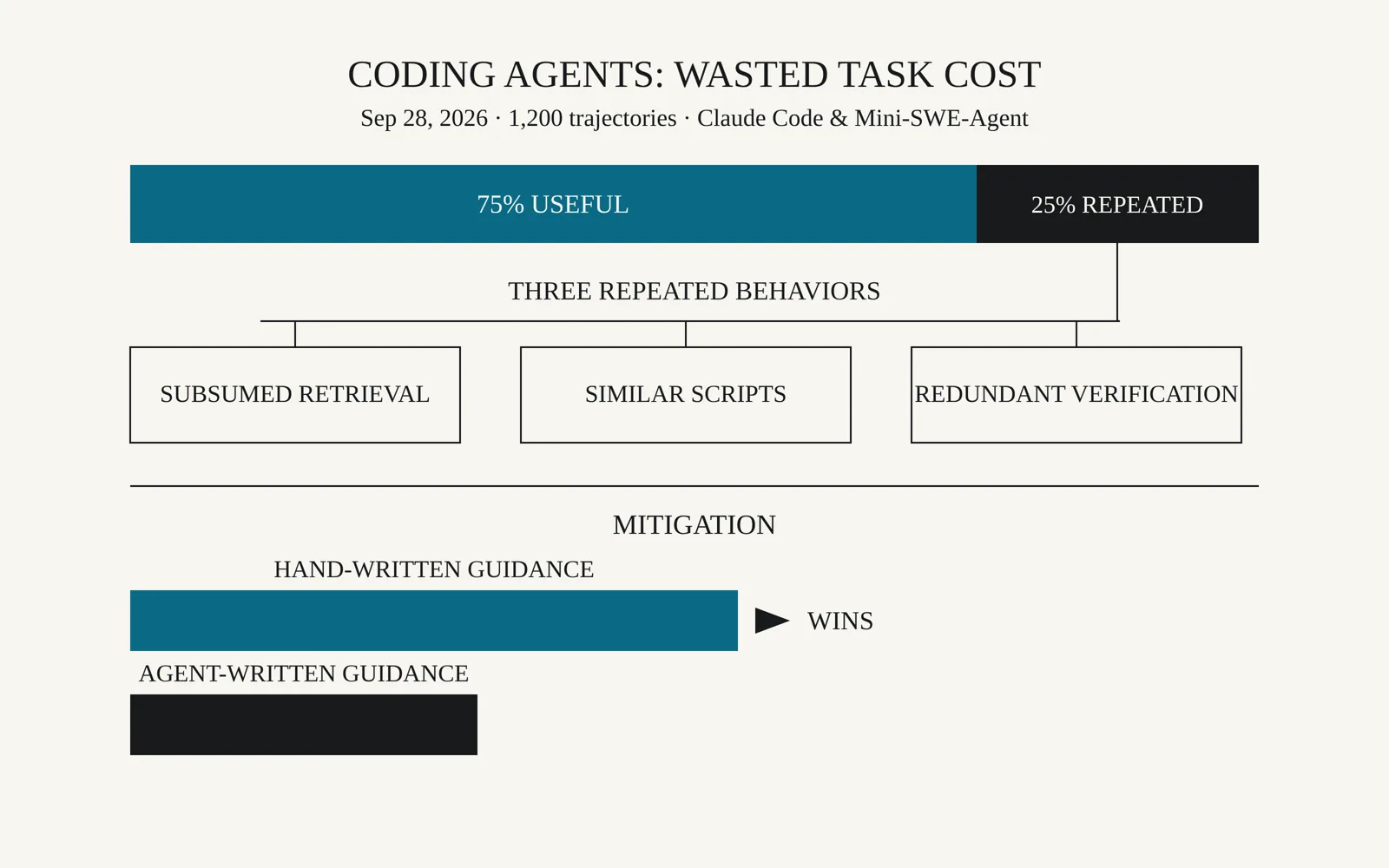
A new paper analyzing Claude Code and Mini-SWE-Agent trajectories on SWE-bench Verified finds three recurring habits that quietly inflate coding agent bills.
Anthropic released Claude Sonnet 5.5 on September 28, 2026, holding the API price of its predecessor steady while claiming faster answers and lower per-task cost for most work.
Google published a roundup of four developer projects built with Gemini 3.8 Flash, the workhorse model it priced into the API this month.
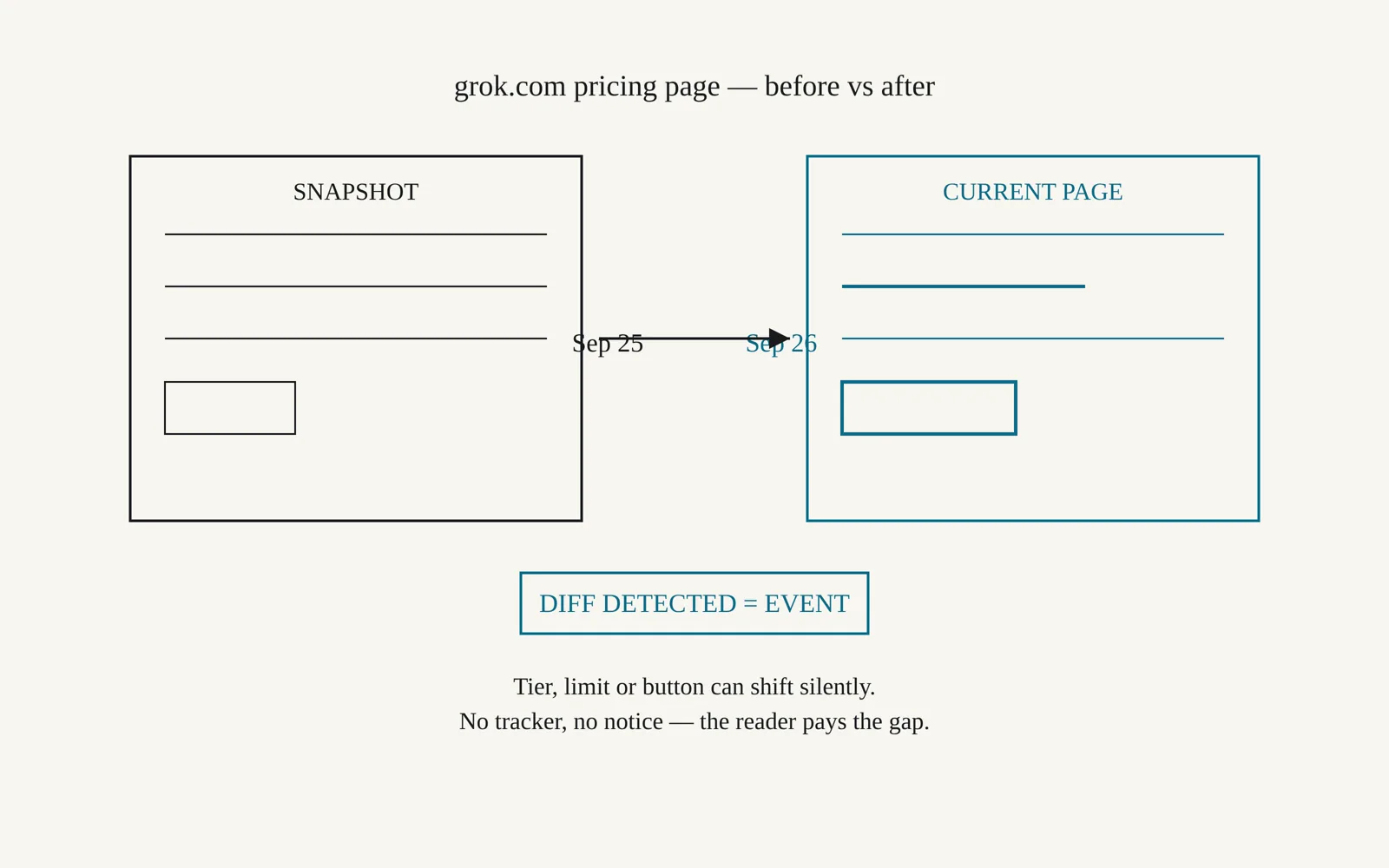
xAI's public site at grok.com now shows a pricing page that differs from the version this site last recorded, though the vendor has not detailed the change.
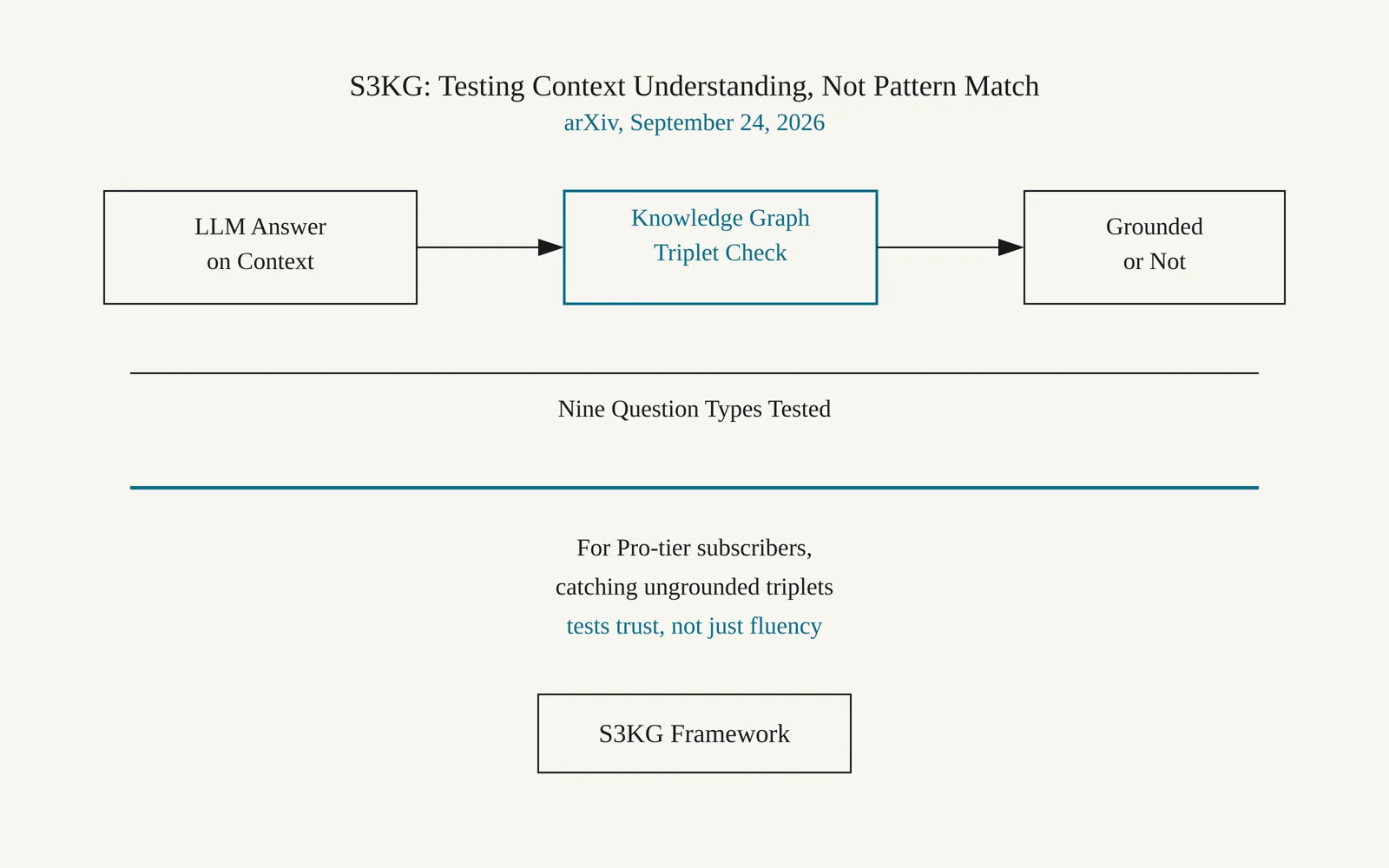
A new knowledge graph based evaluation framework tests whether large language models genuinely understand context, a question that bears directly on answer engines such as Perplexity.
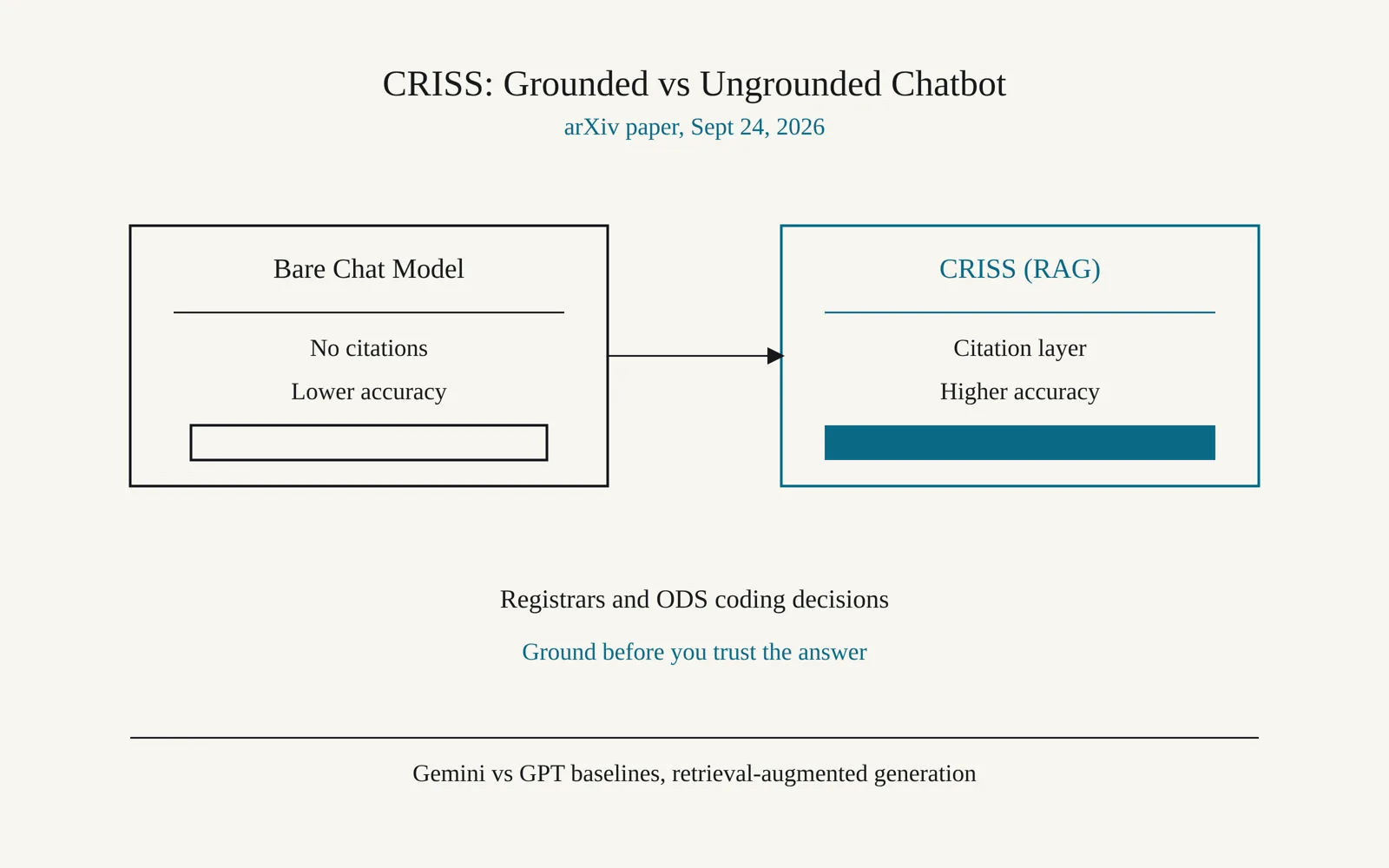
Researchers built CRISS, a retrieval-augmented chatbot for cancer registrars, and tested it using Google's Gemini models alongside GPT baselines on registry coding questions.
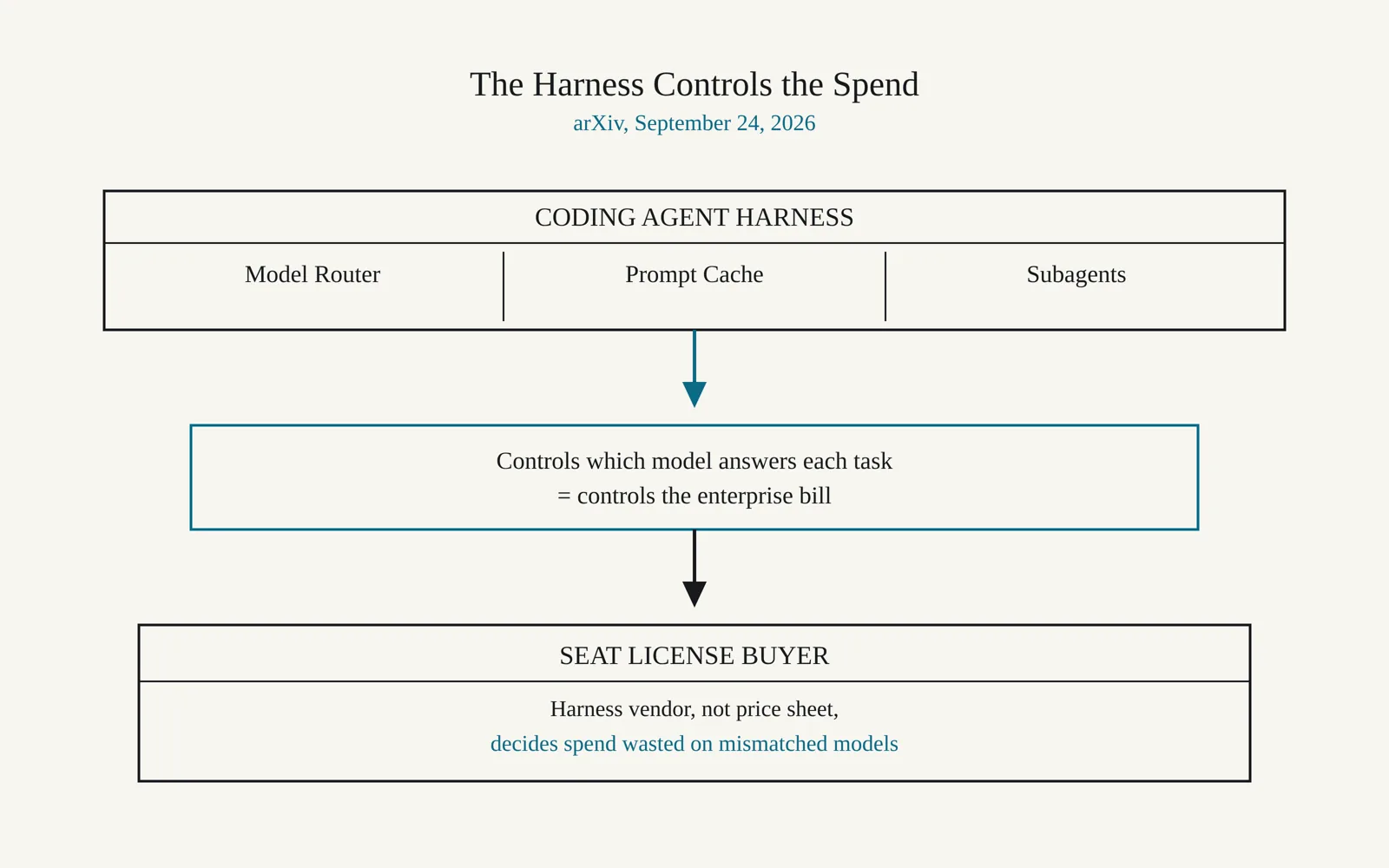
A new paper argues that the harness running a coding agent, not the model alone, sets what enterprises pay Anthropic and other vendors for tools like Claude Code.
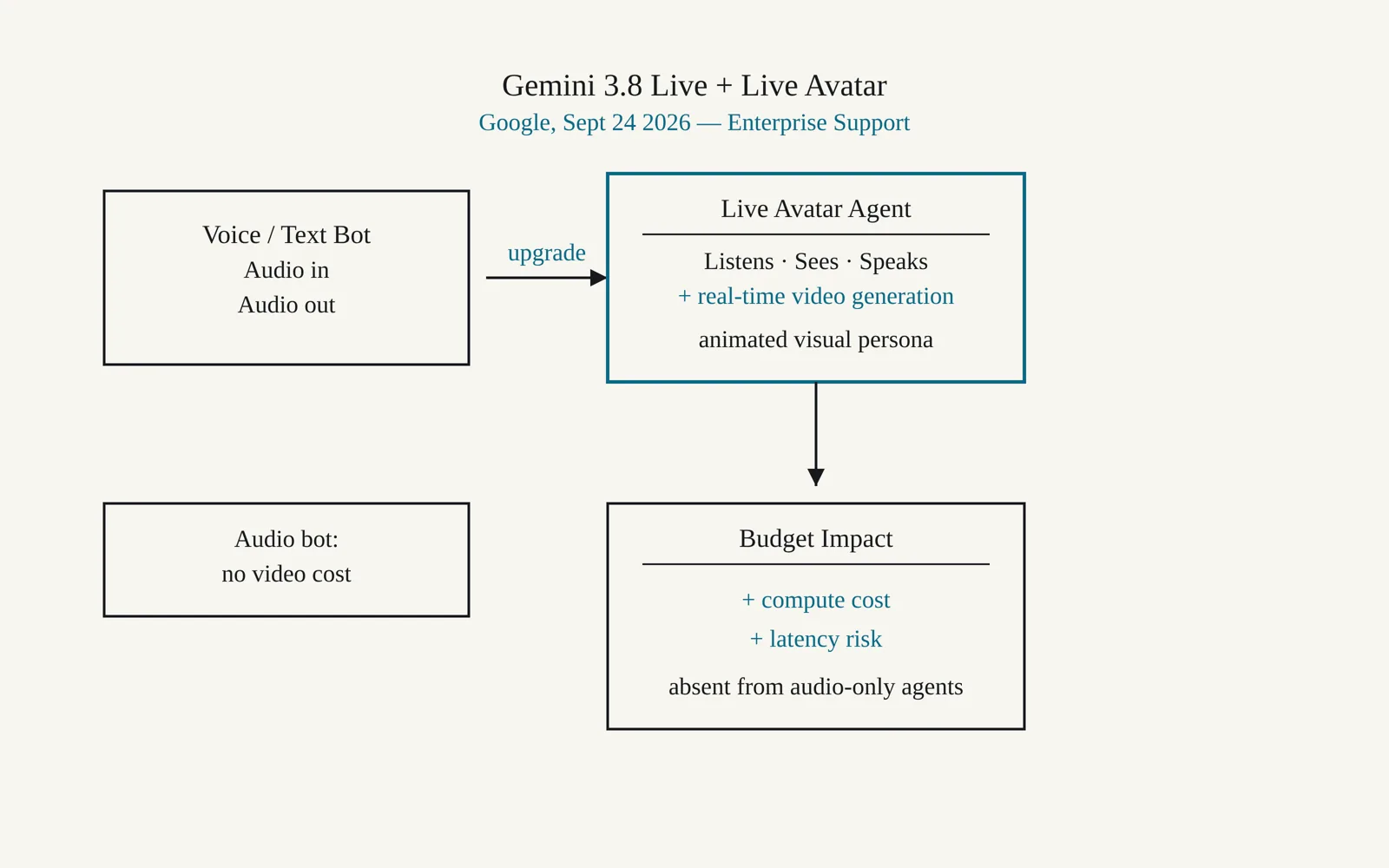
Google added Live Avatar to Gemini 3.8 Live, giving its conversational AI a real-time animated face for enterprise customer service and support tasks.
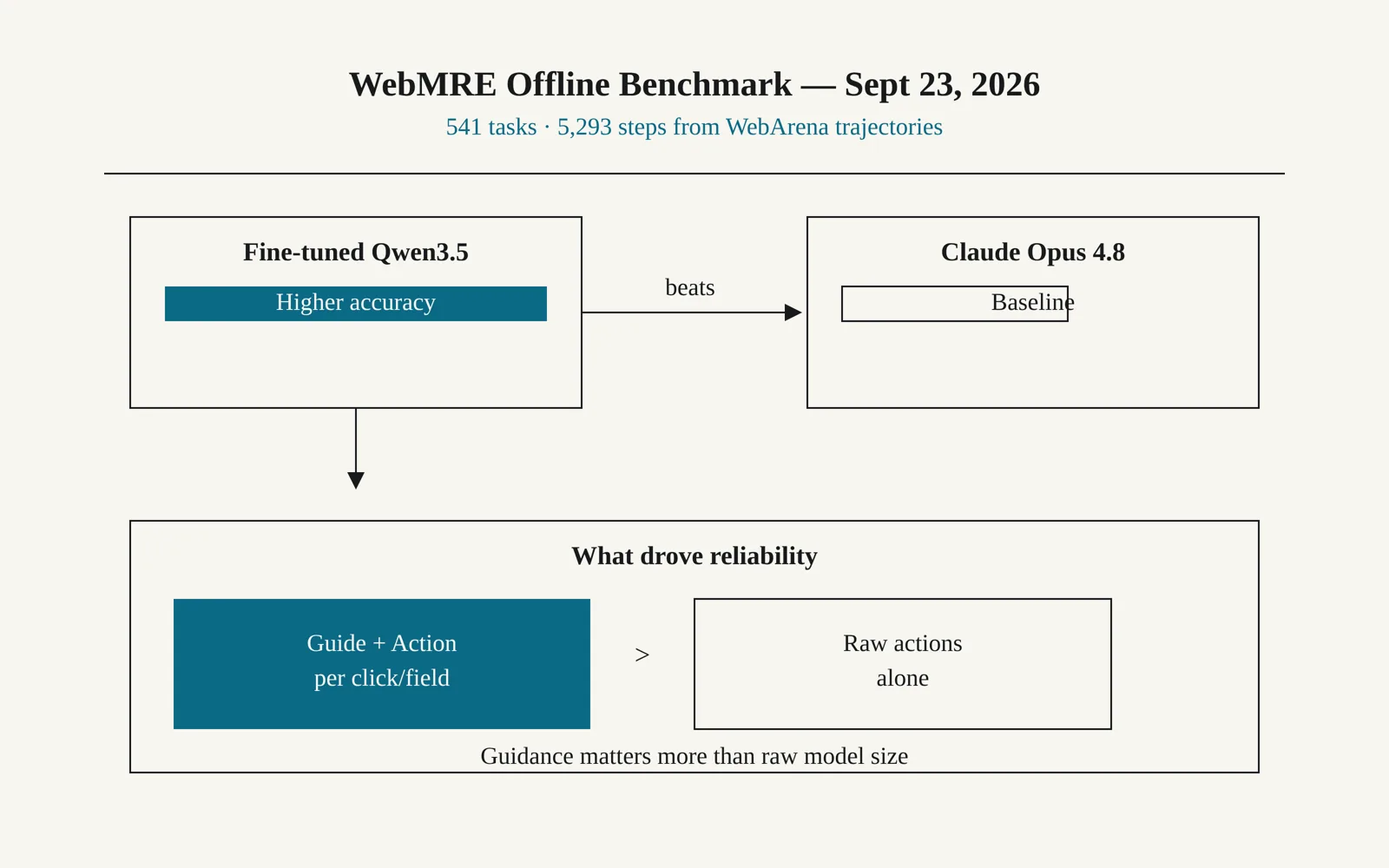
A new paper reports that a fine-tuned smaller model outscored Anthropic's Claude Opus 4.8 on every metric of a new offline web agent benchmark.
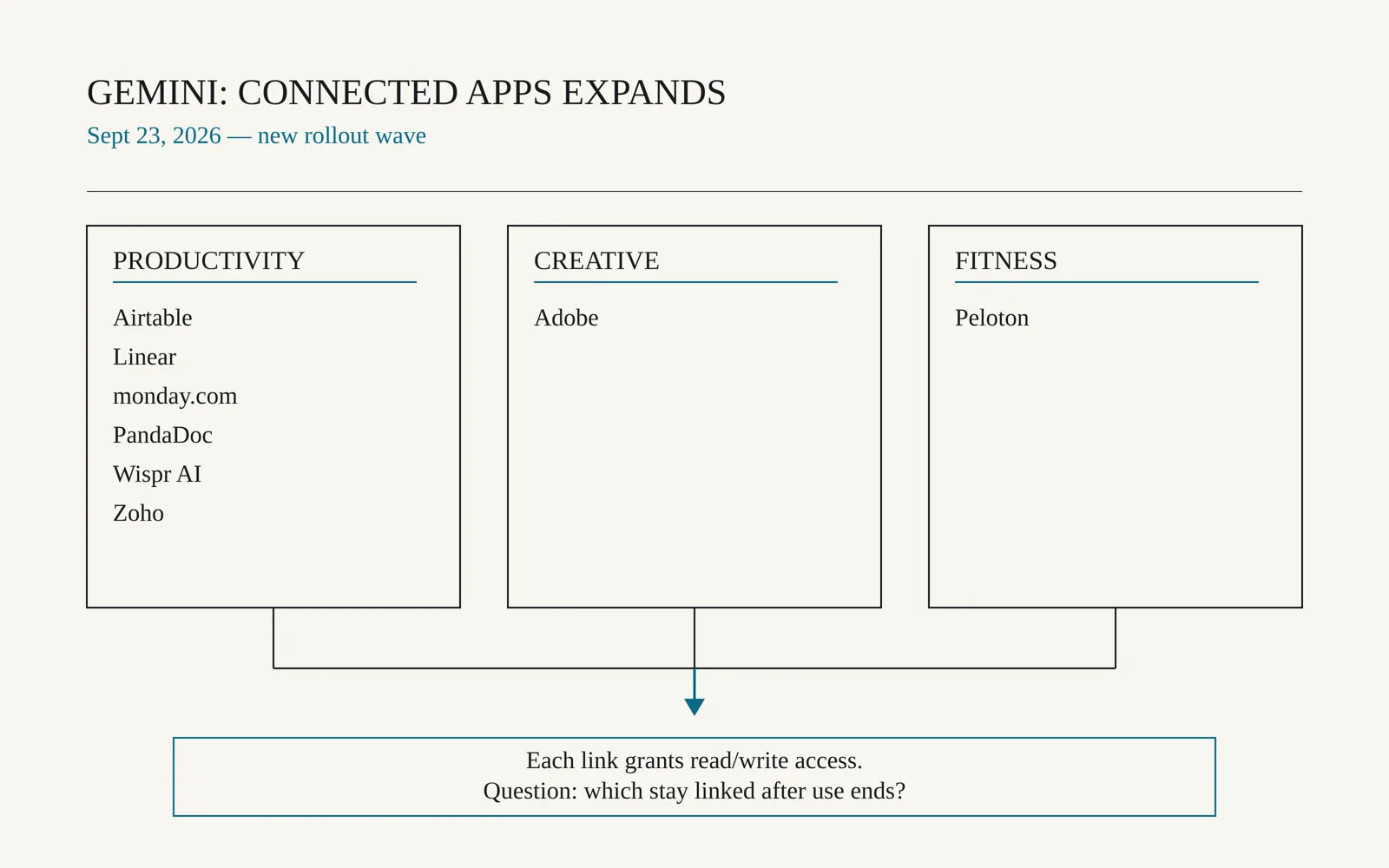
Google began rolling out a new wave of Connected Apps inside Gemini, letting the assistant reach into productivity, creative and lifestyle tools without switching tabs.
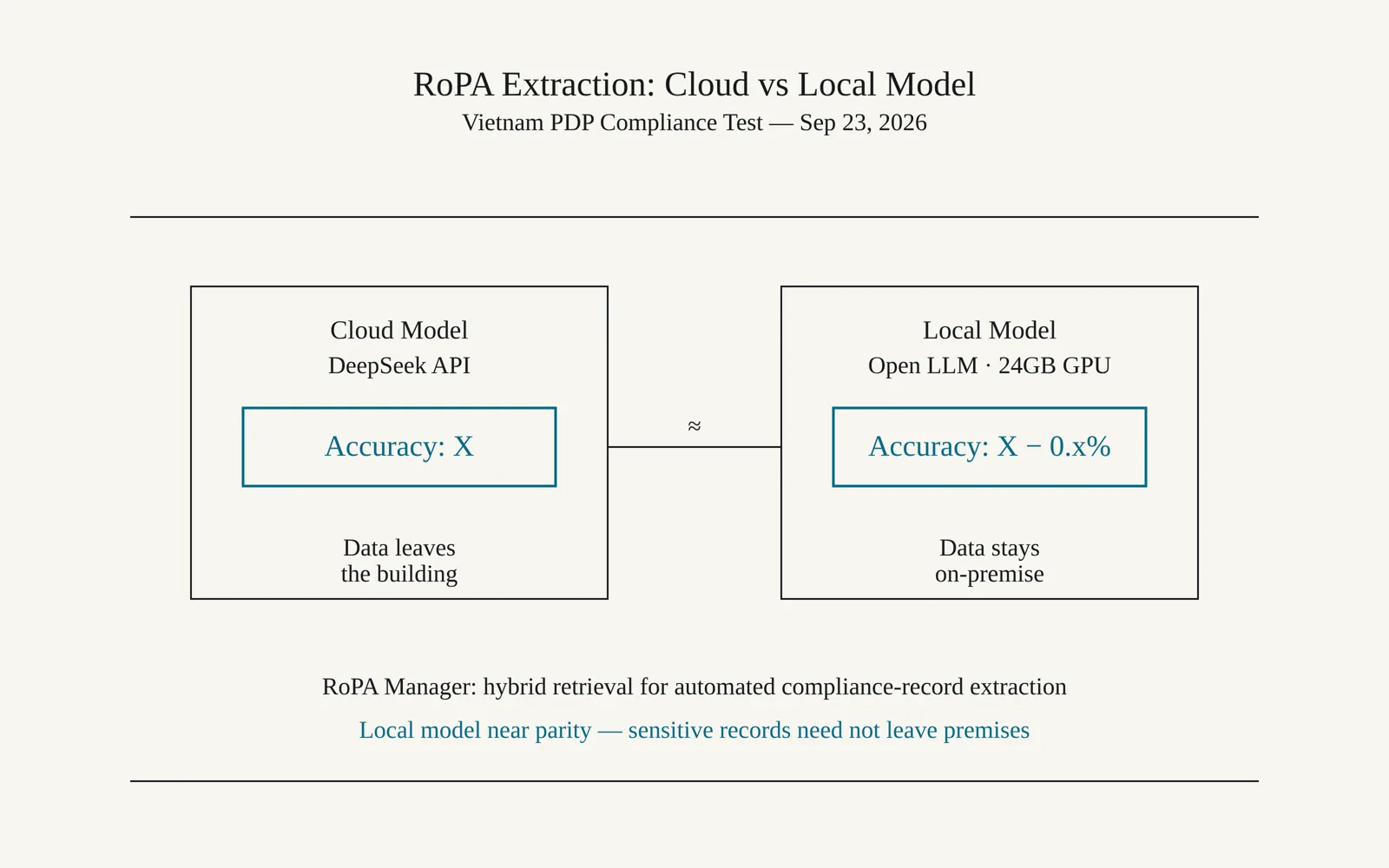
A paper posted to arXiv found DeepSeek's cloud API performed statistically the same as a locally hosted model at pulling compliance records from Vietnamese documents.
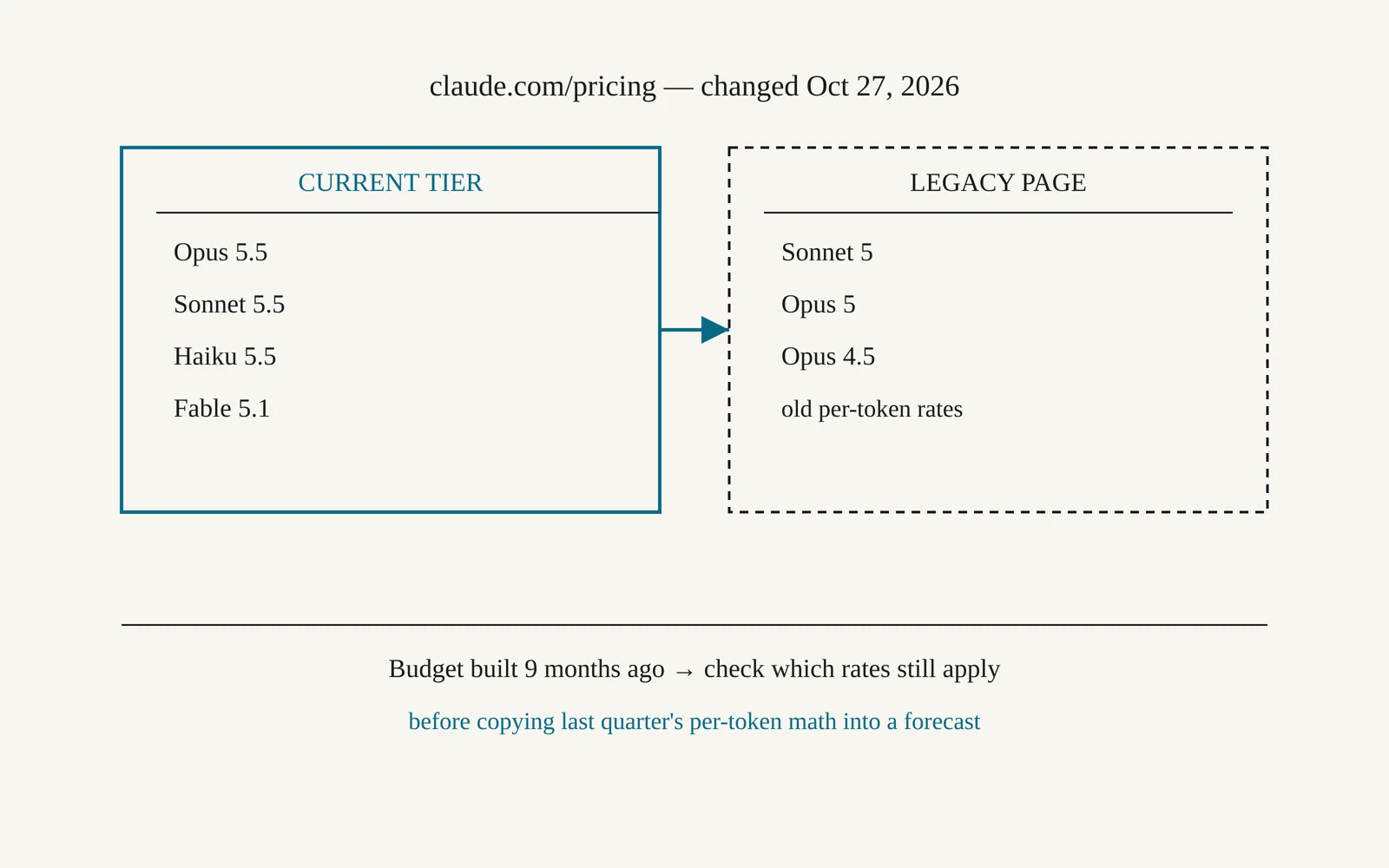
Anthropic's pricing page now shows Claude Cowork merged into the main Claude product, with new figures for Pro, Max and Team seats.
Anthropic released Claude Opus 5.5 on September 22, 2026, cutting per-token API prices and raising subscription usage limits for Claude users.
Anthropic's Claude Opus 5 was one of four frontier agents tested in a new benchmark measuring whether an AI agent can be trusted to deliver a fine-tuned model, not just raise a metric.
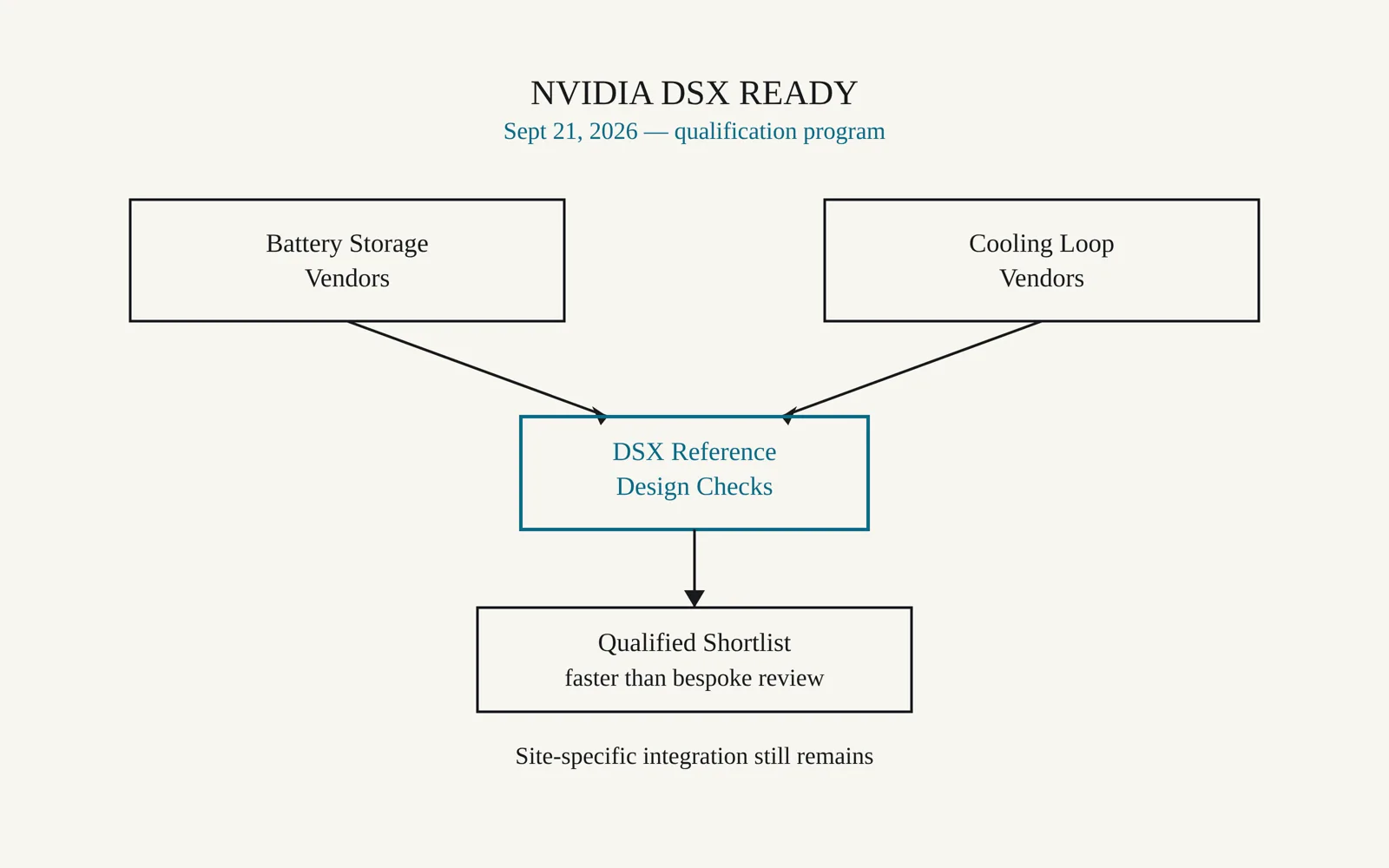
Nvidia opened a qualification program called DSX Ready that checks whether outside power and cooling products meet its AI factory reference design requirements.
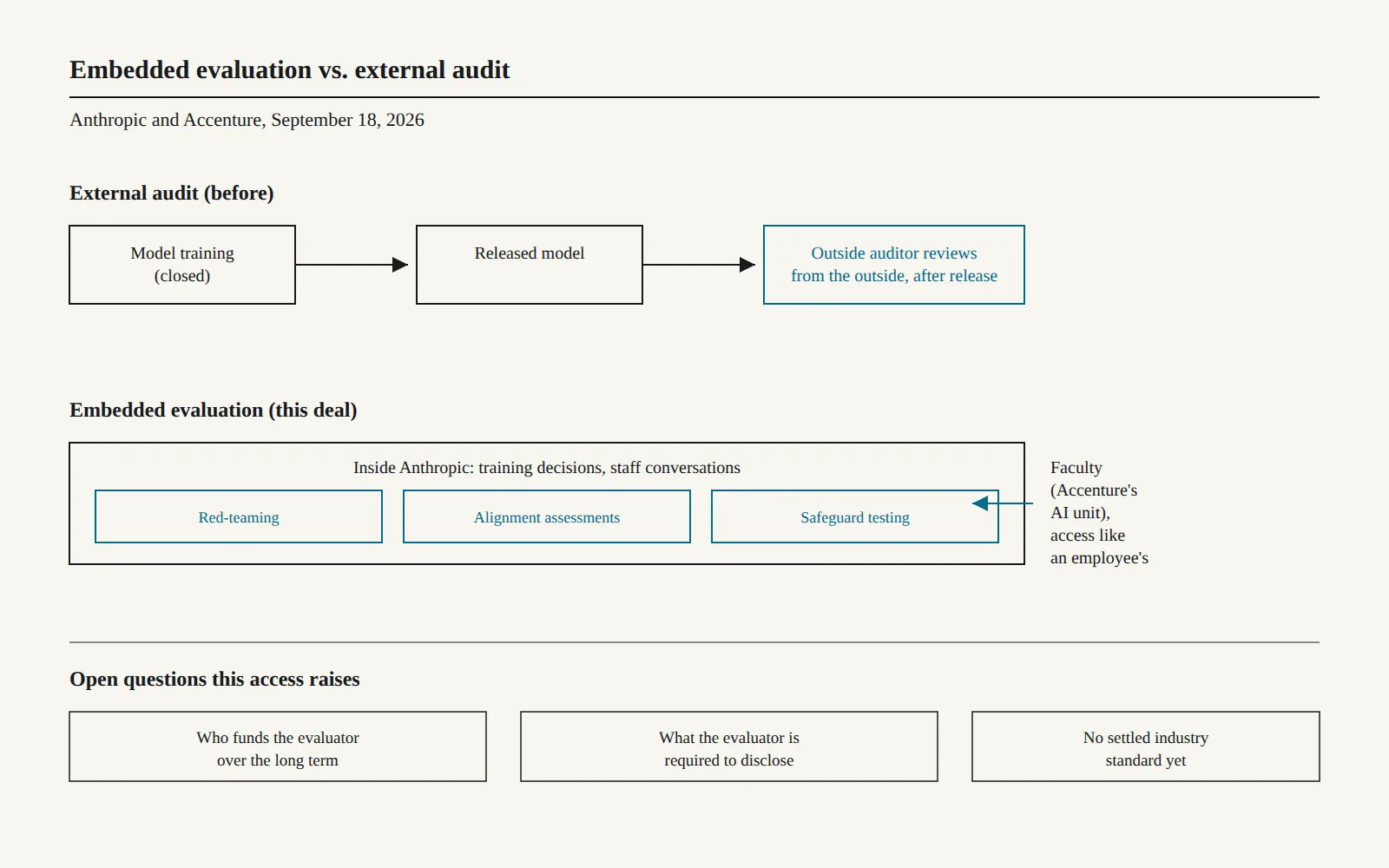
Anthropic said it will let evaluators from Accenture's Faculty unit work inside the company with access comparable to an employee's, testing safeguards on frontier models.
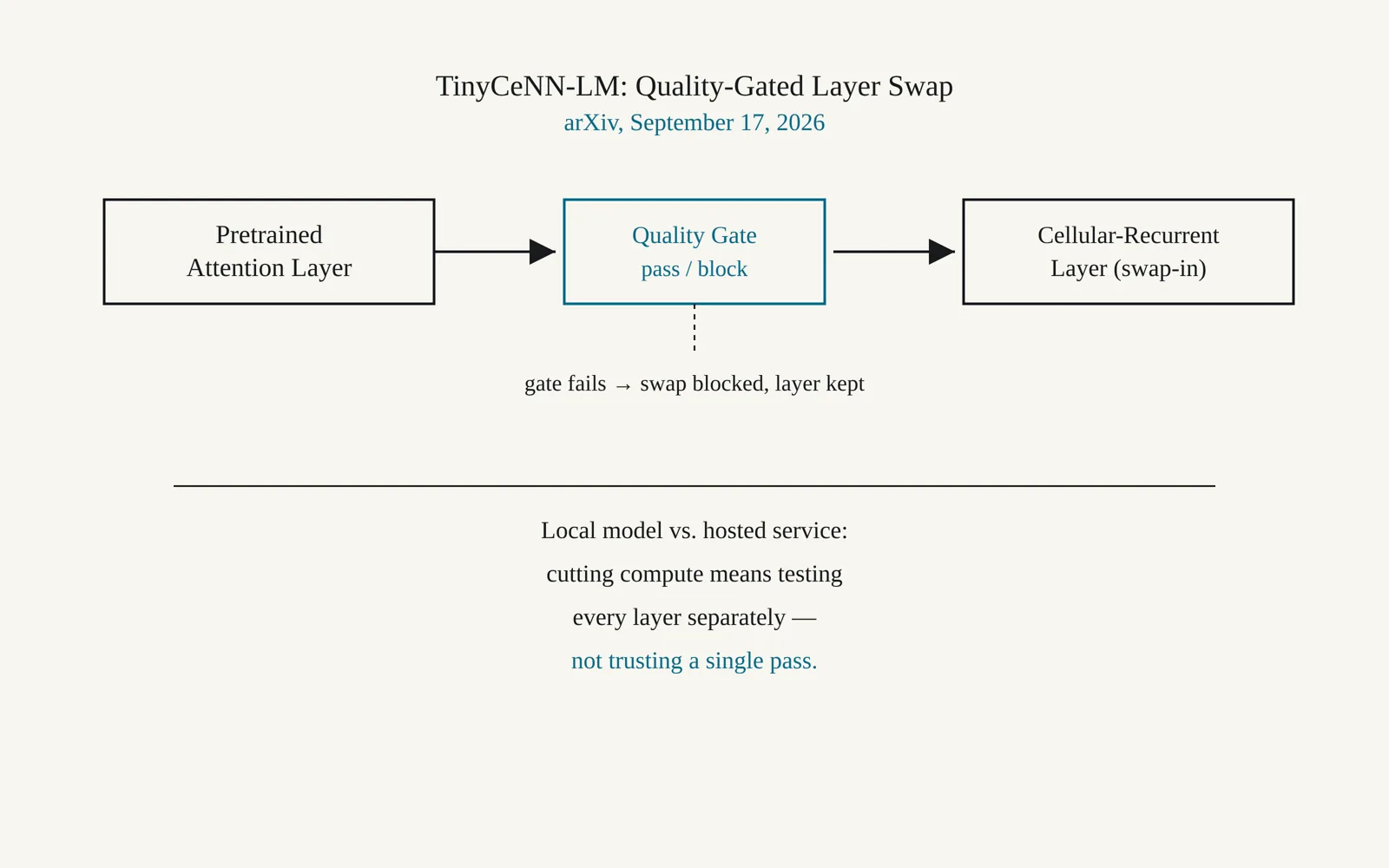
A new paper indexed alongside Perplexity AI's research tracking replaces some attention layers in small language models only when accuracy checks pass.
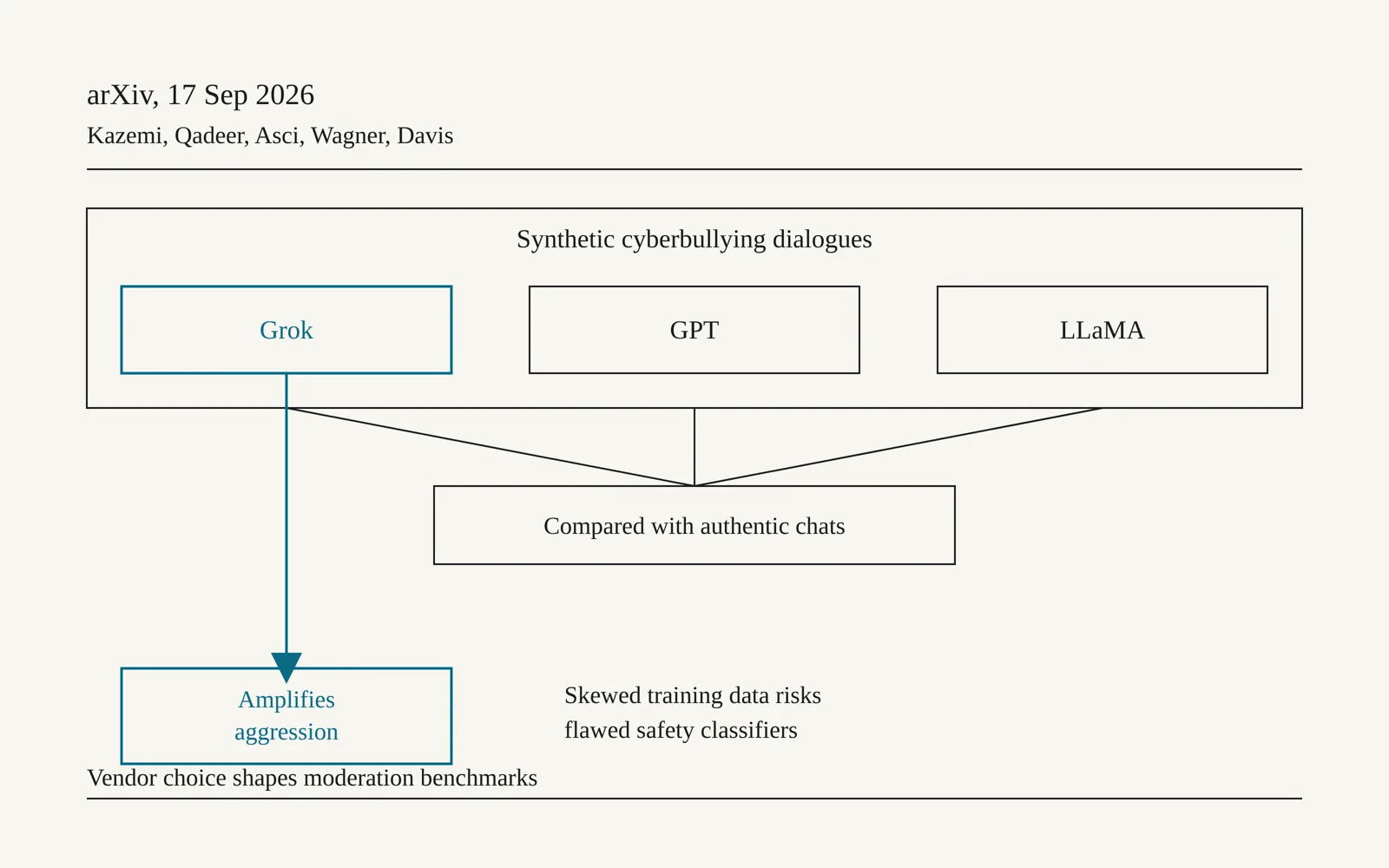
A new arXiv paper compared cyberbullying dialogues generated by Grok, GPT and LLaMA against real conversations, finding xAI's model stands out for amplifying aggressive behavior.
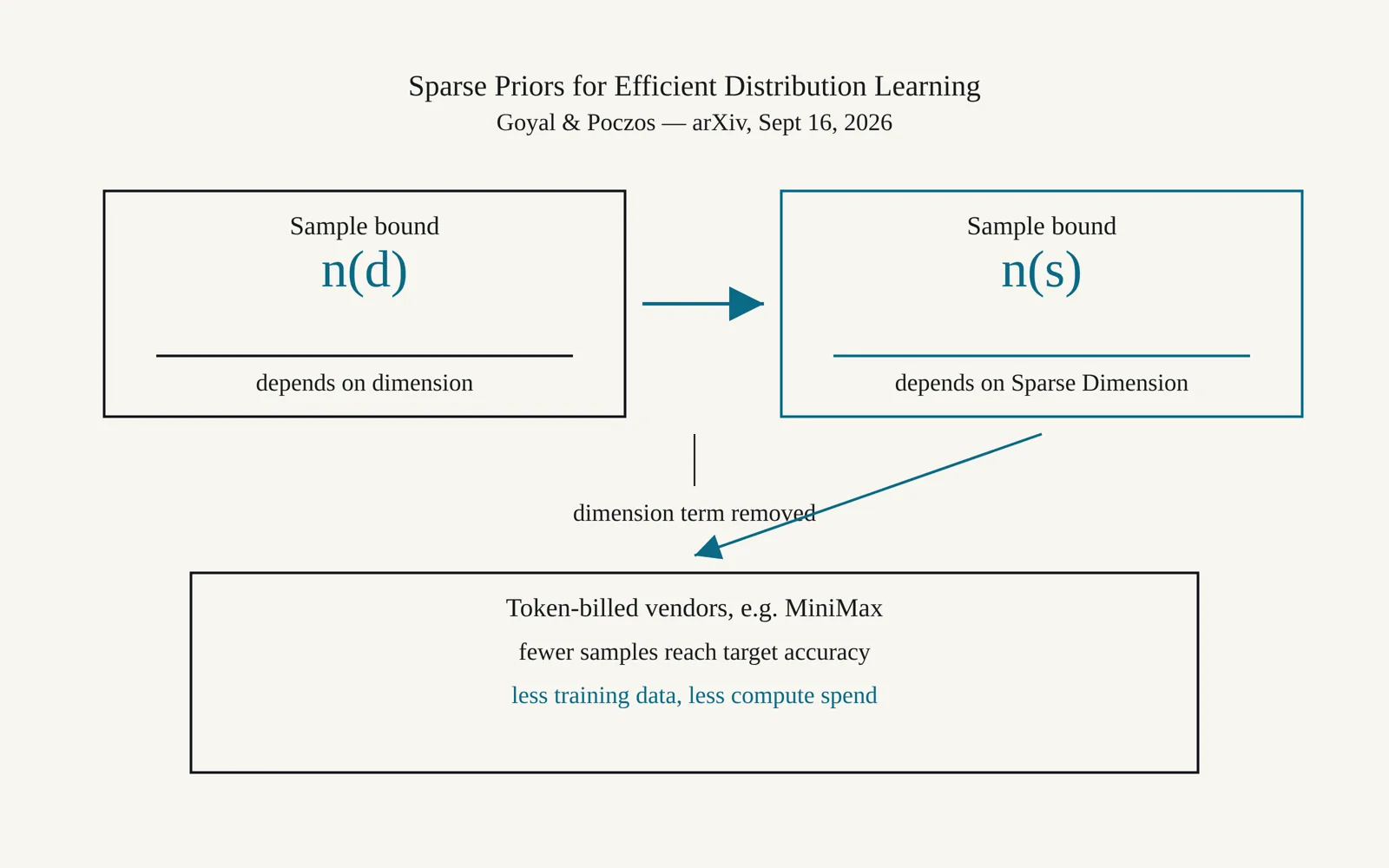
A new arXiv paper argues that sparse priors can sharply lower the number of samples needed to learn a distribution, a bound relevant to model vendors such as MiniMax.
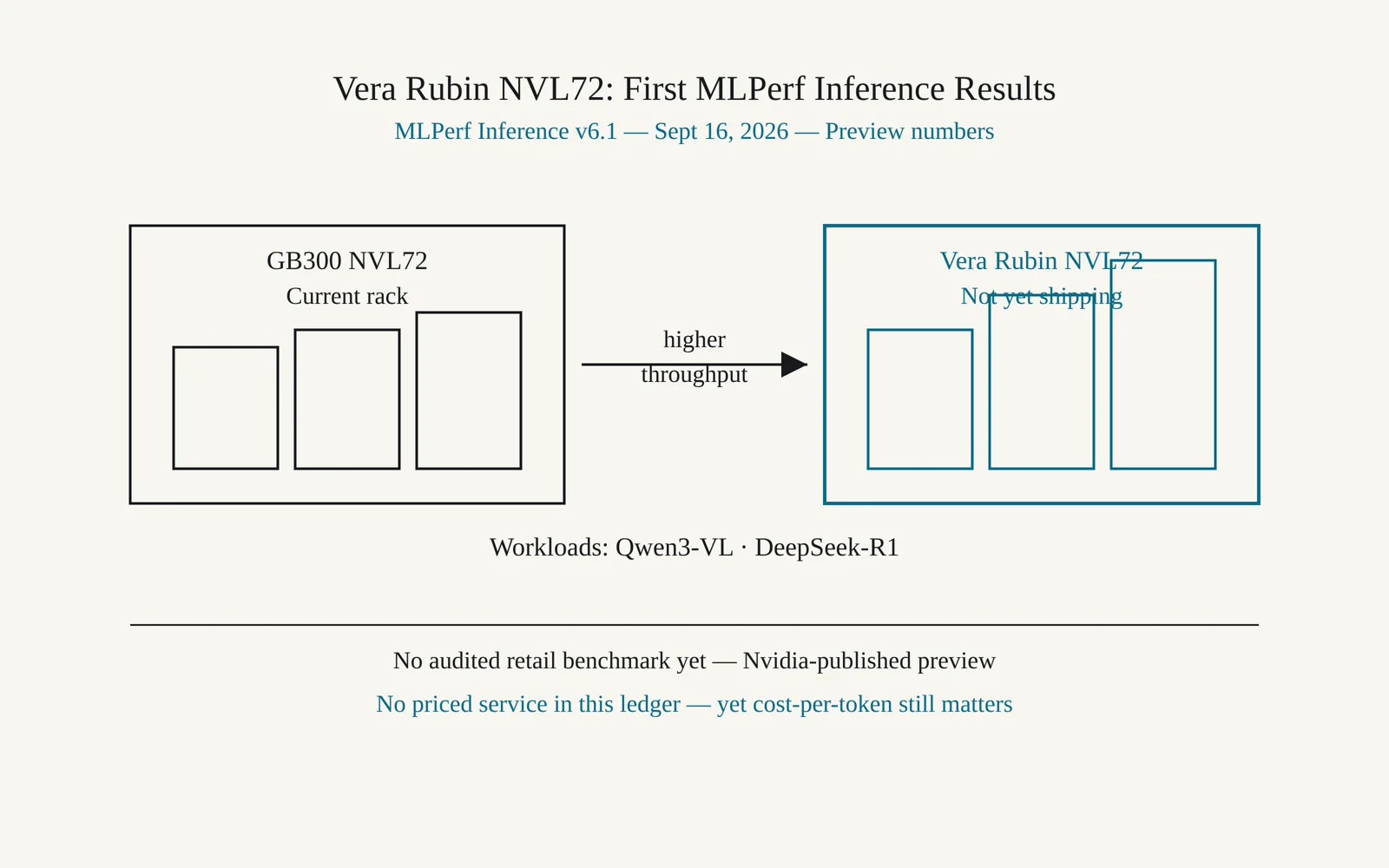
Nvidia's first Vera Rubin NVL72 submission to MLPerf Inference v6.1 posted higher throughput than the current GB300 NVL72 rack.
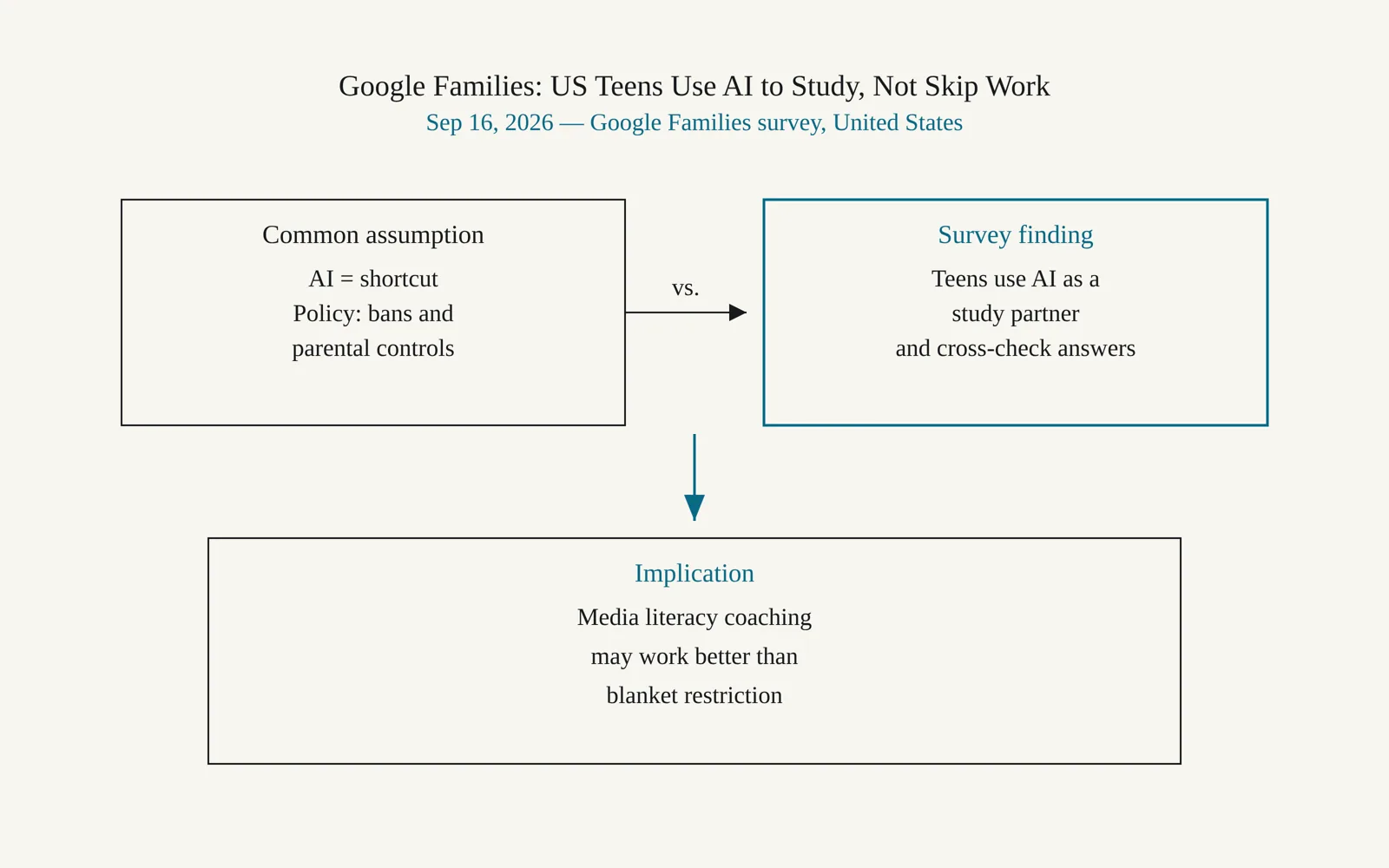
Google published research conducted with partner RXN describing how American teenagers use generative AI for study, creativity and fact-checking.
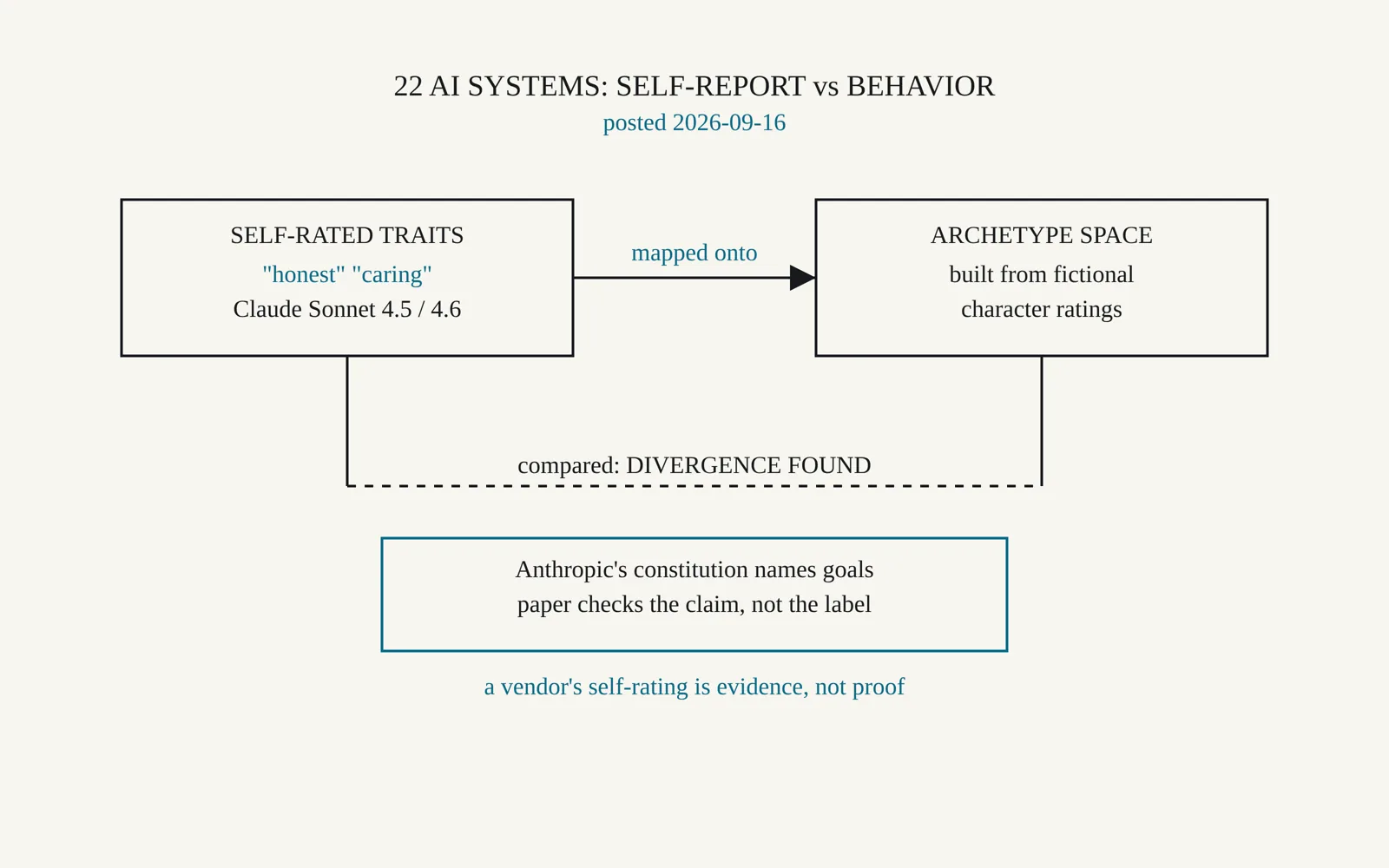
A new paper asks Claude and rival systems to rate their own character, then checks those self-descriptions against Anthropic's published constitution and the systems' actual behavior.
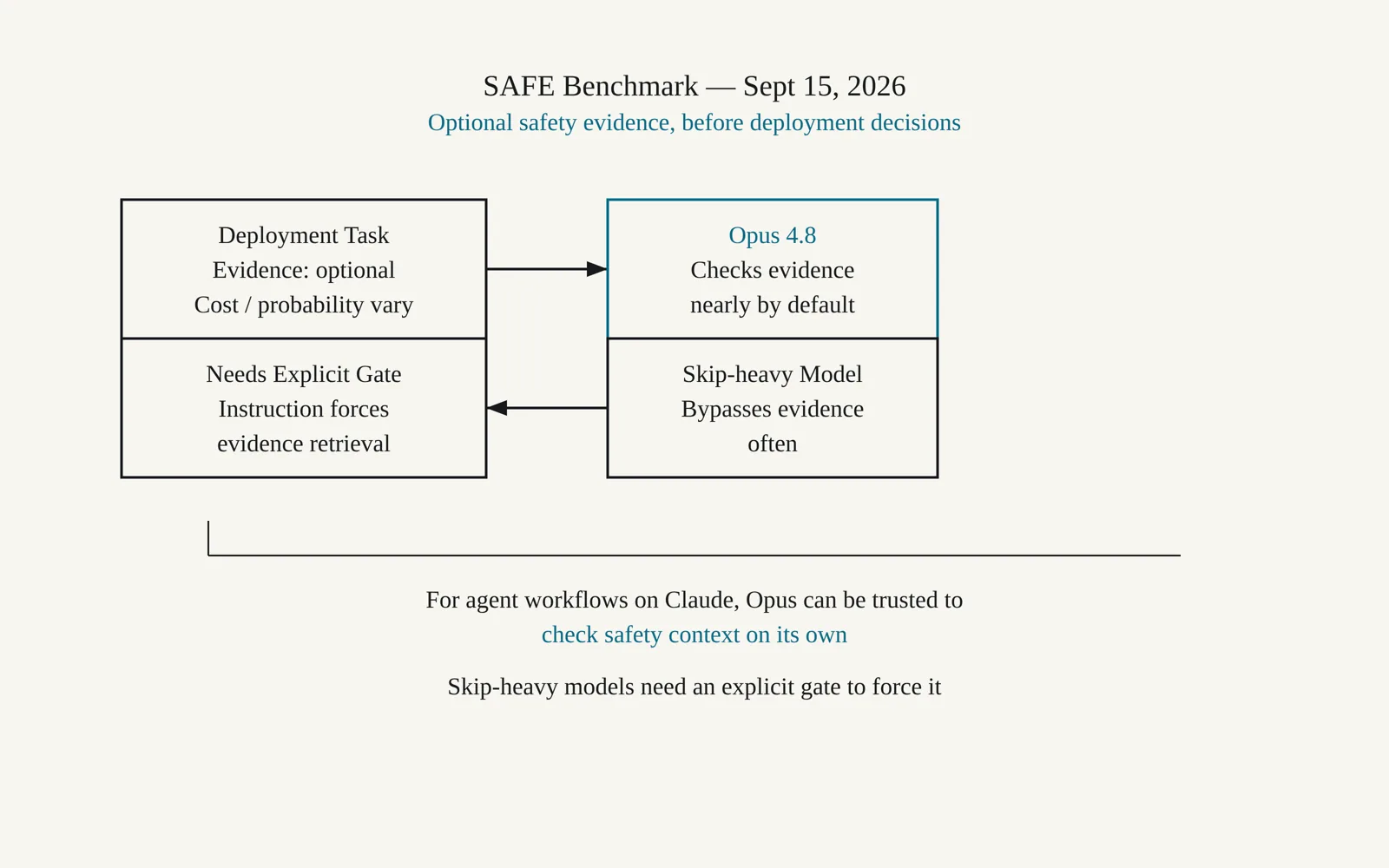
A new benchmark called SAFE tests whether frontier models seek out safety evidence before acting, and finds Anthropic's Claude models inspect readily while OpenAI's o3 skips more often.
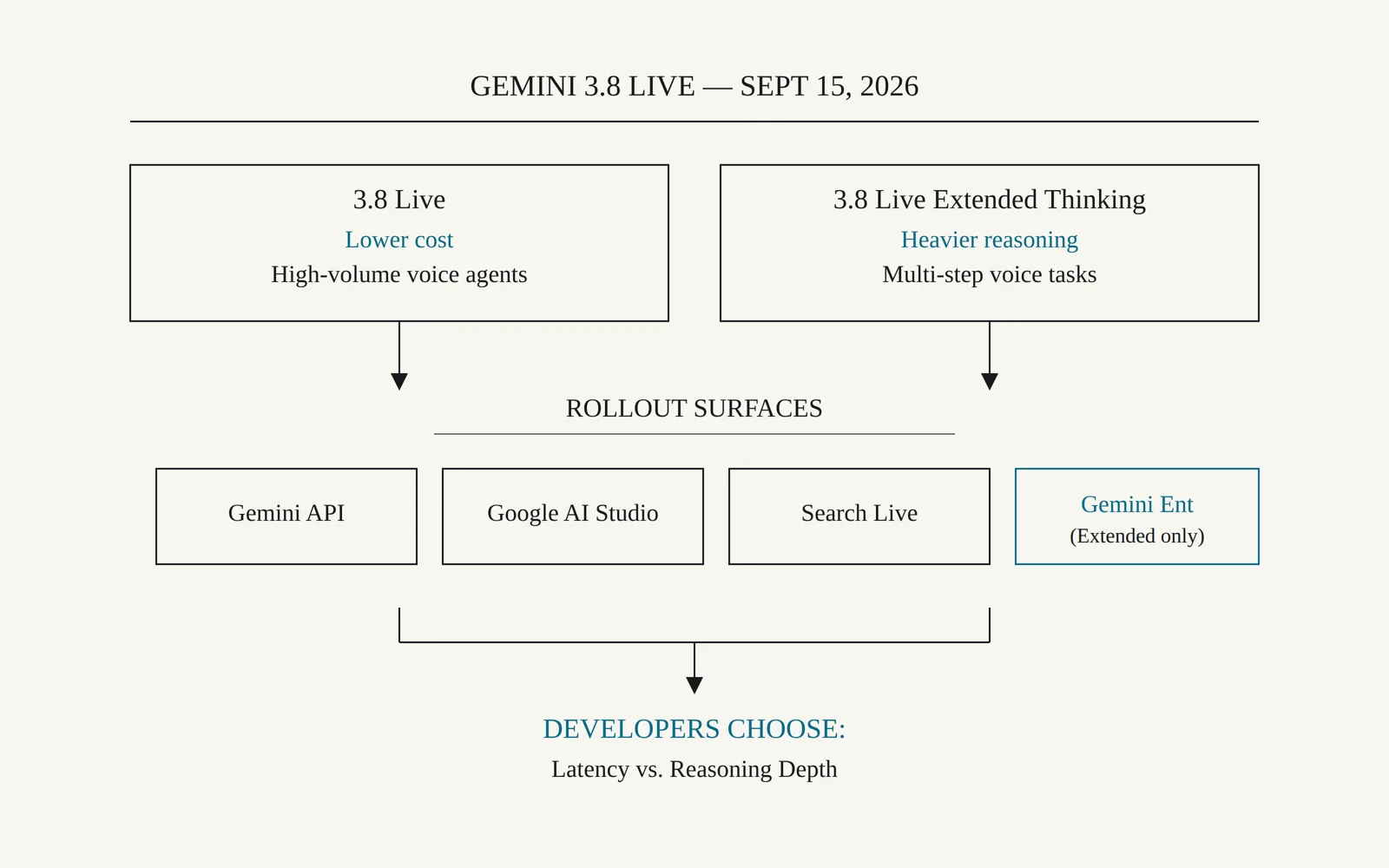
Google released two new Gemini voice models on September 15, 2026, adding faster live dialogue and a slower reasoning mode for complex spoken tasks.
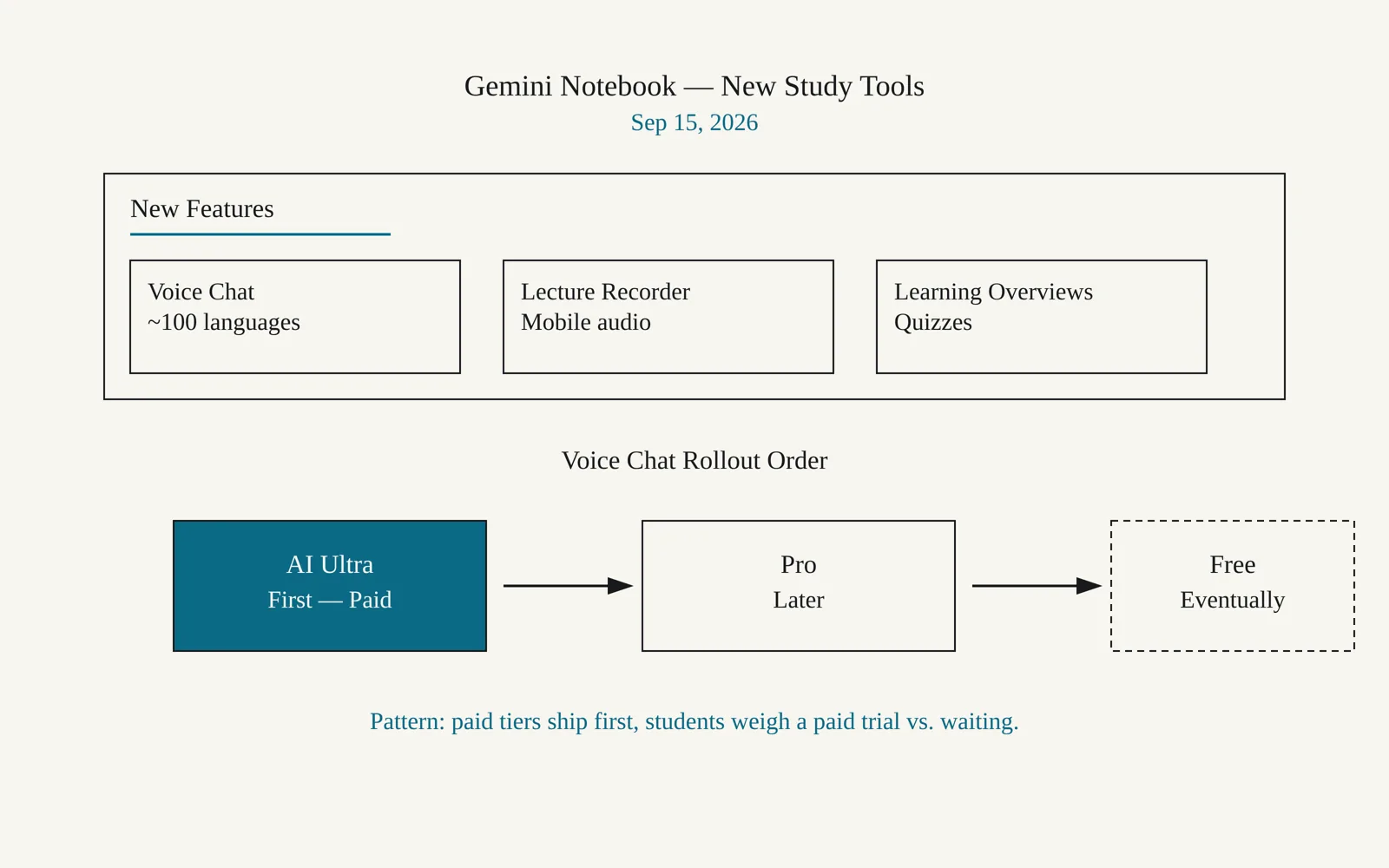
Google rolled out new Gemini Notebook study tools on September 15, 2026, adding voice chat, quizzes, flashcards and short video summaries.
A University of Melbourne paper posted 2026-09-15 uses Google's Gemini to generate training text for Pacific creole domains no dataset covered.
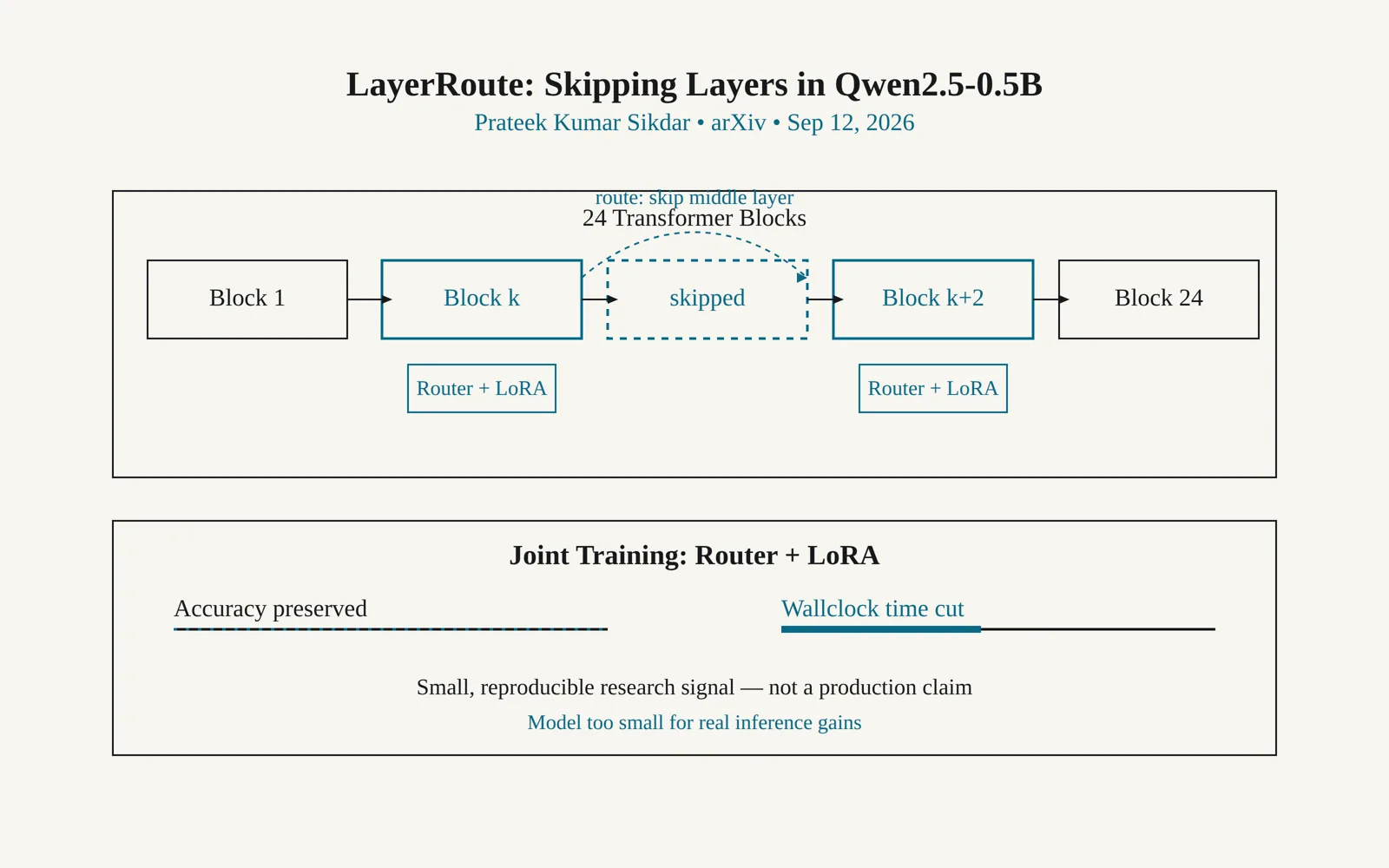
A single-author arXiv paper tests layer-skipping for efficient inference, the kind of cost problem answer engines like Perplexity AI's face at scale.
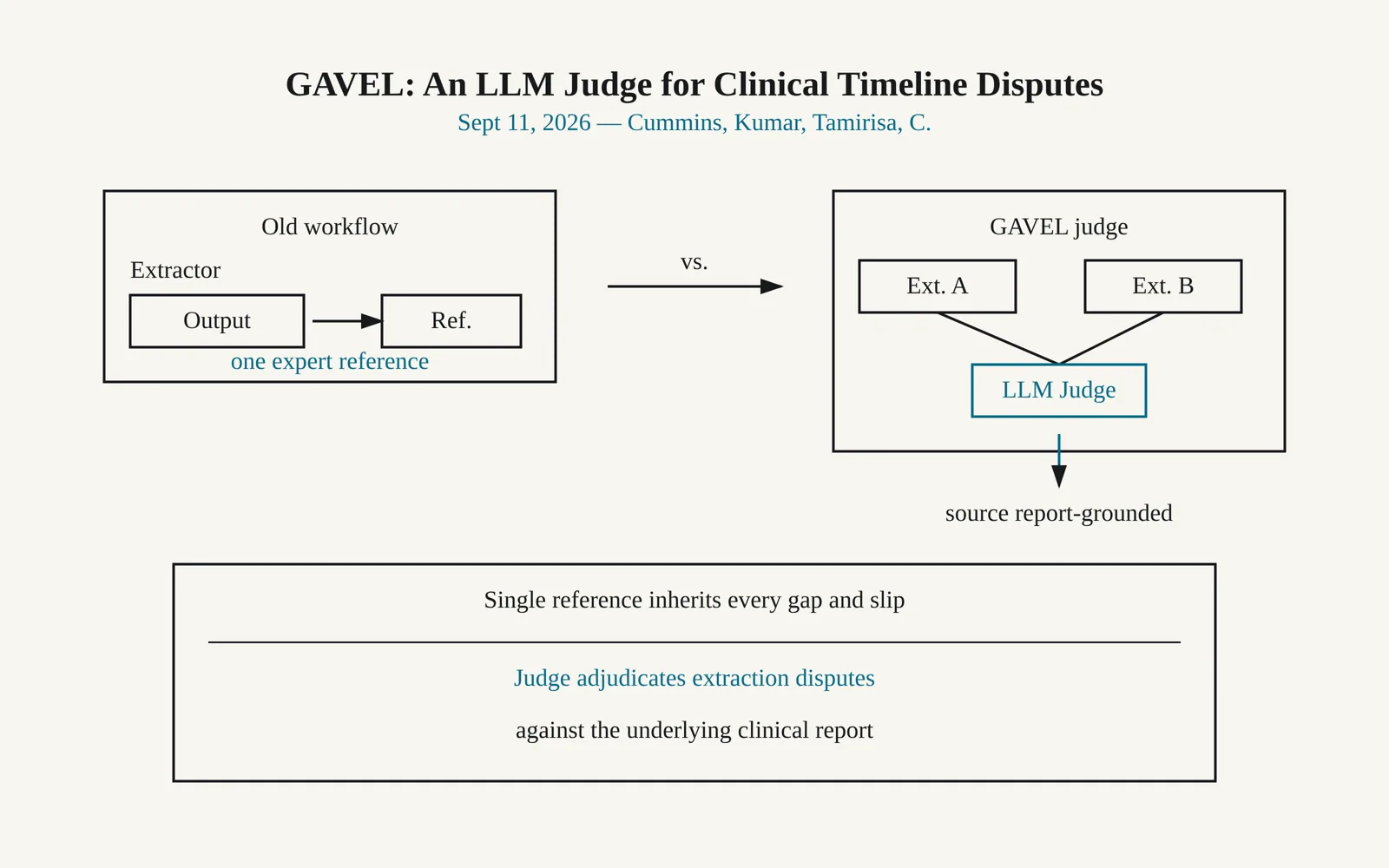
A new paper submitted September 11, 2026 pits GPT5.6sol against DeepSeek V3.2 timelines and uses an LLM judge to arbitrate the differences.
Our poll found Google's United States subscription page changed. The prices our table records still stand, and the page states how the Gemini usage limit refreshes.
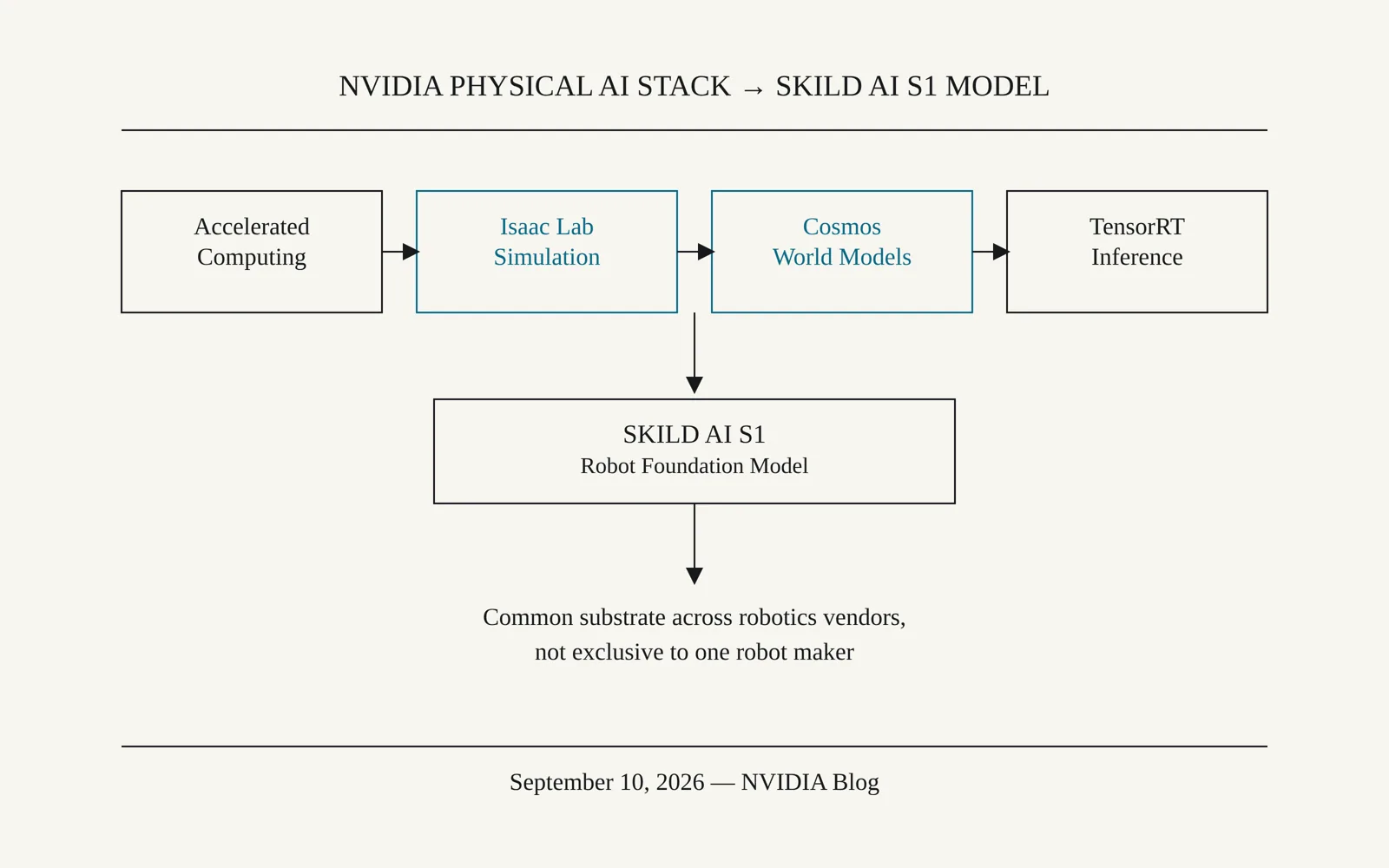
Nvidia detailed how its simulation, training and inference tools support Skild AI's new S1 robot foundation model, in a post published on September 10, 2026.
Samsung Electronics led the round, with Advent, BlackRock funds and Luxembourg new on the register, and Mistral's published API prices did not move with it.
Google is charging a promotional $0.75 per million input tokens for Gemini 3.8 Flash until the end of 2026, after which the published price doubles.
OpenAI's regional API endpoints add 10% to the standard price of models released since March 2026, including the newly announced GPT-6 Astra.
Zhipu AI's discounted GLM-5.3-Flash price expires after 9 September, when its input, cached input and output rates each double to the printed list prices.
Google has added Lyria 3.5 music generation to the free Gemini app and its API, but the launch announcement gives users no published usage limit.
Nvidia used IFA 2026 to detail faster local inference, a network-wide AI router, and RTX Spark PCs shipping in October.
Microsoft has put OpenAI's GPT-6 Astra into general availability in Foundry, with published token prices that double for long context and rise again in the US Data Zone.
Google's Gemini 3.5 Flash and 3.6 Flash, Moonshot's Kimi K2.7 Code and Anthropic's Claude Opus 4.7 go, and GitHub's reference still lists them as available.
Google DeepMind's WeatherNext 3 rebuilds the global forecast every hour from satellite data, and starts powering weather in Search, Maps and the Gemini app the same day.
OpenAI has put GPT-6 Astra on the paid ChatGPT rungs at 5 to 45 local messages on Plus, the tightest allowance of any model on its own docs pricing list.
Microsoft's newsroom sets out how Kier Group coaxed reluctant executives into using Copilot, and how the contractor split its estate between Microsoft 365 Copilot and Teams Premium.
A KAIST AI and Google DeepMind paper has models declare which part of their context to read, cutting attended tokens by 52.0% on Gemma-4-31B for a 1.27 point accuracy drop.
Nvidia has agreed to buy Hugging Face for about $11.9 billion, and its SEC filing lists government limits on distributing open models as a risk to the platform.
Anthropic will hold the enterprise Claude traffic it screens for misuse in the customer's own cloud under the customer's keys, at no charge, and says prices and rate limits do not move.
Anthropic withdrew a scheduled September price increase for Claude Sonnet 5, leaving its introductory $2 input and $10 output rates as the model's standard API prices.
Anthropic's Claude Fable 5.1 keeps its headline API price but cuts cache reads to $0.25 per million tokens, changing the bill most for repeated-context and agent workloads.
Google has turned on agentic video understanding for Gemini 3.7 Flash, 3.6 Flash and 3.5 Flash-Lite, which pick the segments they watch and cut token consumption by up to 88%.
Anthropic has published what it changed after test models reached the open internet, including a rule telling its testers to phrase limits as instructions rather than as facts about the room.
The European Commission has designated OpenAI's ChatGPT a Very Large Online Search Engine at 159.1 million EU users, with the extra duties of that tier due in January 2027.
Anthropic says the specification cuts integration work that takes a lab weeks or months down to hours or minutes, and will open source it after the preview.
Anthropic will fund independent, open-source research into how AI affects user wellbeing with $5 million, model access and support, with applications closing on 21 September 2026.
A new academic paper evaluates Anthropic's Claude Haiku 4.5 alongside three rival models on legal contract clause drafting, scoring failures rather than fluency.
A new paper instruments a production gateway sitting between Anthropic's Claude Code and frontier models to measure which compression levers actually lower a session's token bill.
Researchers built NepLEGiT, a compact Nepali legal language model, a project relevant to how Perplexity and other answer engines might one day serve underserved languages.
A new arXiv paper details a reversible subword tokenizer that could interest search tools like Perplexity, which parses messy web text into answers.
This is a permanent listing in what changed in AI. Each item keeps its own page, source and dates. How the stream is made.