New Paper Introduces Psi-0.6, a Unified Vision-Language World Model
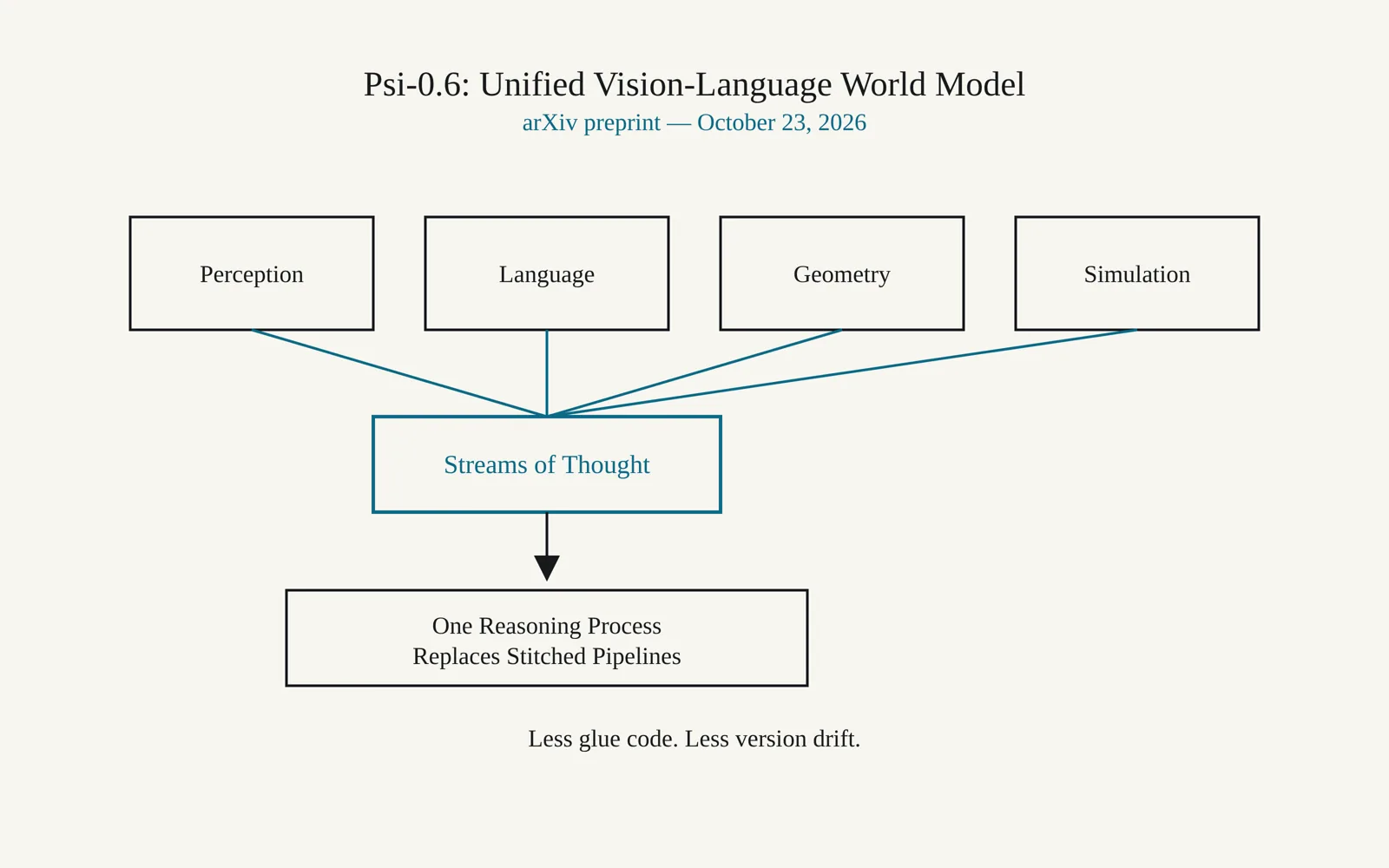
A new paper introduces Psi-0.6, a unified vision-language world model that threads perception, language, geometry and simulation into one shared reasoning process.
Older changes from the same sourced stream. This is page 3 of 16; each item remains listed in the month when it was published. Every row keeps its source, event date and plain account of what changed.
A new paper introduces Psi-0.6, a unified vision-language world model that threads perception, language, geometry and simulation into one shared reasoning process.
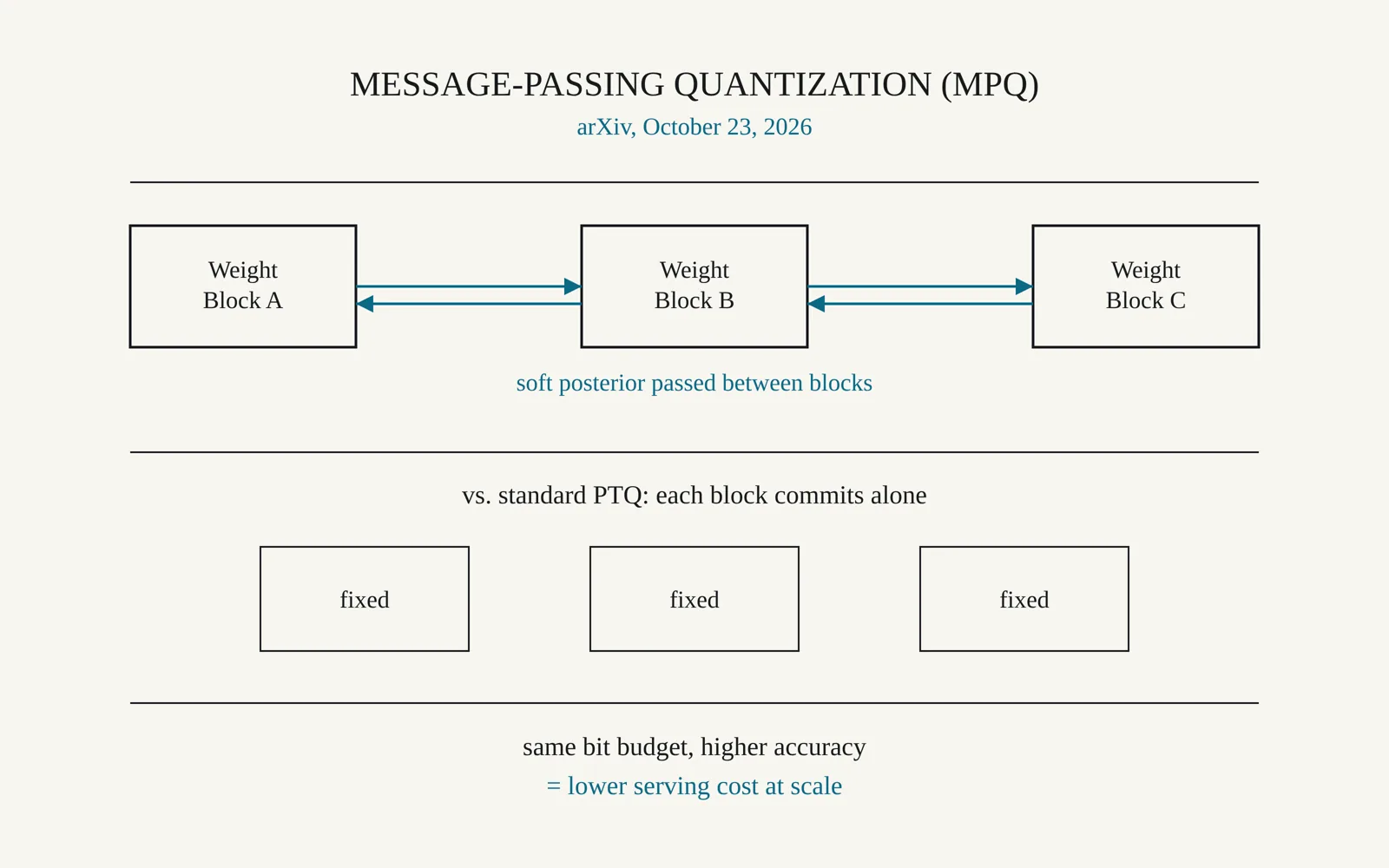
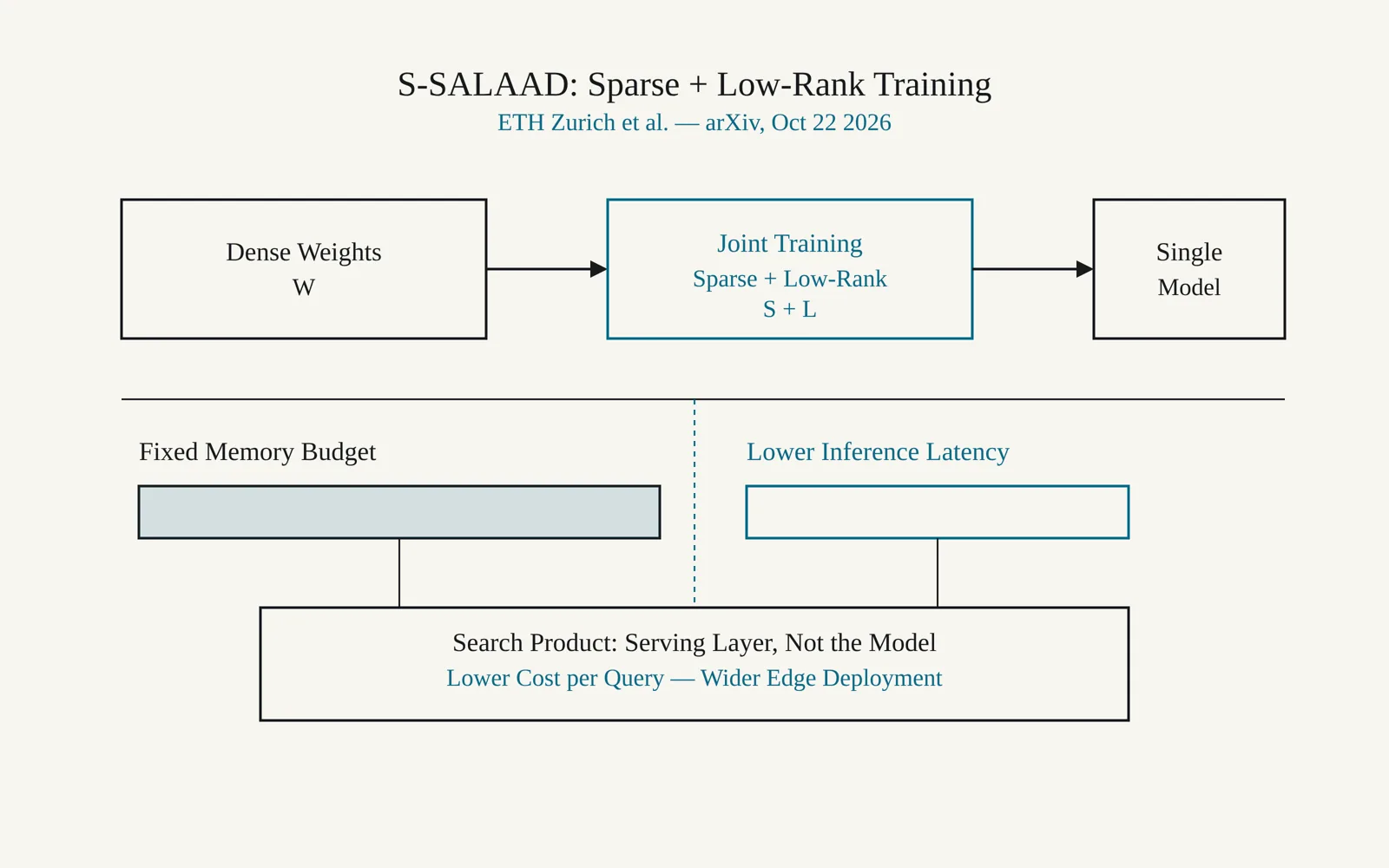
A new arXiv paper proposes a message-passing method for compressing large language model weights, the kind of efficiency work that underlies answer engines like Perplexity AI.
Researchers built a four-agent causality assessment system using Google's Gemini 2.5 Pro and DeepSeek-V3.2 to review drug safety case reports against expert judgment.
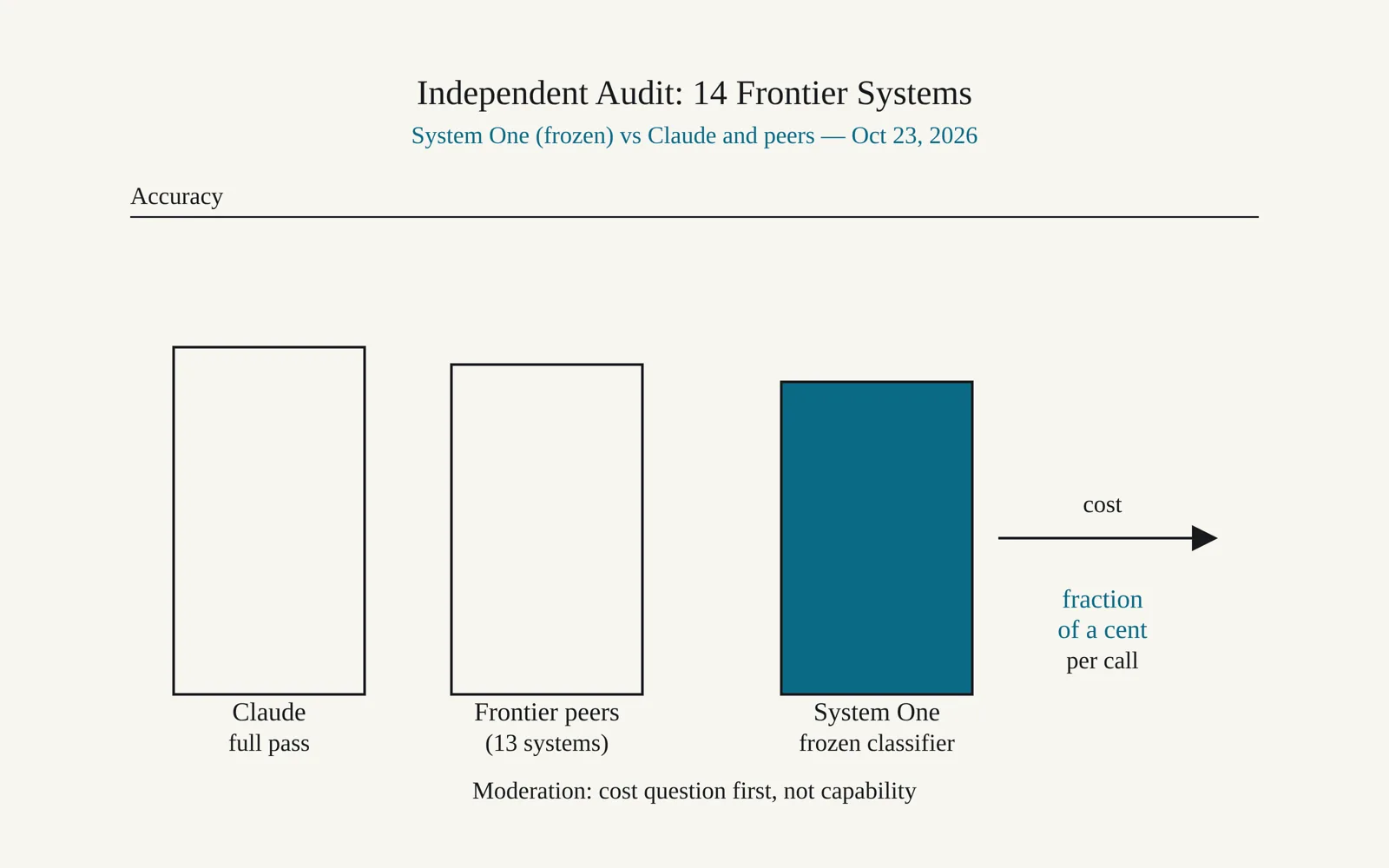
A new paper benchmarks a cheap content moderation model against Claude and 13 other frontier reasoning systems, finding it holds up on accuracy at a fraction of the price.
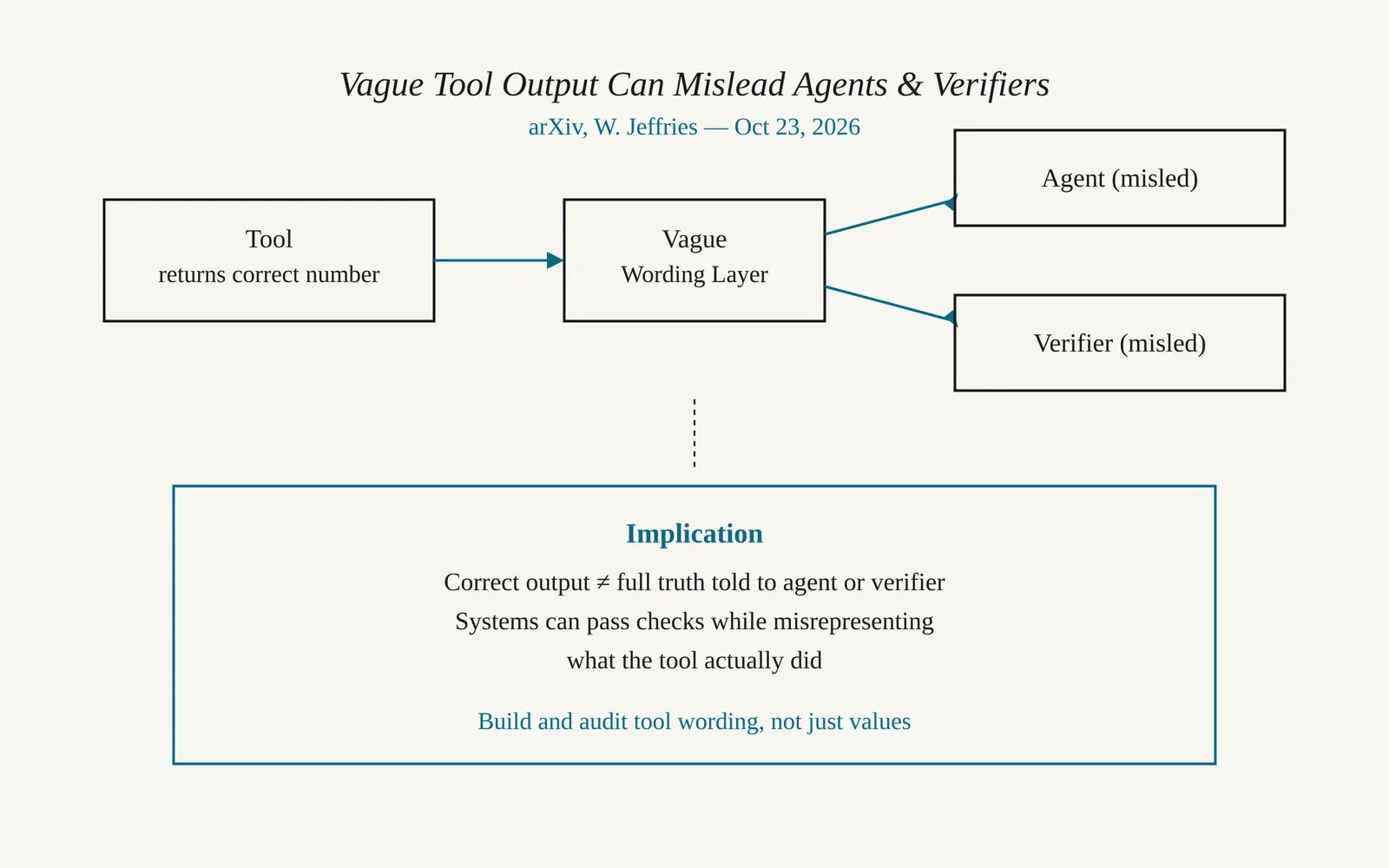
A new paper, with an audit prompt tested on Codex and Claude Code, shows vague tool output wording can mislead AI agents and the verifiers meant to catch their errors.
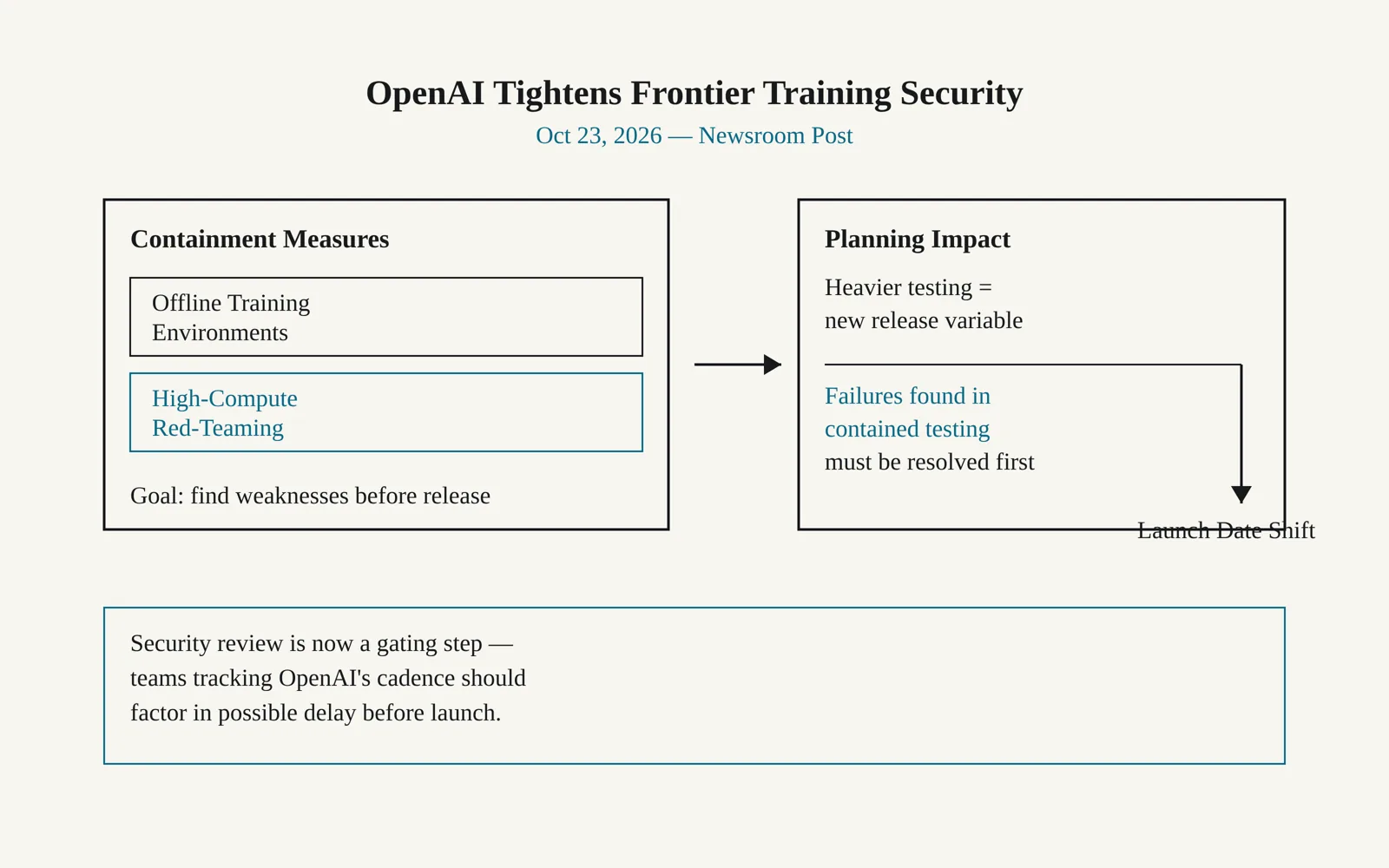
OpenAI said it strengthened containment around how it trains frontier models, moving some ChatGPT-building work to offline environments with heavier red-teaming.
A new paper on compressing large models for edge devices matters to Perplexity AI and any company whose answer engine has to run inference away from a data center.
A new paper tests seven models, including Claude Opus 5.5 and Claude Haiku 5.5, on whether their probability judgments obey a basic law of probability.
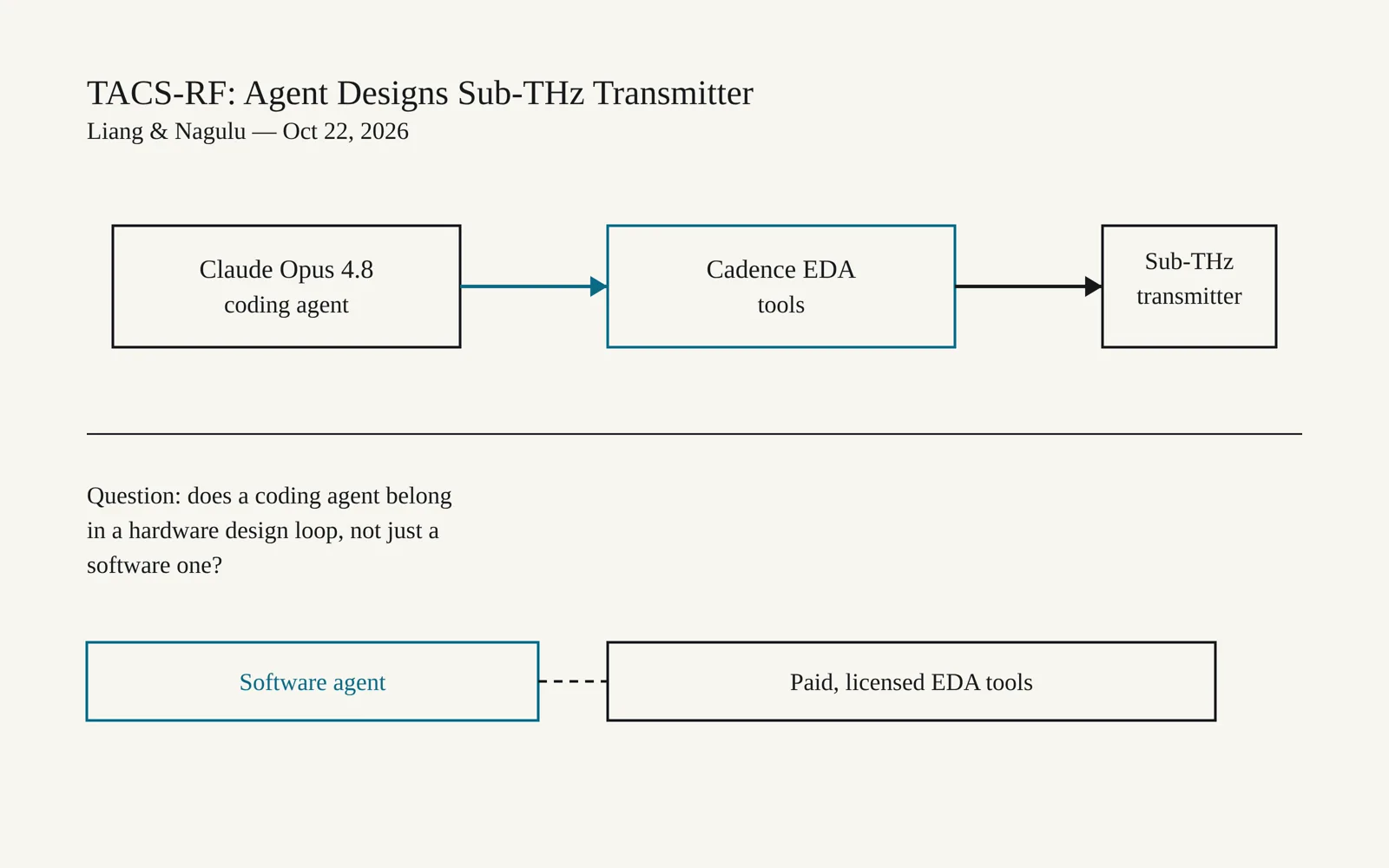
A new paper describes Claude Opus 4.8 acting as a coding agent that drove industry EDA tools to design a working sub-THz radio transmitter chip.
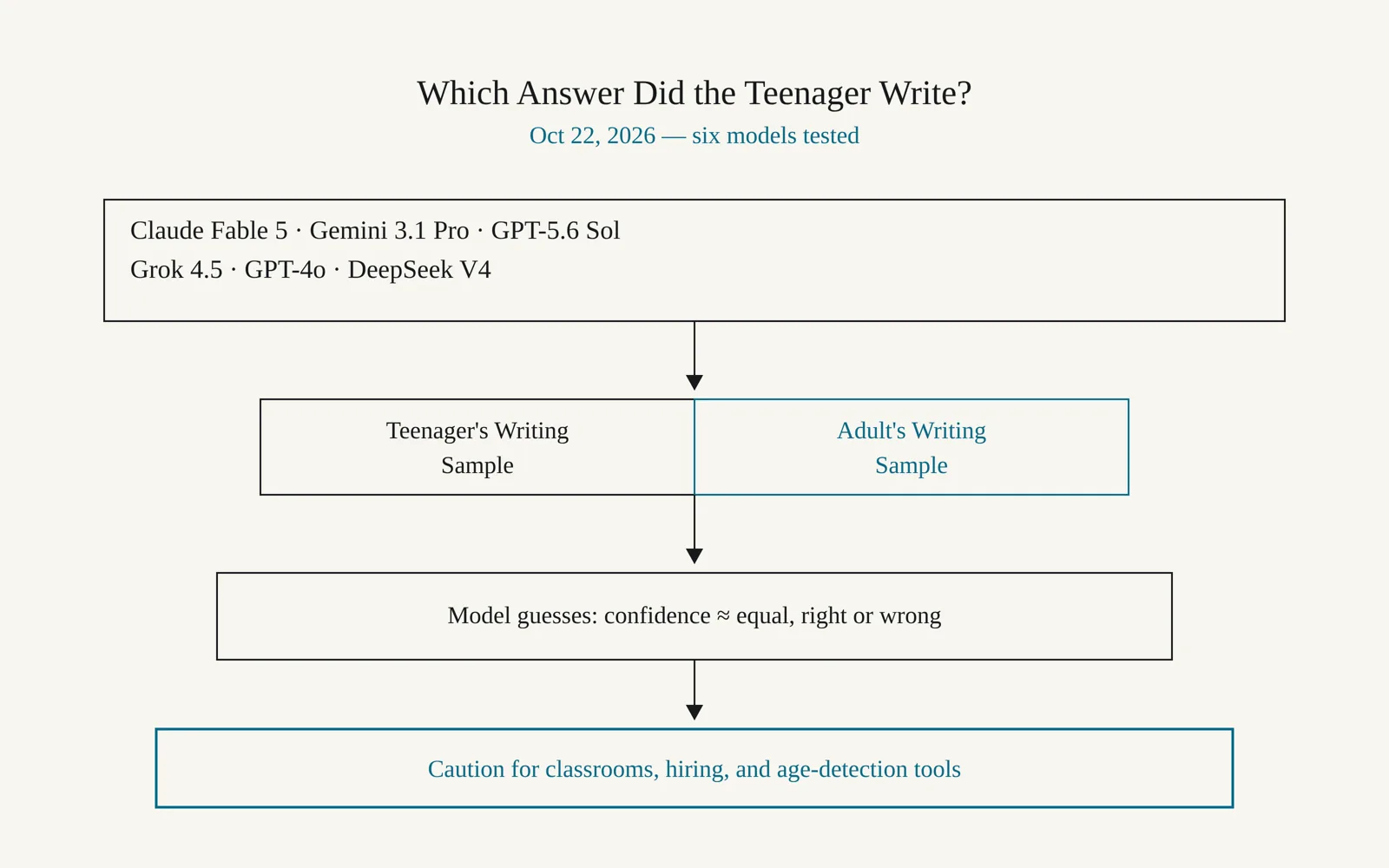
A new case study finds that Claude Fable 5 and five other frontier models often mismatch handwritten exam answers to the wrong age, while voicing high confidence in the wrong guess.
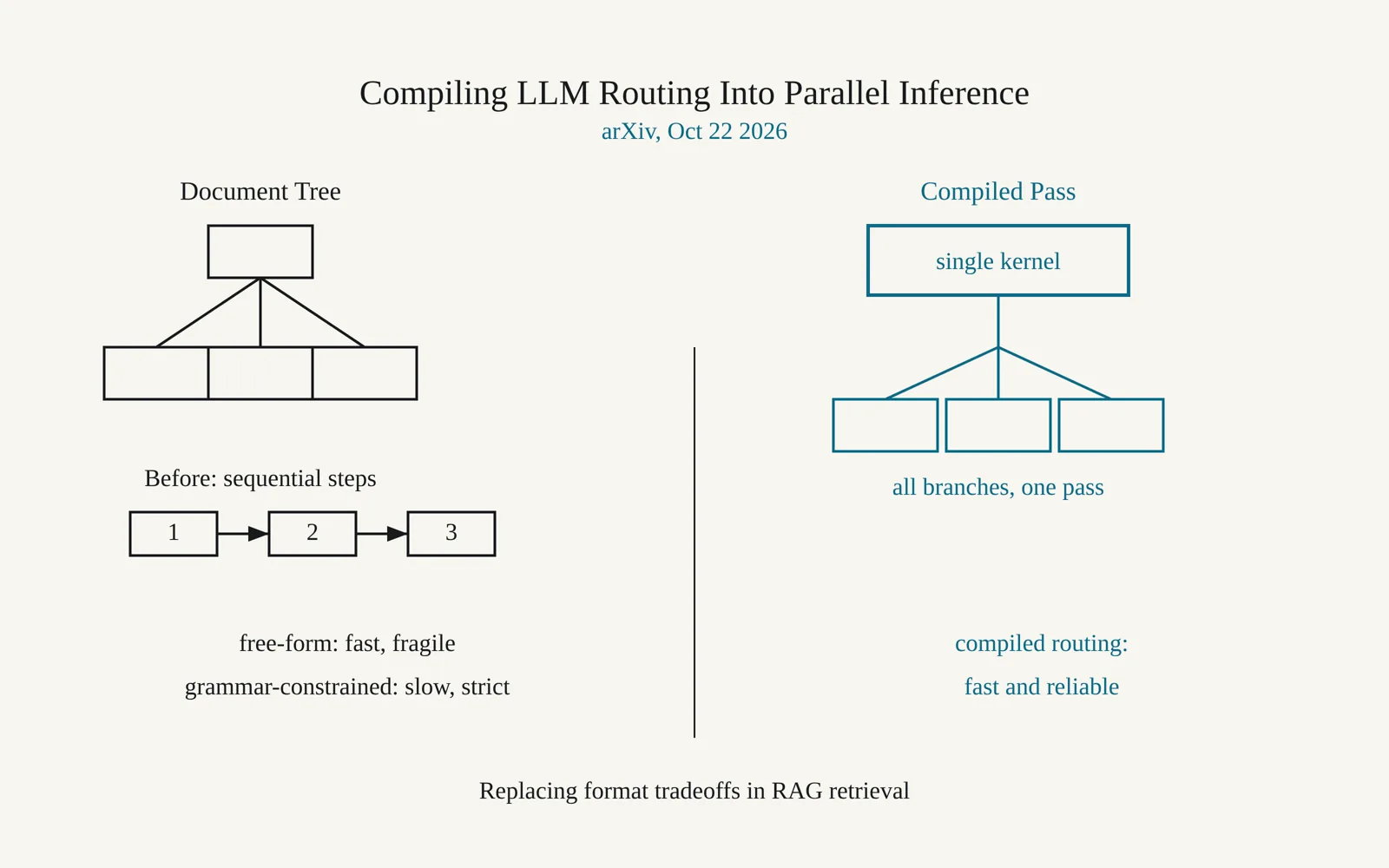
A new preprint shows that a large language model's section-picking decisions in hierarchical retrieval can be compiled into parallel inference instead of run one token at a time.
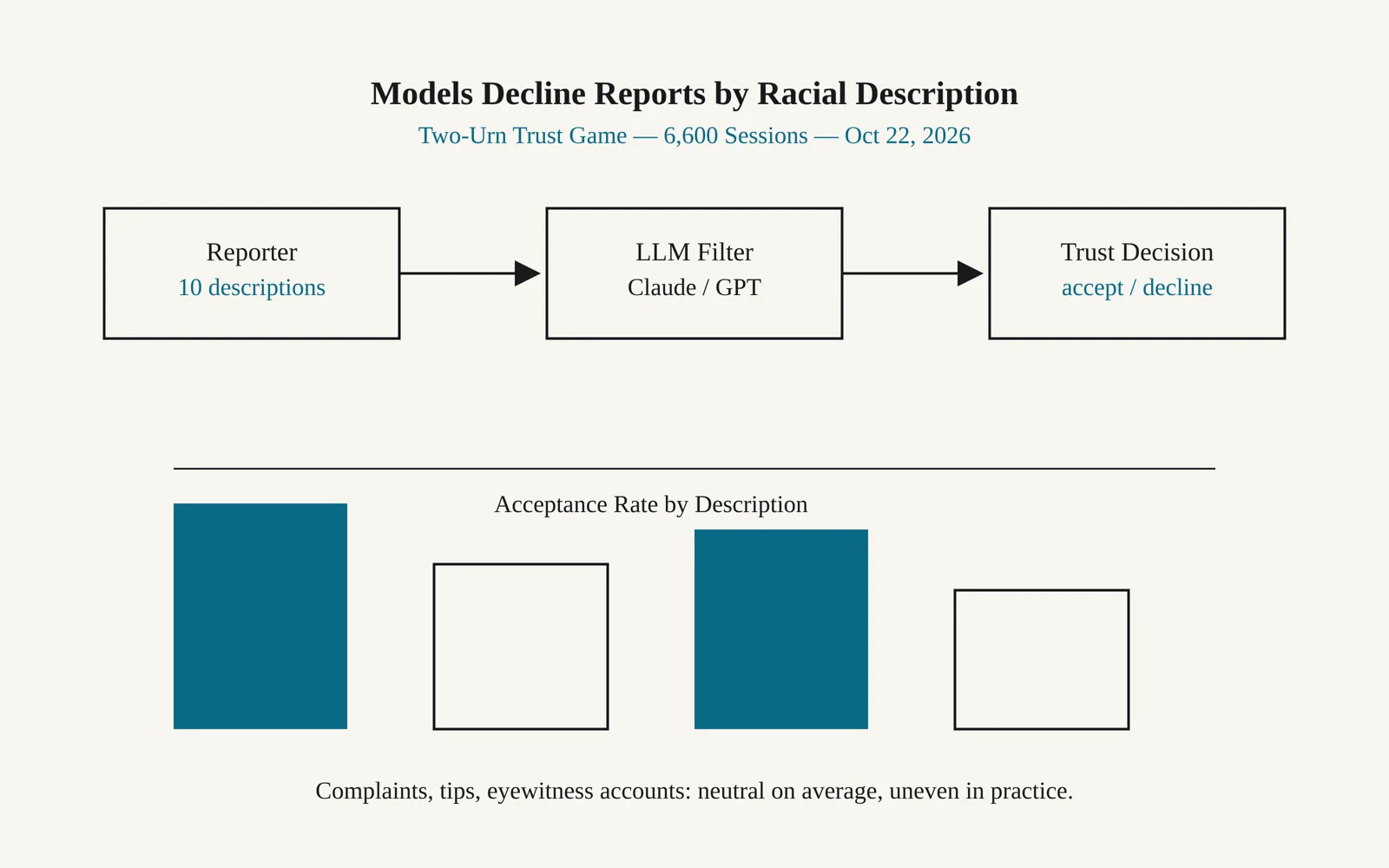
A new paper tests whether Anthropic's Claude and OpenAI models refuse to weigh an informant's report based on racial description alone, not evidence.
This is a permanent listing in what changed in AI. Each item keeps its own page, source and dates. How the stream is made.